Cooking with Canned Goods: 8 Nourishing Pantry-Only Recipes
When the fridge is empty, you don't need to resort to takeout. Discover how to create eight nourishing, science-backed meals using only canned goods and pantry staples. Healthy eating is about consistency, not perfection.

Picture this: It is 6:30 PM on a Thursday. You are exhausted from a long day, and when you open the refrigerator, it is practically echoing. There is half a jar of mustard, some questionable wilted spinach, and a lonely bottle of hot sauce.
If you are trying to prioritize your nutrition, moments like this can feel incredibly stressful. The internet is flooded with conflicting nutrition advice, much of which insists that every meal must be made from scratch using farm-fresh, organic produce. This pressure often leads to ordering takeout out of sheer overwhelm.
As a nutrition professional, I want to let you in on a liberating secret: healthy eating does not require a fully stocked fridge. Canned goods and pantry staples are not a nutritional compromise; they are a secret weapon for consistent, stress-free nourishment.
Let's cut through the noise, drop the food guilt, and explore the actual science of canned foods—plus eight complete, satisfying meals you can make tonight without ever leaving your kitchen.
The Science of Canned Foods: Debunking the Myths
For decades, canned foods have been unfairly categorized as "unhealthy" or devoid of nutrients. However, food science tells a completely different story.
Canning is simply a method of preserving food by heating it to a temperature that destroys harmful microorganisms and then sealing it in an airtight container. According to research published in the Journal of the Science of Food and Agriculture, the canning process actually locks in macronutrients (proteins, carbohydrates, and fats) and most fat-soluble vitamins (like vitamins A, D, E, and K).
In some cases, canning actually enhances the nutritional profile of food. For example, the heat used in canning tomatoes increases the bioavailability of lycopene, a powerful antioxidant linked to heart health, making it easier for your body to absorb than the lycopene in fresh tomatoes.
What About Sodium?
One valid concern regarding canned goods is their sodium content, as salt is often used as a preservative. If you are mindful of your blood pressure or general sodium intake, you do not need to avoid canned beans and vegetables.
A practical, evidence-based tip: Simply draining and rinsing canned beans under cold water can reduce their sodium content by up to 41%. You can also look for labels that say "No Salt Added" or "Low Sodium," giving you complete control over how much salt you add during cooking.
8 Complete Pantry-Only Recipes
When creating a balanced meal from the pantry, we want to aim for a combination of complex carbohydrates for energy, protein for satiety and muscle repair, and healthy fats for nutrient absorption and flavor. Here are eight specific, actionable recipes you can make using only shelf-stable ingredients.
1. 15-Minute Lemon-Garlic Tuna Pasta
Canned tuna is a brilliant source of high-quality protein and Omega-3 fatty acids (EPA and DHA), which are essential for brain and cardiovascular health.
The Recipe: Boil 2 to 3 ounces of dry pasta (whole wheat if you have it, for extra fiber). While the pasta cooks, drain one 5-ounce can of chunk light or albacore tuna. In a bowl, toss the cooked pasta and tuna with 1 tablespoon of olive oil, 1 teaspoon of garlic powder, a splash of bottled lemon juice (or white wine vinegar), and a tablespoon of drained capers if you have them in the fridge door.
Nutrition Highlight: The olive oil provides monounsaturated fats, which help your body absorb the fat-soluble nutrients in the meal, while the protein in the tuna keeps your blood sugar stable.
2. Coconut Milk Chickpea Curry
Chickpeas (garbanzo beans) are a fantastic source of plant-based protein and soluble fiber, which supports a healthy gut microbiome and helps manage cholesterol levels.
The Recipe: In a pot, warm 1 tablespoon of oil and stir in 1 tablespoon of curry powder and 1/2 teaspoon of garlic powder until fragrant (about 30 seconds). Add one 15-ounce can of drained and rinsed chickpeas, one 14.5-ounce can of diced tomatoes (undrained), and 1/2 cup of canned full-fat or lite coconut milk. Simmer for 10 minutes until the sauce thickens. Serve over a 1/2 cup portion of cooked rice or quinoa.
Nutrition Highlight: The combination of rice and chickpeas provides a complete amino acid profile, giving your body all the building blocks it needs for protein synthesis.
3. Smoky Black Bean Soup
Black beans are rich in anthocyanins—the same antioxidants found in blueberries—which help protect your cells from oxidative stress.
The Recipe: In a medium pot, combine two 15-ounce cans of black beans (do not drain them; the starchy liquid helps thicken the soup), 1 cup of vegetable or chicken broth from a carton, 1 teaspoon of cumin, and 1/2 teaspoon of smoked paprika. If you have a small 4-ounce can of diced green chiles, add those in. Simmer for 15 minutes. Mash about half the beans with the back of a spoon to create a thick, creamy texture.
Nutrition Highlight: A standard 1-cup serving of this soup provides over 10 grams of dietary fiber, helping you easily reach the recommended 25-30 grams per day for digestive health.
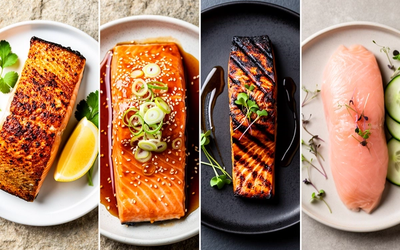
4. Crispy Canned Salmon Cakes
Canned salmon is an unsung hero of the pantry. Traditional canned salmon includes the soft, edible bones, which are an incredible, highly absorbable source of non-dairy calcium and Vitamin D.
The Recipe: Drain one 14.7-ounce can of traditional pink salmon. Do not pick out the bones; just mash them into the fish with a fork—they will completely disappear. Mix the mashed salmon with 1/3 cup of plain breadcrumbs (or rolled oats), 2 tablespoons of mayonnaise or mustard to bind it, and 1 teaspoon of dried dill. Form into 4 patties and pan-fry in a little oil over medium heat until golden brown (about 4 minutes per side).
Nutrition Highlight: These cakes provide a powerful trio for bone health: protein, calcium, and Vitamin D working in synergy.
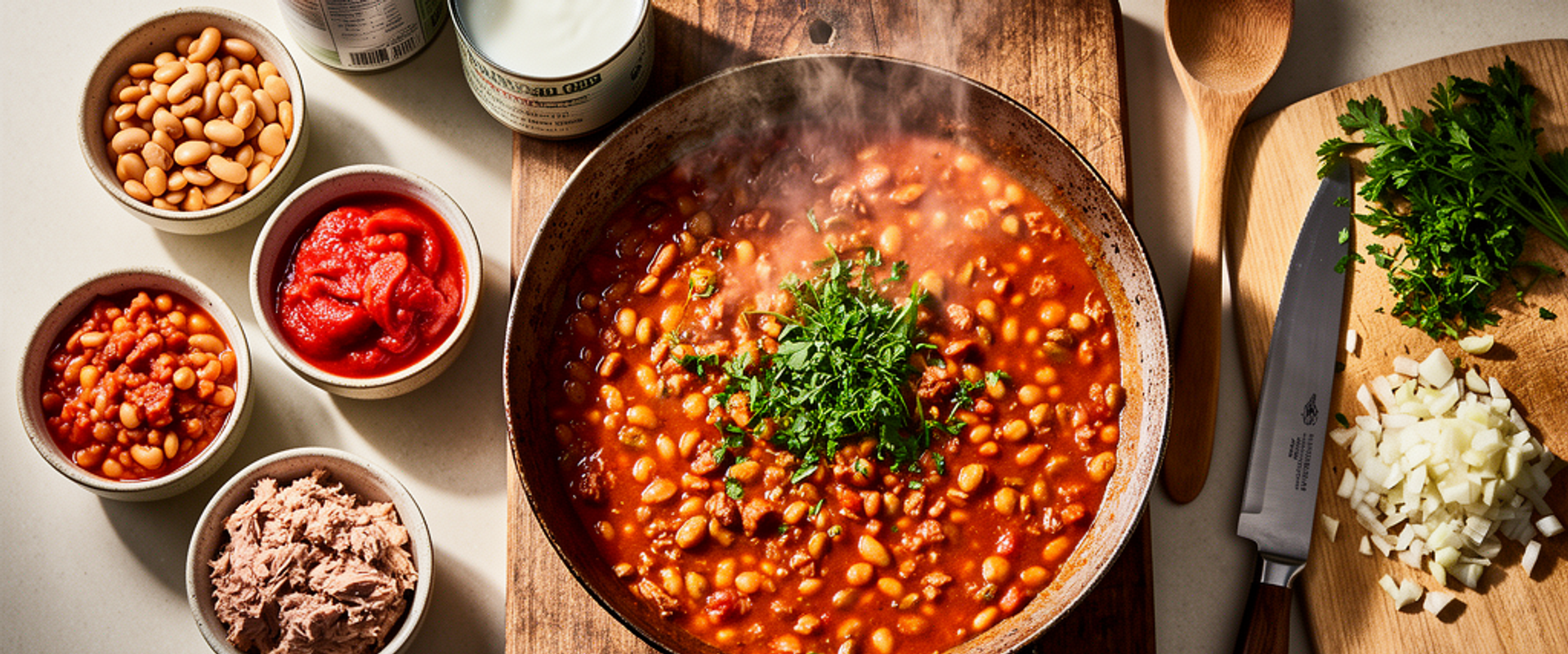
5. Hearty Lentil and Diced Tomato Stew
Lentils are an excellent source of non-heme (plant-based) iron. Because plant-based iron is slightly harder for the body to absorb than meat-based iron, pairing it with Vitamin C is a scientifically proven way to boost absorption.
The Recipe: Combine one 15-ounce can of drained and rinsed lentils with one 14.5-ounce can of crushed tomatoes, 1 cup of broth, 1 teaspoon of dried oregano, and a pinch of red pepper flakes. Simmer for 10 minutes.
Nutrition Highlight: The canned tomatoes are rich in Vitamin C, which converts the non-heme iron in the lentils into a form your body can easily absorb and utilize for energy production and oxygen transport.
6. White Bean and Artichoke Heart Salad
Sometimes you want something that tastes fresh, even if it comes from a can. Artichoke hearts are packed with prebiotic fiber, specifically inulin, which feeds the beneficial bacteria in your gut.
The Recipe: Drain and rinse one 15-ounce can of cannellini beans (white kidney beans) and one 14-ounce can of quartered artichoke hearts. Toss them together in a bowl with 2 tablespoons of olive oil, 1 tablespoon of whatever vinegar you have in the pantry (balsamic or red wine work beautifully), 1 teaspoon of dried basil, salt, and pepper.
Nutrition Highlight: This no-cook meal is rich in prebiotics (from the artichokes) and resistant starch (from the beans), creating an ideal environment for a healthy digestive tract.
7. Spicy Peanut Noodles with Canned Peas
When you are craving takeout, this pantry meal hits the spot in a fraction of the time, providing a comforting, energy-dense meal that sustains you.
The Recipe: Cook 2 to 3 ounces of your favorite noodles (ramen, spaghetti, or rice noodles). In the bottom of your serving bowl, whisk together 2 tablespoons of creamy peanut butter, 1 tablespoon of soy sauce, 1 teaspoon of hot sauce (like Sriracha), and a splash of warm water to thin it out. Toss the hot noodles into the sauce along with 1/2 cup of drained, canned sweet peas.
Nutrition Highlight: Peanut butter provides satiating healthy fats and protein. Canned peas are surprisingly protein-rich for a vegetable, adding about 4 grams of protein per half-cup, along with essential vitamins like Vitamin K.
8. Comforting Corn and Green Chile Chowder
Sweet corn is a wonderful source of lutein and zeaxanthin, two phytochemicals that are crucial for eye health and protecting your vision as you age.
The Recipe: In a pot, combine one 15-ounce can of cream-style corn, one 15-ounce can of regular sweet corn (drained), one 4-ounce can of diced green chiles, and 1 cup of evaporated milk (or canned coconut milk for a dairy-free option). If you have a can of diced potatoes, drain them and add them in. Heat gently over medium-low heat until warmed through.
Nutrition Highlight: Evaporated milk is simply milk with 60% of the water removed, meaning it is a concentrated source of calcium, protein, and B-vitamins. It gives the soup a rich, creamy texture without needing heavy cream.
Smart Pantry Cooking Tips
To make pantry meals feel less like a survival tactic and more like a deliberate culinary choice, keep these simple principles in mind:
- Embrace Acid: Canned foods can sometimes taste a bit "flat" due to the preservation process. A splash of vinegar (apple cider, red wine, or balsamic) or bottled citrus juice right before eating brightens the flavors immediately.
- Rely on Dried Herbs: Dried herbs are more potent than fresh. To release their volatile oils and maximize flavor, rub the dried herbs between your fingers before dropping them into your pot.
- Focus on Texture: Canned foods are inherently soft. Whenever possible, add a textural contrast. This could be a sprinkle of nuts, seeds, or even crushed crackers on top of your meal.
The Practical Takeaway
Nutrition doesn't have to be perfect to be effective. The human body is incredibly resilient and adaptable. It thrives on consistency, not on the occasional "perfect" meal made from expensive, hard-to-find ingredients.
Keeping a few specific canned goods in your pantry—like beans, fish, tomatoes, and coconut milk—is a powerful strategy for eating well. The next time you face an empty fridge, remember that you already have everything you need to create a nourishing, science-backed meal in minutes. Give yourself permission to open a can, heat it up, and enjoy a satisfying dinner.