How to Cook Salmon 4 Ways: A Science-Backed Guide to Perfect Fish Every Time
Master cooking salmon with these four foolproof methods—pan-seared, baked, broiled, and poached. Learn exact temperatures, timings, and three easy sauces to make nutrient-dense, science-backed meals stress-free.

The Overwhelm of Cooking Fish (and How to Beat It)
If you have ever stared at a beautiful, expensive piece of raw salmon and felt a wave of performance anxiety, you are far from alone. Seafood can feel intimidating. The line between perfectly tender and dry, chalky fish is notoriously thin, and the conflicting nutrition advice online only adds to the stress. Should you cook with oil? Avoid fats? Eat it raw?
As a nutrition professional, my goal is to remove the stress from eating well. Food should be a source of nourishment and pleasure, not a math equation or a moral test.
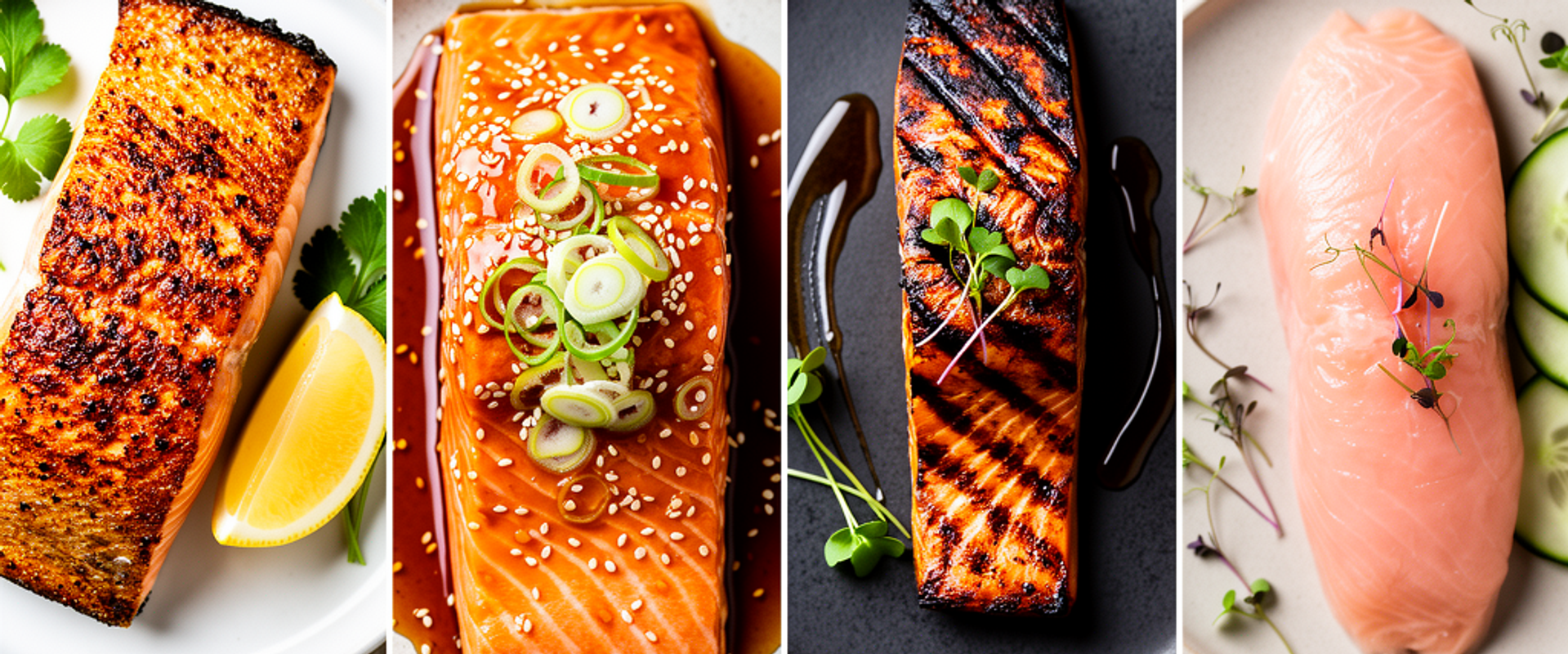
Salmon is a culinary superstar for good reason. It is incredibly versatile, cooks in minutes, and is packed with bioavailable nutrients that your body thrives on. In this guide, we are going to break down the science of cooking salmon four foolproof ways: pan-seared, baked, broiled, and poached. We will cover exact temperatures, specific timings, and the culinary science behind why these methods work. Plus, we will look at three simple sauces and complete meal ideas to bring it all together.
The Nutritional Powerhouse on Your Plate
Before we turn on the stove, let us talk about why salmon deserves a regular spot in your meal rotation. A standard portion of salmon is about 4 to 6 ounces (113 to 170 grams), which provides roughly 25 to 30 grams of high-quality protein. Protein is essential for tissue repair, immune function, and keeping you comfortably satisfied between meals.
But salmon's true claim to fame is its lipid profile. The American Heart Association recommends eating two servings of fatty fish per week, largely due to the presence of EPA and DHA—two types of marine omega-3 fatty acids. Research published in the Journal of the American College of Cardiology consistently highlights that EPA and DHA support cardiovascular health by helping to regulate triglyceride levels and calm systemic inflammation.
Furthermore, wild-caught and responsibly farmed salmon contain astaxanthin, the antioxidant pigment that gives the fish its signature pinkish-orange hue. Studies suggest astaxanthin supports cellular health and skin elasticity. Add in a robust dose of Vitamin D, Vitamin B12, and selenium, and you have a deeply nourishing protein source.
The Culinary Science of Cooking Salmon
To cook salmon perfectly, you need to understand what happens to it when exposed to heat. Have you ever noticed the white, gooey substance that seeps out of salmon as it cooks? That is called albumin. Albumin is a liquid protein present in raw fish. As the muscle fibers heat up and contract, they squeeze this liquid out, which then coagulates and turns white on the surface.
While albumin is completely safe to eat, a massive amount of it usually indicates one thing: the fish was cooked too quickly at too high of a temperature, or it is overcooked.
The Golden Rule of Temperature
The FDA recommends cooking seafood to an internal temperature of 145°F (63°C). However, from a culinary standpoint, many chefs and home cooks find salmon cooked to 145°F to be dry and flaky to the point of turning chalky.
For a moist, tender, medium-cooked center, aim to pull your salmon off the heat when an instant-read meat thermometer registers between 120°F and 125°F (49°C to 52°C) in the thickest part of the fillet. Because of "carryover cooking"—the residual heat that continues to cook the food after it is removed from the heat source—the internal temperature will rise another 3 to 5 degrees while it rests. Always let your salmon rest for 3 to 5 minutes before cutting into it.
Now, let us dive into the four foolproof methods.
Method 1: Pan-Seared (For Crispy Skin and Contrast)
Pan-searing is the ultimate method for texture lovers. It yields a restaurant-quality crispy skin and a tender, buttery interior.
The Science: Searing relies on the Maillard reaction, a chemical reaction between amino acids and reducing sugars that gives browned food its distinctive flavor. To achieve this, moisture is your enemy. You must start with a dry fillet.
Best for: Center-cut fillets with the skin on.
How to do it:
- Prep: Remove the salmon from the fridge 15 minutes before cooking. Thoroughly pat the fillets completely dry with paper towels. Season generously with kosher salt and black pepper just before cooking.
- Heat: Place a stainless steel or cast-iron skillet over medium-high heat. Add 1 tablespoon of a high-smoke-point oil, such as avocado oil. Wait until the oil is shimmering and just barely beginning to smoke.
- Sear: Place the salmon skin-side down. Do not touch it. Press down gently with a flexible spatula for the first 10 seconds to prevent the skin from curling. Let it cook undisturbed for 4 to 5 minutes. You will see the flesh turning opaque from the bottom up.
- Flip: When the salmon naturally releases from the pan (the skin should not stick if it is crispy) and the flesh is opaque about 3/4 of the way up, carefully flip it.
- Finish: Cook on the flesh side for just 1 to 2 minutes. Remove at 120°F-125°F and let rest.
Method 2: Baked (Gentle, Even, and Hands-Off)
Baking is the most forgiving method, making it ideal for beginners, meal prepping, or cooking for a crowd. It provides an even, gentle heat that minimizes the release of albumin.
The Science: Baking surrounds the fish with ambient heat, cooking it evenly from all sides. Because the heat is less direct than a stovetop pan, you have a wider margin of error before the fish dries out.
Best for: Large sides of salmon, meal prep batches, or skinless fillets.
How to do it:
- Prep: Preheat your oven to 400°F (200°C). Line a rimmed baking sheet with parchment paper for easy cleanup.
- Season: Place the salmon fillets (about 5 ounces each) on the parchment. Lightly brush or rub each piece with 1 teaspoon of extra virgin olive oil. Season with salt, pepper, and your favorite dried herbs (like dill or oregano).
- Bake: Place in the center of the oven. Bake for 10 to 14 minutes, depending on the thickness of the fillet.
- Check: The salmon is ready when it flakes easily with a fork at the edges but still retains a slight translucency in the very center (or hits that 120°F-125°F mark).
Pro-Tip: For a melt-in-your-mouth texture, try "slow baking." Drop the oven temperature to 275°F (135°C) and bake for 25 to 30 minutes. This ultra-gentle method practically eliminates albumin release and results in incredibly silky fish.
Method 3: Broiled (Quick, Caramelized, and Sweet)
Broiling is essentially upside-down grilling. It uses intense, direct infrared heat from the top of the oven. This method is incredibly fast and is the absolute best choice if you are using a marinade or glaze that contains natural sugars (like maple syrup or orange juice), as the high heat caramelizes the sugars beautifully.
The Science: The intense, localized heat creates rapid surface browning. Because the heat is so high, it cooks the outside very quickly, meaning you need to watch it closely to prevent burning or overcooking the interior.
Best for: Glazed salmon, thin fillets, or days when you have exactly 10 minutes to make dinner.
How to do it:
- Prep: Move your oven rack so it is about 5 to 6 inches away from the broiler element. Turn the broiler to HIGH. Line a sheet pan with heavy-duty aluminum foil (parchment will burn under the broiler).
- Season: Place the fillets on the foil. Brush generously with your glaze or simply use olive oil, salt, and spices.
- Broil: Place under the broiler. Cook for 7 to 10 minutes. Do not walk away. Keep a close eye on the fish.
- Finish: You want the top to be beautifully caramelized and slightly charred at the edges. If the top is browning too quickly before the center is cooked, move the pan down one rack.
Method 4: Poached (Tender, Moist, and Odor-Free)
Poaching involves gently simmering the fish in a flavorful liquid. Because the cooking temperature never exceeds the boiling point of water (212°F/100°C), it is nearly impossible to severely overcook the fish, making it incredibly moist.
The Science: Water conducts heat more efficiently than air, but because we keep the liquid below a boil, the heat transfer is incredibly gentle. This protects the delicate polyunsaturated omega-3 fats and prevents the muscle fibers from seizing up.
Best for: Cold salmon salads, delicate digestion, or cooking fish without filling your kitchen with a "fishy" smell.
How to do it:
- Prep the Liquid: In a wide skillet with high sides, create a "court bouillon" (a quick, flavorful broth). Combine 4 cups of water, a splash of dry white wine or 2 tablespoons of white wine vinegar, half a sliced lemon, a few sprigs of fresh parsley, and a teaspoon of whole black peppercorns.
- Heat: Bring the liquid to a gentle simmer, then reduce the heat to low. You want the water to be barely bubbling (around 160°F to 170°F).
- Poach: Gently slide the salmon fillets into the liquid. The liquid should just barely cover the fish.
- Cook: Cover the skillet and let it cook for 8 to 10 minutes. Carefully remove the fish with a slotted spatula. It will be incredibly tender and practically melt in your mouth.
3 Perfect Pairing Sauces
Now that you have perfectly cooked salmon, let us elevate the flavor. These three sauces are built on nutrient-dense, whole-food ingredients that enhance the fish without overpowering it.
1. Lemon-Herb Yogurt Dill Sauce
This sauce provides a brilliant, acidic contrast to the richness of the salmon. Greek yogurt offers a creamy base packed with calcium and probiotics, without the heavy feeling of traditional mayonnaise-based tartar sauces.
- Ingredients: 1/2 cup whole milk plain Greek yogurt, 1 tablespoon fresh lemon juice, 2 tablespoons finely chopped fresh dill, 1/2 teaspoon garlic powder, a pinch of sea salt.
- Method: Stir everything together in a small bowl. Let it sit for 10 minutes for the flavors to meld.
- Best Paired With: Baked or Poached salmon.
2. Umami Soy-Ginger Glaze
This glaze brings sweet, salty, and savory notes that caramelize beautifully. Ginger contains gingerol, a compound known for its anti-inflammatory properties and digestive support.
- Ingredients: 2 tablespoons low-sodium soy sauce (or tamari for gluten-free), 1 tablespoon maple syrup, 1 teaspoon toasted sesame oil, 1 teaspoon freshly grated ginger, 1 clove minced garlic.
- Method: Whisk together. Brush over the salmon before and halfway through cooking.
- Best Paired With: Broiled salmon.
3. Creamy Avocado Cilantro Lime Sauce
Avocado provides monounsaturated fats and fiber, creating a rich, vibrant green sauce that pairs gorgeously with crispy fish.
- Ingredients: 1/2 ripe avocado, 1/4 cup fresh cilantro leaves, juice of 1 lime, 1 tablespoon olive oil, a pinch of salt, and 2-3 tablespoons of water to thin.
- Method: Blend in a small food processor or mash the avocado aggressively and whisk the liquids in until smooth.
- Best Paired With: Pan-Seared salmon.
Putting It All Together: Actionable Meal Ideas
Building a balanced plate does not require a culinary degree. When planning a meal, aim for a source of high-quality protein (your salmon), a complex carbohydrate for sustained energy, and plenty of colorful fiber. Here is how you can use these methods tonight:
- The 20-Minute Power Bowl: Pan-sear a 5-ounce salmon fillet. Serve it over 1/2 cup of cooked quinoa (a great source of complete plant protein and fiber). Add a handful of roasted asparagus spears, and generously drizzle with the Creamy Avocado Cilantro Lime Sauce.
- The Comforting Classic: Bake your salmon at 400°F. Pair it with 1/2 cup of roasted sweet potato cubes (rich in beta-carotene) and steamed green beans. Top the salmon with a dollop of the Lemon-Herb Yogurt Dill Sauce.
- The Takeout Swap: Broil your salmon using the Umami Soy-Ginger Glaze. Serve alongside 1/2 cup of cooked brown rice and 1 cup of sautéed bok choy or spinach. Finish with a sprinkle of sesame seeds.
- The Refreshing Salad: Flake a chilled, poached salmon fillet over 2 to 3 cups of mixed dark leafy greens. Add cherry tomatoes, cucumber slices, and a tablespoon of pumpkin seeds. Dress with a simple olive oil and lemon vinaigrette.
Your Practical Takeaway
Cooking healthy, nourishing meals should feel empowering, not exhausting. If you take away only one thing from this guide, let it be this: invest in an instant-read meat thermometer.
Taking your salmon off the heat at 120°F to 125°F is the single most effective way to guarantee tender, delicious fish every single time, regardless of the cooking method you choose. By pairing these simple, science-backed cooking techniques with vibrant, whole-food sauces and balanced sides, you can enjoy restaurant-quality, heart-healthy meals right in your own kitchen.