One-Pot Meals: 8 Complete Dinners with Minimal Cleanup and Maximum Nutrition
Discover 8 nutrient-dense, science-backed one-pot meals that minimize cleanup and maximize flavor. Learn how to build balanced dinners to simplify your weeknights without stressing over complicated nutrition advice.

If you are trying to eat better, the sheer volume of conflicting nutrition advice can feel paralyzing. One expert says to eat more plants; another says to prioritize protein; a third insists you need to cook everything from scratch. Add the exhaustion of a long workday and the looming dread of a sink full of dirty dishes, and it is no wonder we so often reach for a takeout menu.
Let's take a deep breath and simplify.
As a nutrition professional, I am here to tell you that eating well does not require a culinary degree, a pristine kitchen, or a twelve-step recipe. In fact, some of the most nutritionally sound meals you can make require exactly one piece of cookware.
Let's explore the science of why one-pot cooking is a brilliant strategy for your health, the anatomy of a balanced meal, and eight specific, hearty one-pot recipes that you can easily incorporate into your weekly rotation.
The Unexpected Nutrition Science of One-Pot Cooking
One-pot meals are not just a win for your dish soap budget; they are actually a fantastic way to maximize the nutritional value of your food.
First, there is the issue of nutrient retention. When you boil vegetables in a standard pot of water and drain them, you pour a significant portion of water-soluble vitamins (like Vitamin C and the B-complex vitamins) straight down the drain. Research published in the Journal of Agricultural and Food Chemistry shows that cooking methods where the cooking liquid is consumed—like soups, stews, and one-pot rice or pasta dishes—help retain up to 100% of these leached nutrients because they are absorbed right back into the sauce or grains.
Second, one-pot meals naturally encourage ingredient synergy. Nutrition science shows that certain nutrients absorb better when eaten together. For example, the Vitamin C in tomatoes dramatically increases your body's ability to absorb plant-based iron from beans and lentils. Cooking them together in one pot allows these chemical reactions to happen effortlessly.
Finally, we cannot ignore the psychological benefits. The American Psychological Association notes that chronic stress—including decision fatigue around meal times—can elevate cortisol levels, which negatively impacts digestion and can drive us toward less nourishing food choices. By reducing the friction of cooking and cleaning, one-pot meals lower mealtime stress, making consistent, nourishing eating more sustainable.
The Anatomy of a Balanced One-Pot Meal
To build a one-pot meal that keeps your blood sugar stable and your energy up, you do not need to obsessively track macros. Just aim to include these four components in your pot:
- Protein: Aim for 20 to 30 grams per serving. This could be 4 ounces of chicken, fish, or tofu, or a hearty cup of beans or lentils. Protein is essential for tissue repair and promotes a feeling of fullness.
- Fiber-Rich Carbohydrates: Think 1/2 to 1 cup (cooked) of whole grains (brown rice, quinoa, oats), starchy vegetables (sweet potatoes, squash), or legumes. Carbohydrates are your brain's preferred energy source; the fiber slows down their absorption for steady energy.
- Vegetables: Add at least 1 to 2 cups of vegetables per person. They provide essential vitamins, minerals, and antioxidants, plus extra volume to keep you satisfied.
- Healthy Fats: About 1 to 2 tablespoons per serving of olive oil, avocado, nuts, seeds, or the natural fats found in salmon. Fats are necessary for absorbing fat-soluble vitamins (A, D, E, and K) and adding flavor.
8 Complete One-Pot Dinners
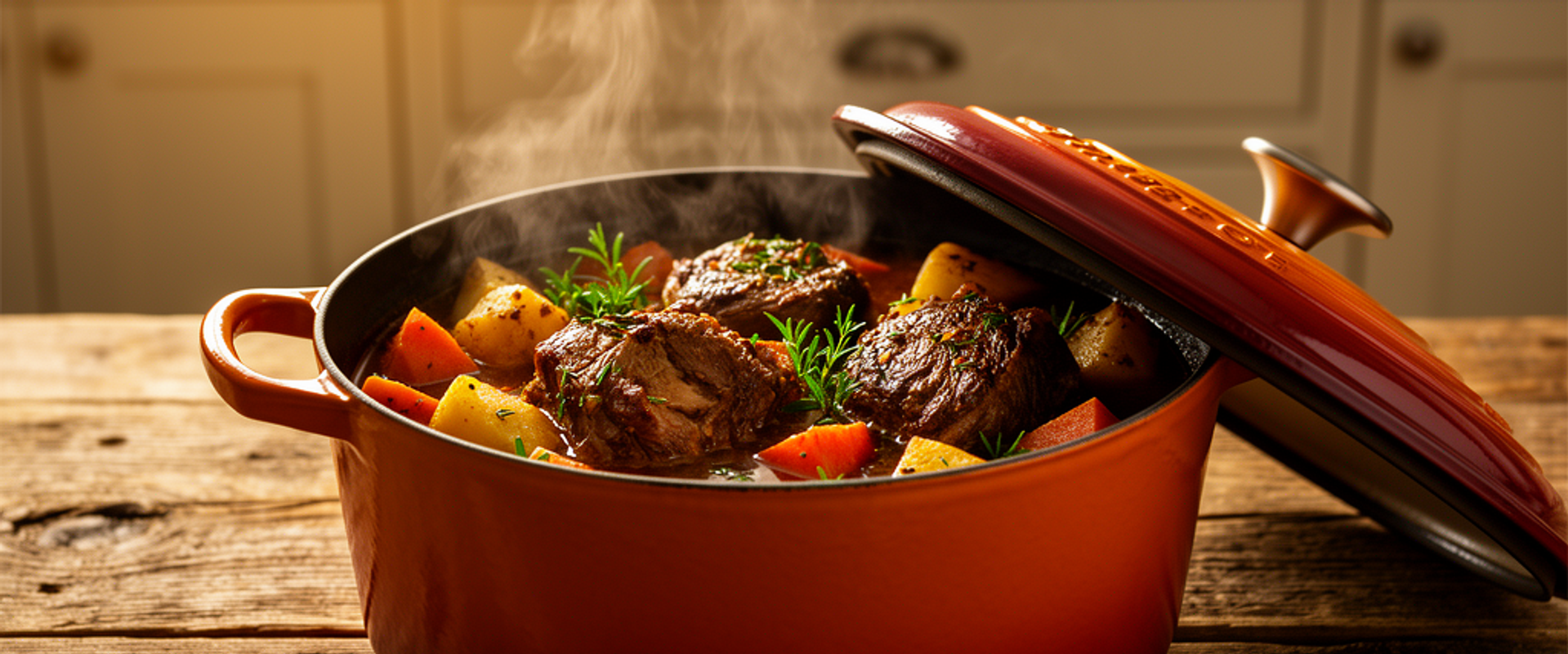
Here are eight flexible, nutrient-dense one-pot meals. You can cook these in a large Dutch oven, a deep skillet, or a heavy-bottomed soup pot.
1. Lemon-Herb Chicken and Brown Rice Pilaf
This classic combination is incredibly satisfying and provides a wonderful balance of lean protein and complex carbohydrates.
- The Method: Sauté 1 pound of diced chicken breast in 1 tablespoon of olive oil until lightly browned. Stir in 1 cup of rinsed brown rice, 1 diced onion, and 2 cups of chopped broccoli florets. Add 2.5 cups of low-sodium chicken broth, the zest and juice of one lemon, and a pinch of salt. Bring to a boil, cover, reduce heat to low, and simmer for 40-45 minutes until the rice is tender.
- Nutritionist's Note: Brown rice is rich in magnesium, a mineral that plays a role in over 300 enzymatic reactions in the body, including muscle and nerve function. The lemon juice provides Vitamin C, which helps your body absorb the non-heme iron from the broccoli.
2. Vegetarian Black Bean and Sweet Potato Chili
Chili is the ultimate dump-and-simmer meal, packed with plant-based protein and gut-friendly fiber.
- The Method: Sauté 1 diced onion and 1 diced bell pepper in olive oil. Add 2 tablespoons of chili powder and 1 teaspoon of cumin. Stir in 2 cans of rinsed black beans, 1 large sweet potato (peeled and diced into 1/2-inch cubes), and 1 large can (28 oz) of crushed tomatoes. Add 1 cup of vegetable broth. Simmer for 25-30 minutes until the sweet potatoes are fork-tender. Top with a slice of avocado.
- Nutritionist's Note: Sweet potatoes are an incredible source of beta-carotene, which your body converts to Vitamin A—crucial for eye health and immune function. Because Vitamin A is fat-soluble, topping your chili with a healthy fat like avocado ensures you actually absorb those benefits.
3. One-Pot Pasta Primavera with Chickpea Pasta
Yes, you can cook pasta right in its own sauce! The starch releases into the liquid, creating a naturally creamy texture without heavy cream.
- The Method: Into a large pot, add 8 ounces of dry chickpea or lentil pasta, 1 pint of halved cherry tomatoes, 1 sliced zucchini, 3 cloves of minced garlic, 2 tablespoons of olive oil, and 4 cups of vegetable broth. Bring to a boil, stirring frequently so the pasta doesn't stick. Cook for 10-12 minutes until the liquid reduces to a sauce and the pasta is al dente. Stir in 2 cups of fresh spinach at the very end until wilted.
- Nutritionist's Note: Swapping traditional wheat pasta for a legume-based pasta instantly bumps the protein content to about 11-15 grams per serving and significantly increases the dietary fiber, keeping your blood sugar much more stable than standard refined pasta.
4. Mushroom and Pea Arborio Risotto
Risotto has a reputation for being fussy, but it is fundamentally a simple, nourishing one-pot dish.
- The Method: Sauté 8 ounces of sliced cremini mushrooms and 1 diced shallot in olive oil until the mushrooms release their moisture. Stir in 1 cup of arborio rice and toast for 1 minute. Add 4 cups of warm chicken or vegetable broth—you can add it all at once for a lower-maintenance version, or ladle by ladle. Simmer while stirring occasionally for 20 minutes. In the last 2 minutes, stir in 1 cup of frozen peas and 1/4 cup of grated Parmesan cheese.
- Nutritionist's Note: Mushrooms are one of the few food sources of ergothioneine, a unique and potent antioxidant that helps protect your cells from oxidative stress. Frozen peas are a highly underrated source of plant protein, offering about 8 grams per cup.
5. Mediterranean Quinoa Skillet with Chickpeas
Quinoa cooks quickly and is one of the few plant foods that contain all nine essential amino acids.
- The Method: In a skillet, toast 1 cup of rinsed quinoa with 1 teaspoon of dried oregano and 2 cloves of minced garlic. Add 1 can of rinsed chickpeas, 1 cup of diced roasted red peppers (from a jar is fine!), and 2 cups of broth. Simmer covered for 15 minutes. Remove from heat, fluff with a fork, and stir in 1/4 cup of Kalamata olives and a sprinkle of feta cheese.
- Nutritionist's Note: This meal leans heavily into the principles of the Mediterranean dietary pattern, which is consistently ranked by researchers as one of the most effective approaches for long-term cardiovascular health. The combination of olive oil, legumes, and whole grains provides a stellar mix of soluble fiber and monounsaturated fats.
6. Spiced Red Lentil and Spinach Stew
Red lentils are a weeknight lifesaver because they break down quickly, creating a thick, comforting stew in under 30 minutes.
- The Method: Sauté 1 diced onion, 1 tablespoon of grated fresh ginger, and 3 cloves of garlic. Add 1 teaspoon each of turmeric, cumin, and coriander. Stir in 1 cup of dry red lentils, 1 can of diced tomatoes, and 3 cups of broth. Simmer for 20 minutes until the lentils are completely soft. Turn off the heat and stir in 3 big handfuls of baby spinach and a squeeze of lime juice.
- Nutritionist's Note: Turmeric contains curcumin, a compound with well-documented anti-inflammatory properties. However, curcumin is notoriously difficult for the body to absorb. Be sure to add a pinch of black pepper to the pot; piperine (the active compound in black pepper) enhances curcumin absorption by up to 2000%.
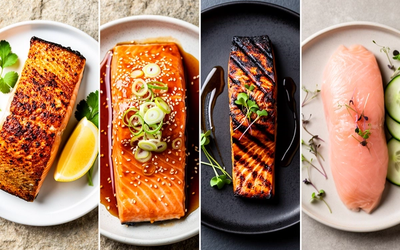
7. Coconut Curry Salmon and Bok Choy
Cooking fish in a flavorful broth keeps it incredibly tender and prevents it from drying out.
- The Method: In a wide pot, whisk together 1 can of light coconut milk, 2 tablespoons of red curry paste, 1 tablespoon of soy sauce (or tamari), and 1 cup of broth. Bring to a gentle simmer. Add 2 cups of chopped baby bok choy and simmer for 3 minutes. Gently nestle four 4-ounce salmon fillets into the liquid. Cover and simmer gently for 5-7 minutes until the salmon flakes easily with a fork.
- Nutritionist's Note: Salmon is a premier source of EPA and DHA, the omega-3 fatty acids that are vital for brain health and heart function. The American Heart Association recommends eating two servings of fatty fish per week, and this gentle poaching method is a foolproof way to prepare it.
8. Turkey and Cabbage Roll Soup
Get all the flavor of traditional stuffed cabbage rolls with a fraction of the effort.
- The Method: Brown 1 pound of lean ground turkey in a large pot. Add 1 diced onion, 2 diced carrots, and 2 cloves of garlic. Pour in 1 large can (28 oz) of crushed tomatoes, 4 cups of beef or chicken broth, 1/2 cup of uncooked white rice, and 4 cups of roughly chopped green cabbage. Bring to a boil, then reduce to a simmer and cook covered for 20-25 minutes until the rice and cabbage are tender.
- Nutritionist's Note: Cabbage is a cruciferous vegetable, part of the same family as broccoli and Brussels sprouts. It is rich in glucosinolates, sulfur-containing compounds that research suggests may help protect cells from DNA damage. Ground turkey provides a highly bioavailable source of complete protein to support muscle maintenance.
Make It Work For You: Practical Swaps
The beauty of the one-pot meal is its flexibility. Do not let a missing ingredient stop you from cooking.
- Out of spinach? Use kale, Swiss chard, or even frozen peas.
- Don't have brown rice? You can swap in quinoa or farro, but be mindful of cooking times (quinoa takes about 15 minutes, while farro and brown rice take 40+ minutes).
- Vegetarian? Swap chicken or turkey for a can of white beans, chickpeas, or cubed firm tofu.
Your Practical Takeaway
Eating well doesn't have to mean spending hours in the kitchen or scrubbing a mountain of pots and pans. By combining your proteins, complex carbohydrates, vegetables, and healthy fats into a single vessel, you create meals that are deeply flavorful, nutritionally complete, and incredibly easy to clean up.
Your action step: Pick just one of these recipes that sounds good to you right now. Check your pantry to see what ingredients you already have, add the missing items to your grocery list, and commit to making it one night this week. You might just find that simplifying your cooking process is the secret to consistency you have been looking for.