beginner2 min read
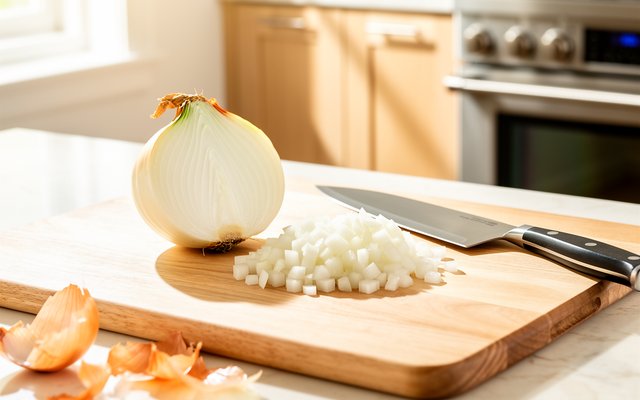
How to Dice an Onion in 30 Seconds
The classic three-cut method that professional chefs use to dice onions quickly and uniformly every time.
Practical tips, techniques, and hacks to level up your cooking skills. From knife skills to food storage, master the fundamentals.
Master essential cutting techniques, learn to care for your blades, and work faster and safer in the kitchen.
The classic three-cut method that professional chefs use to dice onions quickly and uniformly every time.
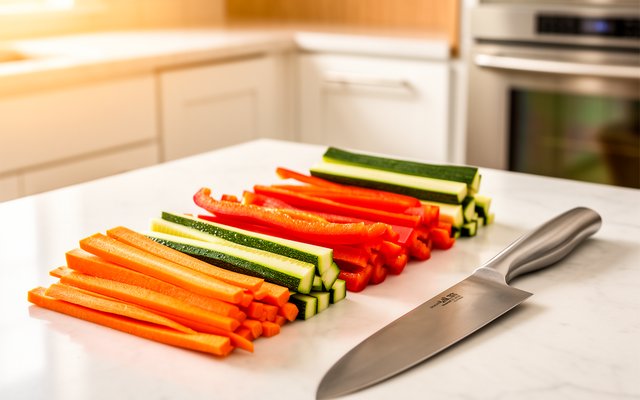
Turn carrots, peppers, and zucchini into perfect matchstick strips for stir-fries, salads, and garnishes.
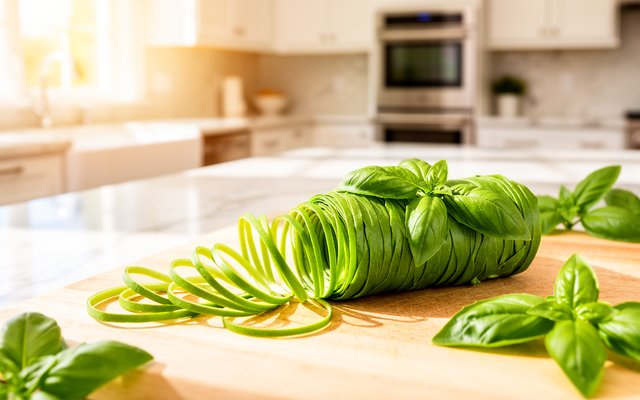
Stack, roll, and slice leafy herbs into beautiful thin ribbons for garnishes and finishing touches.
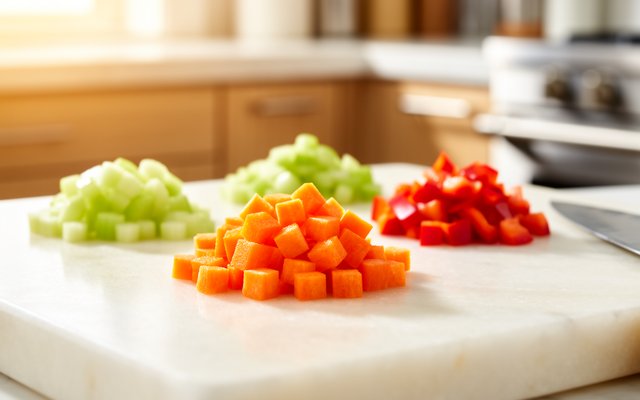
Learn to cut vegetables into perfectly tiny 3mm cubes used in fine sauces, stuffings, and restaurant-style garnishes.
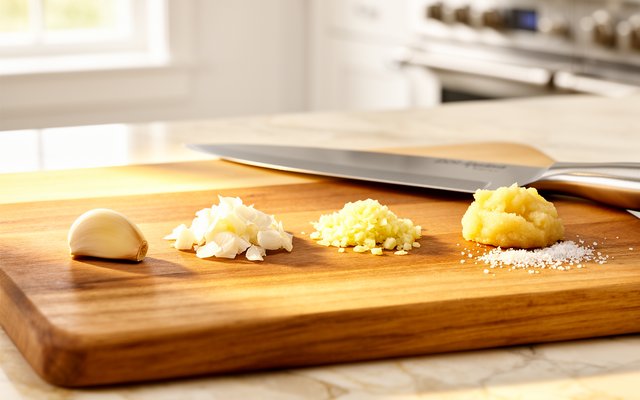
A simple knife-only technique that produces finer garlic than any press, with better flavor and less cleanup.
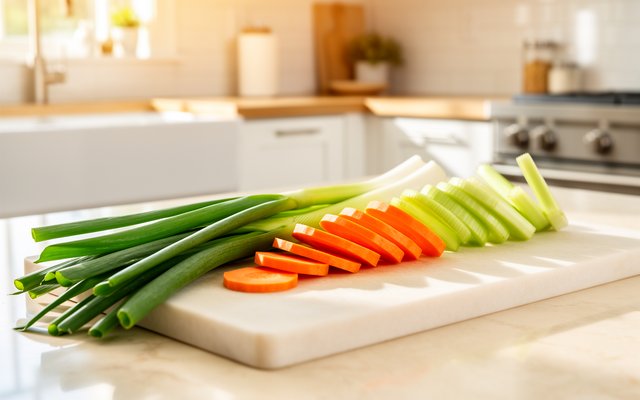
Cutting vegetables on the diagonal exposes more surface area for faster cooking and better sauce absorption.
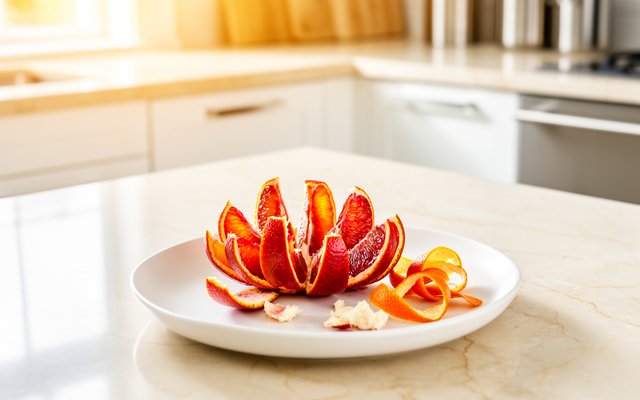
Remove pith and membrane from oranges and grapefruits to get clean, jewel-like citrus segments.
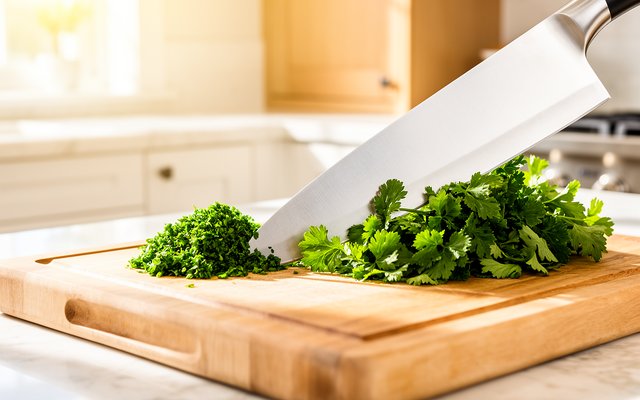
Master the rocking knife motion used by chefs to chop herbs, garlic, and nuts at speed.
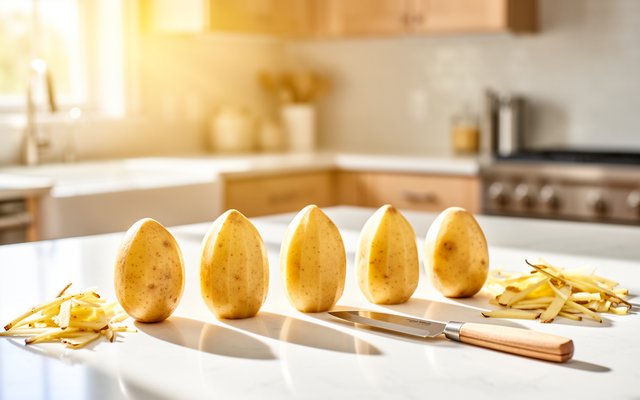
A classic French technique to turn root vegetables into elegant seven-sided barrel shapes.
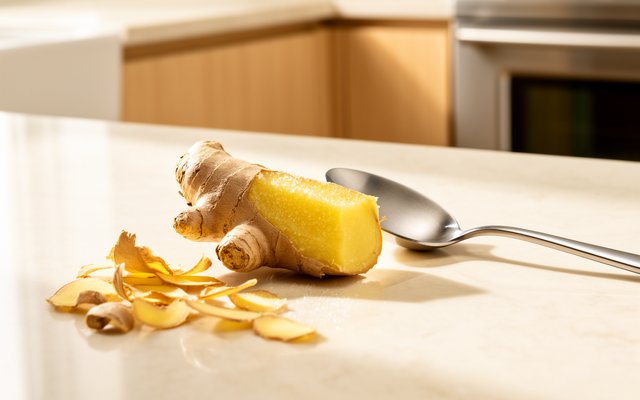
A spoon follows ginger bumpy contours better than any peeler, removing only the thinnest layer of skin.
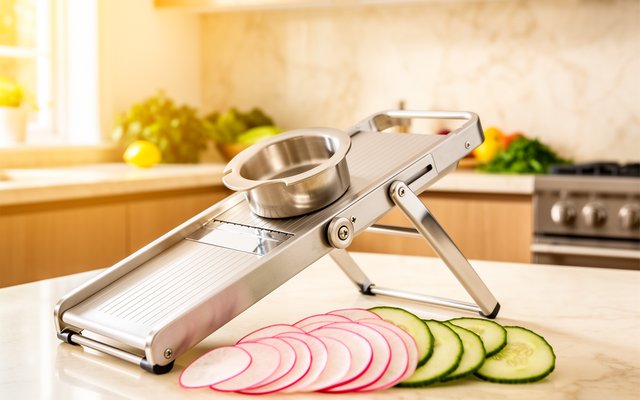
Get paper-thin, perfectly uniform slices from a mandoline safely using the right guard technique.
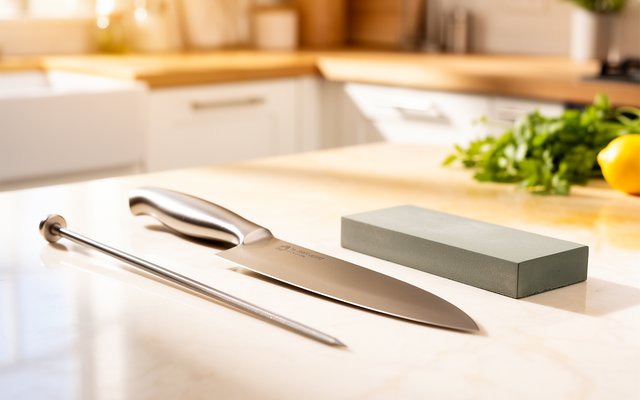
One straightens the edge, the other removes metal. Most people confuse them.
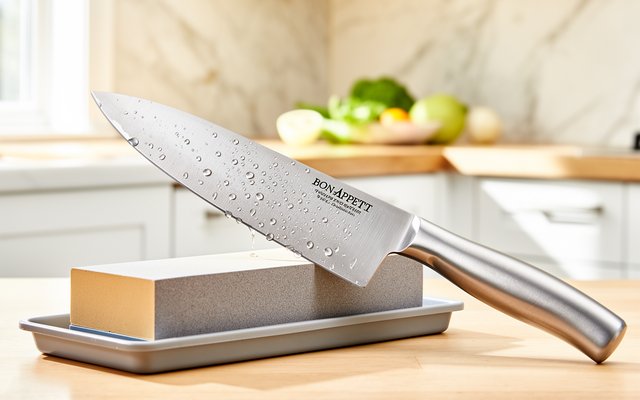
A step-by-step guide to sharpening your knives on a whetstone — the method used by professionals worldwide.
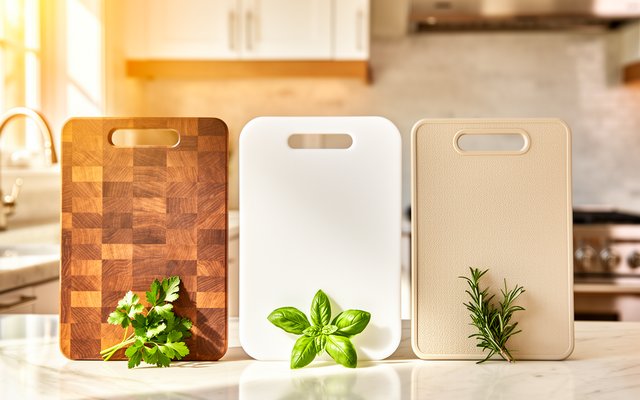
Glass and bamboo boards destroy your edge. Here is what to actually use and why.
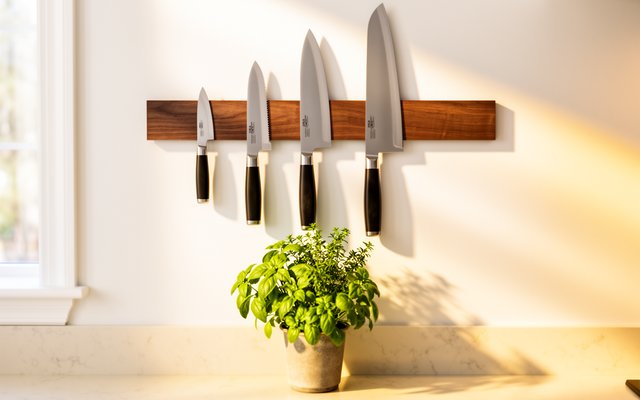
Tossing knives in a drawer is the fastest way to dull them. Proper storage protects edge and fingers.
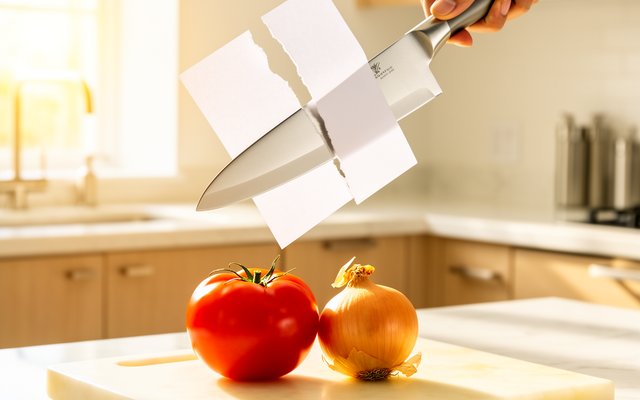
Quick tests from paper slicing to tomato gliding that tell you when your knife needs attention.
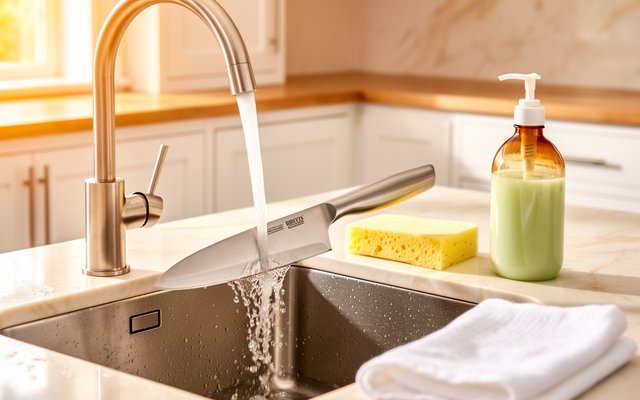
The dishwasher is the single worst thing you can do to a good knife.
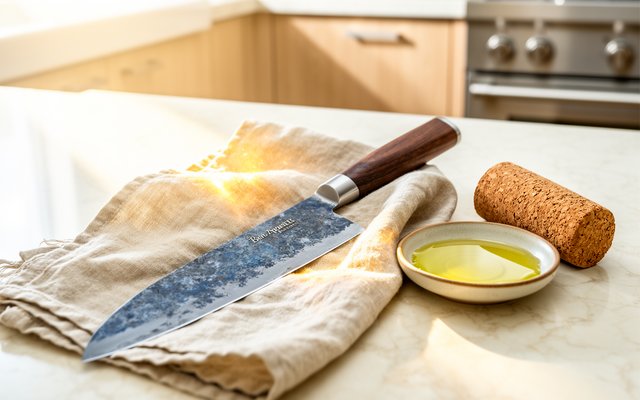
Carbon steel gets sharper than stainless but needs more care. Learn to build a protective patina.
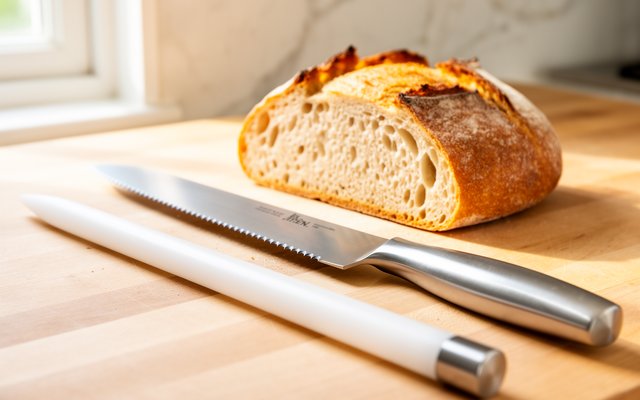
Serrated knives can be sharpened with a tapered ceramic rod and patience.
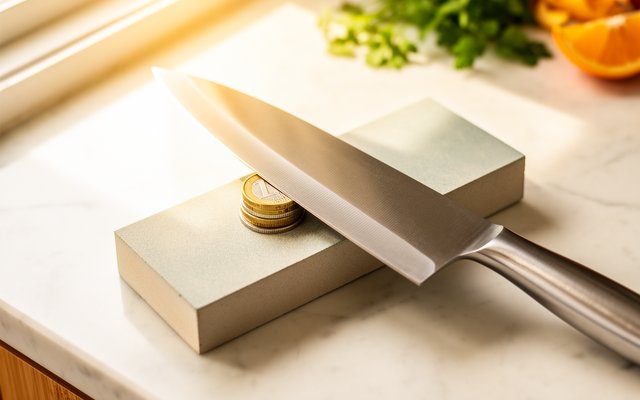
Japanese knives use 15 degrees, German knives use 20 degrees — match the angle to your blade.
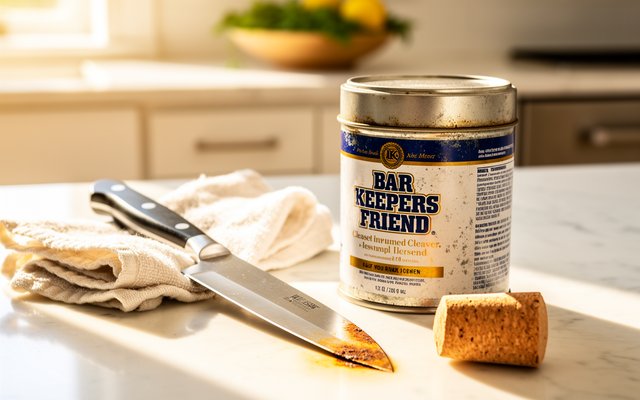
Surface rust does not mean your knife is ruined — here is how to restore it in minutes.
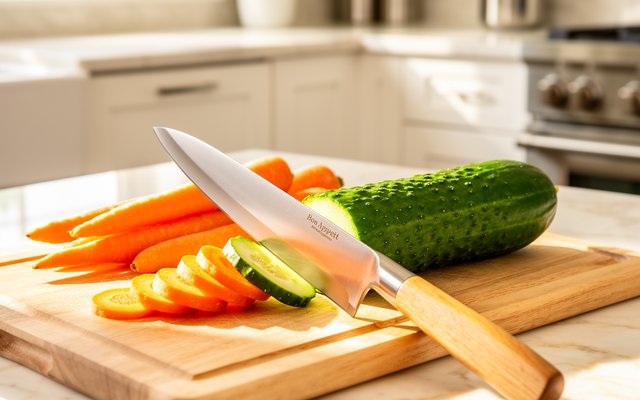
Curl your fingertips inward and let your knuckles guide the blade — the single most important safety technique.
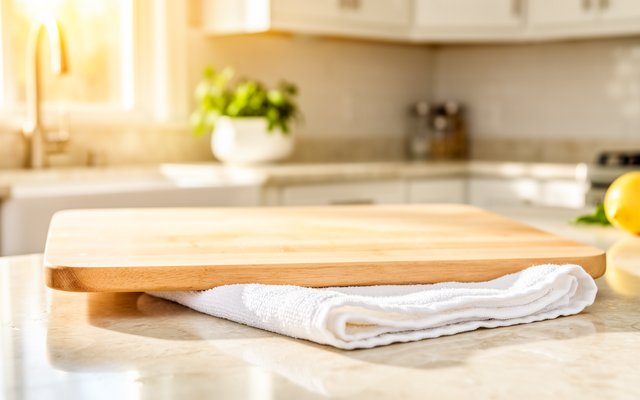
A sliding board is dangerous. Use this one-second hack to lock it in place.
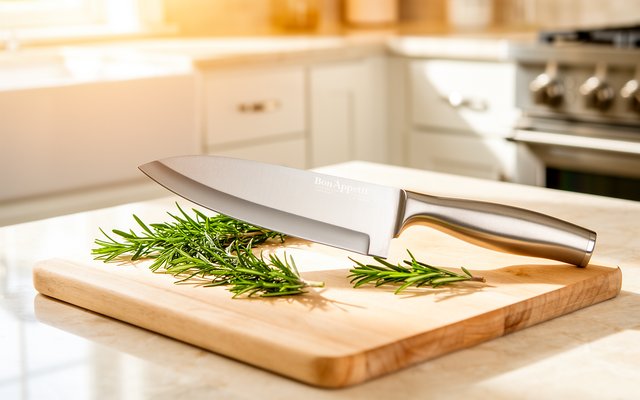
Most home cooks grip the handle like a hammer. The pinch grip gives far more control and less fatigue.
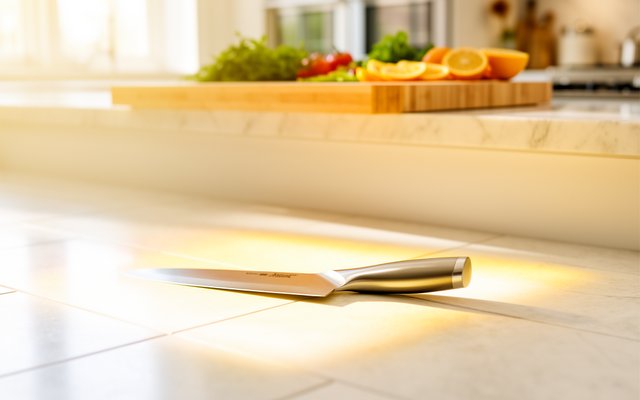
Never try to catch a falling knife. Step back and let it drop.
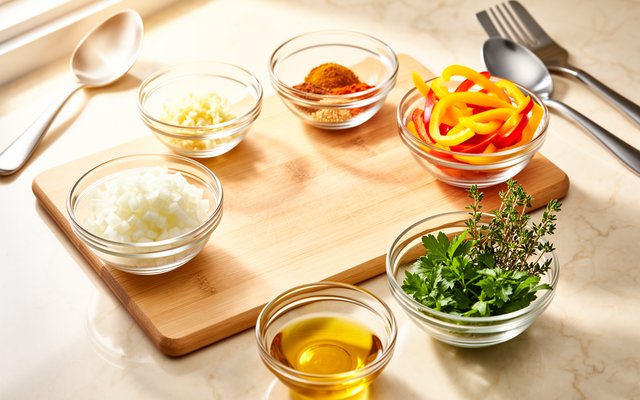
The French principle of everything in its place is the single biggest hack for cooking faster and better.
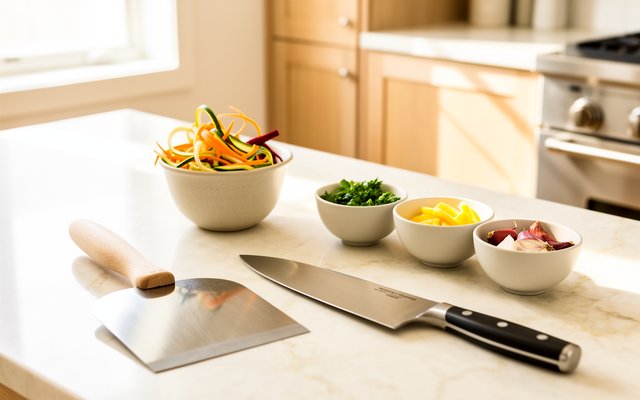
Professional speed is about working smart, not just cutting fast.
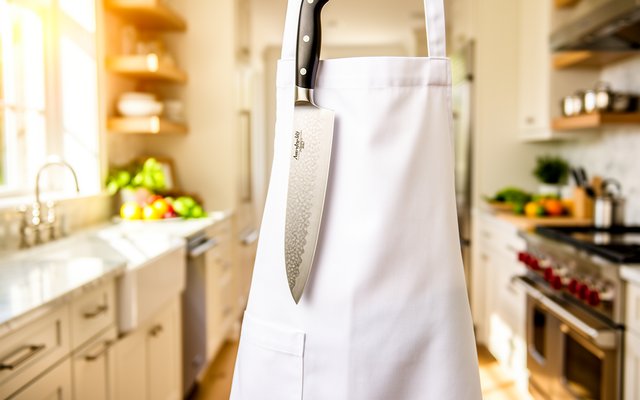
Hold it blade-down at your side and announce behind.
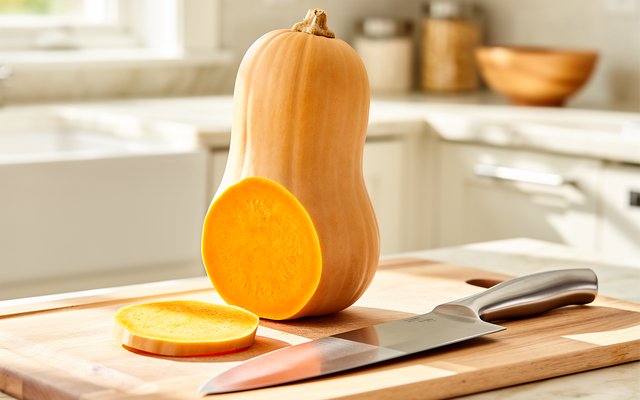
Create a flat surface first. This simple step prevents dangerous rolling.
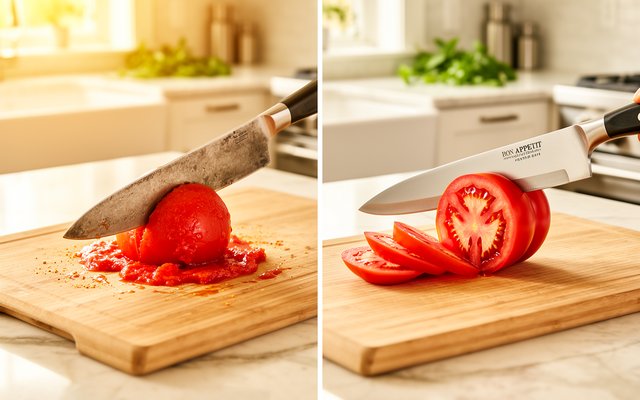
Dull knives cause more injuries because they require more force and slip unpredictably.
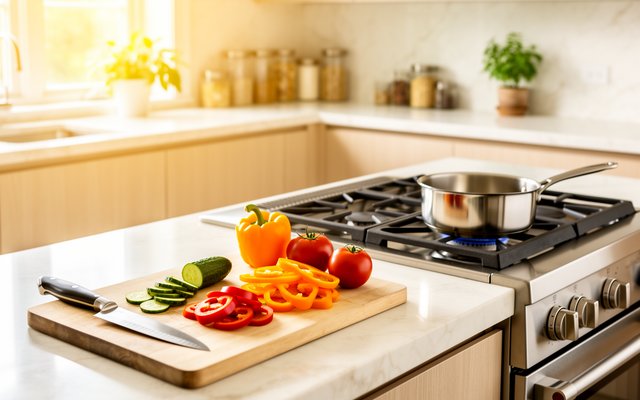
Most instructions assume right-handedness. Here are specific adjustments for lefties.