Grocery Shopping on a Budget: How to Eat Healthy for $50 a Week
Eating well doesn't have to drain your bank account. Discover science-backed strategies, a realistic $50 weekly grocery list, and easy meal ideas to nourish your body without breaking the budget.

If you have been to a grocery store recently, you have likely felt the sticker shock. With the rising cost of living, many people feel that eating nutritious, health-promoting foods is a luxury they simply cannot afford. Social media doesn't help, often pushing the narrative that "healthy eating" requires $15 adaptogen powders, organic out-of-season berries, and grass-fed meat shipped in dry ice.
As a nutrition professional, I am here to tell you a science-backed truth: your body does not know the difference between a trendy, expensive superfood and a humble, budget-friendly staple. Nutrient density—the amount of vitamins, minerals, fiber, and protein per calorie—is not tied to a high price tag.
Eating well on a tight budget is entirely possible, but it requires a shift in how we shop. Today, we are going to break down exactly how to nourish yourself fully and deliciously for just $50 a week.
The Science of Budget Nutrition
Before we hit the aisles, let's clear up some confusing nutrition advice. You do not need to buy 100% organic, fresh produce to be healthy. In fact, research consistently shows that conventional produce provides the same essential macronutrients and micronutrients as organic varieties.
Furthermore, frozen and canned produce are nutritional powerhouses. Studies have demonstrated that vegetables flash-frozen shortly after harvest often retain more vitamin C and antioxidants than fresh vegetables that have spent a week in transit and another week wilting in your crisper drawer.
When we build a budget-friendly diet, we focus on foods that offer the highest nutritional return on investment. This means prioritizing fiber-rich complex carbohydrates (like oats and beans), versatile proteins (like eggs and tofu), and healthy fats (like peanut butter and cooking oils). These foods provide sustained energy, support a healthy gut microbiome, and keep you satisfied.
Strategic Shopping 101: Navigating the Aisles
To keep your weekly bill at $50, you have to shop strategically. Here are the core rules of budget grocery shopping.
1. Embrace Store Brands
Many shoppers hesitate to buy store-brand (private label) products, assuming they are lower quality. However, the FDA requires store brands to meet the exact same safety and nutritional standards as name brands. In many cases, the store brand is manufactured in the exact same facility as the premium brand, just with a different label. Swapping to store brands can save you 20% to 30% on your total bill.
2. The Aldi and Walmart Advantage
Where you shop matters as much as what you buy. Traditional supermarkets have high overhead costs, elaborate displays, and thousands of products (SKUs). Budget grocers like Aldi and Walmart operate differently. Aldi, for example, stocks fewer items, requires you to bag your own groceries, and displays food in its original shipping boxes. These operational efficiencies keep their overhead incredibly low, and those savings are passed directly to you. If you have access to a discount grocer, make it your primary stop.
3. Shop the "Loss Leaders"
Grocery stores frequently advertise heavily discounted items on the front page of their weekly flyers. These are called "loss leaders." The store actually loses money on these items, but they price them cheaply to get you through the doors, hoping you will buy high-margin items while you are there. Check the weekly ads, buy the loss leader (often things like chicken drumsticks, seasonal apples, or eggs), and ignore the expensive end-cap displays.
4. Look at the Unit Price
Don't just look at the final price tag; look at the "price per ounce" or "price per pound" listed in the corner of the shelf tag. This is the only accurate way to compare the true cost of different sizes and brands.
A Realistic $50 Weekly Grocery List (For One Person)
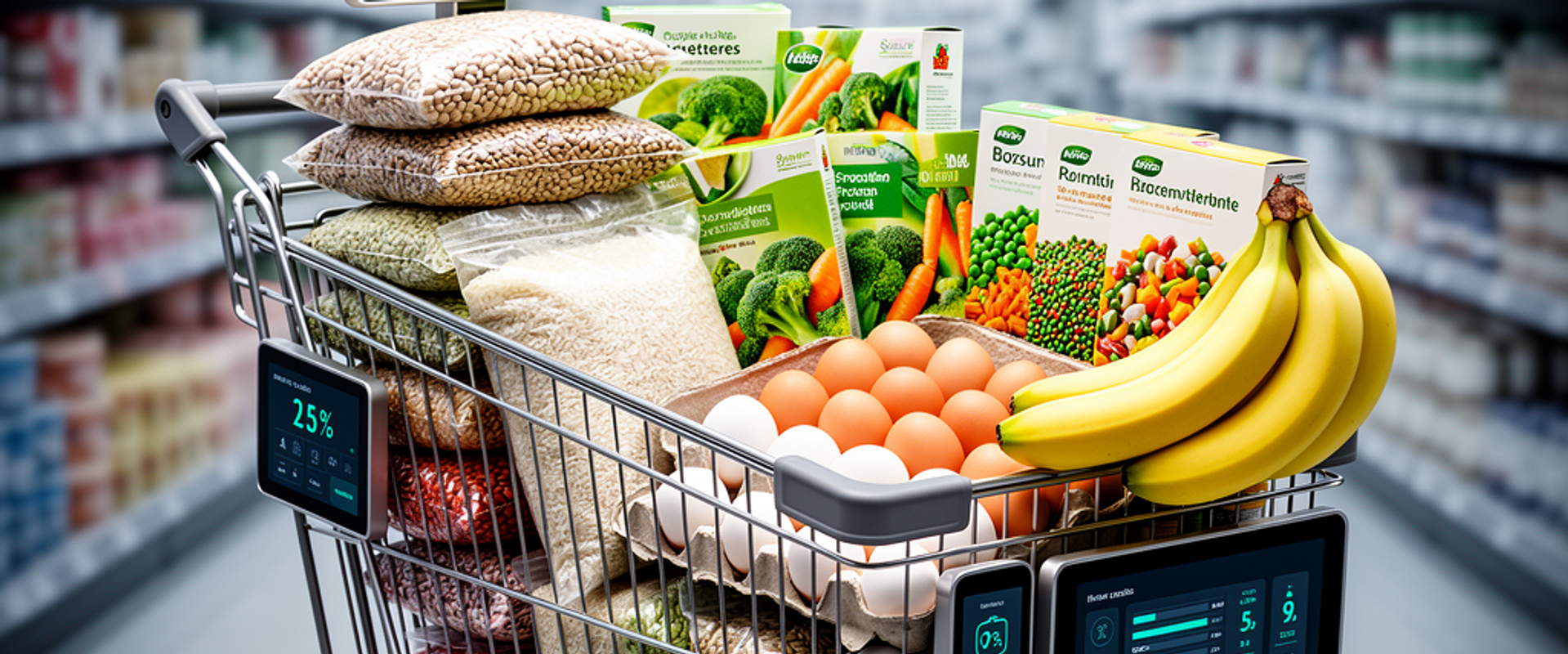
Let's put this into practice. This list is designed to feed one adult for a week. Prices fluctuate based on region and inflation, but these estimates are based on current averages at discount grocers like Aldi or Walmart.
Proteins ($13.50)
- 1 Dozen Large Eggs ($3.00): A complete protein source rich in choline, which is vital for brain health.
- 1 lb Dry Brown Lentils ($1.50): An incredible source of plant protein, iron, and folate. Dry beans are significantly cheaper than canned.
- 1 Block Firm Tofu ($2.00): A versatile, calcium-rich protein that absorbs any flavor you give it.
- 2 lbs Chicken Drumsticks or Thighs ($5.00): Dark meat is cheaper, more flavorful, and richer in iron and zinc than chicken breasts.
- 2 Cans of Tuna or Sardines ($2.00): Excellent sources of anti-inflammatory Omega-3 fatty acids.
Carbohydrates & Grains ($9.50)
- 42 oz Canister Old Fashioned Oats ($4.00): Packed with beta-glucan, a soluble fiber that supports heart health and stabilizes blood sugar.
- 2 lbs Brown Rice ($2.00): A whole grain staple that pairs with almost anything.
- 1 lb Whole Wheat Pasta ($1.50): Offers more fiber and protein than white pasta.
- 5 lbs Russet Potatoes ($2.00): Potatoes are incredibly satiating and rich in potassium and vitamin C.
Produce ($20.00)
- 1 Bunch Fresh Spinach ($2.50): Use fresh early in the week, freeze the rest for smoothies or soups.
- 2 lbs Bananas ($1.20): The ultimate budget fruit. Perfect for snacks or oatmeal.
- 3 lbs Bag of Apples ($4.00): Long-lasting and rich in pectin (a gut-friendly fiber).
- 2 lbs Carrots ($1.50): High in beta-carotene; great for snacking or roasting.
- 3 lbs Yellow Onions ($2.50): The foundational flavor builder for most meals.
- 16 oz Frozen Broccoli Florets ($1.80): Flash-frozen nutrition ready in minutes.
- 16 oz Frozen Mixed Berries ($3.50): Cheaper than fresh, won't spoil, and packed with brain-boosting anthocyanins.
- 2 Cans Diced Tomatoes ($3.00): Lycopene-rich base for stews and pasta sauces.
Fats & Flavor ($7.00)
- 16 oz Peanut Butter ($2.50): Look for one with just peanuts and salt if possible. Great for healthy fats and satiety.
- Pantry Allowance ($4.50): Set aside a few dollars each week to rotate pantry staples. One week, buy a bottle of store-brand olive oil; the next week, buy a jar of garlic powder or soy sauce.
Total Estimated Cost: $50.00
Turning Groceries into Meals: A Practical Guide
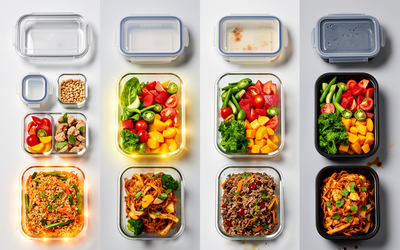
Having a fridge full of ingredients is only half the battle. The real secret to eating well on a budget is knowing how to combine these raw materials into satisfying, nourishing meals. Here are some actionable meal ideas using the $50 list above.
Breakfast Ideas
1. Peanut Butter Berry Power Oats Boil 1/2 cup of oats with 1 cup of water (or milk if you have it). Stir in 1/2 cup of frozen berries while it's hot so they thaw and create a natural syrup. Top with a generous tablespoon of peanut butter. Nutrition perk: The combination of complex carbs, fiber, and healthy fats will keep your blood sugar remarkably stable all morning.
2. Savory Spinach and Egg Scramble Sauté a handful of fresh spinach and diced onions in a little oil until wilted. Crack in two eggs and scramble. Serve alongside a baked or pan-fried potato hash. Nutrition perk: The vitamin C in the potatoes helps your body absorb the plant-based iron from the spinach.
Lunch Ideas
3. Big Batch Lentil & Carrot Stew Cook your dry lentils with diced onions, carrots, and canned diced tomatoes. Add whatever spices you have on hand (cumin and paprika work beautifully). This makes 4-5 servings. Nutrition perk: Lentils are a prebiotic food, meaning they feed the good bacteria in your gut.
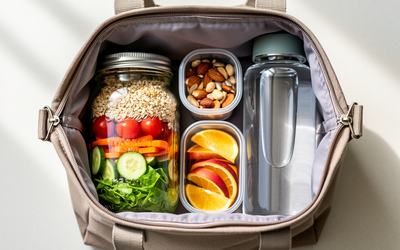
4. Tuna Pasta Salad Cook a portion of whole wheat pasta. Mix with a can of drained tuna, diced carrots, onions, and a simple dressing of olive oil, salt, and pepper. Serve over a bed of spinach. Nutrition perk: A perfect balance of protein, omega-3s, and energizing carbohydrates to prevent the afternoon slump.
Dinner Ideas
5. Sheet Pan Chicken and Root Vegetables Toss chicken drumsticks, chopped potatoes, and large chunks of carrots with oil, salt, and pepper. Roast on a single baking sheet at 400°F (200°C) for 35-40 minutes. Nutrition perk: Roasting brings out the natural sweetness of budget vegetables, making healthy eating genuinely delicious without requiring expensive sauces.
6. Crispy Tofu and Broccoli Rice Bowl Press the moisture out of your tofu, cut it into cubes, and pan-fry until golden. Steam your frozen broccoli. Serve both over a hearty portion of brown rice, flavored with soy sauce or whatever condiments you have in your pantry allowance. Nutrition perk: This meal provides all nine essential amino acids, proving that plant-based eating doesn't require expensive meat substitutes.
Actionable Tips to Implement Today
If you want to start eating better while spending less, here are three things you can do right now:
- Do an Inventory: Before you go shopping, look in your pantry, fridge, and freezer. Plan your meals around what you already have to avoid buying duplicates and reducing food waste.
- Prep Your Proteins: When you get home from the store, cook a large batch of lentils or brown rice immediately. When healthy staples are ready to eat in the fridge, you are much less likely to order expensive takeout when you are tired.
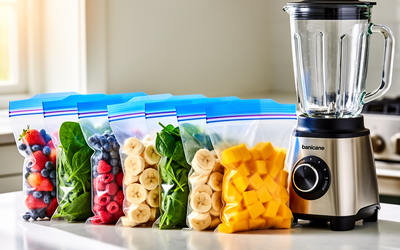
- Don't Fear the Freezer: If your fresh spinach is starting to wilt or your bananas are getting too brown, put them in the freezer. Frozen spinach is perfect for stews, and frozen bananas make incredible smoothies or oatmeal toppings.
The Bottom Line
Healthy eating is not an elite club reserved for those with unlimited grocery budgets. By relying on nutrient-dense staples like oats, beans, frozen vegetables, and cheaper cuts of protein, you can give your body exactly what it needs to thrive.
Remember, nutrition is about consistency, not perfection. You don't need to overhaul your entire diet overnight. Start by swapping out one or two expensive name-brand items for store brands, or try replacing one meat-heavy dinner with a hearty, budget-friendly lentil stew. Your body—and your bank account—will thank you.