How to Make 5 Healthy Homemade Salad Dressings in Under 2 Minutes
Ditch the confusing bottled dressing aisle. Learn how to make five delicious, science-backed homemade salad dressings—including classic vinaigrette and tahini lemon—in under two minutes to boost nutrient absorption and elevate your meals.

The Overwhelm of the Salad Dressing Aisle
If you have ever stood in the condiment aisle of your local grocery store, staring at a wall of salad dressings and feeling a rising sense of panic, you are entirely normal. We are constantly bombarded with conflicting nutrition advice. One label proudly proclaims it is "fat-free!" while the bottle next to it boasts about being "keto-friendly" and loaded with fat. Some have ingredient lists that read like a chemistry textbook, while others cost as much as a small meal.
When you are simply trying to eat a few more vegetables, this level of complexity is exhausting. Nutrition doesn't have to be this complicated. In fact, one of the most impactful, nourishing shifts you can make in your kitchen takes less than two minutes, requires zero culinary expertise, and uses ingredients you probably already have in your pantry: making your own salad dressing.
Homemade dressings are not just about saving money or avoiding the ultra-processed emulsifiers and artificial preservatives found in many commercial bottles. They are about flavor, satisfaction, and actually absorbing the nutrients from the beautiful produce you are eating.
The Science of Salads: Why You Need Fat
For decades, diet culture pushed the narrative that a "healthy" salad was a mountain of dry greens lightly misted with lemon juice or drowning in a fat-free, synthetically sweetened dressing. Thankfully, nutritional science has firmly debunked this.
Vegetables are packed with essential fat-soluble vitamins—specifically vitamins A, D, E, and K—as well as powerful antioxidants like lutein and beta-carotene. The keyword here is fat-soluble. Your body physically cannot absorb these vital nutrients without the presence of dietary fat.
A landmark study published in the American Journal of Clinical Nutrition demonstrated this beautifully. Researchers fed participants salads topped with dressings containing zero fat, reduced fat, or full fat. The blood tests of those who ate the fat-free dressing showed almost zero absorption of the vegetables' antioxidants. Those who consumed the full-fat dressing absorbed the maximum amount of nutrients.
Fat is not something to fear; it is the vehicle that unlocks the nutrition in your food. It also provides satiety, meaning a salad with a robust, olive-oil-based dressing will keep you full and energized for hours, preventing that mid-afternoon energy crash.
The Anatomy of a Perfect 2-Minute Dressing
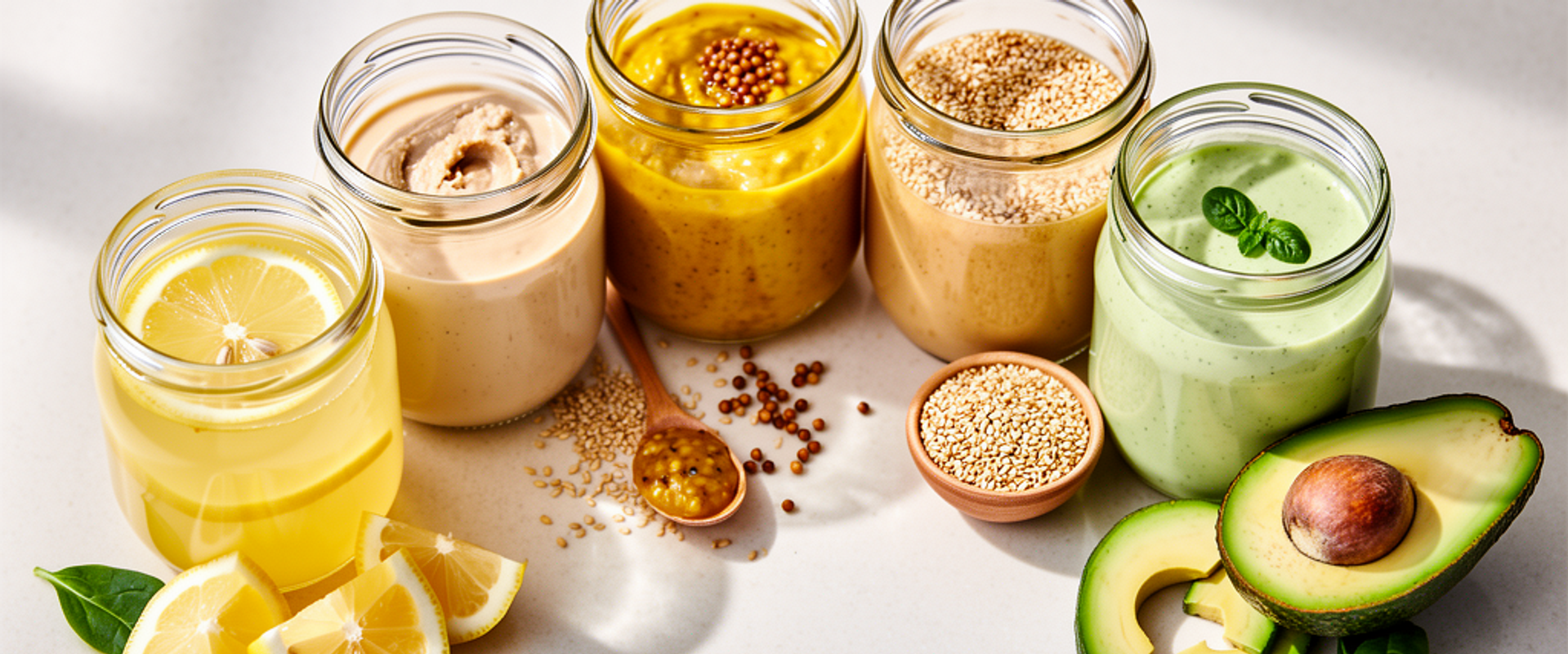
You do not need a blender, a food processor, or a culinary degree to make an incredible dressing. All you need is a glass jar with a tight-fitting lid (an old jam jar works perfectly) and an understanding of the basic dressing formula:
Fat + Acid + Emulsifier + Flavor
- The Fat: Extra virgin olive oil, avocado oil, tahini, or even mashed avocado. This provides the base, the mouthfeel, and the nutrient-absorbing power.
- The Acid: Lemon juice, lime juice, apple cider vinegar, balsamic, or rice vinegar. Acid brightens the flavors and balances the richness of the fat.
- The Emulsifier: Dijon mustard, honey, maple syrup, or tahini. Oil and water (or vinegar) naturally repel each other. An emulsifier binds them together, creating a creamy, cohesive texture instead of a separated, oily puddle.
- The Flavor: Salt, black pepper, garlic powder, fresh herbs, or ginger. This is where you customize.
Here are five foolproof, science-backed dressings that beat any bottled version, each taking under two minutes to shake together.
1. The Everyday Classic Vinaigrette
This is the little black dress of salad dressings. It goes with absolutely everything, and the extra virgin olive oil (EVOO) provides a potent dose of polyphenols—powerful plant compounds with well-documented anti-inflammatory properties.
The Recipe
- 3 tablespoons extra virgin olive oil
- 1 tablespoon apple cider vinegar (or red wine vinegar)
- 1 teaspoon Dijon mustard
- 1/2 teaspoon honey or maple syrup (optional, just to balance the acid)
- 1/4 teaspoon sea salt
- A few generous grinds of black pepper
How to make it: Add all ingredients to your jar, seal the lid tightly, and shake vigorously for 10 seconds until the dressing looks cloudy and slightly thickened.
Perfect Meal Pairing: Toss this with a base of mixed spring greens, a handful of walnuts (for omega-3 fatty acids), half a sliced crisp apple, and a quarter cup of crumbled feta or goat cheese. It is a perfectly balanced, fiber-rich lunch.
2. The Creamy Tahini Lemon Dressing
If you love creamy dressings but want to switch up your fats, tahini (toasted, ground sesame seeds) is a nutritional powerhouse. Sesame seeds are an incredible plant-based source of calcium, iron, and magnesium. This dressing is deeply savory, nutty, and bright.
The Recipe
- 2 tablespoons tahini
- 2 tablespoons fresh lemon juice
- 1 tablespoon warm water (to thin it out)
- 1/2 teaspoon garlic powder (or 1 small clove of minced fresh garlic)
- 1/2 teaspoon maple syrup
- Pinch of salt
How to make it: Add everything to the jar. Tahini can be thick, so you may need to use a fork to whisk it briefly before shaking. If it is too thick after shaking, add another teaspoon of warm water until it reaches a drizzly consistency.
Perfect Meal Pairing: This is the ultimate "grain bowl" dressing. Combine a half-cup of cooked quinoa, a cup of roasted sweet potato cubes, a half-cup of roasted chickpeas, and a large handful of massaged kale. Drizzle generously. The vitamin C in the lemon juice actually helps your body absorb the plant-based iron from the kale and tahini!
3. The Better-Than-Diner Honey Mustard
Commercial honey mustard dressings are often little more than high-fructose corn syrup and cheap, highly refined seed oils. This homemade version gives you the nostalgic, sweet-and-tangy flavor you crave, utilizing raw honey (which contains trace amounts of local pollens and antioxidants) and heart-healthy olive oil.
The Recipe
- 3 tablespoons extra virgin olive oil
- 1 tablespoon white wine vinegar or apple cider vinegar
- 1 tablespoon Dijon mustard
- 1 tablespoon honey
- Pinch of salt
How to make it: Combine all ingredients in your jar and shake until completely smooth and emulsified. The high volume of mustard and honey makes this dressing incredibly creamy and stable.
Perfect Meal Pairing: Create a satisfying, protein-packed salad with two cups of baby spinach, four ounces of grilled chicken breast (or baked tofu), half a cup of sliced fresh strawberries, and a tablespoon of raw pecans. The sweet and savory contrast is exceptional.
4. The Toasted Asian Sesame Vinaigrette
When you are craving takeout, this dressing delivers massive flavor. Toasted sesame oil has a robust, unmistakable aroma. We pair it with ginger, which contains gingerol—a bioactive compound known to aid digestion and reduce nausea.
The Recipe
- 2 tablespoons toasted sesame oil
- 1 tablespoon neutral oil (like avocado oil, to prevent the sesame from being overpowering)
- 2 tablespoons rice vinegar
- 1 tablespoon low-sodium soy sauce or tamari (if gluten-free)
- 1/2 teaspoon ground ginger
- 1/2 teaspoon maple syrup or honey
How to make it: Add to the jar and shake. Note: Sesame oil is quite potent, which is why we cut it slightly with a neutral oil, but you can use all sesame oil if you prefer a very intense flavor.
Perfect Meal Pairing: This dressing shines on crunchy, sturdy vegetables. Combine two cups of shredded red and green cabbage, a grated carrot, half a cup of shelled edamame (a fantastic source of plant protein), and sliced red bell peppers. Top with a sprinkle of sesame seeds or sliced almonds.
5. The 2-Minute Creamy Avocado Cilantro
Sometimes you want a dressing that feels rich, thick, and indulgent, akin to a ranch or green goddess dressing. Avocado provides a lush, creamy base loaded with monounsaturated fats (the same heart-healthy fats found in olive oil) and dietary fiber.
The Recipe
- 1/2 of a ripe avocado
- 2 tablespoons lime juice
- 2 tablespoons water (more as needed to thin)
- 1 tablespoon finely chopped fresh cilantro (or 1/2 tsp dried coriander if you dislike cilantro)
- 1/4 teaspoon garlic powder
- 1/4 teaspoon salt
How to make it: This is the only one that requires a tiny bit of elbow grease. Mash the avocado thoroughly in a small bowl with a fork until it is as smooth as possible. Transfer to your jar, add the remaining ingredients, and shake vigorously. (Alternatively, if you happen to have a small blender, you can toss it all in and blend for 10 seconds, but mashing works just fine!).
Perfect Meal Pairing: Build a taco salad without the fried shell. Mix chopped romaine lettuce, half a cup of black beans, a quarter cup of corn kernels, cherry tomatoes, and a sprinkle of cheddar or pumpkin seeds. The avocado dressing ties it all together beautifully.
Practical Tips for Storage and Success
Making your own dressing is incredibly simple, but there are a few practical things to keep in mind to ensure success throughout the week:
1. Batch Preparing: The recipes above make enough for about two large salads (roughly 2-3 tablespoons per serving). If you want to meal-prep for the week, simply double or triple the ingredients in your jar.
2. The Fridge Solidification: Real extra virgin olive oil solidifies when it gets cold. If you put your vinaigrette in the fridge and it turns into a solid, cloudy block, do not throw it away! This is a sign of high-quality oil. Simply take the jar out of the fridge 15 minutes before you want to eat, let it sit at room temperature, and give it a good shake. Alternatively, run the glass jar under warm water for 30 seconds to speed up the process.
3. Shelf Life: Vinaigrettes made with oil, vinegar, honey, and mustard will easily last 7 to 10 days in the refrigerator. Dressings made with fresh ingredients like the Creamy Avocado or Tahini Lemon should be consumed within 3 to 4 days for the best flavor and texture.
Your Practical Takeaway
Eating well is not about restriction, and it certainly shouldn't require agonizing over labels in the supermarket aisle. It is about adding nourishment, flavor, and satisfaction to your plate. By taking two minutes to shake together oil, acid, and a little flavor, you are actively choosing to boost your nutrient absorption, avoid unnecessary additives, and make your vegetables taste incredible.
Your action step for today: You don't need to make all five. Look at the ingredients you currently have in your kitchen. Pick just one of these dressing formulas, grab an empty jar, and shake it up for your next meal. You might just find that you never need to buy the bottled stuff again.