Nutrition for Better Sleep: The Science-Backed Foods That Help You Rest
Struggling to fall asleep? Discover how specific foods like kiwi, tart cherries, and almonds can naturally improve your sleep quality. Learn the science behind sleep-promoting nutrients and get practical, no-stress bedtime snack ideas.

The Overwhelming World of Nutrition (And How We Can Simplify It)
Let's face it: navigating nutrition advice today can feel like a full-time job. One day you are told to eat a certain food, and the next day an influencer is telling you to avoid it at all costs. When you are just trying to eat a little better and feel a little more rested, this constant stream of conflicting, extreme information is exhausting.
If you are tired of the noise, take a deep breath. We are going to step away from the rigid rules, food shaming, and diet culture. Instead, we are going to look at nutrition through a gentle, science-backed lens, focusing specifically on how what we eat can naturally support one of our most fundamental human needs: sleep.
Food is not a magic cure for clinical insomnia, and a single snack won't undo the effects of staring at a glaring smartphone screen until 2:00 AM. However, the nutrients we consume provide the essential building blocks our brains use to create sleep-inducing hormones. By making small, additive changes to your diet—bringing in specific foods rather than anxiously cutting things out—you can calm your nervous system and set the stage for a deeply restful night.
The Chemical Building Blocks of Sleep
To understand why certain foods help us sleep, it helps to understand the basic chemistry of rest. You don't need a PhD in nutritional biochemistry, just a quick look at three main players:
- Tryptophan: An amino acid (a building block of protein) that your body cannot produce on its own. You must get it from food.
- Serotonin: Often called the "happy hormone," serotonin is created from tryptophan. It helps regulate mood and promotes a sense of calm.
- Melatonin: The "sleep hormone." Your brain converts serotonin into melatonin as the sun goes down, signaling to your body that it is time to sleep.
- Magnesium: Think of magnesium as your body's relaxation mineral. It helps quiet the central nervous system and prepares your muscles to physically let go of the day's tension.
When we eat for better sleep, we are essentially just giving our bodies the raw materials they need to produce these calming chemicals.
6 Science-Backed Foods That Help You Rest
Let's get specific. Here are some of the most effective, nutrient-dense foods to incorporate into your evening routine, along with the science of why they work and exactly how to enjoy them.
1. Tart Cherry Juice
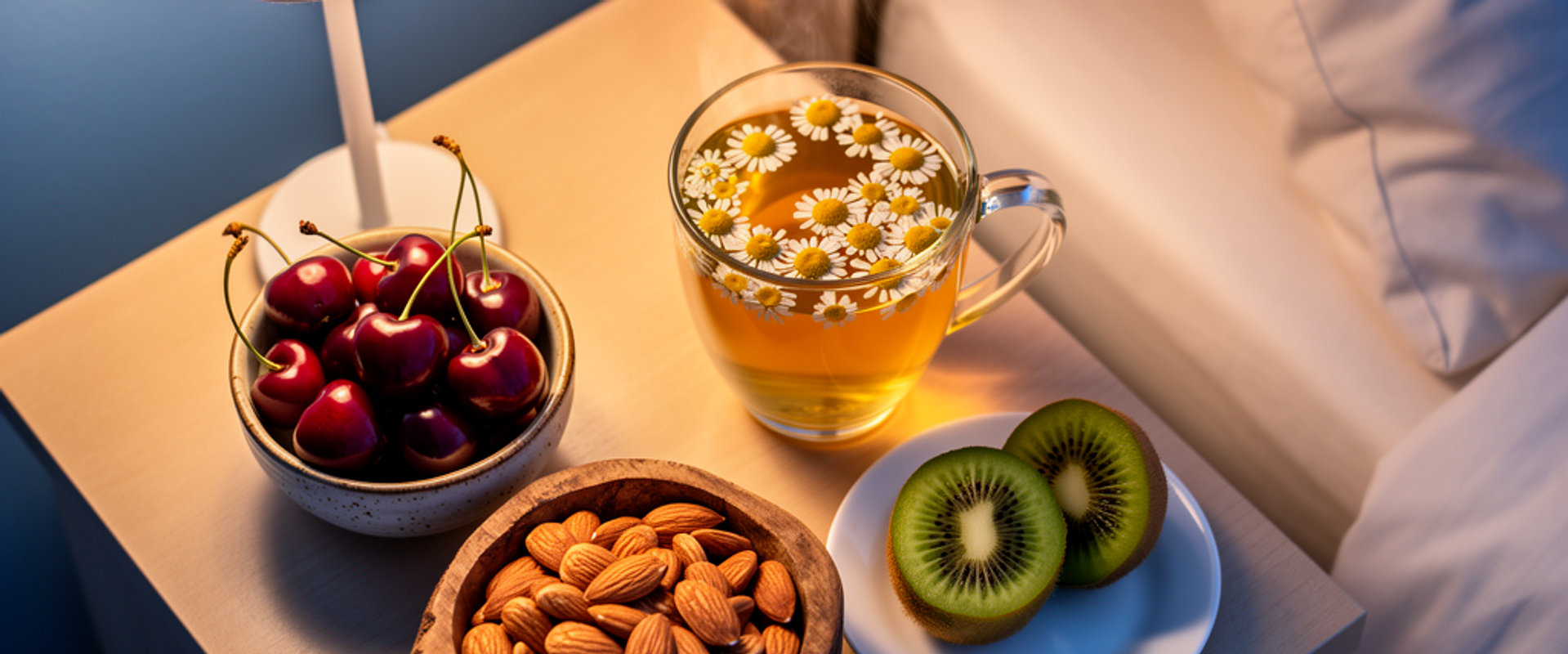
Unlike sweet cherries you might snack on during the summer, tart cherries (specifically the Montmorency variety) have a distinctively sour flavor profile and are nutritional powerhouses. They are one of the few naturally occurring food sources of melatonin.
Research has shown that adults who drink tart cherry juice before bed experience longer sleep duration and better sleep quality. It also contains proanthocyanidins, which are antioxidants that help prevent the breakdown of tryptophan, meaning the sleep-inducing amino acid stays in your system longer.
How to use it: Aim for about 8 ounces of pure tart cherry juice, or 2 tablespoons of tart cherry juice concentrate, about an hour before bed. Make sure to choose a brand that is 100% tart cherry juice without added sugars.
2. Kiwi
This fuzzy little fruit is a surprising heavyweight in the sleep science world. In a widely cited four-week study by Taipei Medical University, adults who consumed two kiwis one hour before bedtime fell asleep 42% faster than they did before the study. Their total sleep time and sleep efficiency also significantly improved.
Why? Kiwis are exceptionally high in serotonin. As we learned earlier, serotonin is the direct precursor to melatonin. They are also rich in antioxidants like vitamin C and folate, which help reduce inflammation that can disrupt sleep.
How to use it: Eat two medium-sized kiwis about 1 to 2 hours before you plan to go to sleep. You can slice them in half and scoop out the green flesh with a spoon, or leave the skin on for an extra boost of gut-friendly fiber (just wash them well first!).
3. Turkey and Poultry
We all know the famous "Thanksgiving coma" phenomenon. While the sheer volume of a holiday meal certainly contributes to sleepiness, turkey itself is a fantastic source of tryptophan.
However, there is a catch that many people miss: tryptophan has a hard time crossing the blood-brain barrier because it competes with other amino acids. To help tryptophan get into the brain to do its job, you need to pair it with a carbohydrate. Carbs trigger an insulin release, which clears out the competing amino acids, giving tryptophan a VIP lane straight to your brain.
How to use it: A few slices of roasted turkey breast (about 2-3 ounces) paired with a complex carbohydrate, like a slice of whole-grain toast or a handful of whole-wheat crackers, makes a perfect, science-backed evening snack.
4. Almonds and Walnuts
Nuts are a fantastic addition to a sleep-supportive diet. Almonds, in particular, are an excellent source of magnesium. Just one ounce of almonds (about 23 nuts) provides roughly 20% of your daily magnesium needs.
Walnuts are another great option because they naturally contain their own source of melatonin, along with healthy omega-3 fatty acids. The healthy fats and protein in nuts also help stabilize your blood sugar throughout the night, preventing the midnight blood sugar crashes that can cause you to wake up at 3:00 AM with a racing heart.
How to use it: Keep it simple. A small handful (about 1 ounce) of raw or dry-roasted almonds or walnuts makes an easy, prep-free snack.
5. Chamomile Tea
Chamomile has been used as a natural sleep remedy for centuries, and modern science backs up this ancient wisdom. Chamomile contains an antioxidant called apigenin. Apigenin binds to specific receptors in your brain (GABA receptors) that promote sleepiness and reduce anxiety.
How to use it: Steep a high-quality chamomile tea bag in hot water for 5 to 10 minutes. For an extra sleep boost, drink it about 45 minutes before bed.
6. Magnesium-Rich Everyday Foods
If you find yourself tossing and turning with restless legs or general physical tension, magnesium might be the missing link. While almonds are great, you can build magnesium into your main meals to support your nervous system all day long.
How to use it:
- Pumpkin seeds: Just 1 ounce contains over 150mg of magnesium. Toss them on a salad or soup.
- Spinach and Swiss Chard: Leafy greens are packed with magnesium. Sauté a generous handful with your dinner.
- Black beans: A half-cup of black beans provides a hearty dose of magnesium and fiber.
Timing Matters: When to Eat for Optimal Rest
It is not just about what you eat, but when you eat. Your digestive system needs time to process food. If you eat a massive, heavy meal right before laying down, your body has to divert energy toward digestion rather than the restorative processes of sleep. This can also lead to acid reflux, which is a major sleep disruptor.
The general guidelines for timing:
- Dinner: Try to finish your main, heaviest meal of the day about 2 to 3 hours before you plan to go to sleep.
- Snacks: If you are genuinely hungry before bed, don't ignore it! Going to bed with a growling stomach will keep you awake. Time your sleep-supportive snack (like the kiwi or almonds) about 1 hour before bed.
Practical Bedtime Snacks and Swaps
Theory is great, but application is what actually changes your life. Here are a few practical, delicious ways to incorporate these foods into your evening routine.
The "Sleepy Girl" Mocktail Swap If you normally wind down with a glass of wine (which actually fragments your sleep and prevents deep REM sleep), try this instead:
- Pour 2 tablespoons of tart cherry juice concentrate into a glass.
- Stir in a scoop of unflavored or berry-flavored magnesium glycinate powder.
- Top with sparkling water and ice.
The Kiwi-Nut Bowl If you normally reach for a bowl of sugary ice cream (which can cause a blood sugar spike and subsequent crash), try this:
- Dice two kiwis.
- Top with 1 tablespoon of chopped walnuts or almonds.
- Add a small dollop of plain Greek yogurt for extra protein and creaminess.
The Savory Wind-Down If you prefer savory snacks:
- Take 2 slices of deli turkey.
- Spread a thin layer of hummus or avocado on them.
- Wrap them around a small dill pickle or eat them alongside a few whole-grain crackers.
A Gentle Note on Foods That Disrupt Sleep
We are avoiding strict rules here, but it is helpful to be mindful of things that actively fight against your body's sleep signals. You don't have to ban these forever, but notice how you feel if you minimize them in the evening:
- Caffeine: Remember that caffeine has a half-life of about 5 hours. That 4:00 PM coffee is still very much in your system at 9:00 PM. Try switching to herbal tea after 2:00 PM.
- Alcohol: While it might make you feel drowsy initially, alcohol severely disrupts the architecture of your sleep, leading to frequent awakenings in the second half of the night.
- Spicy or highly acidic foods: These can trigger heartburn when you lie down. If you love spicy food, try to enjoy it at lunch rather than dinner.
Your Practical Takeaway
Improving your nutrition doesn't have to mean overhauling your entire life, buying expensive supplements, or stressing over conflicting internet advice. Supporting your sleep can be as simple as adding a handful of almonds to your evening routine, sipping a warm cup of chamomile tea, or enjoying a couple of kiwis while you read a book.
Tonight, pick just one food from this list. Notice how your body feels. By gently supplying your body with the nutrients it needs—like magnesium, tryptophan, and melatonin—you are sending a powerful signal of safety and calm to your nervous system. Sweet dreams!