Seasoning 101: The Culinary Science of Making Healthy Food Taste Incredible
Struggling with bland meals? Discover the flavor formula—salt, acid, fat, and heat—and the 10 essential seasonings that will transform your everyday cooking into delicious, nourishing food.

If you have ever tried to eat better only to find yourself staring sadly at a plate of plain, steamed chicken breast and soggy broccoli, you are not alone. For decades, outdated nutrition advice convinced us that to be "healthy," food had to be stripped of its joy. We were taught to boil, steam, and avoid salt and fat at all costs.
But here is the truth: food is meant to be enjoyed, not just endured. When you actually like what you are eating, you are far more likely to stick to a nourishing pattern of eating long-term.
The secret to bridging the gap between "good for you" and "tastes amazing" isn't a culinary degree. It is understanding a few basic principles of food science. By borrowing the foundational techniques that professional chefs use to build flavor, you can transform the most basic whole foods into crave-worthy meals.
Let's dive into the ultimate flavor formula, the science of why it works, and the 10 essential seasonings that will cover 90% of your everyday cooking.
The Science of the Flavor Formula: Salt, Acid, Fat, Heat
Popularized by chef Samin Nosrat, the concept of "Salt, Acid, Fat, Heat" is the holy grail of cooking. When a dish tastes like it is "missing something," it is almost always lacking one of these four elements.
1. Salt: The Flavor Expander
Many people who want to eat well are terrified of salt. While it is true that a diet high in ultra-processed foods provides excess sodium, salting your whole, home-cooked foods is an entirely different story.
Scientifically, salt does much more than make food taste "salty." It is a flavor expander. Salt actually suppresses the perception of bitterness, which is why a pinch of salt on Brussels sprouts or kale makes them taste sweeter and more palatable. It also alters the physical structure of food, breaking down the tough cell walls of vegetables to make them tender and drawing out moisture from meats so they can brown properly in the pan.
Actionable Tip: Ditch the iodized table salt, which can taste metallic and is easy to over-apply. Switch to Kosher salt (like Diamond Crystal). Its larger, hollow flakes make it easier to pinch, allowing you to season food evenly and intuitively.
2. Acid: The Missing Link
If you have ever tasted a soup or a stew and thought, "This is heavy and dull," you don't need more salt—you need acid. Acid brightens food, balances richness, and triggers salivation, which physically makes your mouth water and enhances your perception of flavor.
From a nutritional standpoint, adding an acid like vinegar or citrus juice to a carbohydrate-rich meal can also gently lower the glycemic response of the food, helping to stabilize your blood sugar.
Actionable Tip: Keep lemons, limes, and a few good vinegars on hand. A squeeze of fresh lemon juice over roasted vegetables or a splash of apple cider vinegar in a pot of lentil soup right before serving changes the entire profile of the dish.
3. Fat: The Flavor Carrier
For years, we were told to steam our vegetables and use fat-free dressings. This was a culinary and nutritional mistake. Many of the aromatic compounds in spices, herbs, and vegetables are fat-soluble. This means that without fat, those flavors literally cannot travel to the taste receptors on your tongue.
Furthermore, essential vitamins found in vegetables—like Vitamins A, D, E, and K—are also fat-soluble. Your body cannot absorb the Vitamin K in your spinach or the Vitamin A in your carrots unless you eat them with a source of dietary fat.
Actionable Tip: Don't fear the olive oil. Tossing 2 cups of raw vegetables with 1 tablespoon of extra-virgin olive oil before roasting not only helps them crisp up but ensures your body absorbs the vital nutrients inside them.
4. Heat: Temperature and Spice
Heat refers to two things: the temperature applied to the food, and the spicy heat from chili peppers.
Temperature heat creates the Maillard reaction—a chemical reaction between amino acids and reducing sugars that gives browned food its distinctive flavor. It is the reason roasted carrots taste complex and sweet, while boiled carrots taste like wet mush.
Spice heat (from compounds like capsaicin in chili peppers or piperine in black pepper) stimulates nerve endings in the mouth, adding a layer of complexity and excitement to your palate.
How Chefs Build Layers of Flavor
A common home-cooking mistake is throwing all the ingredients into a pan and adding a single dash of salt at the very end. Professional chefs build flavor in layers:
- Marinate or Prep: Seasoning proteins or hearty vegetables ahead of time allows salt to penetrate beyond the surface.
- Season the Cooking Medium: Salting the boiling water for pasta or grains.
- Season During Cooking: Adding spices to the fat (like blooming cumin in olive oil) early in the cooking process to release their essential oils.
- Finish: Adding a final touch of fresh herbs, a squeeze of acid, or a drizzle of high-quality oil right before eating.
The 10 Seasonings That Cover 90% of Cooking
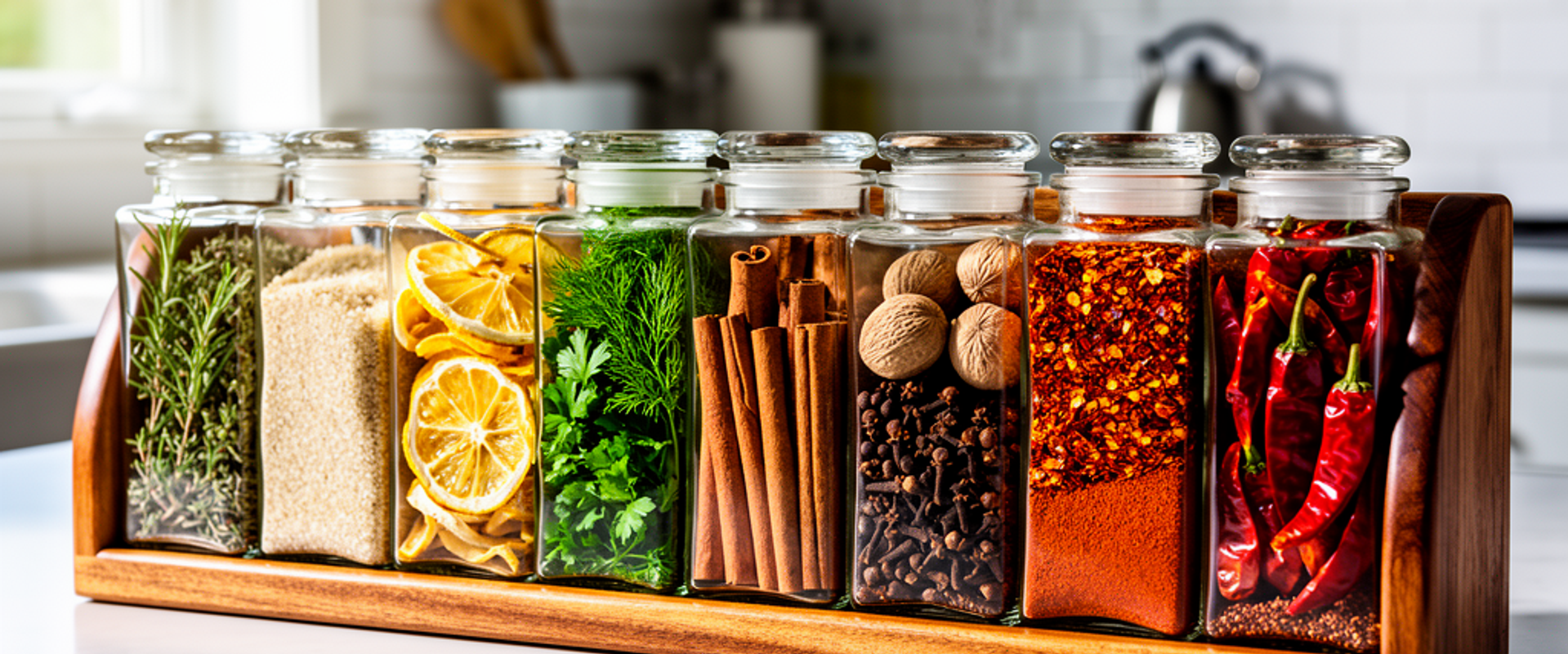
You do not need a spice cabinet overflowing with expired jars. If you stock these 10 versatile ingredients, you can make almost any healthy food taste spectacular:
- Kosher Salt: The undisputed king of the kitchen for drawing out natural flavors.
- Fresh Black Peppercorns: Pre-ground pepper tastes like dust. Invest in a cheap pepper grinder; the piperine oils released upon grinding add instant warmth.
- Extra-Virgin Olive Oil: Use it for roasting, sautéing, and finishing. It provides a rich, grassy flavor and a heavy dose of heart-healthy polyphenols.
- Lemons: Both the juice (for acid) and the zest (which contains highly aromatic citrus oils) are essential for brightening dull dishes.
- Garlic (Fresh and Powder): Fresh garlic provides a sharp, pungent bite, while garlic powder offers a sweet, savory, roasted flavor profile that distributes evenly on roasted meats and veggies.
- Smoked Paprika: The ultimate cheat code for adding a deep, smoky, wood-fired flavor to indoor cooking without needing a grill.
- Cumin: Earthy and warming, cumin is the backbone of many Mexican, Indian, and Middle Eastern flavor profiles. It pairs perfectly with beans and lentils.
- Dijon Mustard: Not just a condiment. Dijon is a powerful emulsifier, meaning it helps oil and vinegar bind together to create creamy, stable homemade salad dressings.
- Tamari or Soy Sauce: These are liquid umami (the savory "fifth taste"). A splash of soy sauce in a mushroom sauté or a chili adds a deep, meaty richness, even in plant-based meals.
- Apple Cider Vinegar: A mild, fruity acid that is perfect for balancing out rich, heavy stews or creating a quick vinaigrette.
Practical Application: Transform Your Meals Today
Let's put this science into practice with three common "healthy but boring" foods and transform them using our flavor formula and essential seasonings.
Transformation 1: The Sad, Steamed Broccoli
- The Old Way: Steaming 2 cups of broccoli until mushy and eating it plain.
- The Flavor Formula Way:
- Preheat your oven to 425°F (Heat).
- Toss the 2 cups of broccoli florets with 1 tablespoon of extra-virgin olive oil (Fat), 1/2 teaspoon of kosher salt, and a dash of garlic powder.
- Spread them evenly on a baking sheet so they aren't touching (this allows them to roast, not steam) and bake for 15-20 minutes until the edges are dark brown and crispy (Maillard reaction).
- Remove from the oven and immediately squeeze half a lemon over the top (Acid).
- The Result: Crispy, savory, bright, and deeply satisfying roasted broccoli that you will actually crave.
Transformation 2: The Dry Chicken Breast
- The Old Way: Baking a plain chicken breast at 350°F until it is dry and chewing like rubber.
- The Flavor Formula Way:
- Pound a 6-ounce chicken breast to an even thickness so it cooks uniformly.
- Rub it with 1 teaspoon of olive oil (Fat), 1/2 teaspoon of kosher salt, 1/4 teaspoon of smoked paprika, and freshly cracked black pepper.
- Cook it in a skillet over medium-high heat (Heat) for 5-6 minutes per side to develop a golden-brown crust.
- Let it rest for 5 minutes before slicing, then drizzle with a tiny splash of apple cider vinegar or lemon juice (Acid) to cut through the savory spices.
- The Result: A juicy, smoky, perfectly seasoned protein source that tastes like it came from a restaurant.
Transformation 3: The Boring Quinoa
- The Old Way: Boiling 1/2 cup of dry quinoa in plain water.
- The Flavor Formula Way:
- Before adding liquid, toast the dry quinoa in a dry pot over medium heat for 2 minutes until it smells nutty (Heat).
- Cook the quinoa in low-sodium broth instead of water, adding a pinch of salt to the liquid.
- Once cooked and fluffed, stir in 1 teaspoon of extra-virgin olive oil (Fat), a squeeze of lemon juice (Acid), and a pinch of cumin.
- The Result: A fluffy, aromatic, savory grain bowl base that elevates whatever you put on top of it.
The Takeaway
Nourishing your body shouldn't feel like a punishment. You don't need to force down bland, unseasoned food in the name of health. By embracing the culinary science of salt, acid, fat, and heat, you can unlock the natural potential of whole foods.
Your practical step for today: Pick one vegetable or protein you plan to cook this week. Instead of your usual method, intentionally apply the flavor formula. Toss it in a little olive oil, season it confidently with kosher salt, use high heat to get a good browning, and finish it with a squeeze of fresh lemon juice. Taste the difference, and let the flavor be your guide to a better, more sustainable way of eating.