Seasoning 101: The Science of Making Nourishing Food Taste Incredible
Learn the chef-approved flavor formula of salt, acid, fat, and heat to transform bland meals. Discover the 10 essential seasonings that cover 90% of cooking and make eating well genuinely enjoyable.

If you have ever stared at a plate of plain steamed chicken and unseasoned broccoli with a sense of impending dread, you are not alone. For decades, outdated nutrition advice equated "healthy" with "bland." We were told to boil our vegetables, fear all fats, and avoid salt at all costs. The result? A culture of people who want to eat better but find themselves overwhelmed, unsatisfied, and ultimately reaching for highly processed convenience foods just to experience some flavor.
Here is the good news: eating well does not require culinary martyrdom. Nourishing your body and enjoying your meals are not mutually exclusive. In fact, when food tastes good, you are far more likely to sustain a balanced, health-promoting pattern of eating over your lifetime.
Professional chefs know a secret that most home cooks do not: flavor is not magic; it is science. By understanding the core principles of flavor development, you can take the most nutrient-dense whole foods and make them genuinely craveable.
Let's dive into the fundamental flavor formula—salt, acid, fat, and heat—and explore the 10 essential seasonings that will cover 90% of your daily cooking needs.
The Flavor Formula: Salt + Acid + Fat + Heat
Popularized by chef Samin Nosrat, the concept of balancing salt, acid, fat, and heat is the cornerstone of all good cooking. But beyond making food taste delicious, this formula has fascinating biochemical and nutritional benefits.
Salt: The Flavor Amplifier
Many people who are trying to eat better aggressively restrict salt. While it is true that public health organizations like the American Heart Association recommend limiting daily sodium intake to around 1,500 to 2,300 milligrams (about 1 teaspoon), the vast majority of excess sodium in the modern diet comes from ultra-processed foods and restaurant meals, not your home salt shaker.
From a culinary perspective, salt does not just make food salty; it amplifies other flavors and suppresses bitterness. This is a crucial piece of science for eating more vegetables. Compounds called glucosinolates give cruciferous vegetables (like Brussels sprouts, kale, and broccoli) their slightly bitter edge. A pinch of kosher salt physically alters the way your taste receptors perceive that bitterness, allowing the natural sweetness of the vegetable to shine through.
Actionable tip: Do not wait until your food is on the plate to salt it. Add a small pinch of kosher salt (about 1/8 teaspoon) during the cooking process. This draws out moisture and allows the flavor to penetrate the food, rather than just sitting on the surface.
Acid: The Brightener
If you have ever tasted a soup or a sauce that felt heavy, flat, or like it was "missing something," it almost certainly needed acid, not more salt. Acid makes your mouth water. This physiological response physically spreads flavor compounds across your taste buds, enhancing your perception of the food.
Acids like lemon juice, lime juice, and various vinegars cut through richness and provide balance. Nutritionally, adding an acid like lemon juice to plant-based iron sources (like spinach or lentils) increases your body's ability to absorb that non-heme iron, thanks to the vitamin C.
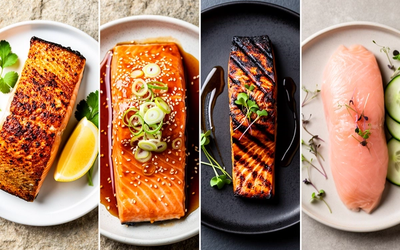
Actionable tip: Keep a bottle of apple cider vinegar or a fresh lemon on your counter. Squeeze a wedge of lemon over a piece of baked salmon or toss a splash of vinegar into your roasted vegetables right after they come out of the oven.
Fat: The Flavor Carrier
For years, we were told to eat fat-free everything. Thankfully, nutritional science has evolved. Dietary fat is essential for hormone production, brain health, and the absorption of fat-soluble vitamins (A, D, E, and K).
In the kitchen, fat is a flavor carrier. Many aromatic compounds in spices and herbs are fat-soluble, meaning their flavors only "bloom" or unlock when exposed to fat. Furthermore, fat coats the palate, allowing flavors to linger in your mouth longer. Research shows that eating a salad with a fat source—like 1 tablespoon of extra-virgin olive oil—significantly increases your absorption of lutein and beta-carotene from the greens compared to a fat-free dressing.
Actionable tip: Toss 2 cups of raw vegetables with 1 tablespoon of extra-virgin olive oil before roasting. It provides healthy monounsaturated fats, helps the vegetables brown, and carries the flavors of your spices.
Heat: The Transformer
"Heat" refers to two things: the physical temperature used to cook food, and the spicy heat from chili peppers.
Physical heat transforms food through the Maillard reaction—a chemical reaction between amino acids and reducing sugars that occurs around 300°F (150°C). This is what gives seared meats, roasted vegetables, and toasted nuts their complex, savory, "browned" flavor. Boiling or steaming food maxes out at 212°F (100°C), meaning the Maillard reaction never happens, which is why steamed vegetables often taste bland.
Spicy heat, derived from capsaicin in chili peppers, adds a layer of sensory engagement to food. It warms the palate and can make a simple dish feel much more dynamic and satisfying.
Actionable tip: Swap your steamer basket for a baking sheet. Roasting vegetables at 400°F (200°C) initiates the Maillard reaction, transforming starches into sweet, caramelized flavors.
Building Layers of Flavor
Professional chefs do not just dump a spice blend on a piece of meat right before serving; they build flavor in layers. This means seasoning at different stages of the cooking process.
For example, if you are making a simple vegetable soup, you might start by sautéing onions in olive oil with a pinch of salt (Layer 1). Then, you add garlic and dried herbs, letting them toast in the oil (Layer 2). You simmer the soup with your vegetables and broth (Layer 3). Finally, right before serving, you stir in a splash of fresh lemon juice and a sprinkle of fresh black pepper (Layer 4). This layered approach creates a deep, restaurant-quality taste profile using everyday ingredients.
The 10 Seasonings That Cover 90% of All Cooking
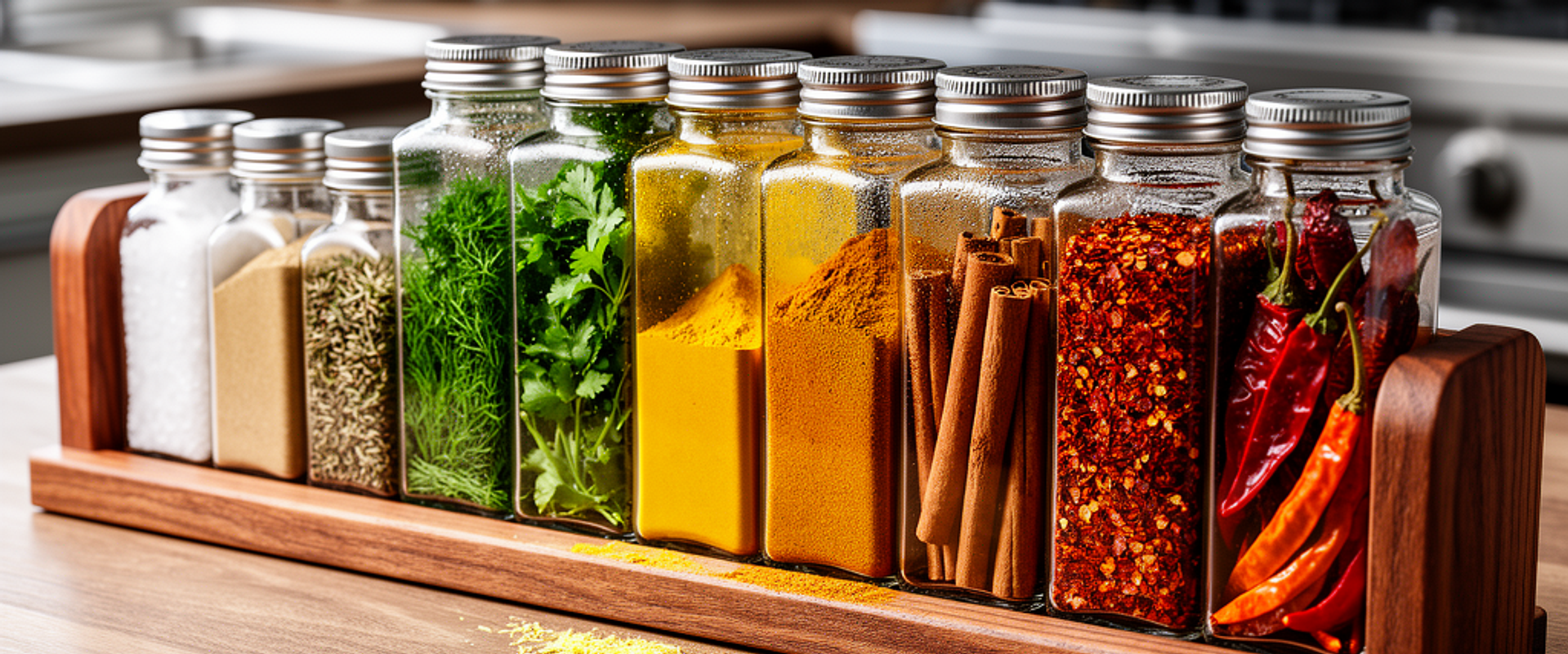
You do not need a pantry bursting with exotic spices to make incredible food. A curated collection of high-quality essentials is all you need. Here are the 10 seasonings that will cover almost every culinary base:
- Kosher Salt: The foundational flavor enhancer. Its coarse texture makes it easy to pinch and control.
- Black Peppercorns (with a grinder): Pre-ground pepper loses its volatile oils quickly. Freshly ground black pepper adds a floral, slightly spicy bite.
- Extra-Virgin Olive Oil: Your primary cooking fat and flavor carrier. It offers a robust, grassy flavor and is packed with heart-healthy polyphenols.
- Lemons: The ultimate acid. Use the juice for brightness and the zest (the yellow outer skin) for a concentrated burst of citrus oil.
- Apple Cider Vinegar (or Balsamic): Essential for vinaigrettes, marinades, and balancing heavy soups or stews.
- Garlic Powder: While fresh garlic is great, garlic powder provides a sweet, savory, and evenly distributed umami flavor that is perfect for spice rubs and roasted vegetables.
- Smoked Paprika: Made from smoke-dried chili peppers, this spice adds a deep, savory, barbecue-like flavor without needing a grill. It is incredible on chicken, potatoes, and chickpeas.
- Cumin: Warm, earthy, and slightly citrusy. It is the backbone of many Mexican, Indian, and Middle Eastern flavor profiles.
- Red Pepper Flakes: The easiest way to add a controllable amount of spicy heat to pasta, vegetables, or marinades.
- Dried Oregano (or Thyme): A versatile, herbaceous flavor that pairs beautifully with lemon, garlic, and olive oil.
Practical Application: Meal Ideas and Simple Swaps
Let's look at how to apply the flavor formula and your 10 essential seasonings to transform typically "boring" health foods into meals you actually want to eat.
Swap 1: The Bland Chicken Breast
- Before: 4 ounces of plain boiled or lightly pan-cooked chicken breast. Dry, rubbery, and flavorless.
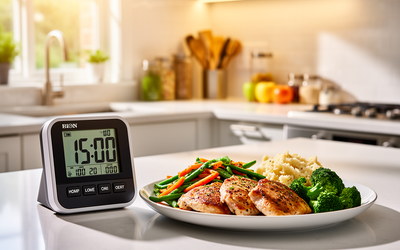
- The Upgrade (Lemon-Herb Pan-Seared Chicken): Take that same 4-ounce chicken breast and pound it to an even thickness. Rub it with 1/2 teaspoon of olive oil, a pinch of kosher salt, a crack of black pepper, 1/4 teaspoon of garlic powder, and 1/4 teaspoon of dried oregano. Sear it in a hot skillet for 4-5 minutes per side. Remove it from the heat and immediately squeeze a wedge of fresh lemon over the top.
- The Science: The oil carries the garlic and oregano flavors. Searing creates the Maillard reaction for a savory crust. The lemon juice (acid) balances the savory notes and makes your mouth water.
Swap 2: Sad Steamed Broccoli
- Before: 1 cup of steamed broccoli, slightly mushy and bitter.
- The Upgrade (Roasted Broccoli with Heat and Acid): Toss 2 cups of raw broccoli florets with 1 tablespoon of extra-virgin olive oil, a pinch of kosher salt, and a pinch of red pepper flakes. Spread evenly on a baking sheet and roast at 400°F (200°C) for 15-20 minutes until the edges are crispy and browned. Toss with a splash of apple cider vinegar right out of the oven.
- The Science: The salt suppresses the broccoli's natural bitterness. The high heat caramelizes the natural sugars. The red pepper flakes add sensory warmth, and the vinegar brightens the entire dish.
Swap 3: Boring Quinoa
- Before: 1/2 cup of plain quinoa boiled in water.
- The Upgrade (Toasted Spiced Quinoa): Before adding liquid, toast 1/2 cup of dry quinoa in a saucepan with 1/2 teaspoon of olive oil and 1/4 teaspoon of cumin for 2 minutes until fragrant. Cook with vegetable or chicken broth instead of water. Once fluffy, stir in a splash of balsamic vinegar and a pinch of salt.
- The Science: Toasting the grain enhances its natural nuttiness. The cumin blooms in the oil, releasing its fat-soluble flavor compounds. The balsamic vinegar adds a complex, sweet acidity that makes the grain incredibly satisfying.
The Practical Takeaway
Eating in a way that supports your health should never feel like a punishment. You do not need to rely on complicated recipes or expensive superfoods to eat well. By keeping your pantry stocked with a few high-quality essentials—and leaning into the science of salt, acid, fat, and heat—you can make simple, whole foods taste spectacular.
Your homework for tonight: Pick one vegetable you normally steam or microwave. Toss it with a little olive oil, a pinch of salt, and a dash of garlic powder, and roast it in the oven. When it comes out, squeeze a little lemon juice over it. Notice how these simple layers of flavor transform the experience of eating. When you master seasoning, you master your relationship with healthy food.