Sheet Pan Dinners: The Lazy Cook's Guide to Healthy Eating
Overwhelmed by conflicting nutrition advice? The sheet pan dinner is your science-backed, low-effort solution. Discover how to build balanced meals using the 25-minute, 425°F method, plus eight nourishing combinations.

If you spend any time reading about health and wellness, you might feel like eating well requires a degree in nutritional biochemistry and three free hours every Sunday for meal prep. One day, carbohydrates are the enemy; the next, you need them for hormonal balance. You are told to eat more vegetables, but boiling them leaches their nutrients, and frying them adds too much saturated fat.
As a nutrition professional, I hear this frustration every day. The truth is, nourishing your body does not require perfection, complex recipes, or a kitchen full of gadgets. It requires consistency. And the easiest way to build consistency is by removing the barriers to cooking.
Enter the sheet pan dinner: the ultimate strategy for the lazy, busy, or overwhelmed cook.
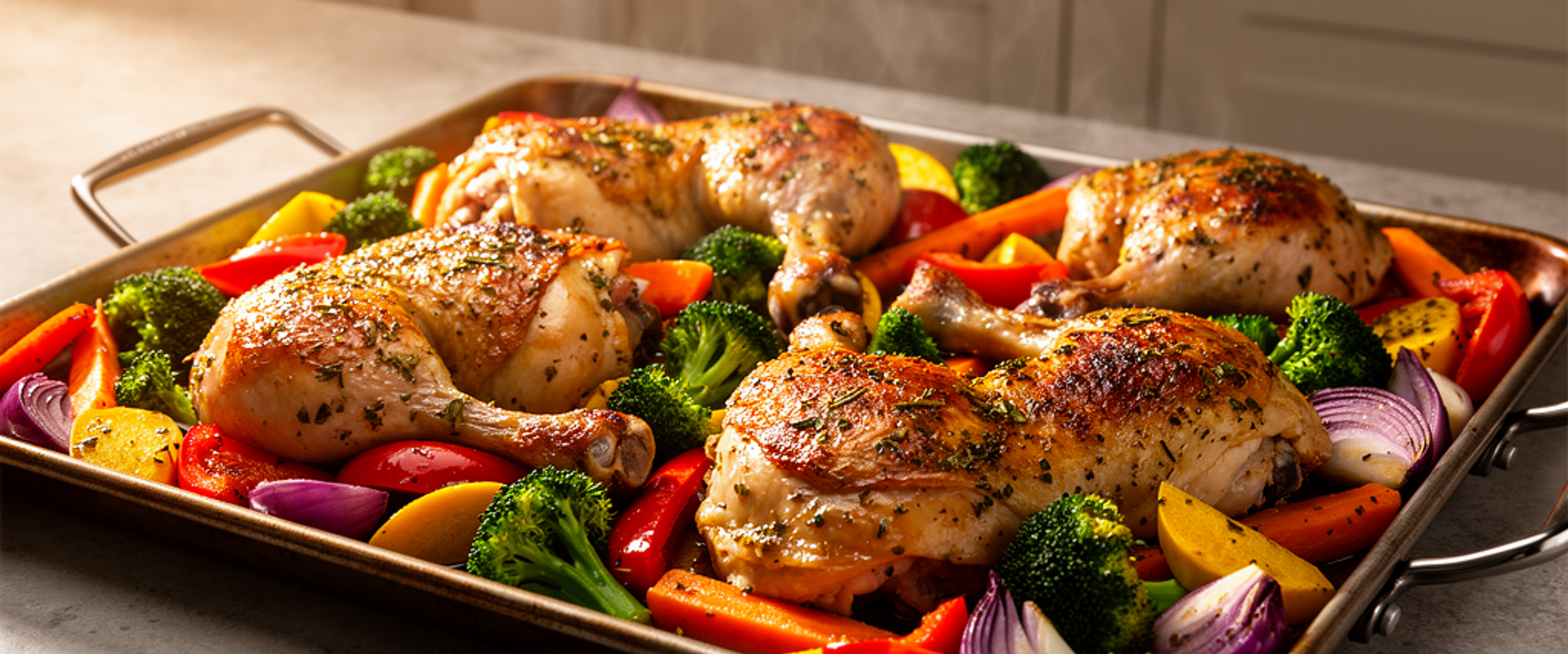
The premise is beautifully simple: toss a protein, a complex carbohydrate, and a colorful array of vegetables onto a single baking sheet. Roast them at 425°F for 25 minutes. Dinner is served, and you only have one pan to wash.
The Science of Roasting: Why It Works for Your Body and Your Palate
Before we dive into the combinations, let's look at why this method is so effective from both a culinary and nutritional standpoint.
When you roast food at high heat (like 425°F), you trigger the Maillard reaction. This is a chemical reaction between amino acids and reducing sugars that gives browned food its distinctive, savory flavor. If you grew up hating mushy, steamed Brussels sprouts, the Maillard reaction is the magic that transforms them into crispy, caramelized, delicious bites. When vegetables taste better, you eat more of them—making it significantly easier to hit the recommended 4 to 5 servings of vegetables per day.
From a nutrient retention standpoint, roasting is fantastic. Water-soluble vitamins—specifically Vitamin C and the B-complex vitamins—are highly susceptible to leaching when boiled in water. Because roasting uses dry heat, these vital nutrients remain largely intact inside the food.
Furthermore, tossing your ingredients in a healthy fat, like extra virgin olive oil or avocado oil, does more than prevent sticking. Vitamins A, D, E, and K are fat-soluble, meaning your body cannot absorb them efficiently without the presence of dietary fat. That drizzle of olive oil ensures you actually absorb the beta-carotene from your sweet potatoes and the Vitamin K from your broccoli.
The Master Formula for a Balanced Sheet Pan Plate
To build a meal that keeps your blood sugar stable and your energy levels high, you want to aim for a balance of macronutrients. Here is the visual breakdown of a perfect sheet pan:
- Half of the pan: Non-starchy vegetables. Think broccoli, bell peppers, zucchini, green beans, or asparagus. These provide bulk, fiber, and essential micronutrients.
- One-quarter of the pan: Protein. Aim for 4 to 6 ounces per person of chicken, salmon, tofu, shrimp, or lean pork. Protein is crucial for muscle repair and satiety.
- One-quarter of the pan: Complex carbohydrates. About 1/2 to 1 cup per person of diced sweet potatoes, baby potatoes, butternut squash, or chickpeas. These provide sustained energy.
- The Enhancers: 1 to 2 tablespoons of heart-healthy oil, plus herbs and spices.
The 425°F Rule and Timing Strategy
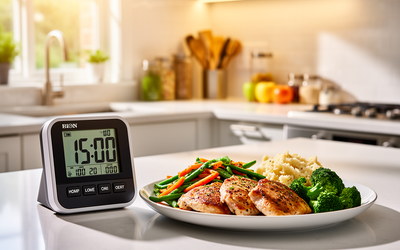
The magic numbers for sheet pan dinners are 425°F and 25 minutes. This temperature provides enough heat to caramelize starches and cook proteins safely without turning vegetables into mush.
However, not all foods cook at the exact same rate. To make everything finish perfectly at the 25-minute mark, you have two options:
- The Size Strategy: Cut dense foods (like sweet potatoes or carrots) into small, 1/2-inch cubes so they cook faster. Leave delicate foods (like bell peppers or broccoli) in larger chunks so they cook slower.
- The Stagger Strategy: Put the dense root vegetables in the oven first. Let them roast for 10 minutes, then pull the pan out and add your quick-cooking proteins (like shrimp or flaky fish) and delicate vegetables for the remaining 15 minutes.
8 Perfect Sheet Pan Combinations
Here are eight evidence-based, nutrient-dense combinations that rely on the 425°F / 25-minute framework.
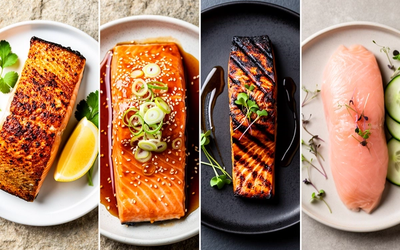
1. The Heart-Healthy Classic: Salmon, Asparagus, and Sweet Potatoes
- The Setup: Dice 1 cup of sweet potatoes into small 1/2-inch cubes. Toss with olive oil, salt, and pepper. Roast for 10 minutes. Remove the pan, push the potatoes to one side, and add a 6-ounce salmon fillet and a large handful of thick asparagus spears. Roast for the remaining 15 minutes.
- Nutrition Bonus: Salmon is rich in EPA and DHA, two omega-3 fatty acids heavily researched for their ability to support cardiovascular and brain health. Sweet potatoes provide a robust dose of beta-carotene, while asparagus acts as a prebiotic, feeding the beneficial bacteria in your gut microbiome.
2. The Fiber Powerhouse: Chicken Thighs, Broccoli, and Baby Potatoes
- The Setup: Halve 1 cup of baby yellow potatoes. Cut 1 cup of broccoli into large florets. Place 6 ounces of boneless, skinless chicken thighs on the pan. Toss everything in avocado oil, garlic powder, paprika, and a pinch of salt. Roast all together for 25 minutes.
- Nutrition Bonus: Chicken thighs are rich in iron and zinc. Broccoli is a cruciferous vegetable containing sulforaphane, a compound linked to cellular health and reduced inflammation. Leaving the skins on the baby potatoes provides excellent dietary fiber to support digestion.
3. The Plant-Based Crunch: Tofu, Bell Peppers, and Snap Peas
- The Setup: Press a 5-ounce block of extra-firm tofu to remove excess water, then cut into 1-inch cubes. Slice one red bell pepper into thick strips and grab a handful of sugar snap peas. Toss with sesame oil, a splash of low-sodium soy sauce, and ginger. Roast all together for 25 minutes.
- Nutrition Bonus: Tofu is a complete plant protein, meaning it contains all nine essential amino acids your body cannot produce on its own. Bell peppers are packed with Vitamin C, which actually enhances your body's ability to absorb the plant-based iron found in the tofu.
4. The Mediterranean Quick-Roast: Shrimp, Zucchini, and Cherry Tomatoes
- The Setup: Slice 1 medium zucchini into thick half-moons and leave 1 cup of cherry tomatoes whole. Toss with olive oil and oregano. Roast for 17 minutes. Remove the pan, add 6 ounces of peeled, raw shrimp tossed in a little garlic and lemon juice. Roast for the final 8 minutes. (Total time: 25 minutes).
- Nutrition Bonus: Cooking tomatoes increases the bioavailability of lycopene, a powerful antioxidant associated with heart and prostate health. Shrimp is a fantastic, low-calorie source of high-quality protein and iodine, which supports thyroid function.
5. The Satiety Booster: Chicken Sausage, Brussels Sprouts, and Butternut Squash
- The Setup: Slice one pre-cooked chicken or turkey sausage into coins. Halve 1 cup of Brussels sprouts. Dice 1 cup of butternut squash into small cubes. Toss with olive oil and a dash of cinnamon and thyme. Roast all together for 25 minutes.
- Nutrition Bonus: Brussels sprouts are rich in glucosinolates, which support the body's natural detoxification pathways. The combination of high-fiber squash and protein-rich sausage creates a highly satiating meal that will keep you full and energized for hours.
6. The Vegan Spice Market: Chickpeas, Cauliflower, and Carrots
- The Setup: Rinse and thoroughly dry 1/2 cup of canned chickpeas. Cut 1 cup of cauliflower into florets and slice 2 medium carrots into thin coins. Toss with olive oil, turmeric, cumin, and coriander. Roast all together for 25 minutes.
- Nutrition Bonus: Chickpeas provide a stellar combination of protein and soluble fiber, which helps regulate blood sugar. Turmeric contains curcumin, an active compound with potent anti-inflammatory properties—especially when paired with a little black pepper to boost its absorption.
7. The Autumn Harvest: Pork Tenderloin, Green Beans, and Apples
- The Setup: Slice 6 ounces of pork tenderloin into 1-inch thick medallions. Trim a handful of fresh green beans. Slice one firm apple (like Honeycrisp or Granny Smith) into thick wedges. Toss with olive oil and a little Dijon mustard. Roast all together for 25 minutes.
- Nutrition Bonus: Pork tenderloin is exceptionally lean and an excellent source of thiamin (Vitamin B1), which is essential for energy metabolism. Apples provide pectin, a type of soluble fiber that supports healthy cholesterol levels.
8. The Omega Boost: Cod, Kalamata Olives, Fennel, and Red Onion
- The Setup: Slice half a fennel bulb and half a red onion into thick wedges. Toss with olive oil and roast for 13 minutes. Remove the pan, add a 6-ounce cod fillet and a handful of pitted Kalamata olives. Roast for the remaining 12 minutes. (Total time: 25 minutes).
- Nutrition Bonus: This combination leans heavily into the Mediterranean dietary pattern. Cod is a fantastic source of lean protein and B12. Olives provide monounsaturated fats, which are highly beneficial for heart health and reducing systemic inflammation.
Practical Tips for Sheet Pan Success
To ensure your meals come out perfectly every time, keep these three practical tips in mind:
- Do Not Overcrowd the Pan: Vegetables need space for the hot air to circulate. If you pile everything on top of each other, the water evaporating from the vegetables will cause them to steam rather than roast. You will end up with soggy food instead of caramelization. If you are cooking for a family, use two sheet pans.
- Use Parchment Paper or a Silicone Mat: Healthy eating should not be punished with an hour of scrubbing baked-on juices. Lining your pan ensures cleanup takes less than sixty seconds.
- Dry Your Ingredients: Water is the enemy of roasting. Before tossing your vegetables, tofu, or chickpeas in oil, pat them dry with a clean kitchen towel or paper towel. This simple step is the difference between mushy and crispy.
The Takeaway
Healthy eating does not have to be a complicated math equation or a grueling chore. By utilizing the 425°F sheet pan method, you can consistently put nourishing, balanced, and delicious meals on the table with minimal effort.
Pick one of the combinations above that sounds good to you, grab the ingredients on your next grocery run, and give it a try. Remember, the goal isn't to eat perfectly—it is to find practical, enjoyable ways to feed your body well, one pan at a time.