The Best Healthy Snacks You Can Make in Under 10 Minutes
Ditch the vending machine with these science-backed, 10-minute snacks. Learn how to combine protein, fiber, and healthy fats for sustained energy with easy recipes like apple nachos, yogurt bark, and savory cottage cheese bowls.

It is 3:00 PM. Your energy is flagging, your focus is drifting, and your stomach is starting to rumble. You need a snack. But if you spend more than five minutes scrolling through nutrition advice online, you will likely end up more overwhelmed than when you started. One influencer tells you fruit has too much sugar; another insists protein bars are just candy in disguise; a third says you shouldn't snack at all and should just drink a glass of water.
Let’s cut through the noise. Snacking is a completely normal, biologically appropriate response to hunger. When done well, snacking bridges the gap between meals, stabilizes your blood sugar, and provides an excellent opportunity to sneak in essential nutrients you might have missed at breakfast or lunch.
You do not need to rely on ultra-processed vending machine fare, nor do you need to spend your entire Sunday meal-prepping complex recipes. Here is the science-backed guide to building satisfying, nutrient-dense snacks in under ten minutes, complete with specific, actionable recipes you can make today.
The Science of a Satisfying Snack
Before we dive into the recipes, it helps to understand what makes a snack actually work. A truly satisfying snack relies on a simple nutritional framework: The Snack Trifecta.
To build sustained energy, you want to combine:
- Carbohydrates: Your brain and body's preferred source of quick energy.
- Protein: The building block that signals the release of satiety hormones like peptide YY and GLP-1, telling your brain you are full.
- Healthy Fats: Fats slow down gastric emptying (the rate at which food leaves your stomach), which prevents the carbohydrates from spiking your blood sugar and crashing later.
Research published in the American Journal of Clinical Nutrition demonstrates that pairing fiber-rich carbohydrates with protein and fat significantly increases satiety and stabilizes blood glucose compared to eating carbohydrates alone.
When you eat an apple by itself, it digests quickly. You get a quick burst of energy, but you might be hungry again in 45 minutes. Add a scoop of peanut butter, and you have transformed a fleeting carbohydrate into a sustained energy source that will easily power you through to dinner.
Here are six incredibly easy, 10-minute snacks that perfectly execute this nutritional science.
1. Apple Nachos: The Upgrade to Plain Fruit
Eating a whole apple can sometimes feel a bit uninspiring. Apple nachos take the exact same ingredients and turn them into a textural, flavor-packed experience that feels like a treat.
How to Make It
Thinly slice one medium apple (like a Honeycrisp or Granny Smith) and arrange the slices on a plate, slightly overlapping. Warm 2 tablespoons of natural peanut butter or almond butter in the microwave for 15 seconds so it becomes runny. Drizzle the nut butter over the apples. Sprinkle with 1 tablespoon of hemp hearts, a dash of cinnamon, and a teaspoon of mini dark chocolate chips.
Why It Works Nutritionally
Apples are rich in pectin, a type of soluble fiber that acts as a prebiotic, feeding the beneficial bacteria in your gut microbiome. By leaving the skin on, you maximize the fiber content. The nut butter provides monounsaturated fats and a modest amount of protein, while the hemp hearts are a nutritional powerhouse, offering a complete plant-based protein and an optimal ratio of omega-3 to omega-6 fatty acids to support brain health and reduce inflammation.
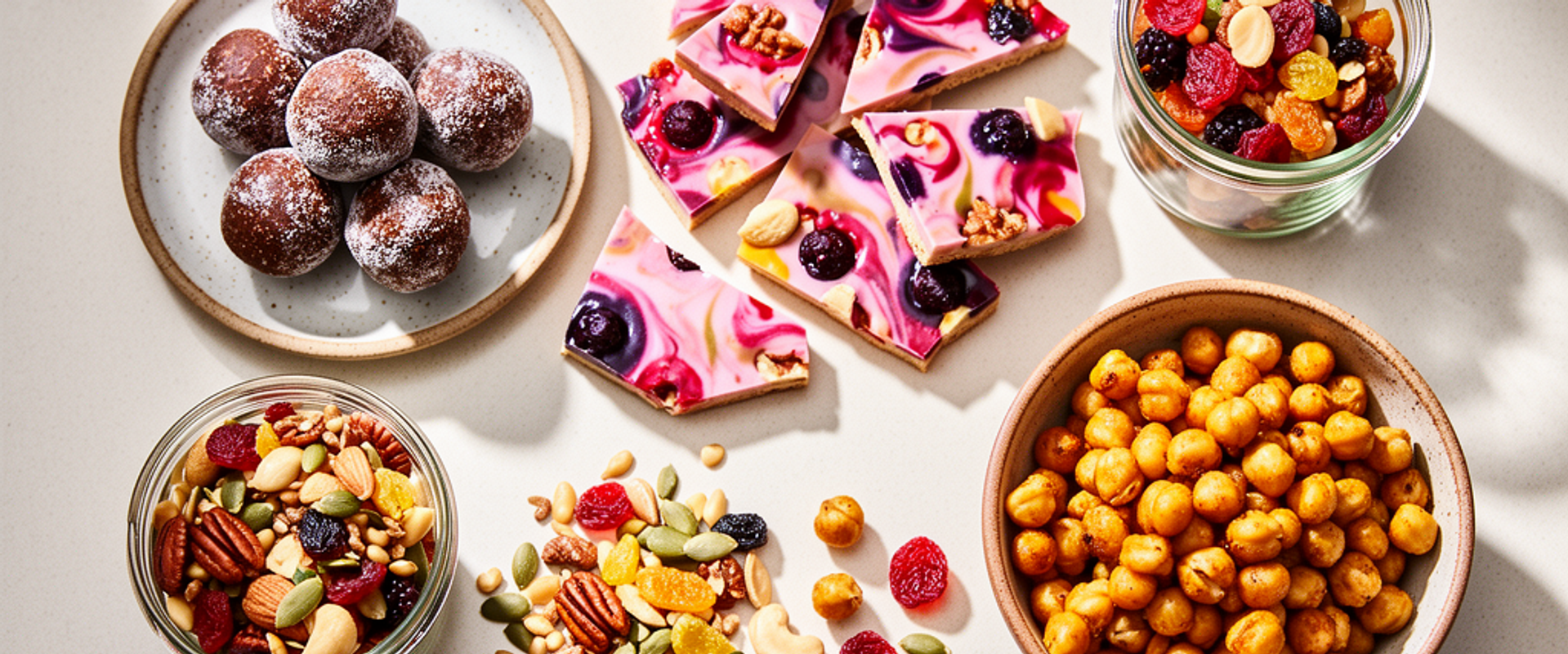
2. No-Bake Energy Balls: The Ultimate Grab-and-Go
Energy balls are the perfect solution for busy mornings or pre-workout fuel. While they need to chill to set properly, the active preparation takes less than 10 minutes, and one batch will last you all week.
How to Make It
In a medium bowl, combine 1 cup of rolled oats, 1/2 cup of creamy peanut butter, 1/3 cup of honey or maple syrup, 1/4 cup of chia seeds, 1 teaspoon of vanilla extract, and a pinch of salt. Stir until thoroughly combined. If the mixture feels too dry, add a splash of water or milk. Roll the mixture into bite-sized balls (about the size of a ping-pong ball). This makes about 12 balls. Store them in an airtight container in the fridge.
Serving Size
Two energy balls make a perfect, satisfying snack portion.
Why It Works Nutritionally
Oats contain beta-glucan, a unique type of soluble fiber that has been shown in numerous clinical studies to support heart health and stabilize blood sugar. Chia seeds are hydrophilic, meaning they absorb water and expand in your digestive tract, which physically promotes a feeling of fullness. The combination of complex carbs from the oats and healthy fats from the nut butter provides a slow, steady release of energy.
3. 10-Minute Skillet Roasted Chickpeas: The Savory Crunch
If you crave the salty, savory crunch of potato chips, roasted chickpeas are your new best friend. While oven-roasting takes 30 minutes, you can achieve a similar result in a fraction of the time using a stovetop skillet.
How to Make It
Drain and thoroughly rinse one 15-ounce can of chickpeas. Pat them completely dry with a clean kitchen towel (the drier they are, the crispier they will get). Heat 1 tablespoon of olive oil in a skillet over medium-high heat. Add the chickpeas and cook for 7-8 minutes, shaking the pan frequently until they begin to blister and pop. Remove from heat and immediately toss with 1/2 teaspoon of smoked paprika, 1/4 teaspoon of garlic powder, and a generous pinch of sea salt.
Serving Size
About 1/2 cup of cooked chickpeas.
Why It Works Nutritionally
Legumes like chickpeas are nutritionally unique because they are an excellent source of both plant-based protein and dietary fiber. A half-cup serving provides roughly 7 grams of protein and 6 grams of fiber. This combination is incredibly effective at promoting satiety. Furthermore, olive oil provides heart-healthy oleic acid, which helps your body absorb the fat-soluble vitamins present in your diet.
4. Greek Yogurt Bark: The Ice Cream Alternative
Yogurt bark is a refreshing, textural delight that feels like you are eating a dessert, but it boasts the nutritional profile of a balanced breakfast. Like the energy balls, the active prep is under 10 minutes, though it requires freezer time.
How to Make It
Line a baking sheet with parchment paper. In a bowl, mix 1.5 cups of plain, whole-milk Greek yogurt with 1 tablespoon of maple syrup and 1 teaspoon of vanilla extract. Spread the yogurt mixture onto the parchment paper in an even layer, about 1/4-inch thick. Top with 1/2 cup of sliced strawberries, 1/4 cup of blueberries, and 2 tablespoons of crushed pistachios. Place in the freezer for 2-3 hours until solid. Break into shards and store in a freezer-safe bag.
Serving Size
2-3 shards (roughly equivalent to a 1/2 cup of yogurt).
Why It Works Nutritionally
Greek yogurt is strained to remove excess whey, resulting in a product that has roughly double the protein of regular yogurt (about 15-20 grams per serving). It also contains live active cultures (probiotics) that support gut health. By choosing whole-milk yogurt, you are including dairy fats that not only make the bark creamier and prevent it from turning into an ice block, but also help keep you full. The berries add antioxidants, specifically anthocyanins, which have been linked to cognitive health.
5. Custom DIY Trail Mix: The Nutrient-Dense Handful
Store-bought trail mixes are often loaded with sugary candies, yogurt-covered pretzels, and deep-fried banana chips. Making your own takes exactly three minutes and allows you to control the nutritional profile.
How to Make It
Use the "Trail Mix Formula" to build your own batch in a large mason jar:
- The Base (1.5 cups): Unsalted, raw or dry-roasted nuts (almonds, walnuts, pecans).
- The Crunch (1/2 cup): Seeds (pumpkin seeds, sunflower seeds).
- The Chewy (1/2 cup): Unsweetened dried fruit (tart cherries, raisins, chopped dates).
- The Treat (1/4 cup): Dark chocolate chips (70% cacao or higher) or cacao nibs.
Shake the jar to mix.
Serving Size
1/4 to 1/3 cup. Nuts are incredibly nutrient-dense, meaning a small handful packs a lot of energy and nutrition.
Why It Works Nutritionally
Walnuts are one of the best plant sources of alpha-linolenic acid (ALA), an omega-3 fatty acid. Pumpkin seeds are exceptionally high in magnesium, a mineral that plays a crucial role in over 300 enzymatic reactions in the body, including energy production and muscle relaxation. Dark chocolate provides flavonoids, which studies suggest can improve blood flow and lower blood pressure.
6. Cottage Cheese Bowls: The High-Protein Chameleon
Cottage cheese has made a massive comeback in the nutrition world, and for good reason. It is a blank canvas that can go sweet or savory, making it one of the most versatile 10-minute snacks you can keep in your fridge.
How to Make It (Two Ways)
The Savory Bowl: Top 1/2 cup of cottage cheese with a handful of halved cherry tomatoes, a sprinkle of Everything Bagel seasoning, a drizzle of high-quality extra virgin olive oil, and a few crackles of black pepper.
The Sweet Bowl: Top 1/2 cup of cottage cheese with 1/2 cup of thawed frozen raspberries, 1 tablespoon of slivered almonds, and a tiny drizzle of honey.
Why It Works Nutritionally
Cottage cheese is primarily made up of casein protein. Unlike whey protein, which digests very quickly, casein forms a gel in the stomach and digests slowly. This provides a steady, sustained release of amino acids into your bloodstream over several hours, making cottage cheese an incredibly satiating food. A half-cup serving provides roughly 14 grams of high-quality protein.
How to Stock a 10-Minute Snack Pantry
The secret to eating well consistently isn't having superhuman willpower; it is having a well-stocked environment. When you are hungry and tired, you will eat whatever is easiest. Make the nourishing choice the easiest choice.
Keep these staples on hand to ensure you can always make a 10-minute snack:
- Pantry: Rolled oats, chia/hemp seeds, an assortment of nuts, canned chickpeas, natural nut butters, and dark chocolate chips.
- Fridge: Plain Greek yogurt, cottage cheese, and fresh, hardy fruits like apples or oranges.
- Freezer: Frozen berries (they are picked at peak ripeness and are often cheaper and more nutrient-dense than out-of-season fresh berries).
The Practical Takeaway
You do not need to overcomplicate your nutrition to see real benefits in your energy levels and overall health. By focusing on the simple framework of combining protein, fiber, and healthy fats, you can build snacks that genuinely nourish you and keep you full.
Pick two of the snacks from this list to try this week. Add the ingredients to your grocery list, put them in an accessible spot in your kitchen, and give yourself permission to enjoy a snack that actually serves your body and your tastebuds. Nourishing yourself should feel good, not stressful.