How to Cook Dried Beans from Scratch (It's Easier Than You Think)
Intimidated by dried beans? Discover the simple science of soaking, seasoning, and batch-cooking dried beans for better flavor, texture, and nutrition than canned.

Nutrition advice can often feel like a dizzying labyrinth of conflicting rules. One day a food is a superfood; the next, it is heavily debated. But if there is one food category that nearly all nutrition scientists, dietitians, and epidemiological researchers agree on, it is legumes. Beans are a cornerstone of many of the longest-living populations in the world.
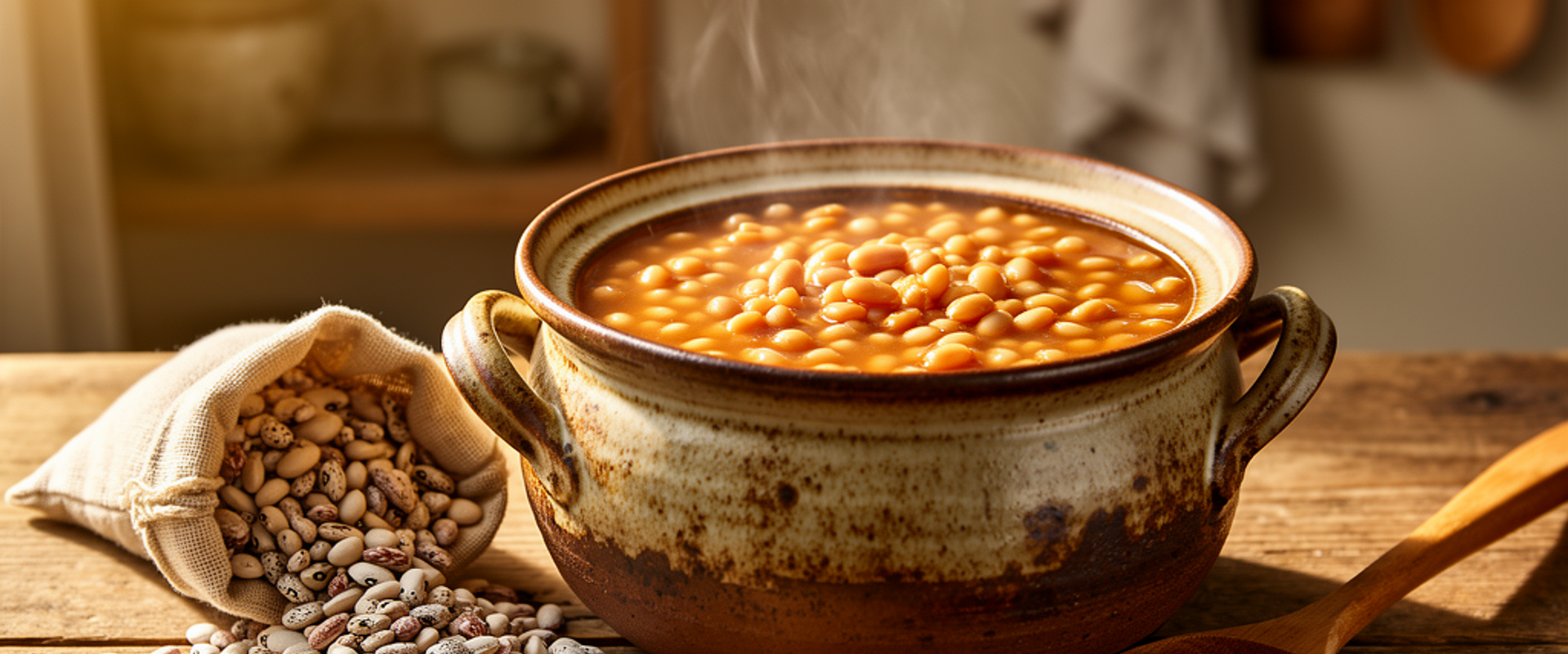
Yet, when we talk about eating more beans, most of us reach for a can. Canned beans are a fantastic, convenient option. However, if you want to elevate your meals, save money, and unlock superior texture and flavor, learning to cook dried beans from scratch is a game-changer.
It might seem intimidating—visions of soaking beans for days or crunching into an undercooked chickpea often keep people away. But cooking dried beans is mostly hands-off, and the science behind it is surprisingly straightforward. Here is your friendly, evidence-based guide to cooking dried beans from scratch.
Why Bother With Dried Beans?
It is easy to wonder if the extra effort is worth it. When you compare a $1 bag of dried beans to a $3 equivalent in canned beans, the benefits extend far beyond your grocery budget.
Superior Texture and Flavor
Canned beans sit in their liquid for months, which can result in a mushy texture and a metallic, overly salty aftertaste. When you cook dried beans, you control the firmness. You can cook chickpeas until they are buttery soft for hummus, or leave them slightly firm for roasting or tossing into salads. Furthermore, dried beans act like flavor sponges. When you cook them with aromatics like garlic, onion, and herbs, the beans absorb those flavors from the inside out.
The Nutritional Edge
From a macronutrient perspective, a 1/2-cup serving of cooked beans (like black beans or pinto beans) provides about 7 to 8 grams of plant-based protein and 7 to 9 grams of dietary fiber. Considering that only about 5% of American adults meet the recommended daily fiber intake, beans are a nutritional powerhouse that support digestion, heart health, and steady blood sugar levels.
Cooking from scratch also allows you to control the sodium. While rinsing canned beans removes about 40% of their sodium, cooking dried beans lets you season them perfectly with a fraction of the salt used in commercial canning. Additionally, cooking dried beans eliminates any concerns about BPA or other chemical linings found in some aluminum cans.
To Soak or Not to Soak? (The Great Bean Debate)
If you have ever avoided dried beans because you forgot to soak them the night before, you are not alone. But do you actually have to soak them? The short answer is no, but soaking does have distinct advantages.
The Science of Soaking
Beans contain complex carbohydrates called oligosaccharides (specifically raffinose and stachyose). Humans lack the enzyme needed to break these down in the small intestine. When they reach the large intestine, our gut bacteria ferment them, which produces gas. Research shows that soaking beans and discarding the soaking water can significantly reduce these gas-producing compounds, making beans much easier to digest.
Soaking also reduces phytic acid, a naturally occurring compound that can bind to minerals like iron, zinc, and calcium, slightly reducing their absorption. By soaking your beans, you make these essential minerals more bioavailable.
Three Ways to Prep Your Beans
- The Traditional Overnight Soak: Place your beans in a large bowl and cover them with about three inches of water. Let them sit on the counter for 8 to 12 hours. Drain and rinse before cooking. This ensures the most even cooking and the greatest reduction in oligosaccharides.
- The Quick Soak (For the Forgetful Cook): Place the beans in a pot, cover with water, and bring to a rolling boil for two minutes. Turn off the heat, cover the pot, and let it sit for exactly one hour. Drain, rinse, and you are ready to cook. This mimics the overnight soak in a fraction of the time.
- The No-Soak Method: If you are using a slow cooker, an Instant Pot, or just have a few hours to simmer a pot on the stove, you can skip soaking entirely. The beans will take about 20% to 30% longer to cook, and the broth will be thicker and darker.
How to Cook Dried Beans: A Step-by-Step Guide
Cooking beans is not a precise culinary art; it is a forgiving process. Here is how to do it perfectly every time.
Step 1: Sort and Rinse
Pour your dried beans onto a rimmed baking sheet or a clean counter. Sift through them quickly to remove any shriveled beans, small pebbles, or twigs (agricultural debris is common). Toss them in a colander and give them a quick rinse.
Step 2: Choose Your Vessel
On the Stovetop: Place the soaked beans in a large heavy-bottomed pot or Dutch oven. Cover them with about two inches of fresh water or low-sodium vegetable broth. Bring to a gentle boil, then reduce the heat to a low simmer. Cover with a lid left slightly ajar. Cooking times (soaked): Black beans (45-60 mins), Pinto beans (60-90 mins), Chickpeas (90-120 mins).
In the Slow Cooker: Place soaked or unsoaked beans in the slow cooker. Cover with two inches of water. Cook on LOW for 6 to 8 hours or HIGH for 3 to 5 hours. (Safety Note: Kidney beans contain a toxin called phytohaemagglutinin that is only destroyed at boiling temperatures. If cooking dried kidney beans in a slow cooker, you MUST boil them on the stovetop for 10 minutes first).
In the Instant Pot (Pressure Cooker): This is the holy grail for unsoaked beans. Add beans and water (about 3 cups of water per 1 cup of dried beans). Cook on high pressure. Cooking times (unsoaked): Black beans (30 mins), Pinto beans (30 mins), Chickpeas (40 mins). Let the pressure release naturally for 15 minutes before opening.
Step 3: The Golden Rules of Seasoning
Rule 1: Salt Early. An old culinary myth insists that salting beans before they are fully cooked makes them tough. Food science has completely debunked this. In fact, salt replaces some of the calcium and magnesium ions in the bean skins, allowing them to soften more easily. Add about 1 teaspoon of kosher salt per cup of dried beans right at the beginning of cooking.
Rule 2: Add Aromatics. Do not just boil beans in plain water. Add a halved onion, a few smashed garlic cloves, a bay leaf, and perhaps a sprig of fresh rosemary or thyme. A dash of olive oil in the cooking water also helps prevent foaming and adds a rich mouthfeel.
Rule 3: Acid Late. Unlike salt, acidic ingredients (like tomatoes, lemon juice, vinegar, or wine) will toughen the bean skins and prevent them from softening. Always wait until the beans are completely tender before adding any acid to the pot.
The Economics and Logistics: Batch Cooking and Freezing
One cup of dried beans yields about three cups of cooked beans. Since most standard recipes call for one 15-ounce can of beans (which contains about 1.5 cups of cooked beans), a single pound of dried beans will give you the equivalent of three to four cans.
To make this a sustainable habit, embrace batch cooking. Cook a whole pound of dried beans on a Sunday afternoon.
How to Freeze Beans: Let the cooked beans cool completely. Portion them out into 1.5-cup servings (the exact equivalent of one can) into freezer-safe bags or glass containers. Crucial tip: Freeze them in their cooking liquid! The starchy, flavorful broth protects the beans from freezer burn and keeps their texture creamy. They will keep in the freezer for up to six months. When you need a "can" of beans for a recipe, simply thaw a container in the fridge overnight or defrost it in the microwave.
Practical Meal Ideas & Swaps (Using Your Beans Today)
Now that you have a fridge or freezer full of perfectly cooked, flavorful beans, how do you use them? Here are three practical ways to incorporate them into your week, without feeling like you are on a restrictive diet.
1. Creamy White Bean and Greens Pasta
The Swap: Instead of heavy cream, use Cannellini or Great Northern beans to create a rich, satisfying pasta sauce. How to do it: Sauté garlic and red pepper flakes in olive oil. Add 1.5 cups of cooked white beans and a splash of vegetable broth. Use a potato masher to smash about half of the beans into a creamy paste. Toss in a few handfuls of spinach or kale until wilted, then stir in your favorite cooked pasta. Top with a squeeze of lemon juice (remember, acid at the end!) and a sprinkle of parmesan or nutritional yeast.
2. Smoky Black Bean and Sweet Potato Bowls
The Swap: Swap out half the meat in your weekly taco night for deeply flavored black beans. How to do it: Toss cubed sweet potatoes with olive oil, smoked paprika, and cumin, and roast at 400°F (200°C) for 25 minutes. Warm your home-cooked black beans in a skillet with a pinch of chili powder and oregano. Serve the sweet potatoes and black beans in a bowl over quinoa or brown rice, topped with sliced avocado, fresh salsa, and a dollop of plain Greek yogurt or cashew cream. This meal provides a massive dose of fiber, potassium, and complex carbohydrates to keep your energy stable.
3. Crispy Spiced Chickpea Snacks
The Swap: Replace highly processed potato chips with roasted chickpeas for a crunchy, protein-rich afternoon snack. How to do it: Take 1.5 cups of your cooked chickpeas and dry them thoroughly with a clean kitchen towel (the drier they are, the crispier they get). Toss them with 1 tablespoon of olive oil, a pinch of salt, garlic powder, and a little cayenne pepper. Spread them on a baking sheet and roast at 400°F (200°C) for 25 to 30 minutes, shaking the pan halfway through. Let them cool on the pan to achieve maximum crunch.
The Practical Takeaway
Eating well does not require buying expensive superfoods or following rigid, restrictive meal plans. Sometimes, the most profound changes to our health and our grocery budgets come from returning to basics.
Cooking dried beans from scratch is ultimately just boiling water. By taking a few minutes to soak them, flavoring the water with aromatics, and batch-freezing the leftovers, you give yourself access to a cheap, delicious, and deeply nutritious staple. Pick up a bag of dried black beans or chickpeas this weekend, try the quick-soak method, and taste the difference for yourself. Your palate, your gut microbiome, and your wallet will thank you.