The Ultimate Salad Formula: How to Build a Bowl That Keeps You Full for Hours
Tired of feeling hungry an hour after eating a salad? Discover the science-backed, six-step formula to build a satisfying, nutrient-dense salad that actually keeps you full and fueled all afternoon.

We have all experienced the phenomenon of the "sad desk salad."
You know the one. You pack a bowl of lettuce, a few cherry tomatoes, some cucumber slices, and a drizzle of fat-free dressing in a noble attempt to eat well. You finish it at noon, feeling virtuous. But by 1:30 PM, your stomach is growling, your brain is foggy, and you are desperately rummaging through the office pantry looking for a bag of chips or a leftover pastry.
Why does this happen? Because a bowl of raw vegetables is a side dish, not a meal.
For decades, conflicting nutrition advice and restrictive diet culture have taught us to view salads as a way to eat as few calories as possible. But food is fuel, and your body requires a symphony of macronutrients to function optimally, maintain steady blood sugar, and send signals of fullness to your brain.
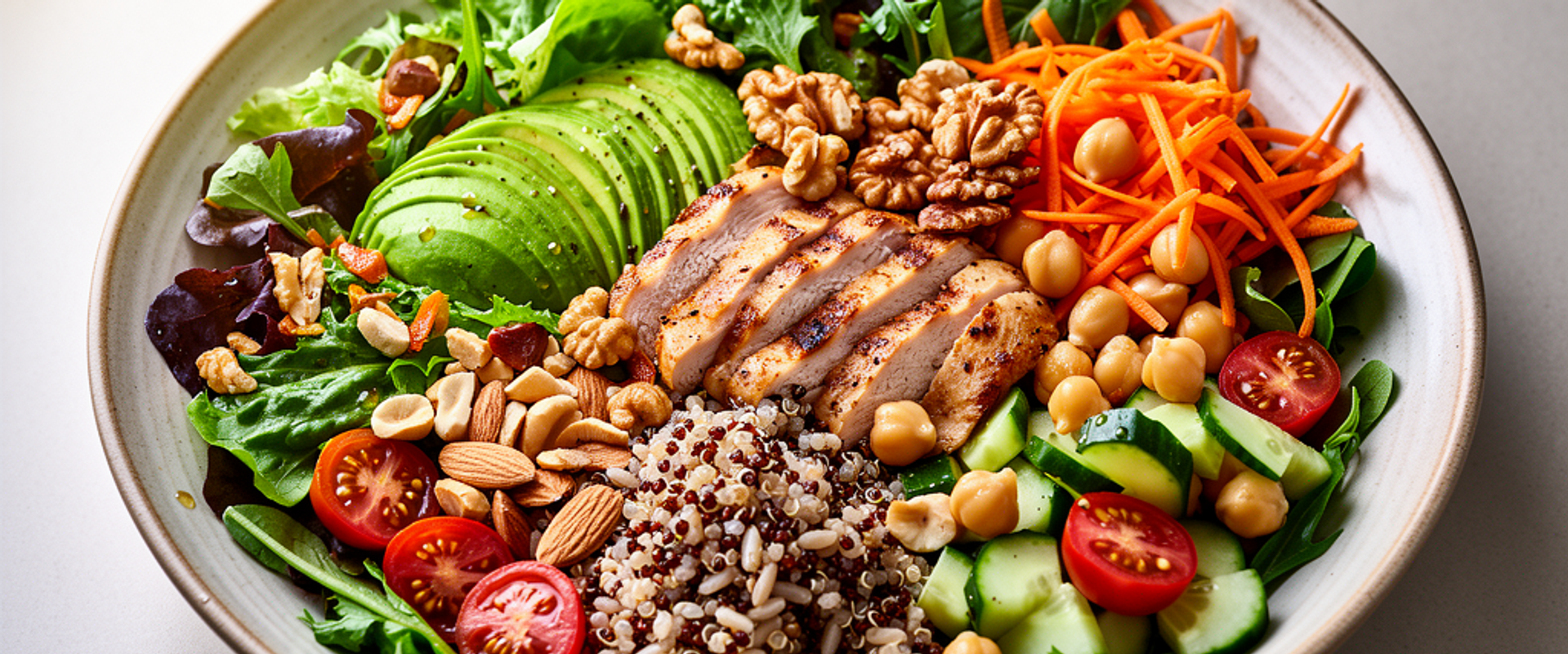
If you want to eat better without feeling deprived, it is time to rethink the salad. By utilizing a simple, science-backed formula—Greens + Protein + Healthy Fat + Complex Carb + Crunch + Dressing—you can build a vibrant, delicious bowl that keeps you satisfied for hours.
The Science of Satiety: Why Most Salads Fail
To understand how to build a better salad, we first need to understand how our bodies perceive fullness. Satiety—the feeling of being full and satisfied after a meal—is not just about how much food is in your stomach. It is a complex process involving mechanical stretch receptors in your digestive tract and the release of various hormones.
Most traditional "diet" salads fail because they lack the three pillars of satiety: protein, fat, and complex carbohydrates.
When you eat a meal composed entirely of water-rich vegetables, your stomach empties very quickly. Furthermore, without protein, your body does not adequately suppress ghrelin (the "hunger hormone") or stimulate peptide YY (a hormone that reduces appetite). Without fat, digestion happens too rapidly, leading to a quick spike and crash in blood sugar.
To build a salad that acts as a true meal, we need to slow down digestion, stabilize blood sugar, and provide your body with sustained energy. Here is the six-step formula to do exactly that.
Step 1: The Foundation (Greens and Veggies)
Every great salad starts with a nutrient-dense base. Dark leafy greens provide volume, which physically stretches the stomach and signals the brain that you are eating a substantial amount of food. They are also packed with fiber, which aids in digestion and gut health.
How to build it: Aim for 2 to 3 cups of leafy greens per person.
Actionable Tips:
- Mix your textures: Combine soft greens like spinach or butter lettuce with sturdy, crunchy greens like romaine, kale, or shaved Brussels sprouts.
- Massage your kale: If you use kale, drizzle it with a tiny bit of olive oil and lemon juice, and massage it with your hands for 60 seconds. This breaks down the tough cellulose structure, making it sweeter, softer, and much easier to digest.
- Add "bonus" veggies: Do not stop at greens. Add 1/2 to 1 cup of other colorful, non-starchy vegetables like bell peppers, zucchini, carrots, or tomatoes. These provide a wide spectrum of antioxidants and phytonutrients.
Step 2: The Anchor (Protein)
Protein is the most satiating macronutrient. It takes more energy for your body to digest protein than carbohydrates or fats, and it plays a vital role in preserving lean muscle mass and keeping you full.
If you take only one piece of advice from this article, let it be this: never eat a meal-sized salad without a substantial source of protein.
How to build it: Aim for 25 to 35 grams of protein in your bowl.
Actionable Swaps and Portions:
- Poultry: 4 to 5 ounces of grilled or roasted chicken or turkey breast (about the size of your palm).
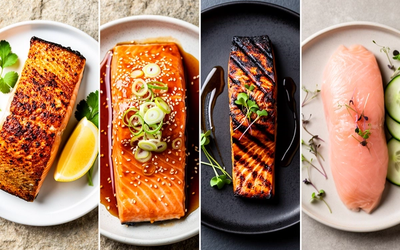
- Seafood: 4 to 5 ounces of baked salmon, canned tuna, or shrimp. Salmon offers the added benefit of omega-3 fatty acids.
- Plant-Based Powerhouses: 1 cup of cooked lentils or edamame (approx. 18g protein), 4 to 5 ounces of baked tempeh or firm tofu, or 1/2 cup of roasted chickpeas combined with a sprinkle of hemp hearts.
- Eggs & Dairy: 2 large hard-boiled eggs paired with 1/2 cup of cottage cheese or a generous sprinkle of feta.
Step 3: The Sustainer (Healthy Fats)
For years, we were told to avoid fat in our salads. This was a critical mistake. Dietary fat slows down gastric emptying, meaning the food stays in your stomach longer, providing a slow, steady release of energy.
More importantly, fat is biologically necessary to absorb the nutrients in your greens. Vitamins A, D, E, and K are fat-soluble. Research from Purdue University demonstrated that eating salads with fat-free dressing significantly reduces the absorption of beneficial carotenoids (like beta-carotene and lycopene) from vegetables. To get the nutritional benefits of your salad, you need fat.
How to build it: Add 1 to 2 thumb-sized portions of healthy, unsaturated fats.
Actionable Swaps and Portions:
- 1/3 to 1/2 of a medium avocado.
- 2 tablespoons of nuts or seeds (walnuts, almonds, pistachios, sunflower seeds).
- 1 to 2 tablespoons of extra virgin olive oil (often used in the dressing).
- 1/4 cup of olives.
Step 4: The Energy Source (Complex Carbs)
Carbohydrates are not the enemy; they are your brain's preferred source of fuel. A salad entirely devoid of carbs will likely leave you feeling lethargic and craving sugar by mid-afternoon.
The key is to choose complex carbohydrates. Unlike refined carbs, complex carbs are rich in fiber, which blunts the blood sugar response and provides long-lasting, sustained energy.
How to build it: Add 1/2 to 1 cup of cooked complex carbohydrates to your bowl.
Actionable Swaps and Portions:
- Roasted Root Vegetables: Cubed sweet potatoes, butternut squash, or baby potatoes. Roasting them ahead of time brings out their natural sweetness.
- Intact Grains: Quinoa, farro, wild rice, or barley. These have a wonderful chewy texture that holds up well in salads.
- Legumes: Black beans, kidney beans, or chickpeas (these double as a secondary protein source!).
- Fruit: Sliced apples, pears, berries, or a small handful of dried cranberries (look for unsweetened or fruit-juice sweetened varieties).
Step 5: The Crunch (Sensory Satisfaction)
We don't just eat for physical fullness; we eat for psychological satisfaction. Food scientists study a concept called "sensory-specific satiety." If a meal is entirely one texture—like a bowl of soft, wilted greens—your brain gets bored, and you feel unsatisfied, even if you have consumed enough calories.
Adding a distinct, audible crunch makes the meal significantly more enjoyable and satisfying.
How to build it: Sprinkle 1 to 2 tablespoons of a wildly crunchy element right before eating.
Actionable Swaps:
- Toasted pumpkin seeds (pepitas) or slivered almonds.
- Roasted, spiced chickpeas (bake them until they are crispy).
- Raw, thinly sliced radishes, celery, or red cabbage.
- A small handful of crushed whole-grain pita chips or tortilla strips.
Step 6: The Tie That Binds (Dressing)
Store-bought dressings can be convenient, but they are often filled with emulsifiers, cheap industrial seed oils, and hidden sugars. Making your own dressing is incredibly simple, highly cost-effective, and allows you to control the flavor profile.
A classic vinaigrette relies on a simple ratio: 3 parts oil to 1 part acid.
How to build it: Whisk or shake together:
- 3 tablespoons of extra virgin olive oil (or avocado oil)
- 1 tablespoon of acid (balsamic vinegar, apple cider vinegar, or fresh lemon juice)
- 1 teaspoon of an emulsifier (Dijon mustard or tahini—this keeps the oil and vinegar from separating)
- A pinch of sea salt and black pepper
- Optional: 1/2 teaspoon of honey or maple syrup to balance the acidity.
Note: A standard serving of dressing is about 2 tablespoons.
Meal Prep Magic: How to Avoid a Soggy Salad
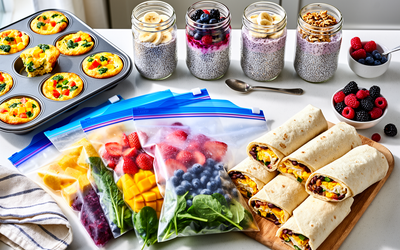
If you are packing your salad for work, the way you layer your ingredients is the difference between a crisp, appetizing meal and a soggy, unedible mess. Use the "Mason Jar Method" or apply these layering rules to a standard container:
- Bottom Layer: The dressing. Always keep the liquid at the very bottom.
- Hard Vegetables: Carrots, cucumbers, bell peppers, and radishes. These can sit in the dressing without getting soggy; in fact, they will marinate and taste better.
- Beans and Grains: Quinoa, lentils, chickpeas, or beans.
- Protein and Fat: Chicken, tofu, eggs, and cheese.
- Top Layer: Your delicate leafy greens. Keeping them at the very top, far away from the dressing, ensures they stay crisp.
- Pack Separately: Keep your "crunch" elements (nuts, seeds, croutons) in a small separate baggie so they don't absorb moisture.
Put It Into Practice: 3 Satiety-Boosting Salad Formulas
Ready to build? Here are three complete meal ideas you can try this week, utilizing the six-step formula.
1. The Mediterranean Power Bowl
- Greens: 2 cups mixed spring greens and 1 cup chopped romaine.
- Protein: 4 oz grilled chicken breast (or 1 cup baked falafel for a vegetarian option).
- Healthy Fat: 2 tbsp kalamata olives and 1 oz crumbled feta cheese.
- Complex Carb: 1/2 cup cooked quinoa.
- Crunch: Sliced cucumbers and 1 tbsp toasted pine nuts.
- Dressing: Lemon-herb vinaigrette (olive oil, lemon juice, Dijon, dried oregano).
2. The Sweet Potato & Black Bean Fiesta
- Greens: 3 cups chopped spinach.
- Protein: 1/2 cup black beans and 3 oz cooked ground turkey (or swap turkey for extra beans and hemp seeds).
- Healthy Fat: 1/3 sliced avocado.
- Complex Carb: 1/2 cup roasted sweet potato cubes.
- Crunch: 2 tbsp pumpkin seeds (pepitas) and raw diced red bell pepper.
- Dressing: Cilantro-lime dressing (olive oil, lime juice, blended with fresh cilantro and a pinch of cumin).
3. The Crunchy Thai-Inspired Edamame Salad
- Greens: 2 cups shredded Napa cabbage and 1 cup baby kale.
- Protein: 1 cup shelled edamame or 4 oz baked tofu.
- Healthy Fat: Peanut dressing (see below) and 1 tbsp crushed peanuts.
- Complex Carb: 1/2 cup cooked brown rice or soba noodles.
- Crunch: Shredded carrots, snap peas, and sliced water chestnuts.
- Dressing: Peanut-ginger sauce (1 tbsp natural peanut butter, 1 tsp sesame oil, 1 tbsp rice vinegar, 1 tsp low-sodium soy sauce, grated fresh ginger).
The Practical Takeaway
Eating a salad should never feel like a punishment, nor should it leave you starving an hour later. By shifting your mindset away from restriction and focusing instead on addition—adding adequate protein, embracing healthy fats, and including energy-sustaining complex carbs—you transform a flimsy side dish into a powerful, satisfying meal.
The next time you are prepping lunch, run through the checklist: Greens, Protein, Fat, Carb, Crunch, Dressing. When you give your body the complete nutrition it actually needs, you will find yourself with more energy, sharper focus, and zero desire to raid the snack drawer at 2 PM.