5 Easy 30-Minute Sheet Pan Meal Preps for Maximum Nutrition
Short on time but want to eat well? Discover five nutrient-packed, science-backed sheet pan meals that take just 30 minutes to prep and cook. From salmon to tofu, enjoy maximum flavor, balanced nutrition, and minimal cleanup.

The Overwhelm of Modern Nutrition (And the Sheet Pan Solution)
If you have ever stood in the middle of a grocery store aisle feeling entirely paralyzed by conflicting nutrition advice, you are not alone. One day, carbohydrates are the enemy; the next, you need them for energy. One influencer tells you to eat only raw vegetables, while another insists you need to follow a strict carnivore diet. It is exhausting.
As a nutrition professional, I am here to offer a deep breath and a step back. The science of eating well does not have to be an extreme sport. In fact, research consistently shows that the most effective dietary patterns are those that are sustainable, varied, and rich in whole foods. A study published in the International Journal of Behavioral Nutrition and Physical Activity found that frequent consumption of home-cooked meals is strongly associated with better overall diet quality and improved health markers.
But who has the time to cook an elaborate meal from scratch every night?
Enter the sheet pan meal prep.
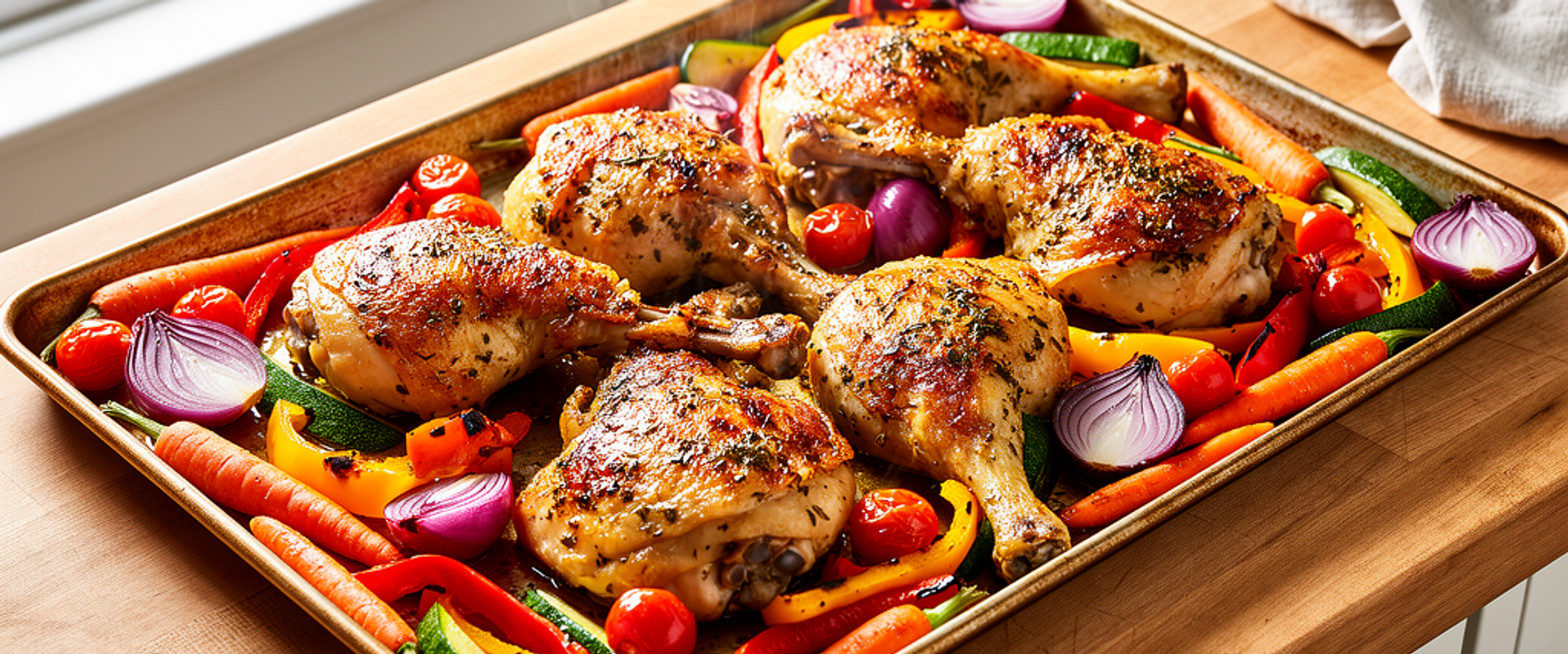
The sheet pan method is the ultimate intersection of nutritional science and practical reality. By tossing a protein, a colorful array of vegetables, and a source of complex carbohydrates onto a single pan, you create a complete, balanced meal with minimal active prep time and almost zero cleanup.
Today, we are going to look at five complete, 30-minute sheet pan meal preps. These recipes are designed to give you maximum nutrition without the stress, using specific portions and accessible ingredients.
The Science of the Perfect Sheet Pan Meal
Before we dive into the recipes, let us talk about why this method works so well from a nutritional standpoint. A well-constructed sheet pan meal naturally follows the evidence-based "plate method" for balanced eating:
- 1/2 of the pan: Colorful, non-starchy vegetables (for fiber, vitamins, and antioxidants).
- 1/4 of the pan: Lean proteins (to support muscle maintenance, immune function, and satiety).
- 1/4 of the pan: Complex carbohydrates (for brain fuel and sustained energy).
- Healthy Fats: Olive or avocado oil used for roasting, which helps your body absorb fat-soluble vitamins (A, D, E, and K).
Furthermore, roasting vegetables at high temperatures (typically 400°F or 200°C) triggers the Maillard reaction. This chemical reaction between amino acids and reducing sugars gives browned food its distinctive, savory flavor. If you have historically disliked boiled or steamed vegetables, roasting them might completely change your relationship with them.
Let us get to the meals. For all of these recipes, preheat your oven to 400°F (200°C) and line a large, rimmed baking sheet with parchment paper for easy cleanup.
1. The Classic: Colorful Chicken Fajitas
Chicken fajitas are a staple for a reason. They are incredibly flavorful, endlessly customizable, and naturally packed with essential nutrients.
The Ingredients
- 1 pound (16 ounces) boneless, skinless chicken breast, sliced into 1/2-inch strips
- 3 large bell peppers (use a mix of red, yellow, and green for varied antioxidants), sliced
- 1 large red onion, sliced into half-moons
- 2 tablespoons olive oil
- Fajita seasoning: 1 teaspoon chili powder, 1 teaspoon cumin, 1/2 teaspoon smoked paprika, 1/2 teaspoon garlic powder, 1/2 teaspoon salt, and a pinch of black pepper.
The Instructions
- Place the sliced chicken, bell peppers, and onions directly onto the lined sheet pan.
- Drizzle with 2 tablespoons of olive oil and sprinkle the fajita seasoning evenly over the top.
- Use your hands or tongs to toss everything together until well coated, then spread it out into a single, even layer.
- Roast for 20-25 minutes, or until the chicken reaches an internal temperature of 165°F and the vegetables are tender with charred edges.
The Nutrition Science
Bell peppers are one of the richest dietary sources of Vitamin C. In fact, one medium red bell pepper provides over 150% of your daily requirement. Pairing a heavy hitter of Vitamin C with the iron found in chicken breast is a strategic nutrition move. Vitamin C significantly enhances the body's ability to absorb non-heme (plant-based) iron and helps maximize the absorption of heme (animal-based) iron, supporting healthy red blood cell production and energy levels.
Make it a Meal
Divide this mixture into four meal prep containers. Serve over 1/2 cup of cooked quinoa or brown rice, or pair with two small whole-wheat tortillas. Add a slice of avocado or a dollop of plain Greek yogurt (a great swap for sour cream) right before eating.
2. The Brain-Booster: Salmon, Asparagus, and Sweet Potatoes
This meal feels elevated enough for a dinner party but is simple enough for a random Tuesday lunch.
The Ingredients
- 4 (4-ounce) wild-caught or sustainably farmed salmon fillets
- 1 bunch of asparagus (about 1 pound), tough woody ends snapped off
- 2 medium sweet potatoes, scrubbed and diced into small 1/2-inch cubes (keep the skin on!)
- 2 tablespoons avocado oil (ideal for higher heat roasting)
- 1 lemon, thinly sliced
- Salt, pepper, and 1 teaspoon dried dill
The Instructions
- Sweet potatoes take longer to cook than salmon and asparagus. Toss the diced sweet potatoes with 1 tablespoon of avocado oil, salt, and pepper. Spread them on one half of the sheet pan and roast for 15 minutes.
- Remove the pan from the oven. Add the asparagus to the other half of the pan, tossing with the remaining 1 tablespoon of oil.
- Nestle the salmon fillets among the asparagus. Season the salmon and asparagus with salt, pepper, and dill. Lay a lemon slice over each piece of salmon.
- Return to the oven and roast for another 10-12 minutes, until the salmon flakes easily with a fork and the sweet potatoes are fork-tender.
The Nutrition Science
Salmon is a premier source of EPA and DHA, the omega-3 fatty acids heavily researched for their role in cardiovascular and cognitive health. Omega-3s help reduce cellular inflammation and support brain function. Meanwhile, the sweet potatoes provide a massive dose of beta-carotene, a precursor to Vitamin A, which is crucial for eye health and immune function. Keeping the skin on the sweet potatoes adds a significant amount of dietary fiber, which supports a healthy gut microbiome.
3. The Fiber-Packed Italian Sausage Medley
When you need something deeply comforting but still want to hit your vegetable quota, this Italian sausage medley delivers.
The Ingredients
- 12 ounces pre-cooked chicken or turkey Italian sausage, sliced into 1-inch rounds
- 2 cups broccoli florets
- 1 medium zucchini, sliced into thick half-moons
- 1 cup cherry tomatoes, left whole
- 1 tablespoon olive oil
- 1 teaspoon Italian seasoning blend
The Instructions
- Place the sausage slices, broccoli, zucchini, and cherry tomatoes onto the sheet pan.
- Drizzle with olive oil and sprinkle with the Italian seasoning, tossing to combine.
- Spread into a single layer, ensuring the broccoli has contact with the pan so it gets delightfully crispy.
- Roast for 20 minutes. Because the sausage is pre-cooked, you are simply looking to brown it and roast the vegetables until the tomatoes begin to burst.
The Nutrition Science
Broccoli is a cruciferous vegetable, a family of plants that contains unique sulfur-containing compounds called glucosinolates. When broken down through chewing and digestion, these compounds form biologically active products that have been extensively studied for their potential to protect cells from DNA damage and reduce inflammation. Furthermore, roasting cherry tomatoes until they burst increases the bioavailability of lycopene, a powerful antioxidant linked to heart health.
4. The Plant-Powered Tofu and Bok Choy Bake
If you are trying to incorporate more plant-based meals into your week, this sheet pan stir-fry alternative is a fantastic place to start. Tofu often gets a bad reputation for being bland, but when roasted, it develops a wonderful chewy texture that absorbs flavors beautifully.
The Ingredients
- 1 block (14 ounces) extra-firm tofu, drained, pressed, and cut into 1-inch cubes
- 2 heads of baby bok choy, quartered lengthwise
- 1 cup sugar snap peas
- 1 tablespoon sesame oil
- Glaze: 2 tablespoons low-sodium soy sauce (or tamari), 1 tablespoon maple syrup, 1 teaspoon freshly grated ginger, and 1 minced garlic clove.
The Instructions
- Whisk together the soy sauce, maple syrup, ginger, and garlic to create your glaze.
- Toss the cubed tofu in half of the glaze and spread it onto one side of the sheet pan. Roast for 15 minutes to give the tofu a head start.
- Remove the pan, and add the bok choy and snap peas to the other side. Drizzle the vegetables with sesame oil and the remaining glaze.
- Roast for an additional 10 minutes until the vegetables are vibrant green and tender-crisp, and the tofu is deeply browned.
The Nutrition Science
For years, outdated information suggested that the phytoestrogens (isoflavones) in soy were harmful. Current, large-scale clinical research has thoroughly debunked this. Moderate consumption of whole soy foods like tofu is actually associated with a lower risk of cardiovascular disease and certain cancers. Tofu is also a complete plant protein, meaning it contains all nine essential amino acids your body cannot make on its own, and it is an excellent source of bone-supporting calcium.
5. The Comforting Turkey Meatball Dinner
Meatballs do not have to involve a frying pan splattering oil all over your stove. Baking them on a sheet pan alongside your vegetables is a game-changer.
The Ingredients
- 1 pound ground turkey (93% lean is a great balance of flavor and lean protein)
- 1/4 cup almond flour or whole wheat breadcrumbs
- 1 egg
- 1 teaspoon garlic powder, 1 teaspoon dried oregano, 1/2 teaspoon salt
- 2 medium zucchinis, chopped
- 1 red bell pepper, chopped
- 1 tablespoon olive oil
The Instructions
- In a bowl, gently mix the ground turkey, almond flour, egg, garlic powder, oregano, and salt. Form into 12 golf-ball-sized meatballs. Place them on one side of the sheet pan.
- Toss the chopped zucchini and red bell pepper with olive oil and a pinch of salt on the other side of the pan.
- Roast for 20-25 minutes. The turkey meatballs should be browned and reach an internal temperature of 165°F.
The Nutrition Science
Turkey is an excellent source of lean protein and is notably rich in the amino acid tryptophan. While famous for the Thanksgiving "food coma" myth, tryptophan is actually a vital precursor to serotonin, a neurotransmitter that helps regulate mood, sleep, and digestion. Pairing this with water-rich, high-fiber vegetables like zucchini ensures a meal that promotes steady digestion and long-lasting satiety without feeling overly heavy.
Mastering the Art of Meal Prep Storage
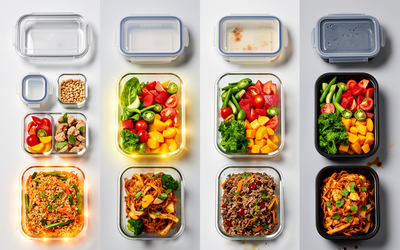
Cooking the food is only half the battle; storing it properly ensures it actually tastes good when you are ready to eat it on Thursday. Here are a few practical, food-safety-backed tips:
- Cool Before Covering: Let your roasted meals cool at room temperature for about 20-30 minutes before putting the lids on your containers. Sealing hot food traps steam, which turns your beautifully crispy roasted vegetables into a soggy, unappetizing mess.
- Choose the Right Containers: Invest in a set of glass meal prep containers. Glass does not absorb odors or stains (unlike plastic, which can hold onto the smell of garlic and onions), and it is perfectly safe for reheating in the microwave or oven.
- The 4-Day Rule: According to food safety guidelines, cooked meat and vegetables will stay safely in the refrigerator for up to four days. If you prep on Sunday, your meals are good through Thursday.
- Reheating: For the best texture, reheat your meals in a toaster oven or air fryer if you have access to one at work or home. If using a microwave, cover the food with a damp paper towel to prevent the meat from drying out.
Your Practical Takeaway
Nutrition does not require perfection, and it certainly does not require hours of complex cooking every night. It is about consistency and finding strategies that fit into your actual, real-world life.
If you are feeling overwhelmed, do not try to make all five of these meals at once. Pick just one sheet pan meal to try this week. Add the ingredients to your grocery list today, set aside 30 minutes on Sunday or Monday evening, and experience the relief of knowing you have a nutritious, evidence-based meal ready to go. By lowering the barrier to entry with a simple sheet pan, you make eating well the easiest choice in your day.