Build the Perfect Grain Bowl: A Science-Backed Mix-and-Match Formula
Overwhelmed by nutrition advice? Discover the simple, science-backed grain bowl formula: grain + protein + veggies + sauce + topping. Learn how to build infinite, satisfying meals that nourish your body without the stress.

If you have ever felt overwhelmed by the endless, often contradictory stream of nutrition advice on the internet, you are not alone. One day, carbohydrates are the enemy; the next, certain grains are hailed as superfoods. It is enough to make anyone want to throw their hands up and order takeout.
But eating well does not require a degree in nutritional biochemistry, nor does it require strict rules, food shaming, or eliminating the foods you love. Instead, building a nourishing diet is about finding flexible, sustainable patterns that work for your life, your budget, and your taste buds.
Enter the grain bowl.
The grain bowl is not just a photogenic $15 lunch you buy at a trendy cafe. It is a highly practical, nutritionally sound framework for building meals. By relying on a simple mix-and-match formula—grain + protein + vegetables + sauce + topping—you can create infinite combinations that satisfy your hunger, stabilize your energy, and provide a wide spectrum of essential nutrients.
Let us break down the science behind why this formula works and how you can start building your own perfect bowls today.
Why the Grain Bowl Formula Works
From a physiological standpoint, the grain bowl is a masterclass in macronutrient balance. When you eat a meal consisting solely of simple carbohydrates, your digestive system breaks it down rapidly. This causes a quick spike in blood glucose, followed by a rapid drop—a rollercoaster that leaves you feeling lethargic and hungry an hour later.
However, when you combine complex carbohydrates (grains) with lean protein, dietary fiber (vegetables), and healthy fats (sauce and toppings), you fundamentally change how your body processes the meal.
Research consistently shows that protein and fat slow down gastric emptying, meaning the meal stays in your stomach longer. Meanwhile, the soluble fiber from grains and vegetables forms a gel-like substance in your gut, which slows the absorption of glucose into your bloodstream. The result? A gentle, sustained release of energy, prolonged satiety, and a steady mood.
Here is how to build your bowl, step by step.
Step 1: Choose Your Base (The Grain)
The foundation of your bowl provides complex carbohydrates, which are your brain and body's preferred source of energy. Whole grains also provide essential B vitamins and dietary fiber, which is crucial for a healthy gut microbiome.
Aim for roughly 1/2 to 1 cup of cooked grains per bowl, depending on your individual energy needs and hunger levels.
Great Grain Options:
- Quinoa: Technically a seed, quinoa is a rare plant-based source of complete protein, meaning it contains all nine essential amino acids your body cannot make on its own.
- Farro: An ancient wheat grain with a satisfying, chewy texture and a nutty flavor. It is exceptionally high in fiber and protein compared to modern wheat.
- Brown Rice: A classic, budget-friendly option rich in magnesium, a mineral involved in over 300 biochemical reactions in the body, including muscle and nerve function.
- Barley: Packed with beta-glucans, a specific type of soluble fiber that has been shown in clinical studies to help lower cholesterol and improve blood sugar management.
- Alternative Bases: If you prefer, you can swap grains for starchy vegetables like roasted sweet potato cubes or a bed of lentil pasta.
Step 2: Add Your Powerhouse (The Protein)
Protein is the building block of your body, essential for repairing tissues, maintaining muscle mass, and producing enzymes and hormones. It is also the most satiating macronutrient. Including a solid source of protein in your bowl is the key to feeling full until your next meal.
Aim for a palm-sized portion, which roughly equates to 20 to 30 grams of protein.
Protein Powerhouses:
- Chicken Breast or Thighs (3-4 oz): A highly bioavailable source of lean protein. Roasting or grilling with simple spices makes it a versatile bowl addition.
- Salmon (3-4 oz): Not only rich in protein, but also one of the best sources of omega-3 fatty acids, which are extensively researched for their anti-inflammatory and brain-health benefits.
- Tofu or Tempeh (1/2 cup): Excellent plant-based options. Tempeh, being fermented, also offers gut-friendly prebiotics.
- Beans and Lentils (1/2 to 1 cup): Black beans, chickpeas, and lentils pull double duty, providing both protein and a massive dose of dietary fiber.
- Edamame (1/2 cup shelled): Young soybeans that offer a sweet, crisp texture and about 9 grams of complete protein per half-cup.
Step 3: Pile on the Color (The Vegetables)
Vegetables supply the bulk of your bowl's volume for very few calories, alongside a wealth of vitamins, minerals, and phytonutrients. The different colors in vegetables represent different antioxidant profiles, so mixing up your colors is a practical way to ensure a wide variety of nutrients.
Aim for 1 to 2 cups of vegetables. A mix of raw and cooked adds wonderful textural contrast.
Vegetable Variations:
- Dark Leafy Greens: Spinach, kale, or arugula. Pro tip: If using kale, massage it briefly with a drop of olive oil to break down the tough cellulose fibers and make it more digestible.
- Cruciferous Crunch: Broccoli, cauliflower, or Brussels sprouts. Roasting these brings out their natural sweetness and reduces their sometimes-bitter edge.
- Bright and Sweet: Bell peppers, cherry tomatoes, or shredded carrots. These provide high amounts of Vitamin C, which also happens to enhance the absorption of iron from your grains and plant-based proteins.
- Earthy Roots: Roasted beets or parsnips offer grounding flavors and excellent fiber.
Step 4: Tie It Together (The Sauce)
A bowl without sauce is just a pile of ingredients. The sauce is the culinary glue that brings the dish together. More importantly, the sauce is usually where your healthy fats live.
Do not fear the fat! Many of the vitamins in your vegetables (A, D, E, and K) are fat-soluble. A famous 2004 study published in the American Journal of Clinical Nutrition found that people eating salads with fat-free dressing absorbed almost zero of these vital nutrients compared to those who ate their salads with a fat-containing dressing.
Aim for 1 to 2 tablespoons of a dressing or sauce.
Flavorful Sauces:
- Tahini Lemon Dressing: Whisk together 2 tbsp tahini, 1 tbsp lemon juice, a minced garlic clove, and warm water until smooth. Tahini (sesame seed paste) is rich in heart-healthy monounsaturated fats.
- Classic Vinaigrette: 3 parts extra virgin olive oil to 1 part apple cider vinegar or balsamic, plus a dash of Dijon mustard. Olive oil is the cornerstone of the Mediterranean diet, widely researched for its cardiovascular benefits.
- Peanut Sauce: Peanut butter thinned with a little soy sauce, rice vinegar, and a dash of sriracha. Great for Asian-inspired bowls.
- Avocado Crema: Blend half an avocado with cilantro, lime juice, and a splash of water for a creamy, dairy-free topping.
Step 5: Add the Crunch (The Topping)
Never underestimate the psychological importance of texture in food. A satisfying crunch makes a meal significantly more enjoyable, which is a vital part of a healthy relationship with food. Toppings also act as a nutritional bonus, offering concentrated doses of micronutrients.
Aim for 1 to 2 tablespoons.
Crunchy Finishes:
- Seeds: Pumpkin seeds (pepitas), sunflower seeds, or sesame seeds. Pumpkin seeds are an outstanding source of zinc and magnesium.
- Nuts: Sliced almonds, chopped walnuts, or crushed peanuts. Walnuts are particularly high in alpha-linolenic acid (ALA), a plant-based omega-3.
- Cheese: A sprinkle of feta, goat cheese, or sharp cheddar adds a salty, umami kick.
- Fresh Herbs: Cilantro, parsley, basil, or dill. Herbs are essentially leafy greens packed with concentrated antioxidants.
- Pickled Elements: Pickled red onions or a spoonful of kimchi add a bright, acidic tang and, in the case of kimchi, beneficial probiotics.
Putting It Together: 3 Go-To Grain Bowl Combinations
Ready to build? Here are three foolproof combinations you can try this week:
1. The Mediterranean Mezze Bowl
- Grain: 1/2 cup cooked quinoa
- Protein: 4 oz grilled chicken breast (or 1/2 cup falafel for a plant-based option)
- Vegetables: 1 cup fresh cucumber and cherry tomato salad, 1/2 cup roasted zucchini
- Sauce: 2 tbsp tzatziki (yogurt-based cucumber sauce) or a lemon-olive oil vinaigrette
- Topping: 1 tbsp Kalamata olives and a sprinkle of feta cheese
2. The Peanut Power Bowl
- Grain: 1/2 cup cooked brown rice
- Protein: 1/2 cup baked tofu cubes or edamame
- Vegetables: 1 cup steamed broccoli, 1/2 cup shredded purple cabbage, shredded carrots
- Sauce: 2 tbsp savory peanut sauce
- Topping: 1 tbsp crushed peanuts, a sprinkle of sesame seeds, and fresh cilantro
3. The Harvest Roast Bowl
- Grain: 1/2 cup cooked farro
- Protein: 3 oz roasted pork tenderloin or 1/2 cup roasted chickpeas
- Vegetables: 1 cup roasted Brussels sprouts, 1/2 cup roasted diced sweet potato
- Sauce: 2 tbsp maple-balsamic vinaigrette (olive oil, balsamic vinegar, a touch of maple syrup, and Dijon)
- Topping: 1 tbsp toasted pecans and dried cranberries
How to Meal Prep Your Grain Bowls
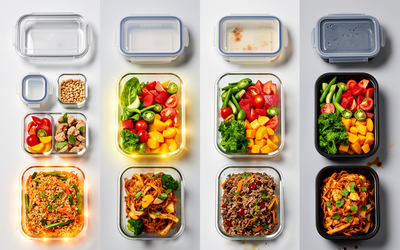
The beauty of the mix-and-match formula is that it is tailor-made for meal prep. Instead of making composed meals that might get soggy, try "buffet-style" meal prep.
On a Sunday, cook a large batch of one or two grains (like quinoa and brown rice). Roast a large pan of mixed vegetables (like broccoli and sweet potatoes) and prepare a couple of protein sources (like a batch of chicken and a can of rinsed chickpeas). Make two different sauces and store them in small jars.
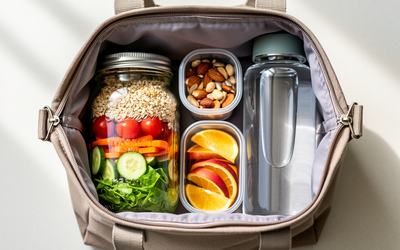
Store all these components in separate airtight containers in the fridge. When it is time for lunch or dinner, simply pull out your containers, scoop a little of each component into a bowl, warm it up (if desired), drizzle with sauce, and add your crunchy topping. This keeps the textures fresh and prevents flavor fatigue, as you can mix up the combinations every single day.
The Practical Takeaway
Nutrition does not have to be an all-or-nothing endeavor. You don't need to eat perfectly to eat well. By using the grain bowl formula—grain + protein + vegetables + sauce + topping—you remove the decision fatigue from healthy eating.
Start tonight with what you already have in your kitchen. Find a grain in your pantry, pull a protein from the fridge, roast whatever vegetables are sitting in the crisper drawer, whisk together a simple olive oil dressing, and top it with some nuts. You will have built a balanced, science-backed, and delicious meal in minutes.