Eating for Energy: A Practical Nutrition Plan for People Who Are Always Tired
Tired of feeling exhausted by 3 PM? Discover a science-backed, practical nutrition plan to stabilize your blood sugar, boost your energy, and beat fatigue without restrictive diets. Learn exactly what to eat to feel vibrant all day long.

If you are reading this, there is a good chance you are tired.
Not just the "I stayed up too late watching one more episode" kind of tired, but a lingering, heavy-limbed exhaustion that follows you from your morning alarm to your afternoon commute. You have probably tried the standard fixes: a second (or fourth) cup of coffee, energy drinks, or willing yourself to just push through it.
When you turn to the internet for nutrition advice, the sheer volume of conflicting information is enough to make you want to take a nap. One influencer says you should only eat meat; another says you should only eat raw vegetables. It is overwhelming, and frankly, a lot of it is steeped in restrictive diet culture that ignores how human bodies actually work.
Let's cut through the noise. Food is, quite literally, fuel. At a cellular level, the food you eat is converted into ATP (adenosine triphosphate), the energy currency of your body. If you are constantly running on empty, it is often not a lack of willpower—it is a mismatch between what your body needs to generate steady energy and what it is currently getting.
Here is a science-backed, highly practical guide to eating for energy, designed for real life.
The Blood Sugar Rollercoaster: Why You Crash
To understand daily energy, we first have to talk about blood sugar (glucose).
Imagine your body's energy system is a campfire. If you throw a handful of dry paper onto a fire, what happens? It bursts into a massive, bright flame for about thirty seconds, and then quickly burns out, leaving you in the dark.
Simple carbohydrates—like pastries, sweetened coffee drinks, crackers, or a plain bagel—are the nutritional equivalent of paper. They digest rapidly, causing a steep spike in your blood sugar. In response, your pancreas pumps out a large amount of insulin to clear that sugar from your bloodstream. This sudden drop in blood sugar (rebound hypoglycemia) is what causes that familiar, shaky, brain-fogged crash two hours later.
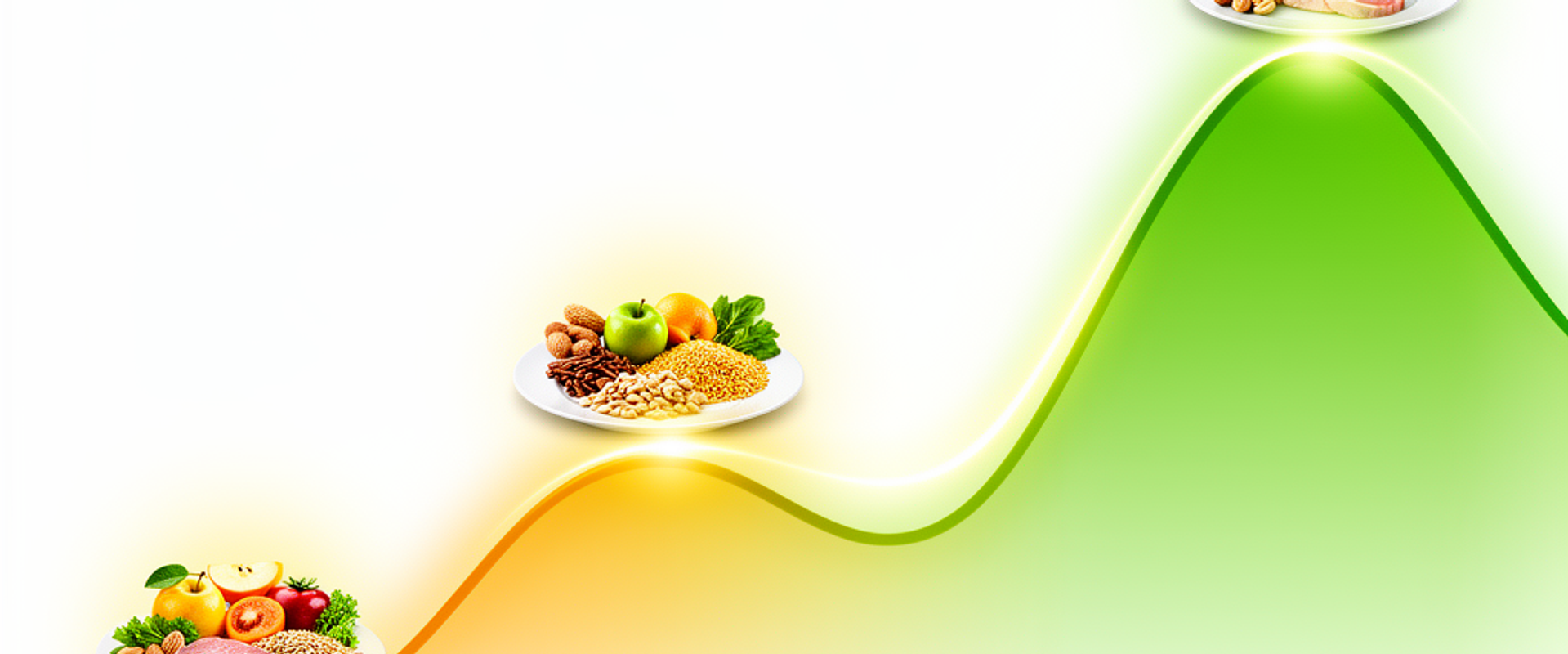
To build a fire that burns steadily all day, you need oak logs. In nutrition, "oak logs" are meals that combine complex carbohydrates with protein, healthy fats, and fiber. Protein, fat, and fiber slow down the digestive process. They act like a time-release capsule for your energy, giving you a gentle, rolling hill of blood sugar rather than a steep mountain and a terrifying cliff.
Actionable Blood Sugar Swaps
- Instead of: A large bowl of plain cereal with skim milk (all carbohydrates, fast digestion).
- Try: 1/2 cup of high-fiber cereal or rolled oats, mixed with 1/2 cup of whole milk or soy milk, topped with 2 tablespoons of walnuts (fat) and a scoop of Greek yogurt (protein).
- Instead of: A plain apple for a mid-morning snack.
- Try: An apple sliced and paired with 1.5 tablespoons of peanut or almond butter. The fat and protein in the nut butter will stretch the energy of the apple out for hours.
The Fatigue-Fighting Nutrients: Iron and B-Vitamins
If your blood sugar is stable but you still feel like you are walking through molasses, you might be running low on the specific micronutrients your body uses to unlock energy from food.
Iron: The Oxygen Carrier
Iron is a crucial component of hemoglobin, the protein in your red blood cells that carries oxygen from your lungs to the rest of your body. When you are low on iron, your cells literally are not getting enough oxygen to produce energy efficiently. This is especially common in menstruating women, pregnant people, and those who eat a fully plant-based diet without strategic planning.
There are two types of iron: heme (found in animal products) and non-heme (found in plants). Heme iron is easily absorbed by the body, while non-heme iron needs a little help.
- Heme Iron Sources: 3 ounces of beef, chicken thighs, sardines, or turkey.
- Non-Heme Iron Sources: 1/2 cup of cooked lentils, 1 cup of cooked spinach, 1/2 cup of tofu, or 1/4 cup of pumpkin seeds.
- The Pro-Tip: To boost the absorption of plant-based iron by up to 300%, pair it with Vitamin C. Research shows that ascorbic acid (Vitamin C) overcomes dietary inhibitors of iron absorption.
- Put it into practice: Squeeze fresh lemon juice over your spinach salad, or eat a handful of strawberries after a bowl of lentil soup.
B-Vitamins: The Spark Plugs
B-vitamins (especially B12, B6, and Folate) act as coenzymes. They do not contain energy themselves, but they are the spark plugs that allow your cells to extract energy from the carbohydrates, proteins, and fats you eat. Vitamin B12 deficiency is a notorious culprit for unexplained fatigue, as it is essential for red blood cell formation and neurological function.
- B12 Sources: 3 ounces of baked salmon, 2 large eggs, or fortified foods.
- The Pro-Tip for Plant-Based Eaters: B12 is primarily found in animal products. If you are vegan or vegetarian, nutritional yeast is your best friend. Add 1 to 2 tablespoons of fortified nutritional yeast to popcorn, pasta, or roasted vegetables for a cheesy flavor and a massive B-vitamin boost.
Hydration: The Invisible Energy Drain
We often look to food and caffeine for energy, completely ignoring our water intake. Yet, clinical studies consistently show that mild dehydration—losing just 1% to 2% of your body's water volume—can significantly impair cognitive performance, reduce concentration, and increase feelings of fatigue and lethargy.
When you are dehydrated, your blood volume actually drops. This means your heart has to work harder to pump oxygen and nutrients to your brain and muscles. That extra physiological effort translates to you feeling exhausted.
Practical Hydration Strategies
- The Morning Flush: After 7-8 hours of sleep, you wake up mildly dehydrated. Before you drink your coffee (which is a mild diuretic), drink 16 ounces of water. Keep a glass on your nightstand so it is the first thing you see.
- Eat Your Water: Hydration doesn't just come from cups. Incorporate water-rich foods into your day: 1 cup of cucumber slices, a slice of watermelon, or a bowl of broth-based soup.
- Flavor Without the Crash: If you hate plain water, infuse it. Drop a few sprigs of mint and a slice of grapefruit into your water bottle. Avoid "energy waters" heavily sweetened with sugar, which will just put you back on the blood sugar rollercoaster.
Meal Timing: Preventing the 3 PM Crash
Your body runs on a circadian rhythm, an internal clock that naturally dips in alertness in the early afternoon (usually between 2 PM and 4 PM). If you combine this natural biological dip with a poorly timed, carb-heavy lunch, you are practically guaranteeing a 3 PM crash.
Many people who struggle with fatigue fall into the trap of skipping breakfast, eating a tiny lunch because they are "busy," and then consuming 70% of their daily calories at dinner. This starves your brain of energy during the hours you need it most (the workday) and floods your system with energy right before you go to sleep.
Research suggests that eating at regular intervals helps regulate circadian clocks in peripheral tissues. Aim to eat something substantial every 3 to 4 hours to keep a steady stream of nutrients available.
The Lunch Rule
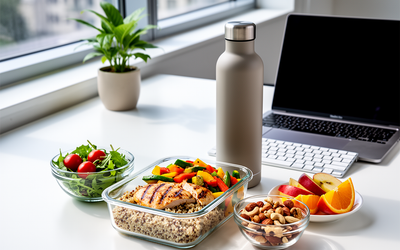
To avoid post-prandial somnolence (the scientific term for a food coma), your lunch needs to be heavily anchored in protein and fiber, with a moderate amount of complex carbohydrates. A massive plate of pasta or a white flour tortilla wrap will put you to sleep. A salad with mixed greens, 4 ounces of grilled chicken or tempeh, 1/2 cup of quinoa, and an olive oil dressing will keep you sharp.
Put It Into Practice: Your Energy-Boosting Menu
To move from theory to reality, here is what a day of energy-optimizing, fatigue-fighting eating actually looks like. Notice that there is no calorie counting, no food shaming, and no restrictive rules—just strategic combinations of delicious, whole foods.
Breakfast: The Steady Start
- The Meal: Savory Power Scramble.
- Ingredients: 2 whole eggs scrambled with 1 handful of spinach (non-heme iron) and 1/4 cup of diced bell peppers (Vitamin C to absorb the iron). Serve with 1 slice of whole-grain sourdough toast (complex carb) topped with 1/4 of an avocado (healthy fat).
- Why it works: The protein and fat from the eggs and avocado slow the digestion of the toast, providing steady morning energy. The Vitamin C + spinach combo optimizes iron absorption.
Lunch: The Afternoon Anchor
- The Meal: The "Stay Awake" Bowl.
- Ingredients: 2 cups of mixed dark leafy greens (folate/B-vitamins), 1/2 cup of chickpeas (fiber and complex carbs), 3 ounces of canned light tuna or baked tofu (protein), and 2 tablespoons of pumpkin seeds (iron and magnesium). Dress with 1 tablespoon of olive oil and a heavy squeeze of fresh lemon juice.
- Why it works: This meal is a nutrient powerhouse that avoids the massive carbohydrate load that causes afternoon drowsiness. The lemon juice once again helps you absorb the iron from the greens and pumpkin seeds.
Mid-Afternoon Snack: The Bridge
- The Meal: Greek Yogurt & Berries.
- Ingredients: 1/2 cup of plain, full-fat or 2% Greek yogurt mixed with 1/2 cup of blueberries and a pinch of cinnamon.
- Why it works: Cinnamon has been shown in some studies to help improve insulin sensitivity. The protein in the Greek yogurt bridges the gap between lunch and dinner, keeping you off the 3 PM struggle bus.
Dinner: The Replenisher
- The Meal: Sheet Pan Salmon and Roots.
- Ingredients: 4 ounces of baked salmon (massive B12 and Omega-3 boost), 1 cup of roasted sweet potato cubes (complex, soothing carbohydrates), and 1 cup of roasted broccoli.
- Why it works: Omega-3 fatty acids in salmon support brain health and reduce inflammation, which can contribute to fatigue. The complex carbs from the sweet potato help replenish your muscle glycogen stores and actually promote better sleep quality.
Your Practical Takeaway
If you are overwhelmed, do not try to overhaul your entire diet by tomorrow morning. Stress is just as exhausting as poor nutrition.
Pick one actionable change to focus on this week. Maybe you start keeping a glass of water on your nightstand. Maybe you commit to adding a source of protein (like a handful of almonds or two eggs) to your usual breakfast. Or maybe you just start squeezing lemon on your spinach.
Energy is not something you either magically have or don't have; it is something your body creates when given the right raw materials. By stabilizing your blood sugar, prioritizing iron and B-vitamins, hydrating properly, and eating at regular intervals, you can stop fighting your body and start fueling it.