Eating Well With Dietary Restrictions: A Practical Guide to Gluten-Free, Dairy-Free, and Beyond
Navigating dietary restrictions doesn't have to mean missing out. Discover science-backed food swaps, hidden ingredients to avoid, and practical meal ideas to keep your gluten-free or dairy-free diet nutritionally balanced and delicious.

If you have recently been diagnosed with a food allergy, celiac disease, or an intolerance, your first trip to the grocery store probably felt like navigating a minefield. Suddenly, your favorite staples are off-limits, and you are left staring at nutrition labels, wondering how you are ever going to put together a satisfying meal.
It is completely normal to feel overwhelmed. In a world full of conflicting nutrition advice, adding a dietary restriction into the mix can make eating feel like a chore rather than a joy. However, shifting your diet does not have to mean a life of deprivation, nor does it mean you are destined to suffer from nutritional gaps.
As a nutrition professional, I want to help you reframe this experience. Instead of focusing on what you cannot eat, we are going to focus on how to deeply nourish your body with what you can eat. By understanding a few basic principles of food science, learning how to make smart substitutions, and keeping an eye out for hidden ingredients, you can build a vibrant, balanced diet that supports your health and tastes delicious.
The Gluten-Free Diet: Minding the Fiber and Vitamin Gap
Gluten is a protein found in wheat, barley, and rye. For individuals with celiac disease or non-celiac gluten sensitivity, removing gluten is a medical necessity, not a weight-loss trend.
However, going gluten-free comes with a specific set of nutritional challenges. In many countries, conventional wheat flour is fortified with essential nutrients like folic acid, iron, and B vitamins. Furthermore, whole wheat is a major source of dietary fiber for the average person. Research published in the Journal of Human Nutrition and Dietetics highlights that people on strict gluten-free diets frequently fall short on dietary fiber, iron, and calcium.
Smart Substitutions
Many people make the mistake of simply swapping conventional bread and pasta for their gluten-free equivalents. While these products are great for convenience, they are often made from refined rice flour, potato starch, or tapioca starch, which offer very little in the way of fiber or protein.
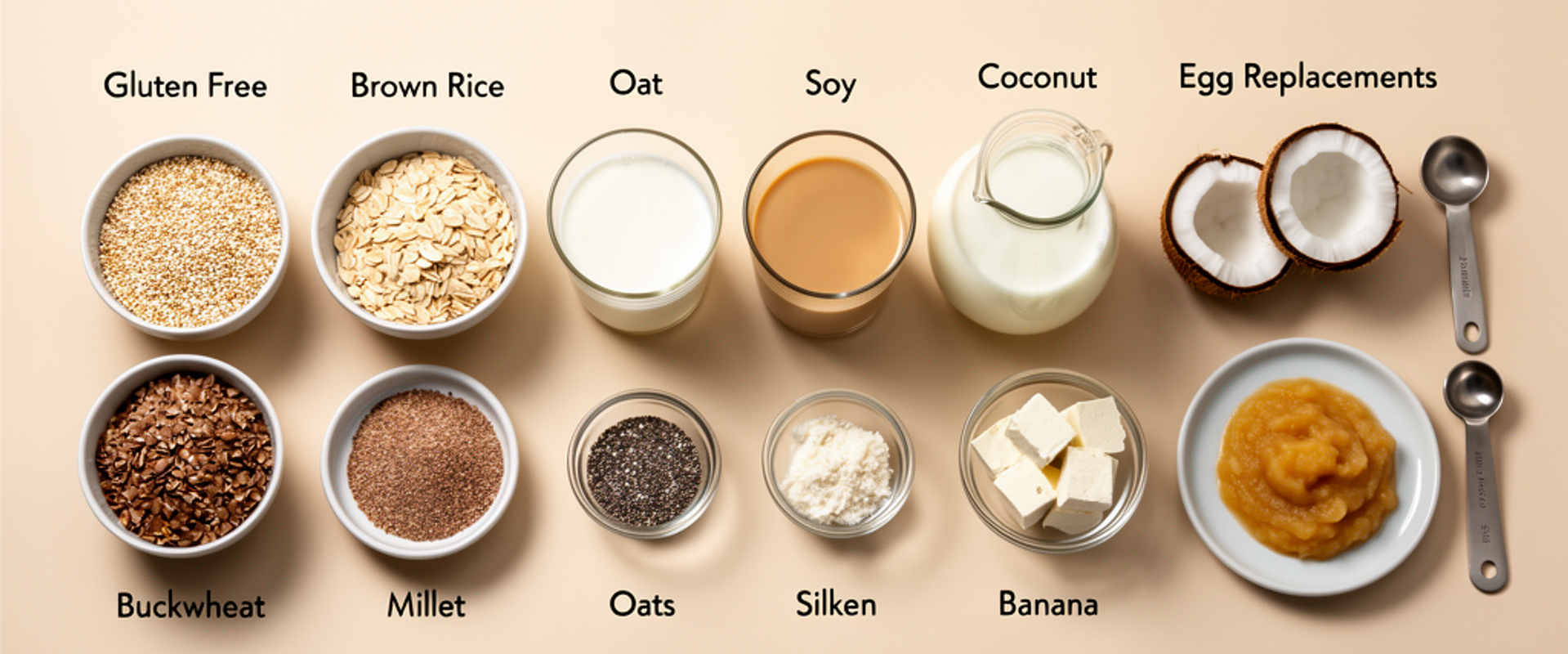
Instead, lean into naturally gluten-free whole grains.
- Quinoa: A complete protein. Just 1/2 cup of cooked quinoa provides about 4 grams of protein and 3 grams of fiber.
- Buckwheat: Despite the name, buckwheat is completely gluten-free. It is rich in rutin, an antioxidant that supports heart health. Try 1/2 cup of cooked buckwheat groats (kasha) in place of rice.
- Teff and Amaranth: These ancient grains are nutritional powerhouses, packed with iron and magnesium.
Hidden Ingredients to Watch For
Gluten is notorious for hiding in unexpected places. Always check the labels for:
- Soy sauce: Traditional soy sauce is brewed with wheat. Swap it for tamari, which is a gluten-free alternative, or coconut aminos.
- Malt vinegar and malt flavoring: Often found in cereals and marinades, malt is derived from barley.
- Oats: While naturally gluten-free, oats are frequently cross-contaminated with wheat during processing. Always look for "Certified Gluten-Free" oats.
Navigating Dairy-Free: Beyond Just Calcium
Whether you are managing lactose intolerance, a dairy allergy, or choosing a plant-based lifestyle, removing dairy requires some strategic planning. Dairy products are primary contributors of calcium, vitamin D, iodine, and high-quality protein in the standard diet.
Smart Substitutions
The plant-based milk aisle has exploded in recent years, but not all milk alternatives are created equal. If you are swapping out cow's milk (which contains about 8 grams of protein per cup), replacing it with almond or oat milk might leave you hungry, as these typically contain only 1 to 2 grams of protein per cup.
- For Protein: Choose fortified soy milk or pea protein milk. Both offer 8 grams of complete protein per cup, mimicking the macronutrient profile of cow's milk.
- For Calcium: Look for plant milks fortified with calcium carbonate. Shake the carton well before pouring, as added calcium tends to settle at the bottom.
- Whole Food Calcium Sources: You do not need milk to get calcium. Incorporate 2 tablespoons of chia seeds (179 mg of calcium), 1 cup of cooked bok choy (158 mg), or 1/2 cup of firm tofu set with calcium sulfate (up to 434 mg) into your daily meals.
Hidden Ingredients to Watch For
If you have a true dairy allergy (an immune response to milk proteins), you must be vigilant about label reading. Look out for:
- Whey and Casein: These are milk proteins commonly used in protein powders, protein bars, and even some non-dairy creamers.
- Lactalbumin and Lactoglobulin: Derivatives of milk often found in baked goods.
- Nougat and Caramel: Often made with butter or milk powder.
The "Free-From" Aisle Trap
When navigating dietary restrictions, it is incredibly tempting to rely heavily on the "free-from" aisle at the grocery store. Gluten-free cookies, dairy-free cheeses, and vegan meats offer comfort and familiarity.
However, it is important to remember that a gluten-free brownie is still a brownie. In fact, a 2018 study published in the journal Pediatrics evaluated over 3,000 gluten-free products and found that they were consistently lower in protein and fiber, and higher in sugar and sodium, than their gluten-containing counterparts. Food manufacturers often add extra sugar and fat to compensate for the structural and flavor losses that occur when removing gluten or dairy.
There is absolutely no shame in enjoying these products—food is meant to be enjoyed, and having access to safe treats is wonderful. But for your everyday nutrition, try to build your meals around foods that are naturally free of your allergens: fresh vegetables, fruits, legumes, nuts, seeds, and lean proteins.
Ensuring Balanced Nutrition: The Pairing Principle
When you restrict certain food groups, you have to be more strategic about how you absorb nutrients. This is where the science of nutrient pairing comes in.
Iron and Vitamin C: If you are eating a plant-based diet or have cut out fortified cereals, you need to maximize your iron absorption. Plant-based (non-heme) iron is not absorbed as efficiently by the body as meat-based (heme) iron. However, pairing a non-heme iron source with Vitamin C can increase absorption by up to 300%.
- Actionable tip: Squeeze fresh lemon juice (Vitamin C) over a 1/2 cup of cooked spinach or lentils (Iron).
Fat-Soluble Vitamins and Healthy Fats: Vitamins A, D, E, and K require dietary fat to be absorbed. If you are eating a large, nutrient-dense salad but using a fat-free, dairy-free dressing, your body is missing out on those vital nutrients.
- Actionable tip: Top your greens with 1/4 of an avocado, 2 tablespoons of pumpkin seeds, or a dressing made with 1 tablespoon of extra-virgin olive oil.
A Day on a Plate: Naturally Gluten-Free and Dairy-Free
To show you how delicious and simple eating well with restrictions can be, here is a sample day of meals. This menu is naturally gluten-free, dairy-free, and packed with the protein, fiber, and micronutrients your body needs.
Breakfast: Berry and Hemp Seed Power Oatmeal
Oats are a fantastic, gut-friendly way to start the day. Hemp seeds add a boost of plant-based protein and anti-inflammatory Omega-3 fatty acids.
- 1/2 cup Certified Gluten-Free rolled oats cooked in 1 cup of fortified soy milk or pea milk.
- Stir in 1/2 cup of fresh or frozen blueberries.
- Top with 2 tablespoons of hemp hearts (adds 6g of protein) and 1 tablespoon of almond butter.
Lunch: Iron-Boosting Lentil and Quinoa Salad
This lunch is perfect for meal prep and provides a complete protein profile, along with a massive dose of fiber to keep your blood sugar stable throughout the afternoon.
- 1/2 cup cooked brown lentils mixed with 1/2 cup cooked quinoa.
- 1 cup of chopped red bell peppers and cherry tomatoes (the Vitamin C here will help you absorb the iron from the lentils).
- 2 cups of baby spinach.
- Dress with 1 tablespoon of olive oil, a heavy squeeze of fresh lemon juice, salt, and pepper.
Snack: Crunch and Cream
Snacks should bridge the gap between meals and keep your energy up. Aim for a combination of fiber and healthy fats.
- 1 medium apple, sliced.
- 2 tablespoons of sunflower seed butter (a great nut-free, dairy-free alternative that is rich in Vitamin E).
Dinner: Sheet Pan Salmon (or Tofu) with Roasted Veggies
Sheet pan meals are low-effort and highly nutritious. Salmon provides Vitamin D and Omega-3s, while sweet potatoes offer complex carbohydrates and Vitamin A.
- 4 ounces of wild-caught salmon (or 1/2 cup of extra-firm tofu, pressed and cubed, if you are plant-based).
- 1 cup of sweet potato cubes.
- 1.5 cups of broccoli florets.
- Toss the vegetables in 1 tablespoon of olive oil, a pinch of garlic powder, and roast at 400°F (200°C) for 25 minutes until tender.
The Practical Takeaway
Navigating dietary restrictions does not require a degree in nutritional science, nor does it require eating bland, repetitive meals. The secret to thriving on a restricted diet is to shift your mindset from subtraction to addition.
Instead of stressing over the wheat and dairy you are removing, ask yourself: What can I add to this plate to make it more nourishing? Can I add a spoonful of chia seeds for calcium? Can I add a handful of bell peppers for Vitamin C? Can I swap a low-protein milk alternative for a nutrient-dense soy milk?
By prioritizing naturally "free-from" whole foods, learning to read labels for hidden ingredients, and leaning into smart, evidence-based food swaps, you can build a resilient, joyful relationship with food—no matter what restrictions you are working with.