How to Meal Plan When You Hate Meal Planning: The Theme Night Method
Ditch the spreadsheets and Sunday prep. Discover the science-backed "theme night" method to reduce decision fatigue, eat better, and build flexible, nutritious meals without the stress of rigid meal planning.

The 6:00 PM Fridge Stare
We have all been there. It is 6:00 PM on a Tuesday, you are exhausted from a long day of work, and you are standing in front of the open refrigerator, bathed in its cold light. You are hoping that a fully prepared, nutritionally balanced, and delicious meal will magically materialize on the middle shelf.
Instead, you see half a head of wilted lettuce, a jar of salsa, and some questionable chicken.
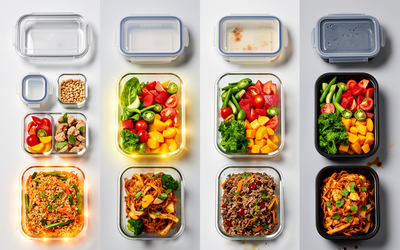
If you want to eat better, you have probably been told that meal planning is the ultimate key to success. You are supposed to spend your Sundays cross-referencing recipes, building color-coded spreadsheets, and portioning out identical meals into a dozen plastic containers. For some people, this highly structured approach is deeply satisfying. But for the rest of us? It is a recipe for burnout, resentment, and a mid-week pivot to ordering a pizza.
The good news is that you do not need a spreadsheet to eat well. As a nutrition professional, I am here to tell you that the most effective healthy eating strategy is the one you actually enjoy and can sustain. If traditional meal planning makes you miserable, it is time to embrace the "Theme Night" method—a flexible, science-backed approach that provides structure without rigidity.
The Science of Decision Fatigue
To understand why the 6:00 PM fridge stare happens, we have to look at the psychology of decision-making. Every day, the average adult makes an estimated 35,000 choices. By the time dinner rolls around, your prefrontal cortex—the part of the brain responsible for complex planning and impulse control—is experiencing a phenomenon known as decision fatigue.
Research pioneered by social psychologist Roy Baumeister shows that as our cognitive load increases throughout the day, our ability to make deliberate, goal-oriented decisions depletes. When we are tired, our brains seek the path of least resistance. At dinner time, the path of least resistance usually looks like a drive-thru, a delivery app, or a bowl of cereal.
Furthermore, the modern wellness landscape bombards us with conflicting nutrition advice. Should you eat low-carb? Plant-based? Paleo? This constant influx of information causes "analysis paralysis." When trying to cook a healthy meal requires solving a complex nutritional math problem, you are more likely to give up entirely.
This is where theme nights come in. By deciding in advance what kind of meal you are having on a given night, you eliminate the cognitive burden of choosing a recipe from scratch. You aren't deciding what's for dinner; you are simply filling in the blanks of a pre-established template.
The Theme Night Method: Structure Without Rigidity
Studies published in journals like Appetite and the Journal of Health Psychology consistently show that rigid dietary restraint (strict rules about exactly what and when to eat) often backfires, leading to stress, cravings, and an all-or-nothing mentality. Conversely, "flexible cognitive control"—having general guidelines but allowing for spontaneity—is associated with better long-term dietary quality and a healthier relationship with food.
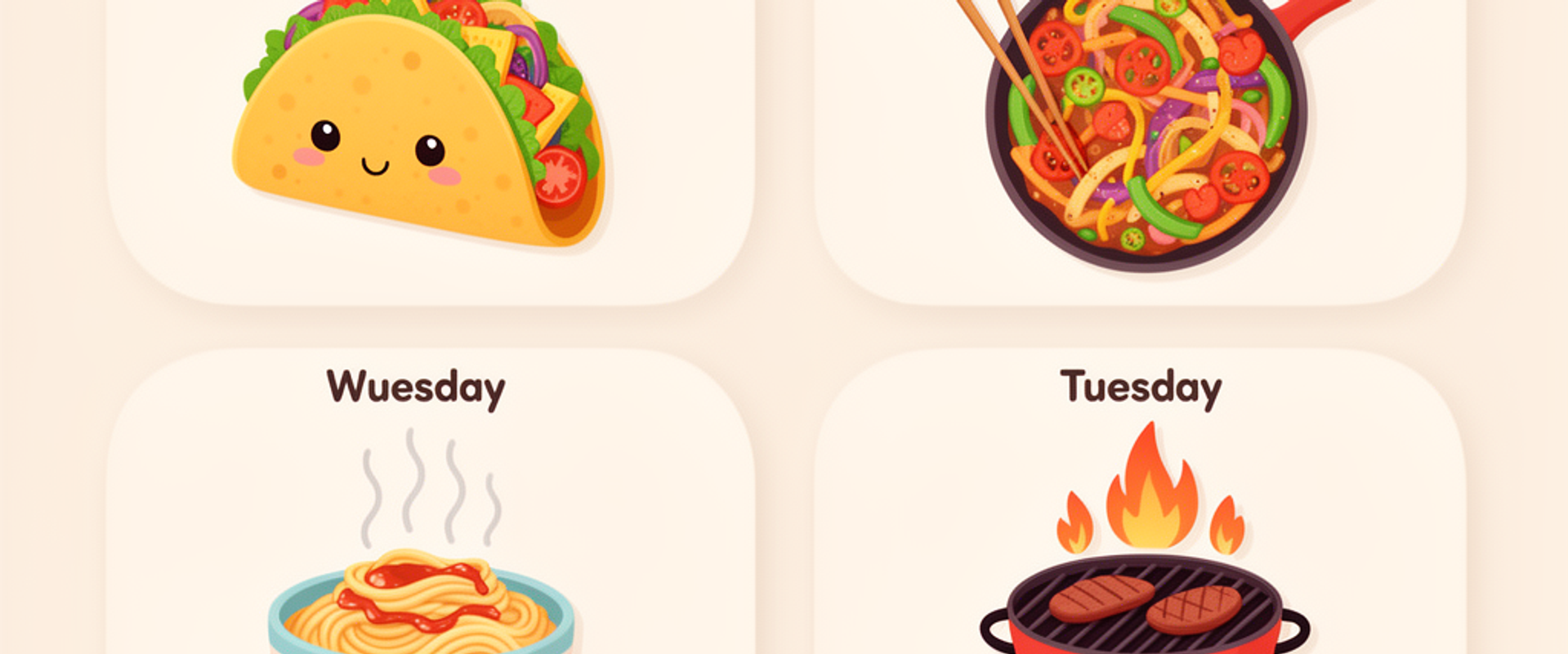
The Theme Night method perfectly embodies flexible cognitive control. It gives you a framework (e.g., Taco Tuesday) but leaves the specifics up to your preferences, your budget, and what you happen to have in the fridge.
Let's build a sample week of theme nights, complete with evidence-based nutrition tips, portion guidelines, and specific food swaps that focus on adding nutrients rather than restricting them.
Designing Your Theme Roster
Monday: Plant-Powered Bowl Night
Starting your week with a plant-centric meal is a fantastic way to boost your fiber intake. The American Gut Project, a massive crowd-sourced science project, found that people who eat 30 or more different plant foods per week have a much more diverse and robust gut microbiome than those who eat 10 or fewer.
The Formula: 1/2 cup whole grains + 1/2 cup plant protein + 1 cup vegetables + 2 tablespoons healthy fat/sauce.
Actionable Meal Idea: Mediterranean Farro Bowl
- Base: 1/2 cup cooked farro (a nutty grain packed with fiber and protein) or quinoa.
- Protein: 1/2 cup roasted chickpeas or lentils.
- Color: 1 cup chopped cucumbers, cherry tomatoes, and red onion.
- Flavor/Fat: 2 tablespoons of hummus thinned out with a little lemon juice and 1 tablespoon of extra virgin olive oil.
- Nutrition Note: Combining grains and legumes provides a complete amino acid profile, meaning you are getting all the essential building blocks of protein your body needs, without needing meat.
Tuesday: Tex-Mex Night (Taco Tuesday)
Taco night is a classic for a reason: it is incredibly customizable. It is also an excellent vehicle for sneaking in extra vegetables and heart-healthy fats.
The Formula: 4 oz protein + 2 corn tortillas (or a bed of greens) + 1/2 cup beans + fajita veggies + toppings.
Actionable Meal Idea: Deconstructed Turkey and Black Bean Tacos
- Protein: 4 oz lean ground turkey sautéed with low-sodium taco seasoning. (Vegetarian swap: crumbled tempeh).
- Fiber: 1/2 cup black beans. Beans are a nutritional powerhouse, rich in soluble fiber which helps stabilize blood sugar levels.
- Color: Sautéed bell peppers and onions.
- The Swap: Instead of sour cream, use 2 tablespoons of plain whole-milk Greek yogurt. It offers the same tangy creaminess but adds a boost of protein and gut-friendly probiotics. Add 1/4 of an avocado for satiating monounsaturated fats.
Wednesday: Wok / Simmer Night (Stir-Fry)
By Wednesday, energy levels are dipping. Stir-fries are incredibly fast and utilize high-heat cooking, which is excellent for retaining water-soluble vitamins (like Vitamin C in bell peppers) that can be lost during boiling.
The Formula: 1 cup mixed vegetables + 4 oz protein + 1/2 cup complex carbs + savory sauce.
Actionable Meal Idea: Edamame and Chicken Stir-Fry
- Protein: 4 oz sliced chicken breast or 1/2 cup shelled edamame (soybeans). Edamame is a fantastic source of plant protein and is rich in antioxidants.
- Color: 1 cup of broccoli florets and snap peas. Broccoli is a cruciferous vegetable containing sulforaphane, a compound linked to reduced inflammation.
- Carb: 1/2 cup cooked brown rice or 2 oz of whole-wheat soba noodles.
- Sauce: A simple mix of low-sodium soy sauce, a dash of sesame oil, grated ginger, and garlic.
Thursday: Sheet Pan Night
Sheet pan meals are the holy grail for people who hate doing dishes. You chop, you toss, you roast, and you are done. Roasting vegetables brings out their natural sweetness through caramelization, making them highly palatable even for picky eaters.
The Formula: 5 oz fish or poultry + 1 cup dense root vegetables + 1 cup quick-cooking green vegetables + 1 tablespoon olive oil.
Actionable Meal Idea: Roasted Salmon with Sweet Potatoes and Asparagus
- Protein: 5 oz salmon fillet. Salmon is rich in EPA and DHA, omega-3 fatty acids that are crucial for brain health and reducing cardiovascular inflammation.
- Carb: 1 cup diced sweet potatoes. Sweet potatoes are loaded with beta-carotene (Vitamin A), which supports immune function and vision.
- Color: 1 cup asparagus spears.
- Method: Toss the sweet potatoes in 1/2 tablespoon of olive oil and roast at 400°F (200°C) for 15 minutes. Add the salmon and asparagus (tossed in remaining oil) to the pan, and roast for another 10-12 minutes until the fish is flaky.
Friday: Fridge-Clearing "Kitchen Sink" Night
By Friday, you likely have half an onion, a handful of spinach, and some lingering cheese. Friday is about reducing food waste—which is great for both your wallet and the environment—while eating something fun and comforting.
The Formula: A familiar base (pizza crust, pasta, or baked potato) + whatever vegetables and proteins need to be eaten.
Actionable Meal Idea: Flatbread Pita Pizzas
- Base: 1 whole-wheat pita bread or a high-fiber flatbread.
- Sauce: 2 tablespoons of tomato sauce or leftover pesto.
- Toppings: This is where the magic happens. Toss on that leftover Monday red onion, the Thursday asparagus tips, or the Tuesday bell peppers.
- Protein/Fat: 1 oz of mozzarella cheese and any leftover chicken or beans.
- Nutrition Note: Using whole-wheat bases adds dietary fiber, which slows digestion and keeps you feeling full and satisfied throughout the evening.
The "No Spreadsheet" Grocery Strategy
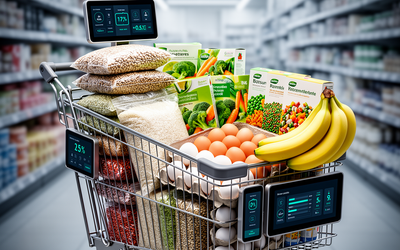
When you use the Theme Night method, your grocery shopping becomes incredibly streamlined. You no longer need a list of 47 highly specific ingredients for complex recipes. Instead, you shop in categories to fulfill your themes.
Here is how to structure your flexible grocery list:
- Proteins (Pick 3-4): E.g., Ground turkey, salmon fillets, a can of black beans, a block of tofu, or Greek yogurt.
- Complex Carbohydrates (Pick 2-3): E.g., Brown rice, whole wheat tortillas, sweet potatoes, or quinoa. (Keep staples like farro and pasta in the pantry).
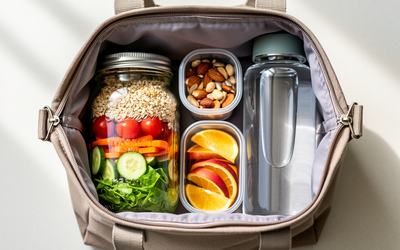
- Color/Vegetables (Pick 4-5): E.g., A bag of spinach, bell peppers, broccoli, cherry tomatoes, and onions. Buy frozen vegetables, too! Frozen vegetables are flash-frozen at peak ripeness and are just as nutritious as fresh ones. They are the ultimate backup plan.
- Flavor Boosters (Pick 1-2): E.g., A new hot sauce, fresh cilantro, a jar of salsa, or a block of feta cheese.
Because your themes dictate the style of the meal, you can easily plug and play based on what is on sale at the supermarket or what looks freshest in the produce aisle.
Balancing the Plate: Gentle Nutrition Guidelines
As you fill in the blanks of your theme nights, you don't need to count calories or weigh your food to the gram to eat a nutritious diet. Instead, borrow a visual tool used by nutrition professionals: The Plate Method, adapted from the Harvard School of Public Health.
When assembling your taco, your stir-fry, or your sheet pan meal, aim for this general visual breakdown:
- 1/2 of your plate = Color (Vegetables and Fruits): This provides volume, hydration, vitamins, minerals, and antioxidants.
- 1/4 of your plate = Protein: Whether animal-based (chicken, fish, yogurt) or plant-based (beans, tofu, edamame), protein is highly satiating and essential for muscle repair and immune function.
- 1/4 of your plate = Complex Carbohydrates: Potatoes, whole grains, beans, or whole-wheat products. Carbs are your brain and body's preferred energy source. Choosing complex, fiber-rich carbs prevents the blood sugar spikes and crashes that leave you feeling sluggish.
- A thumb-sized amount of Healthy Fats: Olive oil, avocado, nuts, or seeds to help your body absorb fat-soluble vitamins (Vitamins A, D, E, and K).
The Practical Takeaway
If the thought of meal planning makes you want to hide under the covers, give yourself permission to lower the bar. You do not need to be a gourmet chef, and you do not need a spreadsheet to nourish your body effectively.
Your action step for today: Do not try to plan seven days of meals. Pick just two theme nights for this upcoming week. Maybe it is Taco Tuesday and Sheet Pan Thursday. Jot down the flexible categories you need, buy what sounds good, and notice how much mental energy you save when 6:00 PM rolls around. By embracing structure without rigidity, you can finally take the stress out of healthy eating.