Meal Prepping for Two: How to Scale Without Waste
Tired of throwing away leftovers or eating the same meal for days? Discover science-backed strategies to meal prep for two, reduce food waste, and easily manage different dietary needs without cooking twice.

Cooking for two often feels like a culinary awkward phase. Most recipes are stubbornly written for families of four to six, leading couples to a frustrating choice: eat the exact same chili for five days straight, or watch half a fridge of well-intentioned produce wilt into a science experiment.
If you want to eat more nourishing, home-cooked meals but find yourself overwhelmed by conflicting nutrition advice and the sheer logistics of cooking, you are not alone. Decision fatigue is a well-documented psychological phenomenon; the more choices we make throughout the day, the harder it becomes to make intentional decisions by dinnertime.
Meal prepping is the science-backed antidote to decision fatigue. However, traditional "batch cooking"—making ten identical containers of chicken and broccoli—often fails couples. It ignores a core human reality known as sensory-specific satiety. Research shows that our pleasure in a specific food drops the more we eat it in a single setting or over consecutive days.
So, how do you prep for two, minimize food waste, and keep your tastebuds engaged? Here is a practical, evidence-based guide to scaling your meal prep without the stress.
The "Buffet Method": Ingredient Prep vs. Meal Prep
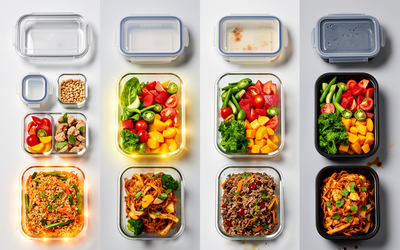
To prevent leftover fatigue, stop prepping fully assembled meals. Instead, embrace "Ingredient Prepping" (sometimes called the buffet method). By preparing versatile, individual components, you can mix and match them into completely different flavor profiles throughout the week.
When you prep ingredients rather than rigid recipes, you maintain flexibility. If you are craving something crunchy and fresh on Wednesday, you aren't locked into the heavy stew you made on Sunday.
What to Prep for a 3-4 Day Stretch:
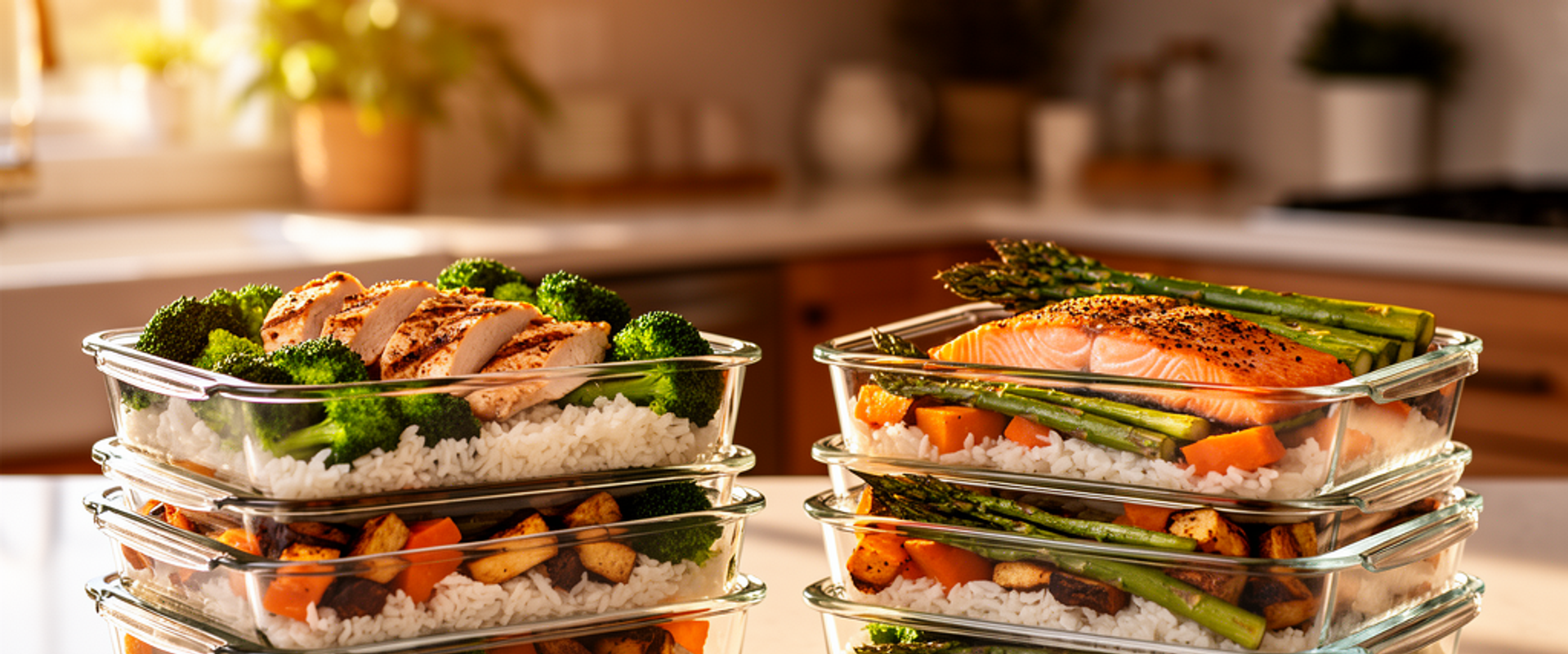
- One Complex Carbohydrate: Cook 1.5 to 2 cups (dry) of a sturdy grain like quinoa, farro, or brown rice. These hold their texture beautifully in the fridge for up to four days.
- Two Types of Roasted Vegetables: Roast a large sheet pan of dense veggies (like sweet potatoes or carrots) and a pan of cruciferous veggies (like broccoli or cauliflower). Roasting draws out natural sweetness and reduces water content, extending their fridge life compared to raw, chopped veggies.
- Two Proteins: Prepare one plant-based protein (like a can of rinsed chickpeas or a block of baked tofu) and one animal protein (like 1 to 1.5 pounds of shredded chicken or baked salmon), depending on your dietary preferences.
- Two Flavor Boosters: Wash and dry a bundle of fresh greens (spinach or arugula) and whisk together one versatile sauce (like a lemon-tahini dressing or an olive oil vinaigrette).
The Math of Prepping for Two
A common trap couples fall into is simply halving a family-sized recipe, which often leaves you with awkward leftover ingredients—like half a can of coconut milk or a third of a cabbage—that inevitably go bad.
According to the USDA, roughly 30% to 40% of the food supply ends up as waste. To protect your grocery budget and the environment, buy ingredients that can be cross-utilized.
Here are practical portion guidelines for two people aiming to cover 3 days of lunches and dinners (roughly 12 meals total, allowing room for a date night or takeout):
- Proteins: Aim for about 20-30 grams of protein per meal to support muscle repair and keep you satisfied. For two people over three days, you will need roughly 2.5 to 3 pounds of total raw meat/poultry/fish, or 3-4 blocks of tofu/tempeh, or 4-5 cans of beans.
- Vegetables: Nutrition guidelines recommend making half your plate colorful produce. Buy 4 to 5 different types of vegetables. To avoid waste, plan to use the most perishable items (like spinach or zucchini) on days 1 and 2, and save the hardiest items (like cabbage, carrots, and winter squash) for days 3 and 4.
- Fats and Flavor: Healthy fats like avocados, nuts, and olive oil increase the bioavailability of fat-soluble vitamins (A, D, E, and K) in your veggies. Buy one avocado to use early in the week, and rely on pantry staples like walnuts, pumpkin seeds, or feta cheese for the rest of the week.
Bridging the Dietary Divide: The Base and Build Method
What happens when one of you is a vegetarian and the other is an omnivore? Or when one partner is training for a half-marathon and needs more energy-dense meals, while the other prefers lighter fare?
Cooking two entirely separate meals is a fast track to burnout. Instead, use the Base and Build Method.
Design a shared foundational meal that naturally accommodates different add-ons.
Example: Taco Tuesday Remixed
- The Shared Base: Sautéed bell peppers and onions, black beans, corn tortillas, salsa, and a cabbage slaw.
- Partner A (Omnivore): Adds 3-4 ounces of seasoned ground turkey or leftover pulled pork.
- Partner B (Plant-Based): Adds a scoop of guacamole and toasted pumpkin seeds (pepitas) for extra fats and protein.
Example: The Customizable Grain Bowl
- The Shared Base: Cooked farro, roasted sweet potatoes, and steamed green beans.
- Partner A (Higher Energy Needs): Uses 1 cup of farro, adds an extra drizzle of olive oil, a larger portion of protein, and a side of fruit.
- Partner B (Standard Energy Needs): Uses 1/2 cup of farro, loads up heavily on the green beans, and uses a standard portion of protein.
By keeping the base identical, you share the cooking load and the dining experience, while respecting your individual bodies' needs without any food shaming or rigid tracking.
Defeating Leftover Fatigue with "Flavor Flipping"
If you've ever stared at a container of leftover chicken and felt your appetite completely vanish, you've experienced leftover fatigue. The secret to eating the same ingredients without feeling like you're eating the same meal is "Flavor Flipping"—changing the texture and the sauce.
Sauces are the unsung heroes of meal prep. They take identical base ingredients and transport them across the globe.
Let’s say you prepped roasted chicken, quinoa, and broccoli:
- Day 1 (Mediterranean): Serve the ingredients cold over a bed of arugula, topped with Kalamata olives, cucumbers, a sprinkle of feta, and a simple lemon-olive oil vinaigrette.
- Day 2 (Peanut Crunch): Serve the ingredients warm. Toss the chicken and broccoli in a quick peanut sauce (peanut butter, soy sauce, a splash of rice vinegar, and warm water to thin). Top with crushed peanuts and a squeeze of lime.
- Day 3 (The Savory Bake): Chop the leftover chicken and broccoli, mix with the quinoa, stir in some marinara sauce and a handful of mozzarella cheese, and bake until bubbly.
By changing the temperature, the texture (adding crunch), and the acid/flavor profile, your brain registers it as a completely new culinary experience.
The Freezer is Your Anti-Waste Ally
Even with the best planning, sometimes life gets in the way. An unexpected dinner invitation or a late night at work can throw off your prep schedule. To scale without waste, you need to utilize your freezer strategically.
Don't wait until food is on the brink of spoiling to freeze it. If you make a large batch of soup or chili, freeze half of it on the day you make it. This preserves the meal at its peak freshness and prevents the dreaded "we have to eat the chili again because it's going bad" conversation.
Freezer-Friendly Prep Tips:
- Herb Cubes: Bought a bunch of cilantro but only needed a tablespoon? Chop the rest, pack it into an ice cube tray, cover with olive oil, and freeze. Pop a cube into your next stir-fry or soup.
- Grains: Cooked rice and quinoa freeze beautifully. Freeze them in flat, airtight silicone bags. They thaw quickly and retain their moisture better than when left lingering in the fridge.
- Sauce Portions: If you make a batch of pesto or marinara, freeze it in small, two-person portions (about 1/2 cup) so you only defrost exactly what you need for one dinner.
A 3-Day Mix-and-Match Blueprint for Two
Ready to put this into practice? Here is a simple, actionable prep blueprint you can use this weekend.
The Prep Session (1 Hour):
- Cook 1.5 cups of dry quinoa in broth for extra flavor.
- Roast 2 large sweet potatoes (cubed) and 1 head of cauliflower (florets) with olive oil, salt, pepper, and smoked paprika.
- Bake 4 chicken thighs (or 2 blocks of pressed, cubed tofu) seasoned with garlic powder and oregano.
- Whisk together a quick Maple-Mustard dressing (2 tbsp olive oil, 1 tbsp Dijon mustard, 1 tbsp maple syrup, 1 tbsp apple cider vinegar, salt, and pepper).
The Meals:
- Meal 1: The Harvest Bowl. Warm quinoa topped with roasted sweet potatoes, cauliflower, your protein of choice, and a generous drizzle of the Maple-Mustard dressing.
- Meal 2: The Stuffed Wrap. Take a large whole-wheat tortilla, spread a layer of hummus on it, add cold leftover protein, fresh spinach, and roasted cauliflower. Roll it up and toast it in a skillet for a warm, crunchy lunch.
- Meal 3: The Breakfast-for-Dinner Hash. Sauté the leftover roasted sweet potatoes and cauliflower in a pan until crispy. Create two wells in the veggies and crack a couple of eggs into them. Cover and cook until the eggs are set to your liking. Top with hot sauce or avocado.
The Takeaway
Meal prepping for two doesn't require complex math, eating entirely separate meals, or forcing yourselves to eat the same dish until you resent it.
By focusing on ingredient preparation over rigid meal assembly, utilizing the Base and Build method for different dietary needs, and relying on sauces to flip flavor profiles, you can eat nourishing, delicious food all week. Start small: pick just two proteins, two veggies, and one grain this week. You'll save money, reduce food waste, and finally reclaim your evenings.