Metabolic Health: The True MVP of Well-Being (And Why the Scale Doesn't Matter)
Discover why blood sugar, insulin, and inflammation matter far more than the number on the scale, and learn practical, science-backed ways to eat for optimal metabolic health regardless of your body size.

The Scale Doesn't Tell the Whole Story
For decades, we’ve been handed a deeply flawed narrative about health: that it is entirely dictated by the gravitational pull of the earth on our bodies. We step on the bathroom scale, look at the number, and let it determine whether we are "healthy" or "unhealthy," "good" or "bad."
But as modern nutritional science has advanced, a much more complex and empowering truth has emerged. Your weight is not your health. The true MVP of your well-being is your metabolic health.
You can be in a smaller body and have poor metabolic health—a condition sometimes referred to in medical literature as TOFI (Thin on the Outside, Fat on the Inside). Conversely, you can live in a larger body and have pristine metabolic markers. Research published in journals like the Annals of Internal Medicine has repeatedly shown that metabolically healthy individuals in larger bodies have significantly lower risks of cardiovascular disease than metabolically unhealthy individuals in smaller bodies.
If you are overwhelmed by conflicting nutrition advice, detox teas, and restrictive diets, take a deep breath. You don't need to shrink your body to improve your health. Instead, we are going to focus on nourishing your metabolism.
What Actually is Metabolic Health?
Metabolic health refers to how well your body generates and processes energy. When your metabolism is functioning optimally, your body efficiently digests food, absorbs nutrients, and maintains stable energy levels without excessive inflammation or stress on your organs.
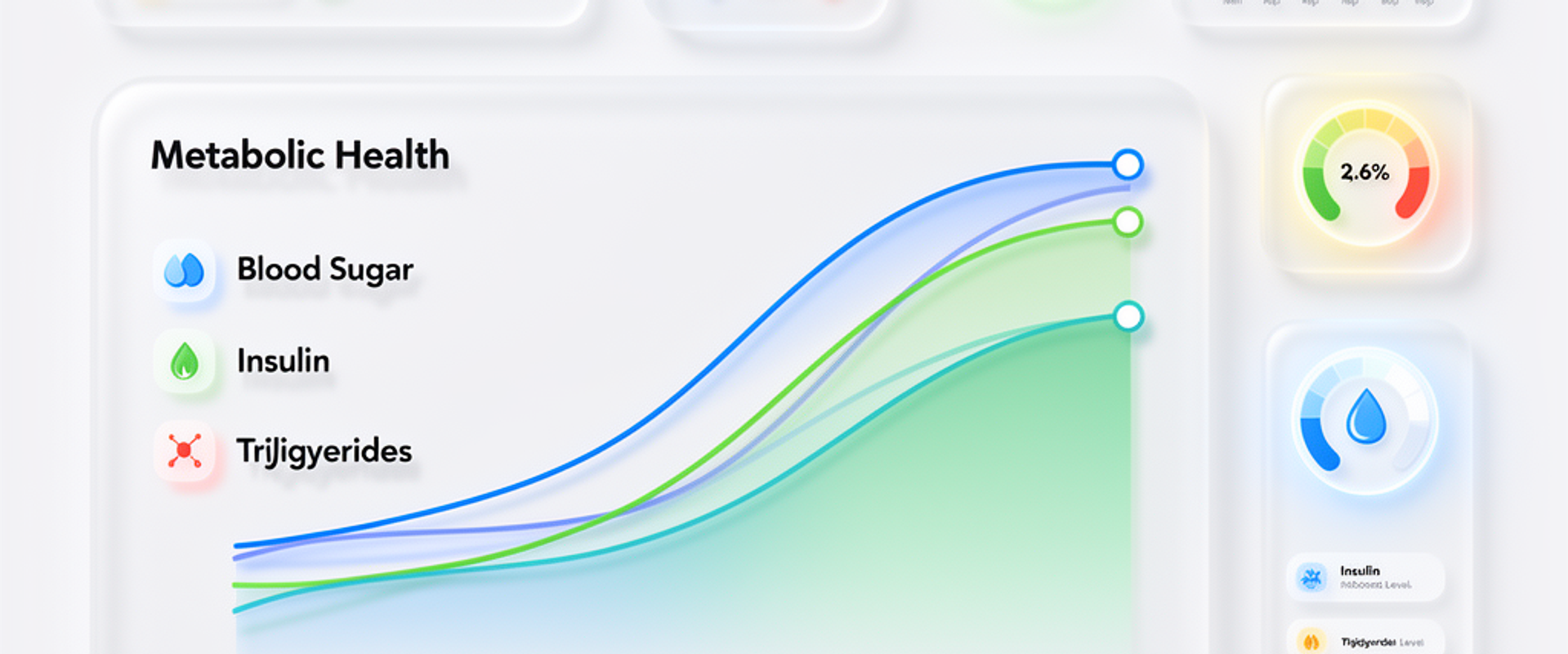
Clinically, metabolic health is evaluated using five primary markers:
- Blood Sugar (Fasting Glucose): How much sugar is lingering in your bloodstream when you haven't eaten.
- Insulin Sensitivity: How effectively your cells respond to insulin, the hormone that unlocks your cells to let sugar in for energy.
- Triglycerides: The amount of fat circulating in your blood.
- HDL Cholesterol: The "helpful" cholesterol that clears out excess fat from your bloodstream.
- Blood Pressure: The force of your blood against your artery walls.
When these markers are out of range, it creates a cascade of chronic inflammation. But here is the good news: these markers are highly responsive to how we eat, move, and live.
The Science Behind the Scenes: Blood Sugar and Insulin
To understand how to eat for metabolic health, you need to understand the relationship between blood sugar and insulin. Think of your cells as a nightclub, and insulin is the bouncer.
When you eat carbohydrates, your body breaks them down into glucose (sugar), which enters your bloodstream. Your pancreas senses this and releases the bouncer, insulin. Insulin's job is to open the doors to the club (your cells) so the glucose can go inside and be used for energy.
If you eat a diet constantly high in easily digestible, bare carbohydrates without any fiber or protein to slow them down, glucose floods the bloodstream all at once. The pancreas has to pump out massive amounts of insulin to handle the rush. Over time, the bouncer gets exhausted. The cells stop responding to insulin's knock.
This is called insulin resistance. Because the glucose can't get into the cells, it stays in the bloodstream, causing damage to blood vessels and triggering inflammation.
Our goal is not to eliminate carbohydrates—carbs are delicious and provide vital energy! Our goal is to slow down the release of glucose so insulin can do its job calmly and efficiently.
How to Eat for Metabolic Health (Without Dieting)
Eating for metabolic health is about addition, not restriction. It is about looking at your plate and asking, "What can I add to this to support my blood sugar and lower inflammation?"
Here are four science-backed, practical pillars to guide your choices.
1. Clothe Your Carbohydrates
Never send a carbohydrate into your digestive tract "naked." Naked carbohydrates—like a plain bagel, a bowl of cereal, or a handful of crackers—digest rapidly, causing a sharp spike in blood sugar followed by a crash that leaves you tired and hungry.
To "clothe" your carbs, pair them with protein, healthy fats, or fiber. These nutrients take much longer to digest. They act like a dam, releasing the glucose from the carbohydrates into your bloodstream in a slow, steady trickle.
- Naked Carb: An apple.
- Clothed Carb: An apple sliced and dipped in 2 tablespoons of peanut butter or paired with 1 ounce (about 23 kernels) of almonds.
- Naked Carb: A bowl of white pasta with tomato sauce.
- Clothed Carb: A bowl of pasta tossed with 3-4 ounces of grilled chicken (protein), 1 tablespoon of olive oil (fat), and a generous handful of spinach (fiber).
2. Make Fiber Your Best Friend
Fiber is the unsung hero of metabolic health. Soluble fiber, in particular, forms a gel-like substance in your gut. This gel traps cholesterol and triglycerides, safely escorting them out of your body, and dramatically slows down blood sugar absorption.
Most adults need 25 to 30 grams of fiber per day, but the average person barely gets 15 grams.
High-Fiber Superstars to Add:
- Chia seeds: Just 2 tablespoons provide a whopping 10 grams of fiber. Actionable tip: Stir them into yogurt or oatmeal.
- Lentils and Beans: 1/2 cup of black beans offers about 7 grams of fiber. Actionable tip: Add a scoop of rinsed, canned beans to your salads or soups.
- Berries: 1 cup of raspberries delivers 8 grams of fiber. Actionable tip: Keep frozen berries in the freezer to warm up and pour over pancakes or oatmeal.
3. Anchor Your Meals with Protein
Protein is essential for maintaining muscle mass, which is a highly metabolically active tissue. The more muscle you have, the more glucose your body can naturally absorb from your bloodstream. Furthermore, protein triggers the release of satiety hormones like GLP-1 and cholecystokinin (CCK), which signal to your brain that you are full.
Aim for 20 to 30 grams of protein per meal.
What does 20-30g of protein look like?
- 1 cup of Greek yogurt or cottage cheese
- 3 to 4 ounces of cooked chicken, turkey, or fish (about the size of a deck of cards)
- 1 cup of edamame paired with 1/2 cup of quinoa
- 3 whole eggs topped with 1 tablespoon of hemp hearts
4. Embrace Fats for Cellular Health
For years, we were told to fear dietary fat. But healthy fats—specifically monounsaturated fats and Omega-3 fatty acids—are crucial for lowering triglycerides, raising "good" HDL cholesterol, and reducing systemic inflammation.
Metabolism-Loving Fats to Include:
- Extra Virgin Olive Oil: Rich in antioxidants. Use 1-2 tablespoons as a base for salad dressings or drizzle it over roasted vegetables.
- Avocados: Packed with monounsaturated fat and fiber. Add 1/4 to 1/2 of an avocado to your morning toast or lunchtime wrap.
- Fatty Fish: Salmon, mackerel, and sardines are rich in Omega-3s. Aim for two 4-ounce servings per week.
Practical, Everyday Food Swaps
Eating for metabolic health doesn't mean eating perfectly. It means making small, sustainable shifts. Here are a few easy swaps that make a big physiological difference:
- Instead of: A large glass of orange juice (pure liquid sugar with no fiber).
Try: Eating a whole orange (contains the vital fiber) alongside a glass of water.
- Instead of: Standard white sandwich bread.
Try: Sourdough bread. The fermentation process in sourdough creates lactic acid, which lowers the bread's glycemic index and makes it much gentler on your blood sugar.
- Instead of: Fruit-on-the-bottom flavored yogurts (which can contain up to 15g of added sugar).
Try: Plain, full-fat or 2% Greek yogurt. Stir in your own fresh fruit and a drizzle (about 1 teaspoon) of honey or maple syrup. You'll cut the added sugar in half and double the protein.
A Day on a Plate: Metabolic Health in Action
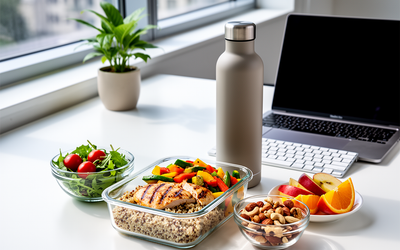
Wondering how this all comes together? Here is a sample day of eating designed to keep blood sugar stable, insulin low, and inflammation at bay—without sacrificing flavor or feeling deprived.
Breakfast: The Blood Sugar Stabilizer
Savory Scramble & Sourdough
- 2-3 whole eggs scrambled in 1 teaspoon of butter or olive oil.
- 1 handful of spinach and 1/4 cup of diced bell peppers (tossed into the eggs for fiber).
- 1 slice of toasted sourdough bread, topped with 1/4 of a mashed avocado.
- Why it works: The protein and fat from the eggs and avocado "clothe" the carbohydrates in the sourdough, providing steady morning energy.
Lunch: The Midday Energy Sustainer
Loaded Mediterranean Bowl
- Base: 1/2 cup of cooked quinoa and 1-2 cups of mixed dark leafy greens.
- Protein: 4 ounces of grilled chicken breast or 1/2 cup of roasted chickpeas.
- Color/Fiber: 1/2 cup of cherry tomatoes, 1/4 cup of sliced cucumbers, and 2 tablespoons of Kalamata olives.
- Dressing: 1 tablespoon of extra virgin olive oil mixed with lemon juice, a pinch of salt, and oregano.
- Why it works: Quinoa is a complex carb packed with fiber, while the olive oil and olives provide anti-inflammatory fats.
Afternoon Snack: The Crunch & Cream
- 1 crisp apple, sliced.
- Paired with 1/4 cup of walnuts or 2 tablespoons of almond butter.
- Why it works: Prevents the dreaded 3:00 PM energy crash by pairing a fiber-rich carb with healthy fats.
Dinner: The Cellular Repair Meal
Sheet Pan Salmon and Veggies
- 4-5 ounces of baked salmon (rich in Omega-3s).
- 1 cup of broccoli florets and 1/2 cup of diced sweet potatoes, tossed in 1 tablespoon of olive oil and roasted until tender.
- Why it works: Sweet potatoes are a fantastic, nutrient-dense carbohydrate. By roasting them in olive oil and eating them alongside protein-rich salmon, you ensure a gentle blood sugar response before bed.
Beyond the Plate: The Lifestyle Factors
While nutrition is paramount, your metabolism is also deeply affected by how you live.
1. The 10-Minute Walk: Studies show that taking a brisk, 10-to-15-minute walk immediately after a meal significantly lowers the resulting blood sugar spike. When you walk, your contracting leg muscles soak up glucose directly from your bloodstream without needing insulin.
2. Sleep is Metabolic Medicine: Just one night of poor sleep can temporarily induce insulin resistance the next day. Prioritize 7-9 hours of quality sleep. When you are well-rested, your body naturally regulates hunger hormones (ghrelin and leptin), making it much easier to choose nourishing foods.
Your Practical Takeaway
It is time to fire the bathroom scale as the ultimate manager of your health. Weight fluctuates based on hydration, hormones, stress, and genetics. Metabolic health, however, is a true reflection of what is happening inside your cells, your arteries, and your organs.
By focusing on adding fiber, anchoring your meals with protein, embracing healthy fats, and clothing your carbohydrates, you can dramatically improve your blood sugar, insulin sensitivity, and energy levels.
Eat to nourish your cells, eat to satisfy your hunger, and let your metabolic health be the compass that guides your well-being.