Mindful Eating: How to Enjoy Food More and Eat Less Without Trying
Tired of confusing diet rules? Discover the science of mindful eating. Learn how stepping away from screens, chewing thoroughly, and savoring your food can naturally boost satisfaction and reduce overeating without restriction.

The End of Nutrition Overwhelm
If you have ever felt dizzy from the endless spin of nutrition advice—eat low carb, no wait, eat high carb, avoid dairy, only eat between noon and six—you are certainly not alone. The wellness world is overflowing with conflicting rules that often turn eating into a stressful math equation rather than a source of joy. We are constantly told what to eat, but we rarely talk about how we eat.
But what if the secret to eating better and feeling more satisfied isn't about radically changing your grocery list, but rather changing your relationship with the plate in front of you?
Enter mindful eating. It is a science-backed, stress-free approach that focuses on your present-moment experience with food. By eating without screens, chewing thoroughly, tuning into your body's natural satiety signals, and truly savoring flavors, you can naturally enjoy your meals more while consuming portions that feel physically comfortable. No food scales, no guilt, and no extreme restriction required.
The Science of Satiety: The Gut-Brain Connection
To understand why mindful eating works, we have to look at human biology. Your digestive system and your brain are in constant communication via the vagus nerve, a sort of biological superhighway.
When you eat, your stomach stretches, and your gut releases a cascade of satiety hormones, including cholecystokinin (CCK), GLP-1, and peptide YY. These hormones travel to your brain to deliver a simple message: "We have enough fuel, you can stop eating now."
Here is the catch: this hormonal signaling process takes time. Research published in the Journal of Clinical Endocrinology & Metabolism confirms that it takes approximately 20 minutes for your brain to fully register that your stomach is full.
If you are inhaling a 6-ounce turkey wrap and a bag of chips in five minutes while scrolling through your phone, your brain never gets the chance to catch up with your stomach. By the time the "I'm full" signal arrives, you have already eaten past the point of physical comfort. Slowing down isn't just a nice, zen idea—it is a biological necessity for recognizing fullness.
Step 1: Disconnect to Reconnect (The Screen-Free Meal)
We live in an era of "eating amnesia." Think about the last time you ate a meal while watching Netflix or answering emails. You look down, your plate is empty, and you barely remember tasting the food.
Distracted eating is one of the primary drivers of unintentional overeating. A comprehensive review published in the American Journal of Clinical Nutrition found that eating while distracted not only increases the amount of food you eat at that specific meal, but it also causes you to eat more later in the day. Because your brain didn't fully encode the memory of the meal, it leaves you feeling psychologically hungry.
Actionable Tips for Screen-Free Eating:
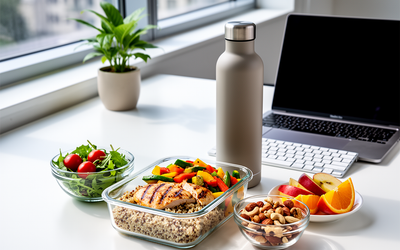
- Create a "No-Tech Zone": Designate your dining table as a screen-free area. Leave your phone in another room and keep the TV off.
- Start Small: If eating in silence feels incredibly daunting, start with just one meal a day. Breakfast is often a great place to begin. Spend 10 minutes eating your morning meal while looking out the window instead of scrolling through the news.
- Listen to Ambient Music: If the silence is too loud, play soft instrumental music (like jazz or lo-fi beats) to create a relaxing atmosphere without demanding your cognitive attention.
Step 2: The Art of Chewing
Digestion does not start in your stomach; it starts in your mouth. Your saliva contains an enzyme called amylase, which begins breaking down carbohydrates the moment food enters your mouth. Furthermore, the physical act of chewing breaks food down into smaller particles, making it easier for your stomach and intestines to extract nutrients.
From a mindful eating perspective, chewing is your built-in speed bump. Thoroughly chewing your food forces you to slow down, giving your satiety hormones the 20 minutes they need to kick in. It also maximizes flavor. The more you chew, the more aromatic compounds are released into your nasal cavity, which is responsible for up to 80% of what we perceive as "flavor."
Actionable Tips for Better Chewing:
- The Fork Put-Down: Take a bite, chew it, and physically place your fork down on the table. Do not pick the fork back up until you have completely swallowed.
- Count Your Chews: You don't have to do this forever, but as an experiment, try chewing your next bite of solid food 20 to 30 times. Notice how the texture changes from solid to paste, and how the flavor evolves.
- Choose Crunchy Foods: Incorporate foods that naturally require more chewing. Instead of a highly processed protein bar, opt for 1 ounce of raw almonds (about 23 nuts) and a crisp Fuji apple. The effort required to eat them will naturally slow your pace.
Step 3: Tuning into Satiety Signals
Diet culture teaches us to rely on external cues to tell us when to stop eating: a calorie tracking app, a specific portion size on a package, or simply an empty plate. Mindful eating flips the script, teaching you to rely on internal cues.
Okinawans, who boast some of the longest lifespans in the world, practice a concept called Hara Hachi Bu, which translates to eating until you are 80% full. At 80%, you are no longer hungry, you feel energized, and you don't feel weighed down or sluggish.
How to Use the Hunger Scale (1-10):
Imagine a scale from 1 to 10.
- 1 is ravenously, painfully hungry (dizzy, irritable).
- 10 is physically stuffed, Thanksgiving-dinner level uncomfortable.
- 5 is neutral—neither hungry nor full.
The Goal: Aim to start eating when you are at a 3 or 4 (gentle hunger, stomach growling slightly) and stop eating when you reach a 7 or 8 (satisfied, comfortable, but could technically eat a few more bites if forced).
Actionable Tip: Pause halfway through your meal. Take a sip of water, take a deep breath, and ask yourself: "Where am I on the hunger scale right now?" If you are at a 7, give yourself permission to wrap up the leftovers for tomorrow.
Step 4: Savoring Flavors with the 5 Senses
When we restrict our diets or label foods as "good" or "bad," we often eat out of anxiety. Mindful eating invites pleasure back to the table. When you genuinely savor your food, you often need less of it to feel completely satisfied. A single, high-quality square of dark chocolate, eaten slowly and mindfully, can be vastly more satisfying than mindlessly eating an entire king-sized candy bar.
The 5-Sense Check-In:
Before you take your first bite, engage your senses:
- Sight: Look at the colors and shapes on your plate.
- Smell: Inhale deeply. What aromas can you pick up? Garlic? Citrus? Earthy grains?
- Touch: Notice the weight of your silverware, or the temperature of a warm mug in your hands. Notice the texture in your mouth—is it creamy, crunchy, or chewy?
- Sound: Listen to the crunch of a carrot or the sizzle of a hot skillet.
- Taste: Finally, identify the flavor profiles. Is it salty, sweet, bitter, sour, or umami?
Practical Mindful Meal Ideas & Swaps
Putting this into practice doesn't require gourmet cooking. Here are a few ways to structure meals that naturally encourage mindfulness, chewing, and satisfaction.
The Mindful Breakfast Bowl
- Instead of: Drinking a meal-replacement shake in the car while commuting.
- Try: A texture-rich oatmeal bowl. Cook 1/2 cup of rolled oats in 1 cup of unsweetened almond or soy milk. Top it with 1 tablespoon of crunchy chia seeds, 1/4 cup of fresh, vibrant blueberries, and 1 tablespoon of chopped walnuts.
- Why it works: The heat of the oatmeal forces you to eat slowly to avoid burning your tongue. The walnuts and chia seeds provide a necessary crunch that requires thorough chewing, while the healthy fats and fiber keep your blood sugar stable.
The "Savor the Crunch" Lunch
- Instead of: A soft, highly processed sandwich eaten over your keyboard.
- Try: A hearty, colorful salad. Combine 2 cups of mixed greens, 1/2 cup of roasted chickpeas, 1/4 cup of sliced cucumbers, 2 tablespoons of pumpkin seeds, and 3 ounces of grilled chicken or tofu. Dress it with 1 tablespoon of extra virgin olive oil and a squeeze of fresh lemon juice.
- Why it works: You physically cannot eat this meal quickly. The robust textures of the roasted chickpeas, raw cucumbers, and pumpkin seeds demand significant chewing, naturally pacing your meal and giving your satiety hormones time to activate.
The Satisfaction Dinner Swap
- Instead of: Eating 2 cups of plain pasta rapidly.
- Try: 1 cup of whole-wheat or legume-based pasta tossed with 1 cup of sautéed zucchini and cherry tomatoes, 3 ounces of shrimp or white beans, and a sprinkle of parmesan cheese.
- Why it works: By cutting the pasta portion in half and replacing it with fiber-rich vegetables and protein, you create a more complex flavor profile. The varied textures make each bite interesting, prompting you to savor the meal rather than just swallowing it whole.
Overcoming Common Hurdles
"But I only have 15 minutes for lunch!" If you are genuinely strapped for time, you don't have to be perfect. Practice the "First Three Bites" rule. Even if the rest of the meal is rushed, commit to eating the very first three bites of your meal with 100% of your attention. Notice the flavor, the temperature, and the texture. This brief pause can reset your nervous system from a stressed "fight or flight" state into a "rest and digest" state.
"I have loud, chaotic kids at the dinner table." Mindful eating doesn't require a silent monastery. You can practice mindfulness with your family. Turn it into a game: Ask your kids to describe the textures they feel in their mouths, or have everyone guess the spices used in the dish. This brings the whole family into the present moment.
Your Practical Takeaway
Mindful eating is a practice, not a perfect destination. It is about moving away from rigid dietary rules and moving toward a respectful, attuned relationship with your body.
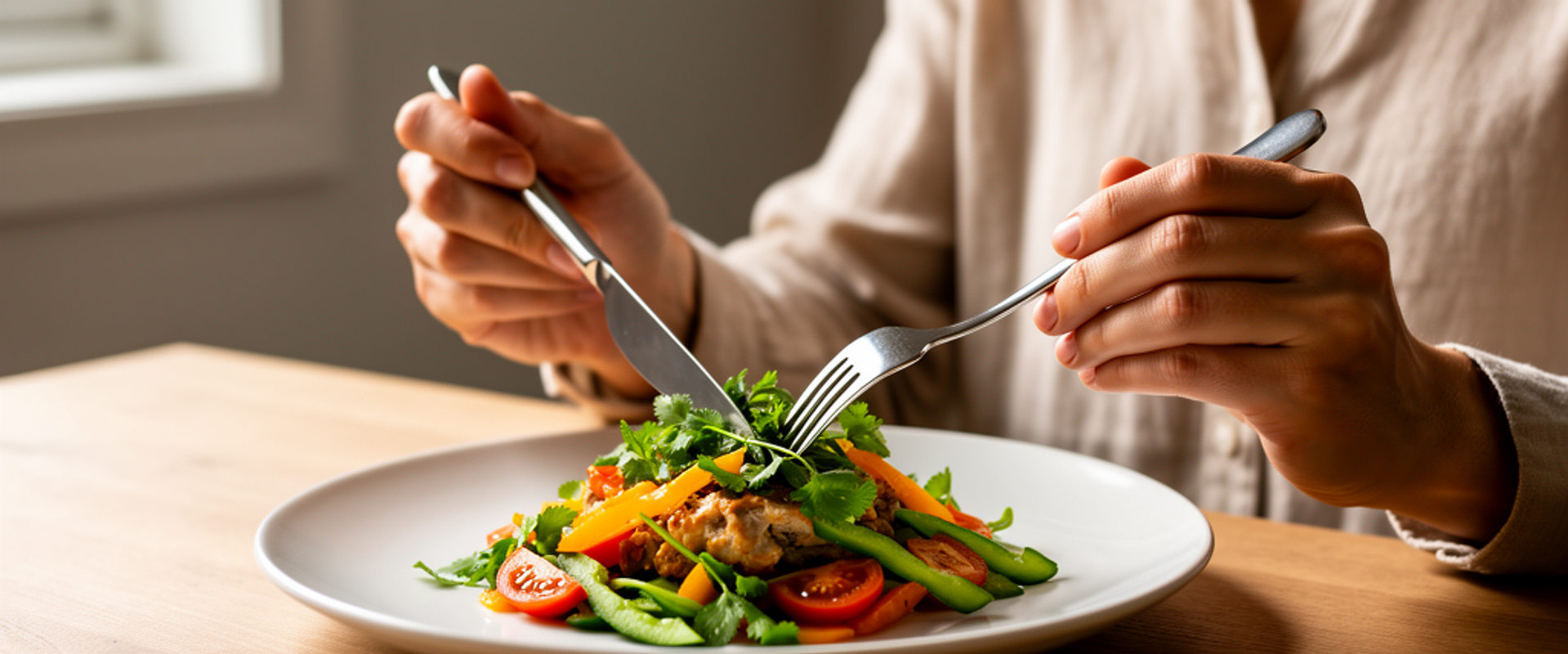
Your challenge for today: Pick just one meal or snack. Put your phone in another room, turn off the television, and sit at a table. Take one deep breath before picking up your fork. Notice the colors, chew thoroughly, and see how the food actually tastes. You might just find that by eating less distracted, you enjoy your food infinitely more.