The Art of the Grain Bowl: A Science-Backed Formula for Stress-Free Meals
Overwhelmed by conflicting nutrition advice? Discover the simple, science-backed grain bowl formula: grain + protein + vegetables + sauce + topping. Build infinite, satisfying meals without the stress.

If you are trying to eat better, you have likely run into a wall of overwhelming, and often conflicting, nutrition advice. One day, carbohydrates are the enemy; the next, they are essential for hormonal health. One expert tells you to eat raw vegetables, while another insists cooking them is the only way to digest them properly.
It is enough to make anyone want to throw in the towel and order takeout.
But what if eating well didn't require a calculator, a list of "forbidden" foods, or a degree in nutritional biochemistry? What if, instead of asking "What should I cut out?" you started asking, "What can I add to my plate to feel energized and satisfied?"
Enter the grain bowl.
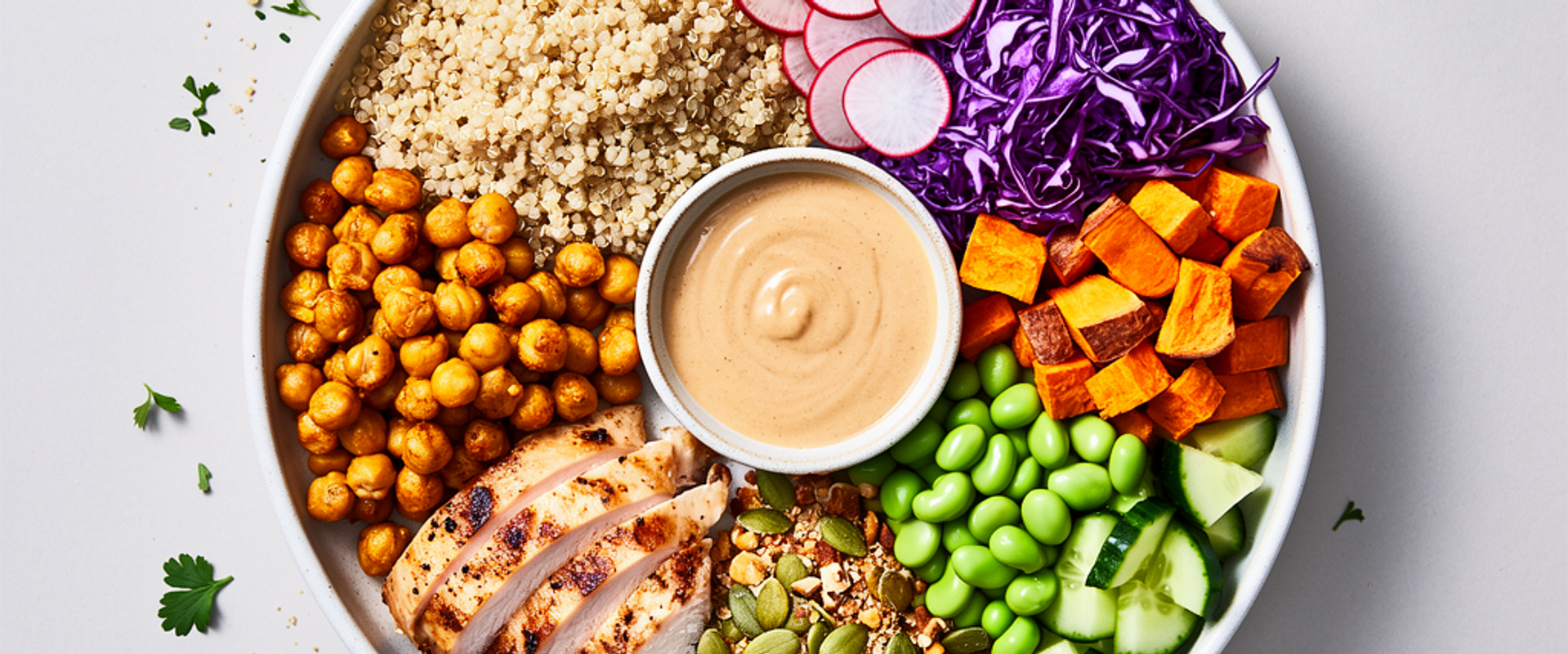
The grain bowl isn't just a trendy menu item at your local fast-casual restaurant; it is a highly adaptable, scientifically sound framework for building meals that support your energy, stabilize your blood sugar, and actually taste delicious. By relying on a simple, five-part formula—Grain + Protein + Vegetables + Sauce + Topping—you can create infinite meal combinations that work for your taste buds and your body.
Here is how to master the art of the mix-and-match grain bowl.
The Science Behind the Bowl: Why This Formula Works
Before we dive into the ingredients, it helps to understand why this specific combination of foods leaves you feeling so good. The magic lies in a concept called macronutrient pairing.
When you eat carbohydrates alone (like a plain bowl of white rice or a bagel), your body rapidly breaks them down into glucose, causing a quick spike in your blood sugar, followed by a rapid crash. This crash is what leaves you feeling lethargic and reaching for a snack an hour later.
However, research published in the American Journal of Clinical Nutrition demonstrates that when you pair complex carbohydrates with protein, dietary fiber, and healthy fats, you significantly slow down gastric emptying. This means the glucose enters your bloodstream at a slow, steady trickle rather than a rushing waterfall.
Furthermore, combining these elements creates nutrient synergy. For example, the vitamin C in a squeeze of lemon juice helps your body absorb the plant-based iron in spinach. The healthy fats in a tahini dressing allow your body to absorb fat-soluble vitamins (A, D, E, and K) from your roasted sweet potatoes and kale.
By following the grain bowl formula, you are naturally building a meal that maximizes nutrient absorption while keeping your hunger hormones (like ghrelin) in check.
Step 1: The Grain Base (Complex Carbohydrates)
The Goal: Provide slow-releasing energy, B vitamins, and dietary fiber. The Baseline Portion: ½ to 1 cup, cooked.
Your base sets the stage. Instead of refined grains that have been stripped of their fiber-rich bran and nutrient-dense germ, opt for intact, whole grains. These complex carbohydrates are your brain's preferred fuel source and provide the fiber necessary for a healthy gut microbiome.
- Quinoa: A fantastic gluten-free option that cooks in just 15 minutes. It is also one of the few plant foods that is a complete protein, meaning it contains all nine essential amino acids.
- Farro: An ancient wheat grain with a satisfyingly chewy texture and a nutty flavor. It holds up beautifully to heavy sauces and is packed with fiber.
- Brown or Wild Rice: Accessible, affordable, and deeply nourishing.
- Pro Tip - The Cooling Trick: If you cook grains like rice or oats and let them cool in the fridge overnight, they develop something called resistant starch. Research shows resistant starch acts as a prebiotic, feeding the beneficial bacteria in your gut and further blunting blood sugar responses.
Step 2: The Protein Powerhouse
The Goal: Support muscle repair, synthesize neurotransmitters, and provide lasting satiety. The Baseline Portion: 4 to 6 ounces (about the size of your palm) for meat/fish, or ¾ to 1 cup for plant-based proteins.
Protein is the anchor of your meal. It is highly satiating and has a high thermic effect, meaning your body actually uses a fair amount of energy just to digest it.
- Poultry: Shredded rotisserie chicken or baked turkey meatballs are easy, prep-friendly options.
- Seafood: Roasted salmon or canned wild-caught tuna provide excellent omega-3 fatty acids, which are crucial for brain health and reducing inflammation.
- Legumes: Black beans, chickpeas, or French lentils. Legumes are a nutritional powerhouse, offering both protein and a massive dose of soluble fiber.
- Soy: Cubed firm tofu (baked until crispy) or shelled edamame. Soy is a highly bioavailable plant protein that takes on the flavor of whatever sauce you use.
- Eggs: Two soft-boiled or fried eggs with a jammy yolk can instantly elevate a bowl, adding both protein and brain-supporting choline.
Step 3: A Rainbow of Vegetables
The Goal: Add volume, hydration, micronutrients, and antioxidants. The Baseline Portion: 1 to 2 cups (aim to make this half of your bowl).
This is where you can eat abundantly. Vegetables provide the volume that triggers stretch receptors in your stomach, signaling to your brain that you are full, without leaving you feeling weighed down. Mixing cooked and raw vegetables adds wonderful textural contrast.
- The Leafy Greens: Massaged kale, peppery arugula, or crisp romaine. (Tip: If using kale, spend 60 seconds rubbing it with a drop of olive oil and a pinch of salt—it breaks down the tough cellulose and makes it sweet and tender).
- The Roasted Roots: Diced sweet potatoes, carrots, or beets. Roasting brings out their natural sweetness and provides a comforting, grounding element to the bowl.
- The Cruciferous Crunch: Roasted broccoli florets, shaved Brussels sprouts, or cauliflower. These are rich in glucosinolates, compounds that support cellular health and liver function.
- The Fresh Pops: Halved cherry tomatoes, diced cucumbers, or quick-pickled red onions for a bright, acidic bite.
Step 4: The Flavor-Tying Sauce (Healthy Fats)
The Goal: Bind the ingredients together, provide flavor, and aid in vitamin absorption. The Baseline Portion: 1 to 2 tablespoons.
A bowl without sauce is just a pile of ingredients. The sauce is the magical element that unifies the dish. More importantly, this is where you introduce healthy, unsaturated fats. As mentioned earlier, eating naked vegetables means you miss out on absorbing vital nutrients. Fat is the courier that delivers vitamins into your bloodstream.
- Tahini Lemon Dressing: Whisk together 2 tbsp tahini, 1 tbsp lemon juice, a minced garlic clove, a pinch of salt, and a splash of warm water until creamy. Perfect for Mediterranean or Middle Eastern flavor profiles.
- Peanut Lime Sauce: Combine 2 tbsp natural peanut butter, 1 tbsp soy sauce (or tamari), 1 tbsp lime juice, and a dash of sriracha. Ideal for tofu or chicken bowls.
- Classic Vinaigrette: 3 parts extra virgin olive oil to 1 part apple cider vinegar, a teaspoon of Dijon mustard, and a touch of maple syrup. Shake in a jar. Olive oil is rich in oleic acid, a heart-healthy monounsaturated fat.
- Avocado Crema: Blend half an avocado with cilantro, lime, and a splash of water for a creamy, dairy-free topping.
Step 5: The Crunch and Garnish (Toppings)
The Goal: Prevent palate fatigue through sensory-specific satiety (texture and aroma). The Baseline Portion: 1 to 2 tablespoons.
Food scientists study something called "sensory-specific satiety," which explains why we get bored eating foods with only one texture. Adding a crunchy or aromatic topping wakes up your palate, making every bite interesting and satisfying.
- Seeds: Pumpkin seeds (pepitas), sunflower seeds, or hemp hearts. Hemp hearts are particularly great as they add a bonus hit of omega-3s and protein.
- Nuts: Sliced almonds, crushed walnuts, or toasted cashews.
- Fresh Herbs: Torn cilantro, fresh dill, mint, or flat-leaf parsley. Herbs are essentially leafy greens packed with concentrated antioxidants and essential oils.
- Cheese: A sprinkle of feta, goat cheese, or sharp cheddar for a salty, umami kick.
Mix-and-Match Inspiration: 3 Bowls to Try Today
Ready to put the formula into action? Here are three foolproof combinations you can build this week.
1. The Mediterranean Reset
- Grain: ½ cup cooked quinoa
- Protein: 4 oz grilled chicken breast or 1 cup chickpeas
- Vegetables: 1 cup fresh arugula, ½ cup diced cucumber, ¼ cup cherry tomatoes, and a scoop of Kalamata olives
- Sauce: 2 tbsp Tahini Lemon Dressing
- Topping: 1 tbsp crumbled feta cheese and fresh dill
- Why it works: Hydrating vegetables pair beautifully with the dense, earthy tahini, while the feta provides a salty contrast.
2. The Peanut Crunch Tofu Bowl
- Grain: ½ cup brown rice
- Protein: ¾ cup baked, cubed extra-firm tofu
- Vegetables: 1 cup steamed broccoli florets and ½ cup shredded carrots
- Sauce: 2 tbsp Peanut Lime Sauce
- Topping: 1 tbsp crushed peanuts, fresh cilantro, and a squeeze of fresh lime juice
- Why it works: The vitamin C in the lime juice helps absorb the plant iron from the broccoli, while the healthy fats in the peanut sauce keep your blood sugar perfectly stable.
3. The Harvest Salmon Bowl
- Grain: ½ cup cooked farro
- Protein: 5 oz roasted salmon
- Vegetables: 1 cup roasted sweet potato cubes and 1 cup massaged kale
- Sauce: 1 tbsp extra virgin olive oil and a splash of balsamic glaze
- Topping: 1 tbsp pumpkin seeds and a sprinkle of goat cheese
- Why it works: This is a masterclass in brain health, combining the omega-3s from the salmon with the complex carbohydrates from the sweet potatoes and farro.
Practical Meal Prep Strategy
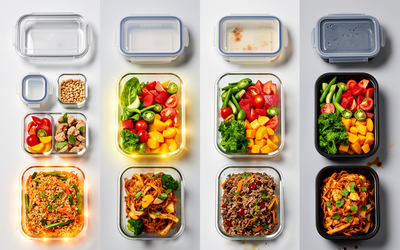
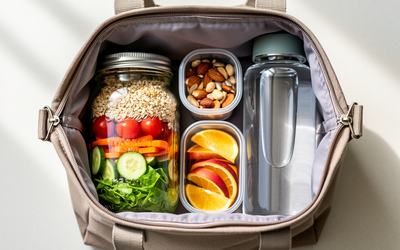
If you want to eat well during a busy workweek, do not prep fully assembled bowls—they will get soggy and you will get bored. Instead, prep the components.
On a Sunday, make one large batch of a grain (like quinoa), roast one large tray of vegetables (like sweet potatoes and broccoli), and prepare one or two proteins (like hard-boiling a few eggs and baking some tofu). Make one jar of a versatile sauce.
Store everything in separate, airtight containers in the fridge. When it is time to eat, simply grab a bowl, add a scoop of each component, warm up the grains and protein if desired, and finish with your sauce and crunchy toppings. It takes less than three minutes to plate a gourmet, nutritionally complete meal.
The Takeaway
Nourishing your body doesn't require rigid rules, guilt, or anxiety. By adopting the grain bowl formula—grain, protein, vegetables, sauce, and topping—you create a flexible, forgiving framework for healthy eating. You give your body the complex carbohydrates it needs for energy, the protein it requires for repair, the vegetables it craves for vitality, and the healthy fats necessary for satisfaction. Mix, match, and enjoy the art of a stress-free meal.