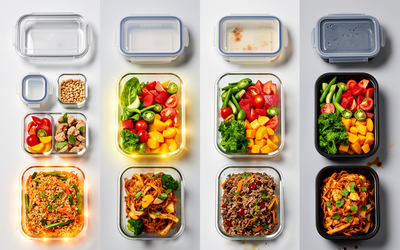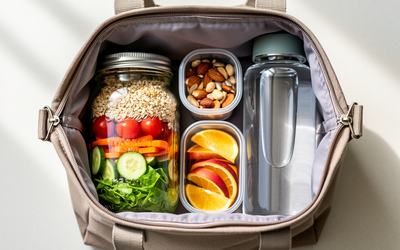
The Freezer Is Your Best Friend: 20 Meals That Freeze Perfectly
Overwhelmed by daily cooking? Discover how to build a nutrient-packed freezer arsenal. From hearty stews to smoothie packs, learn the science of freezing and get 20 delicious, make-ahead meals to simplify your routine.

If you are trying to eat more nutrient-dense foods but feel completely overwhelmed by the daily grind of cooking, you are not alone. Between conflicting nutrition advice on social media and the sheer exhaustion of answering "what's for dinner?" every single night, eating well can quickly feel like a full-time job.
But here is a secret from the nutrition world: consistency beats perfection every time. You do not need a flawless diet; you need a practical one. And the most practical tool in your kitchen is not a fancy blender or an expensive air fryer. It is your freezer.
Building a "freezer arsenal" allows you to cook once and eat for weeks without sacrificing quality, flavor, or nutrition. Let's explore the science of why freezing is so effective, the rules for doing it right, and 20 specific meals you can prep today to make your future self incredibly happy.
The Science of Freezing: Nature's Pause Button
There is a persistent myth that fresh food is always nutritionally superior to frozen. As a nutrition professional, I love debunking this one.
Research, including studies from the University of California, Davis, shows that freezing acts as nature's pause button. When foods are frozen quickly, they lock in their nutritional value. In fact, frozen fruits and vegetables often contain higher levels of water-soluble vitamins (like Vitamin C and B vitamins) than their "fresh" counterparts, which may have spent weeks in transit and sitting on grocery store shelves degrading in nutrient quality.
When we freeze cooked meals, we halt enzymatic activity and bacterial growth. The only enemy we have to fight is "freezer burn"—the result of moisture escaping the food and turning into ice crystals on the surface. We prevent this by minimizing air exposure.
Let's dive into the best foods to stock in your freezer, categorized for easy meal planning.
Category 1: Soups, Stews, and Chili
Liquid-heavy meals freeze beautifully because the broth surrounds the ingredients, protecting them from air exposure and freezer burn.
1. Spiced Lentil and Spinach Stew Lentils are a powerhouse of soluble fiber (about 8 grams per half-cup cooked) and plant-based iron. Simmer brown lentils with diced tomatoes, cumin, and turmeric. Stir in fresh spinach right before freezing. Portion into 2-cup glass containers, leaving an inch at the top for the liquid to expand as it freezes.
2. Turkey and Three-Bean Chili Using lean ground turkey and a mix of kidney, black, and pinto beans provides a fantastic ratio of protein to complex carbohydrates. The spices actually deepen in flavor after freezing. Store in heavy-duty silicone bags laid flat to save space.
3. Creamy (Dairy-Free) Butternut Squash Soup Dairy can sometimes separate or become grainy when frozen, so use coconut milk or blended cashews for creaminess. Butternut squash is rich in beta-carotene, which your body converts to Vitamin A. Freeze in individual portions for a quick, comforting lunch.
4. Chicken Bone Broth and Vegetable Soup Bone broth provides a soothing matrix of collagen and amino acids. Load this soup with carrots, celery, and onions. Tip: Leave the noodles out! Pasta gets mushy in the freezer. Boil fresh pasta or rice when you reheat the soup.
5. West African-Inspired Peanut Stew This rich, savory stew uses peanut butter (a great source of healthy monounsaturated fats), sweet potatoes, and collard greens. The dense texture holds up perfectly to freezing and thawing.
Category 2: Casseroles and Bakes
Casseroles are the ultimate "cook once, eat four times" meal. To freeze them successfully, undercook the vegetables slightly so they don't turn to mush when reheated.
6. Black Bean and Sweet Potato Enchilada Bake Layer corn tortillas, roasted sweet potato cubes, black beans, and a mild red enchilada sauce. Sweet potatoes offer potassium and fiber. Assemble the bake, wrap it tightly in a layer of plastic wrap followed by aluminum foil, and freeze before baking.
7. Zucchini and Ground Chicken Lasagna Swap traditional pasta for thinly sliced zucchini to increase your vegetable intake. Salting and patting the zucchini dry before assembling prevents the lasagna from becoming watery in the freezer.
8. Quinoa, Broccoli, and Cheddar Casserole Quinoa is a complete plant protein, containing all nine essential amino acids. Mix cooked quinoa with steamed broccoli florets and sharp cheddar cheese. Freeze in individual glass Tupperware containers for easy microwave reheating.
9. Baked Oatmeal with Mixed Berries Who says casseroles are only for dinner? Mix rolled oats, chia seeds, almond milk, and frozen berries, then bake. Oats contain beta-glucan, a type of fiber linked to heart health. Cut into 4-inch squares, wrap individually, and freeze.
10. Shepherd's Pie with Lentils and Mushrooms Replace half or all of the traditional meat with diced mushrooms and lentils. Mushrooms provide a savory umami flavor and are one of the few food sources of Vitamin D. Top with mashed potatoes and freeze.
Category 3: Marinated Proteins
Sometimes you just want to cook something fresh, but the prep work is daunting. Enter "dump bags." You add raw protein and a marinade to a bag, freeze it, and the protein actually marinates as it thaws in your fridge.
11. Lemon-Herb Chicken Breasts Place two chicken breasts in a bag with olive oil, lemon juice, garlic, and dried oregano. A 4-ounce portion of chicken provides about 25 grams of high-quality protein to support muscle repair.
12. Soy-Ginger Tofu Cubes Press a block of extra-firm tofu, cube it, and freeze it in a marinade of low-sodium soy sauce, grated ginger, and sesame oil. Freezing tofu fundamentally changes its texture—the water inside expands, creating little pockets that soak up the marinade like a sponge.
13. Greek Yogurt and Dill Salmon Portions Salmon is rich in Omega-3 fatty acids (EPA and DHA), which are crucial for brain and cardiovascular health. Coat 5-ounce salmon fillets in Greek yogurt, dill, and a squeeze of lemon. The yogurt tenderizes the fish wonderfully.
14. Fajita Spiced Flank Steak (or Tempeh) Slice flank steak (or tempeh for a plant-based option) into strips. Freeze with sliced bell peppers, onions, chili powder, and cumin. When you are ready to eat, simply empty the thawed bag into a hot skillet for a 10-minute dinner.
Category 4: Breakfasts and Smoothies
Mornings are chaotic. Having a freezer stash ensures you start the day with stable blood sugar and sustained energy, rather than grabbing a pastry in a panic.
15. Spinach, Banana, and Chia Seed Smoothie Packs In a reusable silicone bag, combine 1 cup of fresh spinach, half a frozen banana, and 1 tablespoon of chia seeds. In the morning, dump the contents into a blender, add 1 cup of milk or water, and a scoop of protein powder.
16. Mixed Berry and Hemp Heart Smoothie Packs Combine 1 cup of mixed berries (strawberries, blueberries, raspberries) with 2 tablespoons of hemp hearts. Hemp hearts add a creamy texture and are packed with plant protein and anti-inflammatory fats.
17. Black Bean, Egg, and Spinach Breakfast Burritos Scramble eggs with spinach and black beans. Use a whole-wheat tortilla for extra fiber. Crucial tip: Let the filling cool completely before rolling. If you roll them hot, the steam creates soggy tortillas. Wrap each burrito tightly in parchment paper, then foil.
18. Batch-Cooked Whole Grain Waffles Make a double batch of waffles on Sunday using whole wheat flour or an oat-flour blend. Let them cool on a wire rack, then freeze them in a large bag. Pop them straight into the toaster just like the store-bought ones, but with much more fiber to keep you full.
19. Mini Frittatas with Bell Peppers and Feta Whisk eggs, diced bell peppers (high in Vitamin C), and a sprinkle of feta cheese. Bake in a silicone muffin tin. Two of these "egg muffins" make a perfect, protein-rich breakfast. Microwave for 60-90 seconds from frozen.
20. Pre-portioned Overnight Oat Pucks Mix your favorite overnight oats recipe (oats, milk, yogurt, seeds). Instead of putting them in the fridge, freeze them in a silicone muffin tray. Pop out the "oat pucks" and keep them in a bag. Drop one puck into a jar the night before, and it will be perfectly thawed and creamy by morning.
Best Practices for Your Freezer Arsenal
To make this system work seamlessly, keep these simple, practical rules in mind:
- Cool before you freeze: Never put hot food directly into the freezer. It will raise the ambient temperature of the freezer, potentially thawing adjacent foods, and it creates massive amounts of condensation that leads to freezer burn.
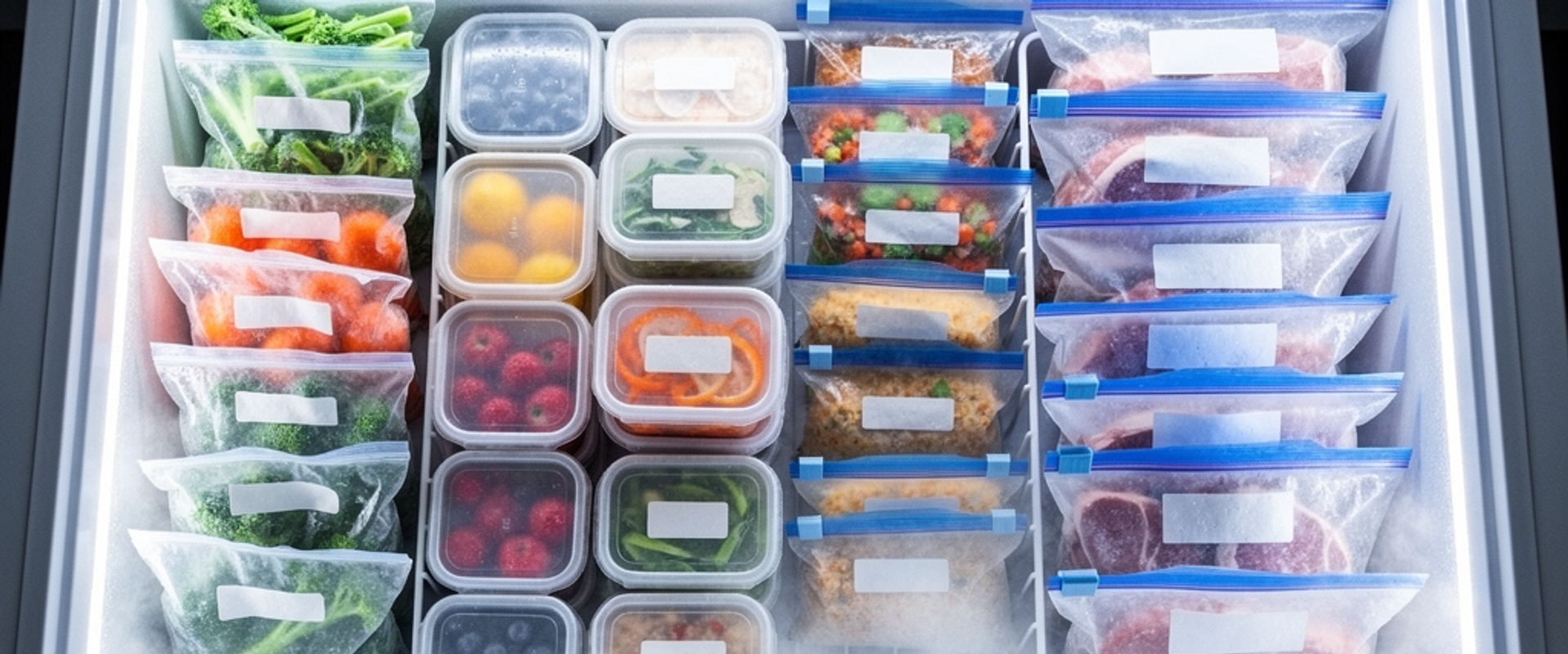
- Label everything: You might think you will remember what is in that container, but three months from now, frozen chili and frozen pasta sauce look identical. Use masking tape and a marker to write the food name and the date.
- Portion wisely: Freeze in the portions you intend to eat. If you live alone, freeze soups in single-serving containers. If you are cooking for a family of four, freeze casseroles in large 9x13 pans.
- Thaw safely: The safest way to thaw food is overnight in the refrigerator. For soups and stews, you can often run the container under warm water to loosen the edges, pop the frozen block into a saucepan, and heat it gently over medium-low heat.
Your Practical Takeaway
You do not need to spend your entire Sunday prepping all 20 of these meals. That would defeat the purpose of reducing overwhelm!
Start small. This weekend, pick just one category. Make a double batch of a hearty lentil stew and freeze half, or spend 15 minutes assembling four smoothie packs. By taking small, actionable steps, you are building a safety net of nourishing, ready-to-eat meals. Your freezer is ready to be your best friend—let it do the heavy lifting so you can simply enjoy your food.