The Healthy Pantry Checklist: 30 Staples to Always Have on Hand
Overwhelmed by nutrition advice? Build a resilient pantry instead. With these 30 science-backed staples—from canned beans to frozen berries—you will always have the ingredients to throw together a nourishing, satisfying meal in minutes.

The Secret to Stress-Free Nutrition
If you want to eat better but feel overwhelmed by conflicting nutrition advice, you are not alone. One day carbohydrates are the enemy; the next, you are told to eat a purely plant-based diet. The truth is that healthy eating does not require extreme diets, expensive superfoods, or complicated meal prep. It starts with something much simpler: your pantry.
As a nutrition professional, I often see people fail to reach their health goals simply because they do not have the right food on hand when hunger strikes. When you are tired after a long day and the fridge is empty, ordering takeout is the logical choice. But if you have a well-stocked pantry and freezer, you can always assemble a nourishing, satisfying meal in under 20 minutes.
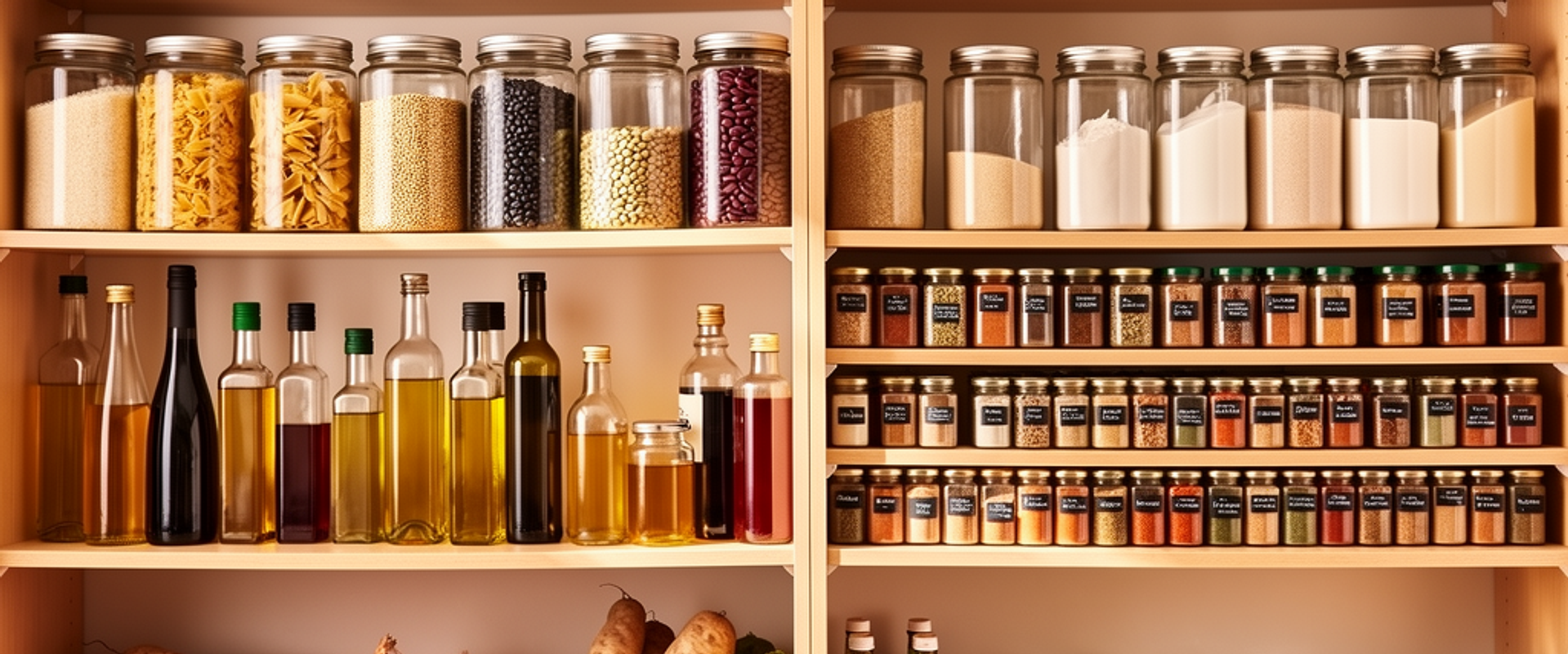
This checklist of 30 essential staples is designed to build a resilient kitchen. These items are science-backed, long-lasting, and incredibly versatile. By keeping these ingredients stocked, you create an environment where the easiest choice is also a nutritious one.
The Protein Powerhouses
Protein is essential for muscle repair, immune function, and keeping you satisfied between meals. Having shelf-stable and frozen proteins means you never have to rely on a last-minute grocery run.
1. Canned Beans (Black, Chickpea, Cannellini)
Beans are a nutritional powerhouse, boasting a unique combination of plant-based protein and soluble fiber. Research shows that regular bean consumption supports a healthy gut microbiome and stabilizes blood sugar. Tip: A standard portion is ½ cup. Rinse canned beans under cold water to reduce their sodium content by up to 40%.
2. Dried Lentils
Unlike dried beans, lentils do not require overnight soaking and cook in just 15 to 20 minutes. They are incredibly rich in folate, iron, and polyphenols (plant compounds with antioxidant properties).
3. Canned Wild Salmon or Light Tuna
Canned fish is an accessible, budget-friendly source of EPA and DHA—the omega-3 fatty acids crucial for brain and heart health. A 3-ounce serving provides about 20 grams of high-quality protein. Tip: Mix with Greek yogurt or mashed avocado instead of mayonnaise for a nutrient-dense salad.
4. Frozen Edamame
Edamame (young soybeans) is a complete plant protein, meaning it contains all nine essential amino acids your body cannot make on its own. Keep a bag of shelled edamame in the freezer to toss into stir-fries or grain bowls.
5. Shelf-Stable Tofu
Silken or firm tofu packaged in aseptic cartons can sit in your pantry for months. It is an excellent source of calcium and protein, perfect for blending into smoothies or tossing into a quick curry.
The Energizing Grains & Carbohydrates
Carbohydrates are your body's preferred energy source, especially for your brain and central nervous system. The key is to choose complex, fiber-rich carbohydrates that provide sustained energy rather than a quick spike and crash.
6. Rolled Oats
Oats contain a specific type of soluble fiber called beta-glucan. Clinical studies consistently show that beta-glucan helps lower LDL cholesterol and promotes a feeling of fullness. A standard portion is ½ cup of dry oats.
7. Quinoa
Quinoa cooks faster than most whole grains (about 15 minutes) and is packed with fiber and protein. It has a mild, nutty flavor that makes it a perfect canvas for both savory bowls and sweet breakfast porridges.
8. Brown Rice
Brown rice retains its bran and germ, meaning it holds onto valuable B vitamins and magnesium that are stripped away in white rice.
9. Whole Wheat or Legume-Based Pasta
Pasta is a fantastic vehicle for vegetables and healthy fats. Whole wheat pasta offers more fiber, while legume-based pastas (made from chickpeas or red lentils) can pack up to 14 grams of protein per 2-ounce serving.
10. Whole Grain Bread or Tortillas (Freezer)
Bread can absolutely be part of a healthy diet. Buy loaves made with 100% whole grains and keep them in the freezer. You can toast individual slices as needed, preventing waste and ensuring you always have a base for avocado toast or a sandwich.
11. Popcorn Kernels
Popcorn is a 100% unprocessed whole grain. Air-popping your own kernels on the stove with a little olive oil makes for a highly satiating, fiber-rich snack that is far cheaper than pre-packaged chips.
The Long-Lasting Produce
Eating a colorful variety of fruits and vegetables provides the vitamins, minerals, and antioxidants your body needs to thrive. Do not fear the frozen aisle—research confirms that flash-freezing vegetables at peak ripeness locks in water-soluble vitamins (like Vitamin C) just as effectively as fresh produce.
12. Frozen Mixed Vegetables (Broccoli, Peas, Spinach)
Frozen vegetables require zero chopping and will not wilt in your crisper drawer. Toss a handful of frozen spinach into pasta sauces or steam broccoli as a quick side dish. Aim for at least 1 cup per meal.
13. Frozen Berries
Berries are rich in anthocyanins, antioxidants linked to cognitive health. Frozen blueberries or raspberries are perfect for oatmeal, smoothies, or simply thawed slightly as a sweet treat.
14. Canned Diced Tomatoes
Tomatoes are rich in lycopene, a powerful antioxidant. Interestingly, the heating process involved in canning actually makes lycopene easier for your body to absorb.
15. Onions
Stored in a cool, dark place, onions can last for months. They are the aromatic foundation of almost every savory dish across global cuisines and provide prebiotic fiber to feed your good gut bacteria.
16. Garlic
Like onions, garlic is a long-lasting aromatic. It contains allicin, a compound studied for its antimicrobial and immune-supporting properties.
17. Sweet Potatoes
Root vegetables are incredibly shelf-stable. Sweet potatoes are loaded with beta-carotene (Vitamin A), which supports eye health and immune function. A standard serving is one medium potato.
18. Dried Fruit (Raisins, Dates, or Cranberries)
Dried fruit provides concentrated energy and a natural way to satisfy a sweet tooth. Because the water is removed, the sugar is concentrated, so stick to a portion size of about ¼ cup to top salads or oatmeal.
The Satiating Healthy Fats
Fats are not to be feared; they are required to absorb fat-soluble vitamins (A, D, E, and K) and are crucial for hormone production. Adding healthy fats to your meals also slows digestion, keeping you full for hours.
19. Extra Virgin Olive Oil
Extra virgin olive oil (EVOO) is the cornerstone of the Mediterranean diet, widely considered one of the healthiest dietary patterns in the world. It is rich in heart-healthy monounsaturated fats and polyphenols. Use it for roasting vegetables or making homemade dressings.
20. Raw or Roasted Nuts (Walnuts, Almonds)
Nuts provide a satisfying crunch along with protein, fiber, and healthy fats. Walnuts are particularly high in plant-based omega-3s. A standard portion is 1 ounce (about a small handful).
21. Seeds (Chia, Flax, or Hemp)
Seeds are tiny nutritional giants. Chia and flax seeds are loaded with soluble fiber, while hemp seeds provide a hefty dose of protein. Tip: Aim for 1-2 tablespoons daily mixed into yogurt, smoothies, or oats.
22. Nut Butter (Peanut or Almond)
A jar of natural peanut or almond butter (look for ingredient lists that just say "peanuts" and "salt") is perfect for smearing on toast, mixing into sauces, or pairing with an apple. A standard portion is 2 tablespoons.
The Flavor Builders
Healthy food must taste good. If your meals are bland, you will not stick to your eating habits. These flavor builders add depth, umami, and excitement to your food without relying on heavy processing.
23. Essential Dried Spices
Spices add massive flavor and boast high antioxidant levels. Start with four essentials: Cumin (earthy and warm), Smoked Paprika (savory and smoky), Oregano (herbal), and Garlic Powder (savory depth).
24. Kosher Salt and Black Peppercorns
Salt is essential for making food taste like itself. Using kosher salt allows you to season food evenly. Black pepper contains piperine, a compound that enhances the absorption of other nutrients (like the curcumin in turmeric or the nutrients in vegetables).
25. Vinegar (Apple Cider or Balsamic)
Acid is the secret to restaurant-quality food. A splash of vinegar brightens up heavy dishes and makes quick, cheap salad dressings.
26. Low-Sodium Soy Sauce or Tamari
Soy sauce provides umami—the deep, savory "fifth taste." Opt for low-sodium versions to better control the salt content in your stir-fries and marinades. Use tamari if you need a gluten-free option.
27. Dijon Mustard
Dijon mustard is an emulsifier, meaning it helps oil and vinegar blend together smoothly in dressings. It also adds a tangy kick to marinades and sauces with virtually zero calories.
28. Vegetable or Bone Broth
Cooking grains like rice or quinoa in broth instead of water instantly elevates the flavor of your meal. Keep cartons of broth in your pantry for quick soups and pan sauces.
29. Canned Full-Fat Coconut Milk
Coconut milk provides a rich, creamy base for curries, soups, and even dairy-free desserts. While it is high in saturated fat, it can be enjoyed as part of a balanced diet to add necessary richness to plant-heavy meals.
30. Nutritional Yeast
Affectionately known as "nooch," nutritional yeast has a cheesy, nutty flavor. It is a favorite in plant-based cooking and is often fortified with B12, a vital nutrient for nerve health. Sprinkle it on popcorn, pasta, or roasted vegetables.
Putting It Together: Pantry Meal Ideas
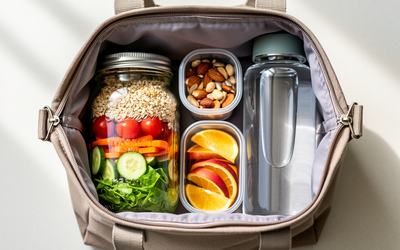
Having the ingredients is only half the battle; knowing how to combine them is where the magic happens. Here are three flexible formulas you can make today using only the items from this checklist:
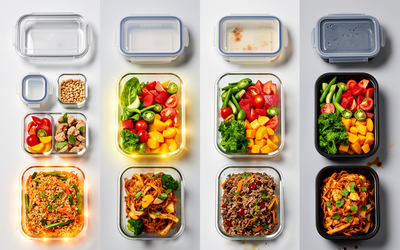
1. The "Pantry Raid" Grain Bowl
- Base: 1 cup cooked quinoa or brown rice.
- Protein: ½ cup rinsed black beans or canned salmon.
- Veggies: 1 cup roasted sweet potato cubes or steamed frozen broccoli.
- Dressing: Whisk 1 tbsp olive oil, 1 tsp Dijon mustard, a splash of apple cider vinegar, salt, and pepper.
- Crunch: Top with 1 tbsp of pumpkin seeds or chopped almonds.
2. 15-Minute Pasta e Ceci (Pasta and Chickpeas)
- Method: Sauté chopped onions and garlic in olive oil. Add 1 can of diced tomatoes, 1 can of rinsed chickpeas, and a dash of oregano. Let it simmer for 10 minutes. Toss with cooked whole wheat pasta. Top with a generous sprinkle of nutritional yeast and black pepper. This meal is packed with fiber and plant protein, and feels like a warm hug.
3. Emergency Coconut Curry
- Method: Sauté onions and garlic. Stir in cumin and smoked paprika. Pour in 1 can of coconut milk and ½ cup of broth. Add cubed shelf-stable tofu and 2 cups of frozen mixed vegetables. Simmer until the veggies are tender. Serve over brown rice with a splash of soy sauce.
Your Practical Takeaway
You do not need to buy all 30 items today. Trying to overhaul your kitchen in one afternoon is a recipe for the very overwhelm we are trying to avoid.
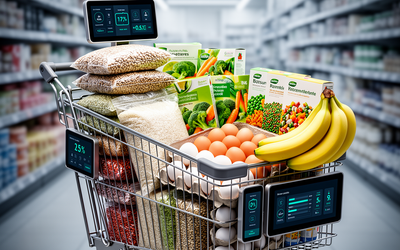
Instead, take an inventory of what you already have. Then, next time you go to the grocery store, pick up three or four items from this list to fill the gaps. Slowly, week by week, you will build a robust, healthy pantry. When you have the right staples on hand, eating well stops being a test of willpower and simply becomes the easiest option available.