The Science of Juicy: How to Cook Chicken Breast That Actually Tastes Good
Tired of dry, rubbery chicken breast? Learn the science of cooking juicy poultry with these simple techniques. Discover the pound-it-flat method, brining secrets, temperature rules, and five marinades that will transform your meals.

The Unfortunate Reputation of the Chicken Breast
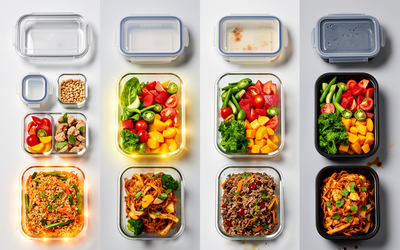
If you have ever tried to navigate the world of healthy eating, you have undoubtedly crossed paths with the plain, uninspired chicken breast. For decades, it has been the poster child for "eating well," often appearing in meal prep containers alongside steamed broccoli and plain brown rice. But let's be honest: all too often, that chicken is dry, stringy, and requires a gallon of water just to swallow.
When we are overwhelmed by conflicting nutrition advice, we tend to fall back on what feels safe. Chicken breast is incredibly nutrient-dense, offering roughly 25 to 30 grams of high-quality protein per 4-ounce serving, alongside essential nutrients like vitamin B6, niacin, and selenium. It is a fantastic foundation for a balanced diet.
However, eating well should never feel like a punishment. If your food doesn't taste good, you aren't going to want to eat it—and forcing down meals you hate is the opposite of a sustainable, nourishing lifestyle.
The good news? The reason your chicken breast is dry isn't because it's a flawed cut of meat. It is simply because of how it is being prepared. By understanding a little bit of food science, you can transform this kitchen staple from a sad desk lunch into a juicy, flavorful protein you genuinely crave.
The Science of Dry Chicken: Why It Happens
To fix the problem, we first need to understand the biology of the bird. Chicken breasts are composed of lean muscle fibers. Unlike chicken thighs or cuts of beef, the breast lacks intramuscular fat (marbling). Fat acts as an insulator during the cooking process and provides built-in moisture and flavor. A standard 4-ounce portion of skinless chicken breast contains less than 3 grams of fat.
When meat is subjected to heat, the proteins within the muscle fibers begin to denature (unwind) and then coagulate (link together). As these protein networks tighten, they literally squeeze out the water contained within the muscle cells—much like wringing out a wet sponge.
Because chicken breast has almost no fat to compensate for this moisture loss, overcooking it by even a few degrees results in a chalky, rubbery texture. The secret to perfect chicken breast lies in managing heat, altering the protein structure before cooking, and adding flavor at the foundational level.
Here is your step-by-step, science-backed guide to getting it right every single time.
Technique 1: The Pound-It-Flat Method
Take a look at a whole chicken breast. You will notice it is highly uneven—thick and bulbous at one end, tapering off to a thin point at the other.
This shape is a biological marvel for the chicken, but a nightmare for the cook. If you put an unpounded chicken breast into a skillet, the thin tail-end will reach an internal temperature of 165°F (74°C) long before the thick center even hits 120°F (49°C). By the time the thickest part is safe to eat, the thin part has turned into chicken jerky.
The Solution: Even out the thickness. Place your chicken breast on a cutting board, cover it with a piece of plastic wrap or parchment paper (to prevent cross-contamination and splatter), and use a meat mallet, a rolling pin, or even the bottom of a heavy skillet to gently pound the meat.
Aim for an even thickness of about half an inch to three-quarters of an inch across the entire breast. Not only does this ensure the meat cooks at the exact same rate, but the physical pounding also helps to mechanically tenderize the muscle fibers.
Technique 2: The Magic of Brining
If you want a foolproof insurance policy against dry chicken, you need to introduce salt before the meat ever touches a pan. Brining utilizes the power of osmosis and protein denaturation to lock in moisture.
When you apply salt to chicken, it slowly dissolves some of the muscle proteins (specifically myosin). This creates a relaxed, gel-like matrix that traps water inside the meat. When the chicken is eventually cooked, those proteins cannot tighten up and squeeze out as much moisture.
There are two ways to do this:
The Wet Brine
Dissolve 1/4 cup of kosher salt in 4 cups of warm water, then add ice to cool the liquid. Submerge your pounded chicken breasts in the salty water for 30 to 60 minutes. The meat will absorb the seasoned water, increasing its starting weight and ensuring a juicy final product. Pat the chicken completely dry with paper towels before cooking to ensure you get a good sear.
The Dry Brine (The Easier, Better Method)
Dry brining is often superior because it doesn't dilute the chicken's natural flavor with excess water. Simply sprinkle about 1/2 teaspoon of kosher salt per chicken breast evenly over the surface. Place the chicken on a wire rack set over a plate and leave it uncovered in the fridge for at least 30 minutes, or up to 24 hours. The salt draws out a tiny bit of moisture, dissolves into it, and is then reabsorbed deep into the muscle tissues.
Technique 3: The Golden Rule of Internal Temperature
If there is only one takeaway you remember from this article, let it be this: Buy a digital meat thermometer.
For decades, the USDA has recommended cooking all poultry to an internal temperature of 165°F (74°C). This is because, at 165°F, harmful bacteria like Salmonella are killed instantly. However, food safety pasteurization is a function of both temperature and time.
According to extensive food science research, you do not actually have to cook your chicken to 165°F to make it safe. If chicken reaches 155°F (68°C) and stays at that temperature for just 54.4 seconds, it achieves the exact same level of bacterial reduction as hitting 165°F instantly.
Furthermore, meat experiences "carryover cooking." When you remove a chicken breast from a hot pan, the residual heat continues to push the internal temperature up by roughly 5 degrees while it rests.
The Actionable Tip: Cook your chicken until the thickest part registers 155°F to 160°F on a digital thermometer. Remove it from the heat immediately, place it on a warm plate, and tent it loosely with foil. Let it rest for 5 to 10 minutes. The temperature will gently rise to a safe 160°F-165°F, the muscle fibers will relax, and the juices will redistribute throughout the meat instead of spilling out onto your cutting board.
5 Marinades That Transform Bland Into Delicious
Marinades do more than just add flavor; when formulated correctly, they also tenderize. A great marinade needs three elements: an acid or enzyme (to tenderize), a fat (to carry fat-soluble flavors and aid in browning), and flavorings (herbs, spices, aromatics).
Here are five evidence-based marinades. Combine the ingredients in a bowl or bag with 4 pounded chicken breasts and let them marinate for 30 minutes to 4 hours. (Do not exceed 12 hours, or acidic marinades will turn the meat mushy).
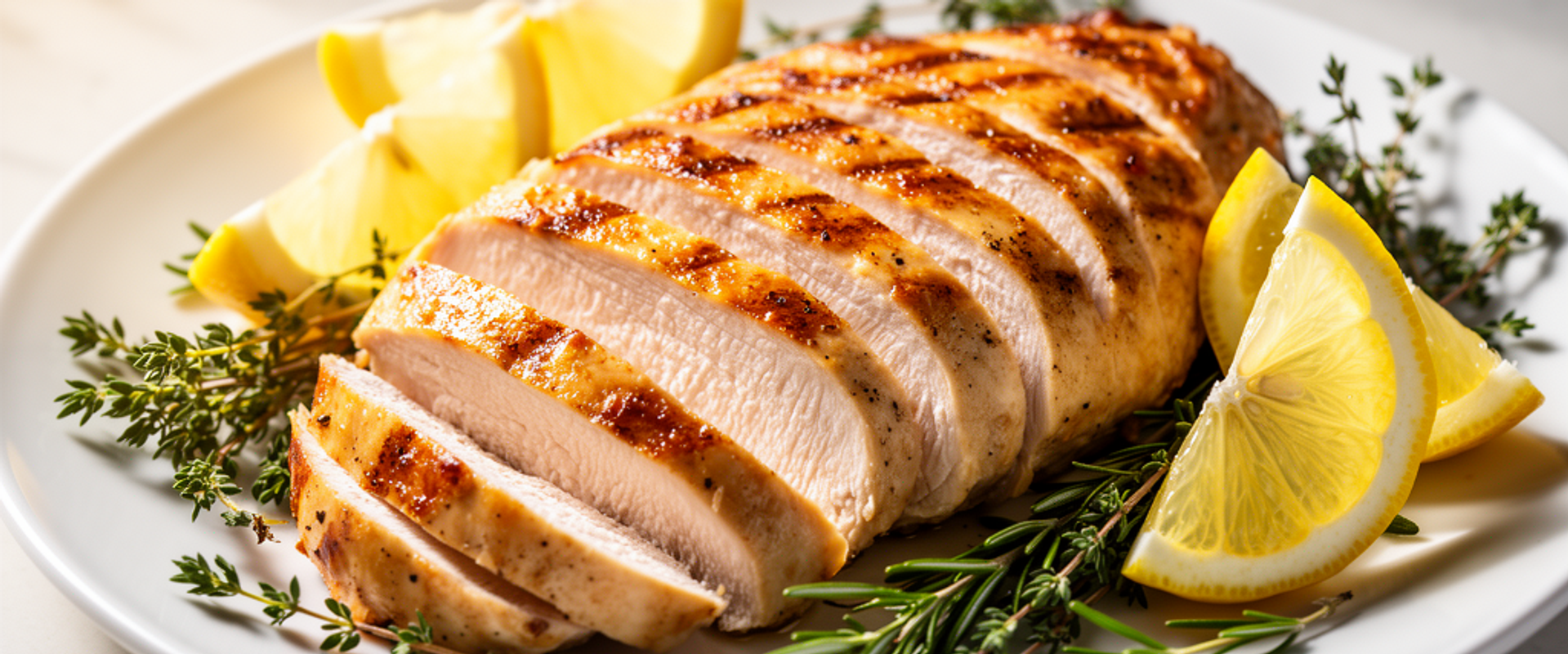
1. The Mediterranean Lemon-Herb
This is bright, fresh, and perfect for salads or grain bowls.
- 3 tablespoons olive oil
- 2 tablespoons fresh lemon juice (plus the zest!)
- 3 cloves garlic, minced
- 1 tablespoon dried oregano
- 1/2 teaspoon kosher salt and freshly ground black pepper
2. The Honey-Soy Ginger
A sweet and savory profile that caramelizes beautifully in a hot pan.
- 3 tablespoons low-sodium soy sauce (or tamari for gluten-free)
- 1 tablespoon sesame oil
- 1 tablespoon honey or maple syrup
- 1 tablespoon fresh grated ginger
- 1 clove garlic, minced
3. The Yogurt-Spiced (Tandoori-Style)
Dairy is a brilliant tenderizer. The lactic acid in yogurt gently unwinds proteins much more softly than citrus juice, resulting in incredibly tender meat.
- 1/2 cup plain whole-milk Greek yogurt
- 1 tablespoon olive oil
- 1 teaspoon smoked paprika
- 1 teaspoon ground cumin
- 1/2 teaspoon turmeric
- 1 teaspoon kosher salt
4. The Cilantro-Lime Fajita
Perfect for slicing into tacos or serving over a bed of roasted peppers.
- 3 tablespoons olive oil
- 2 tablespoons fresh lime juice
- 1/4 cup chopped fresh cilantro
- 1 teaspoon chili powder
- 1/2 teaspoon ground cumin
- 1 clove garlic, minced
5. The Balsamic Basil
Rich, tangy, and slightly sweet. The vinegar helps break down the surface proteins for a gorgeous sear.
- 3 tablespoons balsamic vinegar
- 2 tablespoons extra-virgin olive oil
- 1 tablespoon Dijon mustard
- 2 tablespoons finely chopped fresh basil
- 1/2 teaspoon kosher salt
Practical Meal Ideas & Swaps
Now that you have perfectly cooked, juicy, flavorful chicken, how do you use it to build nourishing meals without overthinking it? Aim for a portion size of about 3 to 4 ounces of cooked chicken—roughly the size of a deck of cards or the palm of your hand.
Here are three simple, balanced ways to incorporate your masterpiece into your daily routine:
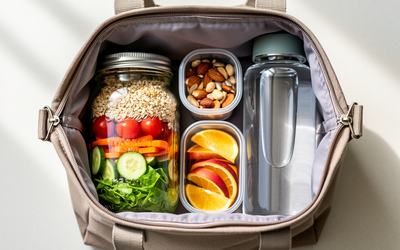
The Mediterranean Power Bowl: Take 4 ounces of the Lemon-Herb chicken and slice it. Serve it over 1/2 cup of cooked quinoa or farro. Add a generous handful of halved cherry tomatoes, diced cucumbers, and a tablespoon of feta cheese. Drizzle with a little olive oil and lemon juice. You get complex carbohydrates, gut-friendly fiber, and high-quality protein.
The Nourishing Fajita Wrap: Slice 4 ounces of the Cilantro-Lime chicken. Sauté a handful of sliced bell peppers and onions until soft. Wrap the chicken and veggies in a whole-wheat or corn tortilla, and top with 1/4 of a sliced avocado. The avocado provides heart-healthy monounsaturated fats that help your body absorb the fat-soluble vitamins from the peppers.
The Crunchy Asian-Inspired Salad: Dice 4 ounces of the Honey-Soy Ginger chicken. Toss it with 2 cups of mixed greens, a handful of shredded carrots, 1/4 cup of shelled edamame, and a sprinkle of sliced almonds. Toss with a light sesame-ginger dressing. This meal is incredibly high in cellular-protective antioxidants and crunch, which helps promote satiety.
The Takeaway
Healthy eating is not synonymous with suffering through dry, tasteless food. Nutrition is about nourishment, and part of nourishing yourself is enjoying the meals you prepare.
By taking a few extra minutes to pound your chicken flat, utilizing the science of brining or marinating, and pulling the meat off the heat at 155°F (68°C) to let it rest, you will completely revolutionize your home cooking.
Choose one of the marinades above, invest in a simple digital meat thermometer, and give yourself permission to enjoy your protein again. Your tastebuds—and your body—will thank you.