The Ultimate Healthy Pantry Checklist: 30 Science-Backed Staples for Easy Meals
Overwhelmed by nutrition advice? Build a fail-proof foundation with these 30 shelf-stable and frozen staples. Discover how to stock your pantry with science-backed ingredients to make nutritious, stress-free meals anytime.

If you are trying to eat better, the sheer volume of conflicting nutrition advice can feel entirely overwhelming. One day eggs are a superfood; the next day, they are the enemy. Carbs are out, then they are back in.
But if we step away from the noise and look at the actual science of human nutrition, a comforting truth emerges: eating well does not require perfection, rigid rules, or a culinary degree. It simply requires having nourishing, versatile foods readily available.
Research in behavioral psychology shows that willpower is a finite resource. When it is 6:00 PM and you are exhausted, you are not going to chop an elaborate array of fresh vegetables. You are going to eat whatever is easiest. The secret to consistent, gentle nutrition is to make the healthy choice the easy choice.
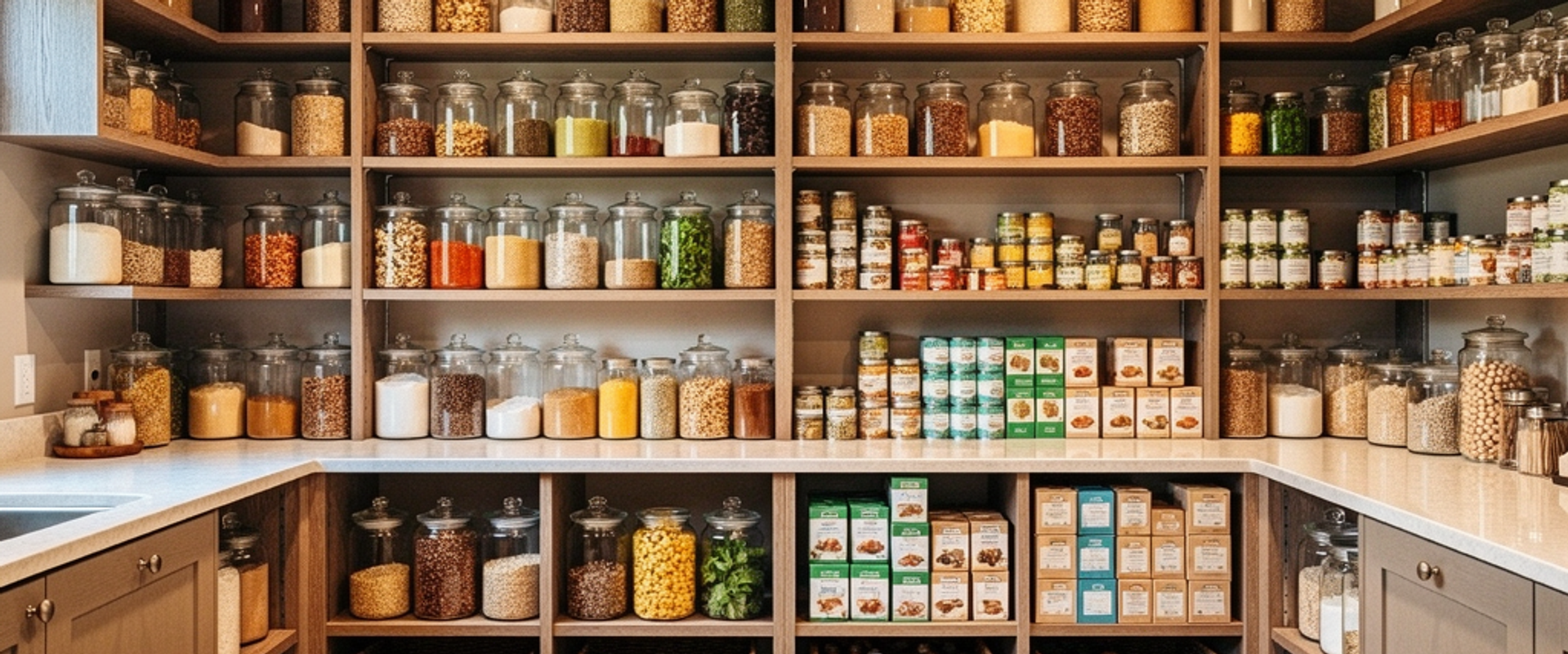
Think of your pantry, freezer, and spice rack as your personal sous-chef. By keeping these 30 specific, science-backed staples on hand, you will always be 20 minutes away from a satisfying, balanced meal that supports your body and your taste buds.
The Protein Powerhouses (Shelf-Stable & Freezer)
Protein is essential for repairing tissues, supporting immune function, and keeping you comfortably full between meals. Keeping long-lasting proteins on hand means you never have to rely solely on fresh meat.
1. Canned Black Beans
Black beans are rich in plant-based protein and soluble fiber, which supports a healthy gut microbiome. A standard 1/2-cup serving provides about 7 grams of fiber. Actionable Tip: Rinse canned beans under cold water to remove up to 40% of the excess sodium.
2. Canned Chickpeas (Garbanzo Beans)
Chickpeas are incredibly versatile. They offer a gentle, sustained release of carbohydrates alongside their protein, which helps stabilize blood sugar. Actionable Tip: Toss them in olive oil and your favorite spices, then roast at 400°F (200°C) for 25 minutes for a crunchy snack or salad topper.
3. Dry Lentils
Unlike dried beans, lentils do not require overnight soaking and cook in just 15 to 20 minutes. They are one of the most nutrient-dense foods on earth, packed with folate, iron, and potassium.
4. Canned Salmon or Light Tuna
Canned fish is a brilliant, budget-friendly way to get your omega-3 fatty acids—specifically EPA and DHA, which are highly protective of brain and heart health. Actionable Tip: Look for wild-caught salmon or "chunk light" tuna. Chunk light tuna is made from smaller fish, meaning it naturally contains less mercury than albacore.
5. Peanut or Almond Butter
Nut butters provide a satisfying combination of protein and heart-healthy monounsaturated fats. A standard 2-tablespoon portion is perfect for stirring into oats or spreading on whole-grain toast.
Energizing Complex Carbohydrates
Carbohydrates are your brain and body's preferred energy source. Instead of fearing them, focus on stocking complex carbohydrates. Because they retain their natural fiber, they provide a slow, steady stream of energy rather than a quick spike and crash.
6. Rolled Oats
Oats contain a unique type of soluble fiber called beta-glucan, which is strongly linked to lowering cholesterol and supporting heart health. They are perfect for a quick breakfast or blended into smoothies.
7. Quinoa
Quinoa cooks faster than brown rice (about 15 minutes) and is a "complete" plant protein, meaning it contains all nine essential amino acids your body cannot make on its own.
8. Brown or Wild Rice
These intact grains offer an excellent chewy texture and are rich in B vitamins and magnesium. Actionable Tip: Cook a large batch on Sunday and freeze it in 1-cup portions. Microwave for 60 seconds when you need a quick dinner base.
9. Whole Wheat or Legume Pasta
Pasta is a magnificent vehicle for vegetables and proteins. Choosing pastas made from whole wheat, chickpeas, or lentils adds a significant boost of fiber and protein to your meal, making it more satisfying.
Long-Lasting Produce (Frozen & Hardy)
Let's debunk a major nutrition myth: fresh is not always best. Frozen vegetables are flash-frozen at peak ripeness, locking in their vitamins and minerals. In fact, studies show frozen produce often contains more nutrients than fresh produce that has been sitting in a delivery truck or on a grocery store shelf for days.
10. Frozen Mixed Berries
Berries are packed with anthocyanins, powerful antioxidants that protect your cells from damage. Toss a 1/2 cup into oatmeal, yogurt, or smoothies.
11. Frozen Spinach or Kale
Leafy greens shrink down dramatically when cooked. Having them frozen means you can easily stir a handful into soups, curries, or pasta sauces for a boost of vitamin K and iron.
12. Frozen Broccoli Florets
Broccoli contains compounds called glucosinolates, which are linked to reducing cellular inflammation. Frozen broccoli is pre-chopped, saving you prep time.
13. Canned Diced Tomatoes
The heating process used in canning tomatoes actually increases the bioavailability of lycopene, an antioxidant linked to heart health. They form the base of countless soups, stews, and sauces.
14. Onions
Onions are rich in prebiotic fiber, which feeds the good bacteria in your gut. Stored in a cool, dark place, they can last for weeks.
15. Garlic
Garlic contains allicin, a compound with well-documented antibacterial and immune-supporting properties. Actionable Tip: After mincing garlic, let it sit for 10 minutes before cooking. This resting period allows the allicin to fully develop.
16. Sweet Potatoes
Stored in a cool pantry, sweet potatoes last a long time. They are an incredible source of beta-carotene (which your body converts to Vitamin A) and provide a comforting, natural sweetness to savory meals.
Healthy Fats for Brain & Heart
Fats are essential for absorbing fat-soluble vitamins (A, D, E, and K) and for keeping you full. They also make food taste wonderful.
17. Extra Virgin Olive Oil (EVOO)
The cornerstone of the Mediterranean dietary pattern, EVOO is rich in oleic acid and potent polyphenols. Use it for low-heat sautéing or as a base for homemade salad dressings.
18. Avocado Oil
With a higher smoke point than olive oil, avocado oil is your go-to staple for roasting vegetables at high temperatures (like 400°F or above) without the oil burning or degrading.
19. Chia Seeds or Ground Flaxseeds
Just 2 tablespoons of chia seeds provide nearly 10 grams of fiber, plus a hearty dose of ALA omega-3s. Actionable Tip: Always buy flaxseeds pre-ground (or grind them yourself), as whole flaxseeds pass right through your digestive system unabsorbed.
20. Walnuts or Almonds
A handful (about 1/4 cup) of nuts adds essential crunch and healthy fats to salads, oatmeal, or stir-fries. Keep them in the freezer to prevent their natural oils from going rancid.
The Flavor Foundation (Spices, Sauces, & Liquids)
Nutritious food must taste good, or you won't want to eat it. Herbs and spices add robust flavor and are concentrated sources of antioxidants, all without adding excess sodium.
21. Low-Sodium Vegetable or Chicken Broth
Essential for making quick soups, thinning out sauces, or cooking grains (like quinoa) to infuse them with extra flavor.
22. Low-Sodium Soy Sauce or Tamari
Provides "umami"—that deeply savory, satisfying flavor profile. Tamari is a great gluten-free alternative to traditional soy sauce.
23. Dijon Mustard
Beyond sandwiches, Dijon is the secret emulsifier for homemade vinaigrettes. Whisking a teaspoon into olive oil and vinegar prevents the dressing from separating.
24. Apple Cider or Balsamic Vinegar
Acidity brightens up heavy dishes. A splash of vinegar at the end of cooking a soup or stew will "wake up" the flavors instantly.
25. Sea Salt & Black Pepper
Proper seasoning is the difference between bland diet food and a delicious meal. Actionable Tip: Black pepper contains piperine, a compound that significantly enhances your body's ability to absorb nutrients from other foods (like the curcumin in turmeric).
26. Garlic Powder
For when you don't have time to peel and mince fresh garlic, garlic powder provides a quick, savory depth to roasted vegetables and meats.
27. Ground Cumin
Earthy and warm, cumin is essential for taco seasonings, chilis, and curries.
28. Smoked Paprika
If you want a rich, smoky, almost meaty flavor in vegetarian dishes (like a pot of lentils or black beans), smoked paprika is your secret weapon.
29. Dried Oregano
A staple for Italian and Mediterranean flavor profiles. Crush the dried leaves between your fingers before adding them to the pot to release their essential oils.
30. Ground Cinnamon
Cinnamon adds a perception of sweetness to foods like oatmeal, smoothies, and sweet potatoes without adding any sugar. It is also highly anti-inflammatory.
Putting It Together: 3 Pantry-Raid Meals You Can Make Today
Having the ingredients is only half the battle. Here is how you combine these 30 staples into satisfying, balanced meals in minutes.
Meal 1: 15-Minute Chickpea & Spinach Curry
- The Formula: Sauté diced onion and garlic in olive oil. Add 1 tsp cumin and 1/2 tsp smoked paprika. Pour in 1 can of diced tomatoes and 1 can of rinsed chickpeas. Simmer for 10 minutes. Stir in 2 cups of frozen spinach until wilted and warm.
- Serve over: Quinoa or brown rice.
- Why it works: You get plant protein (chickpeas), complex carbs (quinoa), and two types of vegetables (tomatoes and spinach), all flavored with antioxidant-rich spices.
Meal 2: Mediterranean Tuna & White Bean Pasta
- The Formula: Boil your whole wheat or legume pasta. In a separate pan, warm olive oil, minced garlic, and dried oregano. Toss the cooked pasta into the oil. Gently fold in 1 can of drained tuna, 1/2 can of rinsed white beans (or chickpeas if that is what you have), and a splash of balsamic vinegar.
- Why it works: The pasta provides energizing carbs, while the tuna and beans provide a massive hit of protein and omega-3s. It feels gourmet but takes 12 minutes.
Meal 3: Sweet Potato & Black Bean Power Bowl
- The Formula: Dice a sweet potato and roast it with avocado oil, cumin, and salt at 400°F until tender. Microwave 1/2 cup of canned black beans and 1/2 cup of frozen broccoli to warm them up. Combine in a bowl.
- The Dressing: Whisk 1 tbsp olive oil, 1 tsp Dijon mustard, a splash of apple cider vinegar, and black pepper. Drizzle over the bowl.
- Why it works: This bowl is incredibly high in fiber, which supports digestion and keeps you full for hours.
Your Practical Takeaway
You do not need to run to the grocery store and buy all 30 items today. That is exactly the kind of overwhelming behavior we want to avoid.
Instead, take an inventory of what you already have. Pick five items from this list that you are currently missing—perhaps a can of black beans, a bag of frozen broccoli, rolled oats, chia seeds, and smoked paprika—and add them to your next grocery run.
By slowly building a pantry stocked with these resilient, nutrient-dense staples, you are doing a massive favor for your future self. You are creating an environment where eating a nourishing, satisfying meal is no longer a chore, but the easiest option in the house.