Batch Cooking for Beginners: Start with These 5 Base Recipes
Overwhelmed by nutrition advice? Start eating better without the stress through batch cooking. Learn how five simple base recipes can effortlessly combine into over 20 nourishing, science-backed meals for your busy week.

If you want to eat more nourishing meals but feel utterly overwhelmed by the constant churn of conflicting nutrition advice, you are not alone. One minute, eggs are nature's perfect food; the next, you're supposed to avoid them. Carbohydrates are vilified, then celebrated. It is enough to make anyone want to throw their hands up and order takeout.
As a nutrition professional, I want to let you in on a secret: You can ignore 90% of the noise. The foundation of feeling energized and well-nourished doesn't rely on extreme diets, cutting out food groups, or drinking expensive green powders. It relies on consistency and convenience.
Research in health psychology shows that we make around 200 food-related decisions every single day. By the time 6:00 PM rolls around, "decision fatigue" sets in. If nourishing food isn't already available, we naturally gravitate toward the quickest, easiest option—which often leaves us feeling sluggish.
The solution isn't more willpower; it is better strategy. Enter batch cooking.
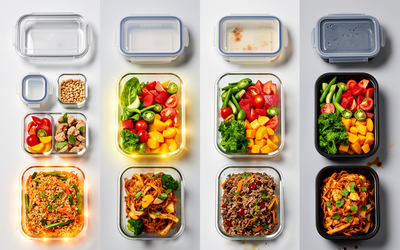
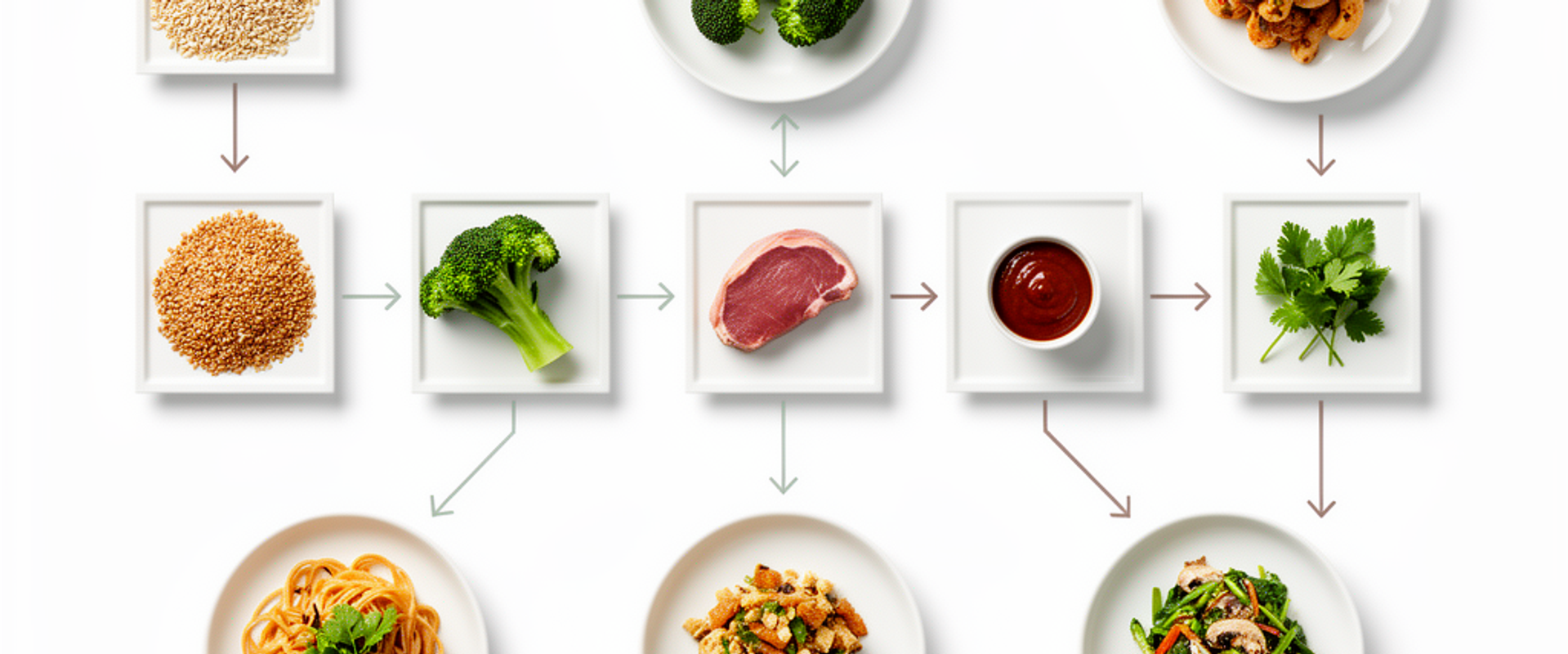
Instead of prepping rigid, identical meals that you will be tired of by Wednesday, we are going to prepare five versatile "base" recipes. These five components—a lean protein, a complex carbohydrate, a fiber-rich vegetable blend, a quick protein/fat source, and a flavorful dressing—can be mixed, matched, and slightly tweaked to create over 20 different meals.
Let's dive into the science of why these foods work, exactly how to make them, and how to combine them into meals you will actually look forward to eating.
Base Recipe 1: Shredded Poached Chicken (The Satiety Anchor)
Protein is the most satiating macronutrient, meaning it keeps you feeling full and satisfied longer than carbohydrates or fats. A steady intake of protein throughout the day also supports muscle maintenance, immune function, and the production of neurotransmitters (your brain's chemical messengers). Aiming for about 20 to 30 grams of protein per meal is a fantastic, evidence-based target for most adults.
Shredded chicken is incredibly versatile because it acts as a blank canvas for other flavors.
How to Make It
- Place 2 pounds of boneless, skinless chicken breasts or thighs in a large pot.
- Add a pinch of salt, a few peppercorns, and optionally, a smashed garlic clove or a bay leaf.
- Cover the chicken with water or low-sodium chicken broth by about an inch.
- Bring to a gentle boil, then immediately reduce the heat to low, cover, and let it simmer for 12-15 minutes until the internal temperature reaches 165°F (74°C).
- Transfer the chicken to a cutting board, let it cool slightly, and shred it using two forks.
Yields about 6-8 portions (approx. 4 ounces each).
Base Recipe 2: Cooked Brown Rice (The Energy Provider)
Carbohydrates are your brain and body's preferred source of energy. Whole grains like brown rice provide sustained energy because their intact fiber slows down digestion, preventing the rapid spikes and crashes in blood sugar associated with heavily refined grains.
Here is a fascinating piece of food science: When you cook and then cool complex carbohydrates like rice or potatoes, they form something called "resistant starch." Resistant starch bypasses digestion in the small intestine and travels to the large intestine, where it feeds your beneficial gut bacteria. So, eating leftover, cooled (and reheated) rice is actually fantastic for your microbiome!
How to Make It
- Rinse 2 cups of dry brown rice under cold water to remove excess surface starch.
- Combine the rice with 4 cups of water or broth in a pot. Bring to a boil.
- Reduce heat to the lowest setting, cover tightly, and simmer for 40-45 minutes.
- Remove from heat and let it sit, covered, for 10 minutes before fluffing with a fork.
Yields about 6 cups of cooked rice (approx. 12 half-cup portions).
Base Recipe 3: Roasted Root & Cruciferous Vegetables (The Micronutrient Powerhouse)
Fiber is the unsung hero of human nutrition. While most adults only get about 15 grams of fiber a day, research suggests we should aim for 25 to 30 grams to support digestion, heart health, and stable energy.
Roasting vegetables caramelizes their natural sugars, turning even the most bitter broccoli into a savory, slightly sweet delight. We are combining root vegetables (like sweet potatoes) for complex carbs and potassium, with cruciferous vegetables (like broccoli) which are rich in antioxidants and compounds called glucosinolates that support cellular health.
How to Make It
- Preheat your oven to 400°F (200°C).
- Chop 1 large sweet potato, 2 heads of broccoli, and 1 red bell pepper into uniform, bite-sized pieces.
- Toss the vegetables on a large baking sheet with 2 tablespoons of olive oil, 1/2 teaspoon of salt, and black pepper. (Don't crowd the pan; use two pans if necessary so they roast instead of steam).
- Roast for 25-30 minutes, tossing halfway through, until tender and browned at the edges.
Yields about 6-8 portions (approx. 1 cup each).
Base Recipe 4: Hard-Boiled Eggs (The Nutrient-Dense Topper)
Eggs are nature's multivitamin. They are one of the best dietary sources of choline, a nutrient critical for brain health, memory, and mood regulation. The yolk also contains lutein and zeaxanthin, antioxidants that accumulate in the eyes and protect against vision loss.
Having hard-boiled eggs in the fridge gives you an instant, zero-prep protein and healthy fat source to add to any meal or grab as a snack.
How to Make It
- Bring a pot of water to a rolling boil.
- Gently lower 6-8 eggs into the water using a slotted spoon.
- Boil for exactly 9 minutes for a slightly jammy center, or 11 minutes for a firm, classic hard-boiled yolk.
- Immediately plunge the eggs into a bowl of ice water for 5 minutes (this stops the cooking process and makes them incredibly easy to peel).
Yields 6-8 eggs.
Base Recipe 5: Basic Vinaigrette (The Flavor & Absorption Booster)
Many people try to eat their vegetables plain to "be healthy." This is actually counterproductive! Vitamins A, D, E, and K are fat-soluble. A classic study published in the American Journal of Clinical Nutrition demonstrated that eating vegetables with a source of fat significantly increases the body's ability to absorb these vital nutrients.
A homemade vinaigrette uses heart-healthy extra virgin olive oil and avoids the excessive added sugars and preservatives found in many bottled dressings.
How to Make It
In a mason jar, combine:
- 1/2 cup extra virgin olive oil
- 3 tablespoons apple cider vinegar or lemon juice
- 1 tablespoon Dijon mustard (acts as an emulsifier to keep the oil and vinegar mixed)
- 1 teaspoon honey or maple syrup
- 1/2 teaspoon salt and a generous grind of black pepper
Put the lid on and shake vigorously until creamy and combined.
Yields about 8 portions (approx. 2 tablespoons each).
The Magic: Combining Your Bases into 20+ Meals
Now that you have your five bases in the fridge, the real magic begins. By combining these foods in different ratios and adding simple pantry staples, you can create a massive variety of meals in under 5 minutes.
The Classic Grain Bowl
Warm up 1/2 cup of brown rice, 4 ounces of shredded chicken, and 1 cup of roasted vegetables. Drizzle with 2 tablespoons of your vinaigrette. This is a perfectly balanced meal containing complex carbs, lean protein, fiber, and healthy fats.
The Souped-Up Salad
Grab two handfuls of fresh spinach or mixed greens (a simple add-in). Top with 4 ounces of cold shredded chicken, 1/2 cup of cold roasted sweet potatoes/broccoli, and one sliced hard-boiled egg. Toss with the vinaigrette.
The 5-Minute Fried Rice
Heat a splash of sesame oil in a skillet. Add 1 cup of your pre-cooked brown rice and 1 cup of roasted veggies. Sauté until warm. Push the food to one side of the pan, crack a fresh egg (or chop a hard-boiled one) into the other side, and scramble. Stir it all together with a splash of soy sauce.
The Breakfast Hash
Warm 1 cup of your roasted vegetables in a skillet. Top with two sliced hard-boiled eggs and a dash of hot sauce. It is a savory, fiber-rich breakfast that will keep your energy stable until lunch.
The Chicken Salad Wrap
Take 4 ounces of shredded chicken and mix it with 1 tablespoon of your vinaigrette and a dollop of plain Greek yogurt or mayonnaise. Wrap it in a whole-grain tortilla with some fresh greens.
Flavor Swaps to Prevent Boredom
Because your shredded chicken and rice are neutrally flavored, you can take these bowls in any culinary direction:
- Mexican-Inspired: Add a spoonful of salsa, a sprinkle of cheddar cheese, and a scoop of canned black beans to your chicken and rice.
- Asian-Inspired: Toss the chicken with a little teriyaki sauce, add edamame, and top with sesame seeds.
- Mediterranean-Inspired: Add kalamata olives, a sprinkle of feta cheese, and cucumber slices to your chicken, veggies, and vinaigrette.
Storage and Food Safety Tips
To keep your batch-cooked food fresh and safe, follow these simple guidelines:
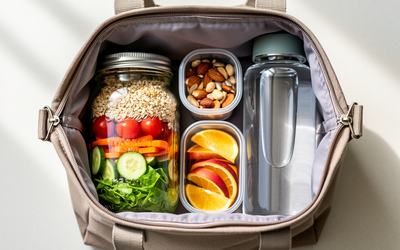
- Cool before storing: Let your chicken, rice, and vegetables cool to room temperature (but for no more than 2 hours) before putting lids on your containers. This prevents condensation from making the food soggy.
- The 4-Day Rule: Generally, cooked meats, grains, and vegetables will stay fresh in airtight glass or plastic containers in the refrigerator for up to 4 days.
- Freeze the extras: If you don't think you will eat all the chicken or rice within 4 days, portion them into freezer-safe bags. Both freeze beautifully and can be thawed overnight in the fridge.
Your Practical Takeaway
Eating well does not require a degree in nutritional biochemistry, and it certainly doesn't require spending three hours in the kitchen every night. By outsourcing your willpower to a simple Sunday batch-cooking session, you ensure that the easiest choice on a busy Tuesday evening is also the most nourishing one.
If making all five recipes feels overwhelming right now, don't force it. Start with just two. Boil a batch of eggs and roast a pan of vegetables. Once that feels easy, add the rice or the chicken next week.
Nutrition is not about perfection; it is about preparation. Start small, build the habit, and watch how much easier it becomes to feed your body well.