Berries: The Antioxidant Powerhouses Ranked by Benefit
Overwhelmed by nutrition advice? Keep it simple by adding berries to your day. Discover how blueberries, strawberries, goji, and açaí rank for brain, heart, skin, and immune health—plus practical ways to enjoy them.

The Antidote to Nutrition Overwhelm
If you feel like every time you open your phone, there is a new, conflicting rule about what you should or shouldn't eat, you are not alone. Nutrition science can be deeply confusing, and the internet often turns nuanced research into extreme, anxiety-inducing rules. One day a food is a miracle cure; the next, it is the enemy.
But what if we stepped away from the noise and focused on a simple, universally agreed-upon truth? Adding more whole, colorful plant foods to your plate is one of the best things you can do for your body. No extreme diets, no food shaming, and no complicated tracking required.
Enter the humble berry.
Berries are nature's original functional foods. They are packed with antioxidants—compounds that act like a biological rust-proofing system for your cells, protecting them from daily wear and tear known as oxidative stress.
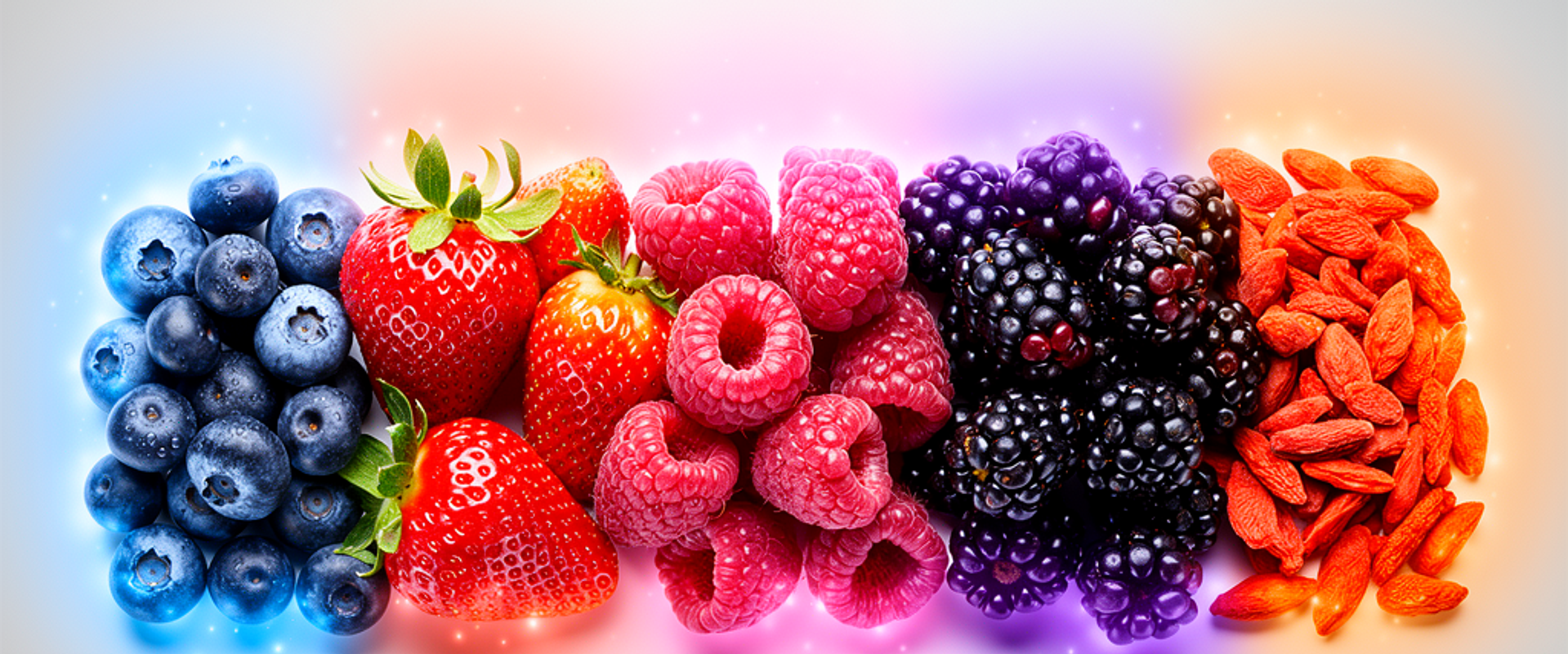
While all berries are fantastic additions to your meals, they each possess unique nutrient profiles that give them specific "superpowers." Think of this guide not as a strict hierarchy of what is "best" or "worst," but as a helpful menu. Depending on what your body needs right now—whether that is a cognitive boost, heart support, or glowing skin—there is a berry specifically suited for the job.
Let us explore the ultimate ranking of berries by their primary health benefits, along with practical, delicious ways to add them to your day.
1. Blueberries: The Brain-Boosting Champions
Primary Benefit: Cognitive function, memory, and neuroprotection. Key Antioxidant: Anthocyanins
If there were a valedictorian of the berry world, the blueberry would be it. Blueberries are famous for their high concentration of anthocyanins, the flavonoids that give them their deep blue and purple hues.
What makes blueberries so special for the brain? Research suggests that the antioxidants in blueberries can actually cross the blood-brain barrier. Once there, they help protect brain cells from stress and inflammation, while also improving communication between neurons. Observational studies have shown that older adults who regularly consume blueberries experience a slower rate of cognitive decline, keeping their memory and focus sharper for longer.
The Optimal Portion: 1/2 to 1 cup per day. (Note: Wild blueberries, which are smaller, actually pack up to twice the antioxidants of cultivated blueberries and are easily found in the frozen aisle!)
How to Eat Them Today: The Brain-Power Breakfast Bowl
Instead of a plain bowl of cereal, try this quick upgrade. Prepare a bowl of rolled oats using milk or soy milk for extra protein. Stir in 1/2 cup of frozen wild blueberries while the oatmeal is hot so they melt and turn the bowl a beautiful purple. Top with a handful of crushed walnuts (which provide brain-friendly omega-3 fatty acids) and a dash of cinnamon.
2. Strawberries: The Heart Health Heroes
Primary Benefit: Cardiovascular health, blood pressure regulation, and cholesterol management. Key Antioxidants: Vitamin C, quercetin, and ellagic acid
Strawberries are the most popular berry for a reason—they are sweet, versatile, and incredibly good for your heart. A robust body of research, including large-scale observational studies from the American Heart Association, has linked regular strawberry consumption to a significantly lower risk of heart attacks, particularly in women.
Strawberries support the heart in a few different ways. First, they are exceptionally high in Vitamin C—just one cup provides more Vitamin C than an orange. This vitamin helps keep blood vessels flexible. Second, they contain potassium, which helps regulate blood pressure. Finally, their specific blend of polyphenols helps prevent LDL (the "bad" cholesterol) from oxidizing, which is a key step in preventing plaque buildup in the arteries.
The Optimal Portion: About 8 large strawberries (roughly 1 cup) a few times a week.
How to Eat Them Today: Heart-Healthy Lunch Salad
Strawberries aren't just for dessert; they are brilliant in savory dishes. Toss two cups of fresh spinach with a cup of sliced strawberries. Add a quarter cup of sliced almonds or pecans, a sprinkle of feta or goat cheese, and a source of protein like grilled chicken or chickpeas. Dress simply with extra virgin olive oil and balsamic vinegar. The Vitamin C in the strawberries will actually help your body absorb the plant-based iron from the spinach!
3. Goji Berries: The Immune System Defenders
Primary Benefit: Immune support and eye health. Key Antioxidants: Zeaxanthin, Vitamin A, and Lycium barbarum polysaccharides (LBPs)
Goji berries, also known as wolfberries, have been a staple in traditional Chinese medicine for thousands of years. While they have recently been marketed with a lot of "superfood" hype, the actual science behind them is genuinely impressive, particularly when it comes to immunity.
Goji berries contain unique complex carbohydrates called polysaccharides, which research indicates can help stimulate and balance the immune system. Furthermore, they are incredibly rich in Vitamin A (crucial for immune function and mucous membrane health) and zeaxanthin, an antioxidant that settles in the retina and protects the eyes from UV and blue light damage.
The Optimal Portion: 2 to 3 tablespoons of dried goji berries daily.
How to Eat Them Today: The Immunity Trail Mix Swap
Dried goji berries have a slightly chewy texture and a flavor that is a cross between a cranberry and a cherry. They are perfect for snacking. Make your own custom trail mix by combining 3 tablespoons of dried goji berries, a handful of pumpkin seeds (great for zinc, another immune booster), raw almonds, and a few dark chocolate chips. Alternatively, do as they do in traditional Chinese culture: drop a tablespoon of dried goji berries into your hot tea or hot water and let them steep until they plump up.
4. Açaí Berries: The Skin Glow Promoters
Primary Benefit: Skin elasticity, cellular protection, and reducing inflammation. Key Antioxidants: High overall ORAC value (Oxygen Radical Absorbance Capacity) and healthy fatty acids
Açaí (pronounced ah-sigh-EE) berries hail from the Amazon rainforest. Because they are highly perishable, you will almost always find them frozen into puree packets or freeze-dried into powders.
While açaí has been unfairly touted as a magical weight-loss cure (which doesn't exist), its true strength lies in its ability to nourish the skin. Açaí berries have one of the highest antioxidant capacities of any fruit. They protect the skin from environmental stressors like pollution and UV rays, which can cause premature aging. Uniquely for a berry, açaí contains heart-healthy omega-3, omega-6, and omega-9 fatty acids. These fats help keep the skin barrier strong, retaining moisture and promoting a supple, glowing complexion.
The Optimal Portion: 1 unsweetened frozen packet (about 100g) or 1-2 teaspoons of freeze-dried powder.
How to Eat Them Today: The Low-Sugar Glow-Up Smoothie
Many commercial açaí bowls are loaded with added sugars, which can negate the anti-inflammatory benefits of the berry. Make a skin-nourishing version at home. Blend one frozen, unsweetened açaí packet with 1/2 cup of frozen cauliflower rice (you won't taste it, but it adds creaminess and fiber!), 1/4 of a frozen banana, a handful of spinach, 1 tablespoon of almond butter, and your favorite unsweetened milk.
5. Raspberries & Blackberries: The Gut Health Guardians
Primary Benefit: Digestion, blood sugar management, and gut microbiome health. Key Antioxidants: Ellagitannins and massive amounts of dietary fiber
While blueberries and strawberries get a lot of the spotlight, raspberries and blackberries are the unsung heroes of the produce aisle, specifically because of their fiber content.
A healthy gut microbiome is the foundation of overall wellness, impacting everything from your mood to your immune system. The beneficial bacteria in your gut thrive on dietary fiber. Just one cup of raspberries or blackberries delivers an astounding 8 grams of fiber (about a third of your daily requirement). This high fiber content also means these berries have a very minimal impact on blood sugar, providing steady, sustained energy rather than a spike and crash.
The Optimal Portion: 1/2 to 1 cup daily.
How to Eat Them Today: 5-Minute Chia Seed Jam
Store-bought jams are often more sugar than fruit. You can make an incredibly healthy, gut-friendly swap in minutes. Take 1 cup of fresh or thawed frozen raspberries and mash them in a bowl with a fork. Stir in 1 to 1.5 tablespoons of chia seeds and 1 teaspoon of maple syrup (if you need a touch of sweetness). Let it sit in the fridge for 15 minutes. The chia seeds will absorb the berry juice and create a thick, spreadable jam. Use it on whole-grain toast, swirl it into plain Greek yogurt, or spread it on pancakes.
Practical Tips: Fresh vs. Frozen
A major barrier to eating berries is the cost and how quickly they spoil in the fridge. Here is a piece of excellent news: frozen berries are just as nutritious as fresh ones. In fact, because they are flash-frozen at peak ripeness, they often contain more antioxidants than fresh berries that have spent weeks sitting on trucks and supermarket shelves.
- For snacking and salads: Buy fresh in season. To make fresh berries last longer, wash them in a solution of 1 part white vinegar to 3 parts water, rinse thoroughly, and dry them completely before putting them in the fridge. This kills mold spores.
- For smoothies, oatmeal, and baking: Buy frozen. It is significantly more budget-friendly, prevents food waste, and ensures you always have antioxidants on hand.
The Takeaway
Improving your nutrition doesn't have to mean overhauling your entire life or cutting out the foods you love. It is often about the small, consistent additions.
You don't need to eat every single berry on this list every day. Start small. Pick one health benefit you want to focus on this week—maybe it's a sharper mind for a big work project, or some extra fiber for better digestion. Buy a pint of fresh strawberries or a bag of frozen blueberries, and simply add them to a meal you are already eating.
By focusing on abundance and adding these colorful, antioxidant powerhouses to your plate, you are taking a simple, science-backed step toward feeling your best.