Iron-Rich Foods: The Complete Guide for Preventing Deficiency and Boosting Energy
Struggling with fatigue? Discover the science of iron absorption, the difference between heme and non-heme iron, and how to combine foods to maximize energy. A practical, evidence-based guide to iron-rich eating without the stress.

If you have ever Googled "why am I so tired all the time," you are far from alone. In a world overflowing with conflicting nutrition advice, it is incredibly easy to feel overwhelmed. One day you are told to eat more spinach; the next, an influencer is claiming spinach is full of "toxins." It is exhausting.
Let's cut through the noise and strip things back to basics. If you are experiencing persistent fatigue, brain fog, feeling unusually cold, or noticing brittle nails, your body might be asking for a very specific, essential mineral: iron.
Iron deficiency is the most common nutritional deficiency worldwide, and it disproportionately affects women. But preventing it does not require restrictive diets, expensive supplements, or food shaming. It simply requires a basic understanding of food science and a few practical tweaks to your daily meals.
Here is your evidence-based, stress-free guide to understanding iron, optimizing absorption, and eating for better energy.
Why Iron is Your Body's Unsung Hero
Think of iron as your body's cellular shuttle service. Its primary job is to help create hemoglobin, a protein in your red blood cells that grabs onto the oxygen in your lungs and delivers it to every single tissue, organ, and muscle in your body.
When your iron levels drop, your body struggles to make enough healthy red blood cells. This condition, known as iron deficiency anemia, is essentially an oxygen shortage. Without enough oxygen, your muscles fatigue faster, your brain feels foggy, and your energy levels plummet.
The Gender Gap: Why Women Need More Iron
Nutrition is not one-size-fits-all, and iron is a perfect example of this. Adult men typically need about 8 milligrams (mg) of iron per day. However, women between the ages of 19 and 50 need a whopping 18 mg per day.
Why the massive difference? Menstruation. Every time a woman has her period, she loses blood, and with it, iron. If you have heavy periods, your iron needs might be even higher. During pregnancy, the requirement jumps to 27 mg per day to support the increased blood volume and the developing baby.
Despite this high demand, many women fall short. The good news is that meeting your iron needs through food is entirely possible once you understand the two different "personalities" of dietary iron.
The Two Faces of Iron: Heme vs. Non-Heme
When we talk about iron in food, we are actually talking about two distinct types: heme iron and non-heme iron. Understanding the difference between them is the single most important step in preventing deficiency.
Heme Iron: The VIP Guest
Heme iron is found exclusively in animal products. It comes from the hemoglobin and myoglobin present in meat, poultry, and seafood.
Think of heme iron as a VIP guest at a club. It has a backstage pass. Your body recognizes it immediately and absorbs it highly efficiently—typically between 15% to 35% of the heme iron you consume makes it into your system. It is also highly resilient; its absorption is rarely affected by other foods you eat alongside it.
Non-Heme Iron: The General Admission
Non-Heme iron is found in plant foods like beans, lentils, nuts, seeds, and leafy greens (as well as fortified foods like cereals).
If heme iron is the VIP guest, non-heme iron is general admission. It has to wait in line, and its absorption rate is much lower—usually between 2% to 20%. Furthermore, non-heme iron is highly sensitive to the "bouncers" at the door—other compounds in your meal that can either help it get inside or block it completely.
Does this mean plant-based iron is bad? Absolutely not! Plant foods are packed with fiber, antioxidants, and essential nutrients. You just need to know how to give non-heme iron a little VIP upgrade.
Top Iron-Rich Foods to Add to Your Plate
Rather than focusing on what to cut out of your diet, let's focus on what to add. Here are some of the best sources of iron, complete with realistic portion sizes.
The Best Sources of Heme Iron (Animal-Based)
- Oysters: A nutritional powerhouse. Just 3 ounces of cooked oysters provide about 8 mg of iron.
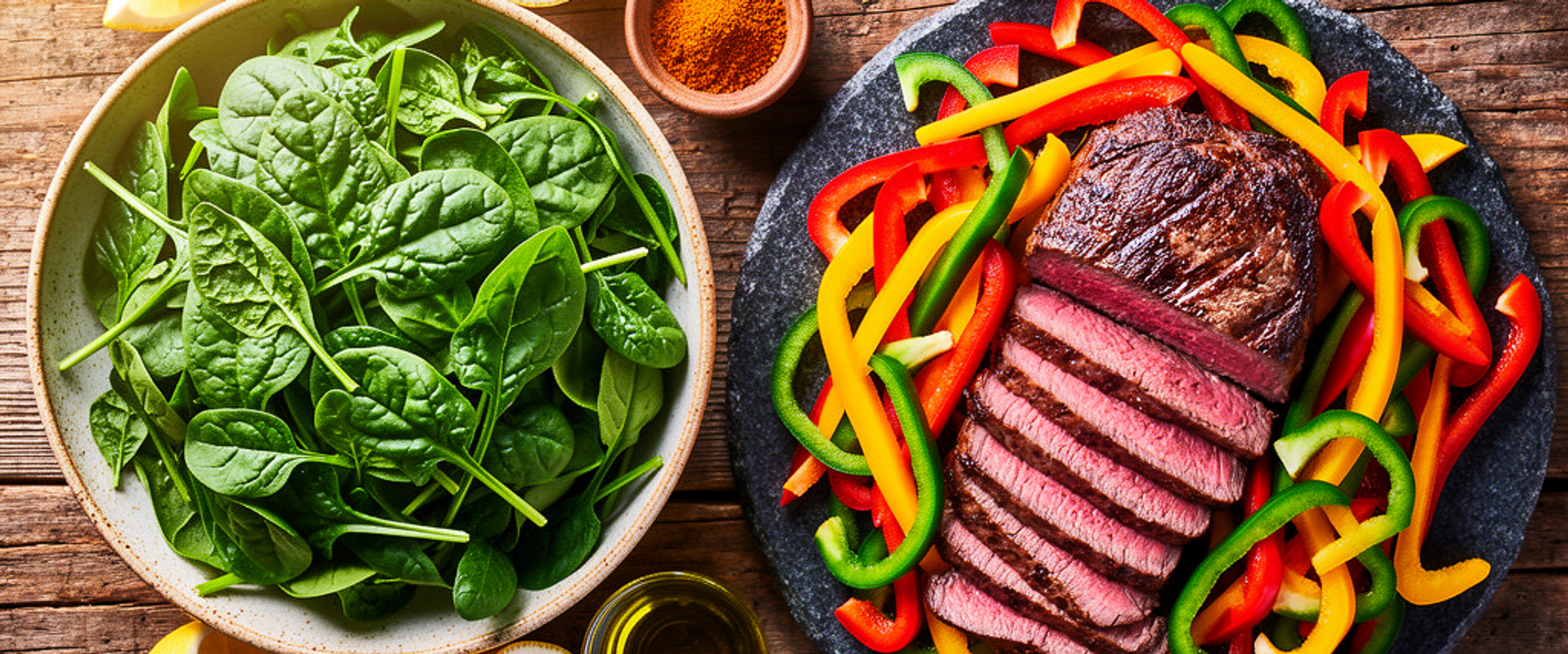
- Beef: A classic source. A standard 3-ounce serving of lean ground beef offers roughly 2.5 mg.
- Chicken Thighs: Dark meat contains more iron than white meat. A 3-ounce serving of cooked dark meat chicken provides about 1 mg.
- Sardines: Convenient and budget-friendly. One small can (about 3.75 ounces) yields nearly 3 mg of iron.
The Best Sources of Non-Heme Iron (Plant-Based)
- Lentils: A fantastic, versatile staple. One cup of cooked lentils boasts 6.6 mg of iron.
- Spinach: Popeye was onto something, but cooking is key. One cup of cooked spinach provides 6.4 mg. (Raw spinach is much bulkier, so a cup raw only gives you about 1 mg).
- Tofu: A great meat alternative. Half a cup of firm tofu provides about 3 mg.
- Pumpkin Seeds: The perfect crunchy snack. Just one ounce (a small handful) delivers 2.5 mg.
- White Beans: Creamy and comforting. One cup of cooked white beans provides an impressive 8 mg.
The Science of Absorption: Maximizing Your Iron
If you are relying heavily on plant-based (non-heme) iron, what you eat with it is just as important as the iron itself.
The Ultimate Enhancer: Vitamin C
Vitamin C (ascorbic acid) is non-heme iron's best friend. When you eat vitamin C alongside plant-based iron, it captures the iron and stores it in a form that your body absorbs much more easily. Research shows that adding just 50 mg of vitamin C to a meal can significantly boost iron absorption.
Top Vitamin C Sources to pair with meals:
- Bell peppers (red, yellow, or green)
- Citrus fruits (oranges, lemons, limes)
- Strawberries
- Tomatoes
- Broccoli
The MFP Factor
Here is a fascinating piece of nutrition science: Meat, Fish, and Poultry (MFP) contain a mysterious element known as the "MFP factor." Even a small amount of animal protein added to a predominantly plant-based meal will actually enhance the absorption of the non-heme iron in the plants. For example, adding just a few ounces of chicken to a large bowl of lentil soup helps your body absorb more iron from the lentils.
Iron Blockers: What to Watch Out For (Without Stressing)
Just as some foods enhance iron absorption, others inhibit it. This is where people tend to get overwhelmed. Do not panic, and do not start restricting these foods. They are highly nutritious. The goal is simply to be mindful of timing.
Tannins and Polyphenols (Tea and Coffee)
That morning cup of coffee or afternoon black tea contains polyphenols and tannins, which bind to non-heme iron and prevent it from being absorbed. Studies show that drinking tea with a meal can reduce iron absorption by up to 60%.
- The Practical Fix: You do not have to give up your beloved coffee or tea. Just enjoy them between meals rather than washing down your iron-rich spinach omelet with a giant mug of black tea. Wait about an hour after a meal before brewing a cup.
Calcium
Calcium is a bit of an anomaly because it is the only known substance that inhibits the absorption of both heme and non-heme iron.
- The Practical Fix: If you are actively trying to rebuild depleted iron stores, try not to pair your highest-iron meals with heavy doses of dairy. If you take a calcium supplement, take it at a different time of day than your iron-rich meals or iron supplements.
Phytates
Phytates are antioxidant compounds found in whole grains, legumes, nuts, and seeds. While incredibly healthy, they do bind to iron in your digestive tract.
- The Practical Fix: Soaking beans and grains before cooking, eating sprouted breads (like Ezekiel bread), and incorporating vitamin C into the meal all neutralize the effects of phytates.
Cast Iron Cooking: A Culinary Secret
Looking for a passive way to boost your iron intake? Cook with a cast-iron skillet. Cooking food in cast iron actually transfers trace amounts of dietary iron into your meals.
This trick works best with highly acidic, moisture-rich foods—like tomato sauce or a splash of lemon juice—which help pull the iron from the pan into the food. Simmering a tomato-based chili in a cast-iron Dutch oven is a fantastic way to naturally fortify your meal.
Practical Meal Ideas and Simple Swaps
Knowing the science is great, but how does this look on a plate? Here are some simple, delicious ways to combine iron and vitamin C in your daily life.
Breakfast Ideas
- The Iron-Boosted Oatmeal: Instead of making oatmeal with milk (calcium blocker) and drinking coffee alongside it, try cooking your oats in water or a fortified plant milk. Top with pumpkin seeds (iron) and a generous handful of strawberries (vitamin C). Have your coffee an hour later.
- The Savory Scramble: Scramble two eggs (iron) with a handful of spinach (iron) and diced red bell peppers (vitamin C).
Lunch Ideas
- The Power Salad: A base of spinach and lentils (non-heme iron) topped with a few slices of grilled chicken (heme iron + MFP factor). Dress it with a vinaigrette made from fresh lemon juice (vitamin C) and olive oil.
- Stuffed Bell Peppers: Halve a red bell pepper (vitamin C) and stuff it with a mixture of lean ground beef or black beans (iron), diced tomatoes (vitamin C), and spices.
Dinner Ideas
- Tofu and Broccoli Stir-Fry: Pan-fry cubes of firm tofu (iron) with broccoli florets (vitamin C) in a savory soy-ginger sauce. Serve over a bed of quinoa (iron).
- Classic Spaghetti Bolognese: Simmer lean ground beef (heme iron) in a rich tomato sauce (vitamin C) using a cast-iron skillet (extra iron).
The Takeaway
Preventing iron deficiency does not require a degree in biochemistry, nor does it mean you have to meticulously track every milligram of food you eat. It is about gentle consistency and smart pairings.
If you are a woman, particularly if you are menstruating, make iron a conscious priority. Lean into a mix of both animal and plant-based sources if you are an omnivore, or get strategic with your vitamin C if you are fully plant-based.
Remember the golden rules: invite vitamin C to your plant-based meals, keep your coffee and tea for in-between meal times, and don't stress about perfection. By making these small, actionable shifts, you can nourish your blood, banish the brain fog, and finally get your energy back.