Nourish Your Mind: The Best Foods for Brain Health and Cognitive Function
Boost your memory and focus with science-backed brain foods like blueberries, fatty fish, and dark chocolate. Learn how to easily add these nutrient powerhouses to your daily meals without the stress of restrictive diets.

If you have ever felt completely overwhelmed by the sheer volume of nutrition advice out there, you are not alone. One day a food is declared a miracle cure; the next, it is the enemy. When you just want to eat better, feel sharper, and support your long-term health, this whiplash is exhausting.
Let’s take a deep breath and step away from the rigid rules, the restrictive diets, and the food shaming. Instead, let's talk about addition. Specifically, adding foods that your brain absolutely loves.
Your brain is a high-performance engine. Despite making up only about 2% of your body weight, it consumes roughly 20% of your daily energy. The fuel you provide it directly impacts how well it functions—affecting your memory, focus, mood, and even your risk of cognitive decline as you age.
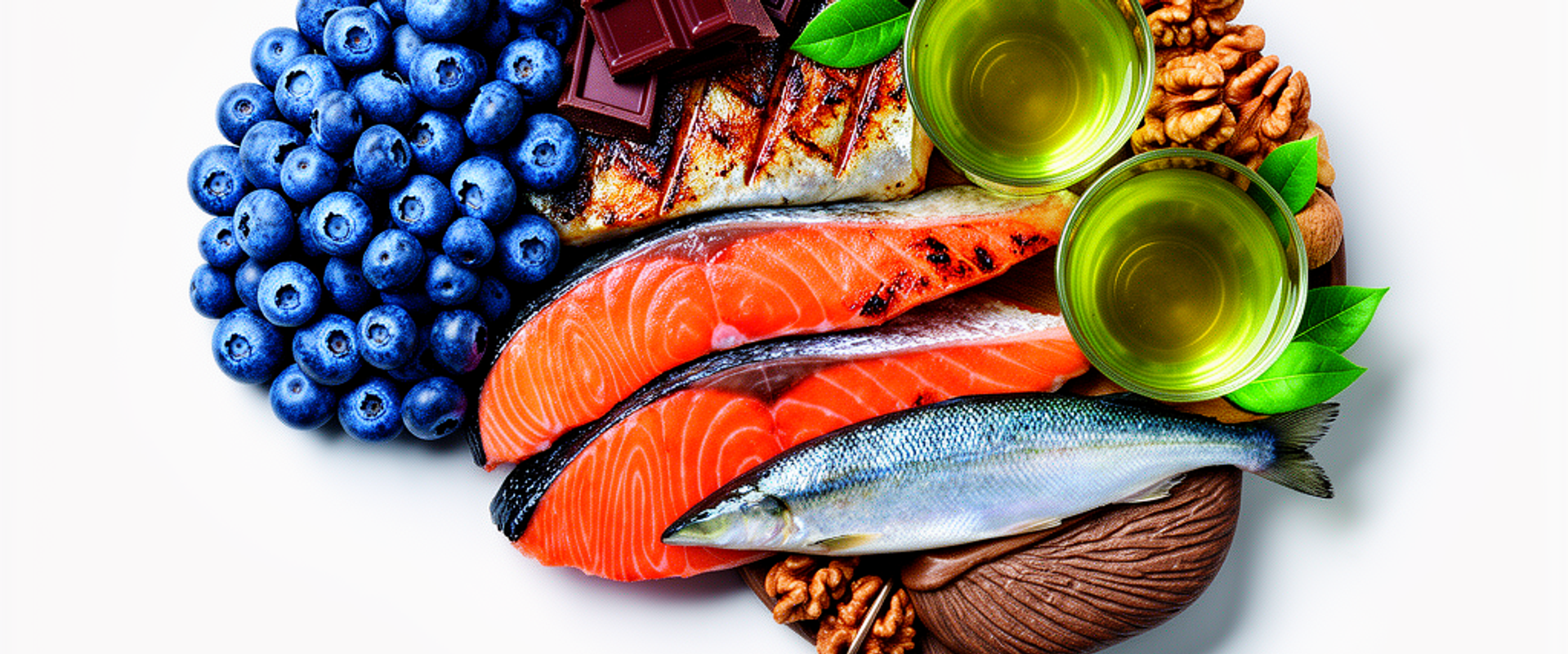
Neuroscience research has identified several key foods that actively protect and nourish our brain cells. By incorporating these ingredients into your routine, you can support your cognitive function in a practical, delicious way. Here are the best, science-backed foods for brain health and exactly how to eat them.
Fatty Fish: The Ultimate Omega-3 Powerhouse
When neuroscientists talk about brain food, fatty fish is almost always at the top of the list. The secret lies in omega-3 fatty acids, specifically one called DHA (docosahexaenoic acid).
Your brain is about 60% fat, and half of that fat is comprised of omega-3 kind. Your body uses omega-3s to build brain and nerve cells, making these fats essential for learning and memory. Furthermore, research consistently shows that people who regularly consume omega-3s have increased blood flow to the brain and a thicker cerebral cortex—the area responsible for complex thought and decision-making.
On the flip side, a deficiency in DHA has been linked to a higher risk of cognitive decline and Alzheimer's disease.
How to Eat It
- The Goal: Aim for two 4-ounce servings of fatty fish per week.
- Best Sources: Wild-caught salmon, mackerel, sardines, trout, and herring.
- Practical Tip: If cooking fish feels intimidating, keep it simple. Buy high-quality canned wild salmon or sardines.
- Meal Idea: Mash half an avocado on whole-grain toast and top it with canned sardines, a squeeze of lemon, and a pinch of sea salt. It takes three minutes to make and delivers a massive dose of brain-boosting fats.
- Plant-Based Swap: If you don't eat fish, your best bet is an algae oil supplement, which provides the direct DHA your brain needs, alongside foods rich in ALA (like flaxseeds and chia seeds).
Blueberries: The Brain Berry
Blueberries are often referred to as "brain berries," and for good reason. They are packed with antioxidants, specifically a group of plant compounds called flavonoids (and even more specifically, anthocyanins, which give them their deep blue-purple hue).
Antioxidants act as your brain's defense system. Every day, your brain produces free radicals—unstable molecules that can cause oxidative stress and inflammation, accelerating brain aging. The anthocyanins in blueberries cross the blood-brain barrier to neutralize these free radicals.
A landmark study conducted by researchers at Harvard and Brigham and Women’s Hospital found that women who consumed two or more servings of strawberries and blueberries each week delayed their cognitive aging by up to two and a half years.
How to Eat It
- The Goal: 1/2 to 1 cup of berries a day.
- Best Sources: Blueberries, blackberries, strawberries, and raspberries.
- Practical Tip: Frozen blueberries are just as nutritious as fresh ones! They are picked and flash-frozen at peak ripeness, preserving all those precious antioxidants. Plus, they are often more affordable and won't go bad in your fridge.
- Meal Idea: Stir a handful of frozen blueberries into your morning oatmeal as it cooks. They will melt and turn your oats a beautiful, vibrant purple.
Walnuts: The Nut That Looks Like a Brain
It is a fun coincidence of nature that walnuts actually look like tiny human brains, complete with a left and right hemisphere. It turns out, they are uniquely equipped to protect the brain, too.
While all nuts are excellent sources of healthy fats, protein, and fiber, walnuts boast a specific advantage: they are the only tree nut that is an excellent source of alpha-linolenic acid (ALA), a plant-based omega-3 fatty acid.
Walnuts are also rich in vitamin E, which protects cell membranes from free radical damage. A study from UCLA linked higher walnut consumption to significantly better cognitive test scores, including improved processing speed, memory, and concentration.
How to Eat It
- The Goal: About 1 ounce (a small handful, or 14 walnut halves) per day.
- Practical Tip: Buy raw, unsalted walnuts and store them in the fridge or freezer. The healthy fats in walnuts can go rancid if left at room temperature for too long.
- Meal Idea: Toast walnuts lightly in a dry skillet for three minutes to bring out their nutty flavor, then chop them and sprinkle them over a spinach salad or a bowl of Greek yogurt.
Turmeric: The Golden Protector
Turmeric is the deep yellow spice that gives curry powder its color. It has been used in Ayurvedic medicine for centuries, but modern neuroscience has recently become fascinated by its active compound: curcumin.
Curcumin is a highly potent anti-inflammatory and antioxidant compound. What makes it special for brain health is its ability to cross the blood-brain barrier, meaning it can enter the brain directly to provide protection.
Research has shown that curcumin can boost brain-derived neurotrophic factor (BDNF). Think of BDNF as a sort of fertilizer for your brain—it is a growth hormone that helps neurons multiply and form new connections. Higher levels of BDNF are associated with improved memory and a lower risk of brain diseases.
How to Eat It
- The Goal: 1/2 to 1 teaspoon of turmeric powder daily.
- The Golden Rule: Curcumin is poorly absorbed by the body on its own. You must consume it with black pepper. Piperine, the active compound in black pepper, increases the absorption of curcumin by an astonishing 2,000%. It also helps to consume it with a healthy fat (like olive oil or coconut milk) because curcumin is fat-soluble.
- Meal Idea: Make a soothing "Golden Milk" before bed. Whisk warm milk (dairy or plant-based), a teaspoon of turmeric, a pinch of black pepper, a dash of cinnamon, and a tiny bit of honey. Alternatively, simply add turmeric and black pepper to roasted vegetables, soups, or scrambled eggs.
Dark Chocolate: The Focus Booster
Yes, chocolate is on the list! But before you reach for a standard milk chocolate candy bar, let's look at the science.
The brain-boosting properties of chocolate come from cocoa, which is incredibly rich in flavonoids. The flavonoids in cocoa tend to accumulate in the areas of the brain involved in learning and memory. Researchers believe these compounds enhance neuroplasticity (the brain's ability to rewire itself) and encourage the growth of new blood vessels and neurons.
Dark chocolate also contains a small amount of caffeine and another stimulant called theobromine, which together provide a gentle, sustained boost in focus and mood without the jittery crash that sometimes accompanies coffee.
How to Eat It
- The Goal: 1 ounce (about 1 to 2 squares) per day.
- The Golden Rule: Look for dark chocolate that is at least 70% cocoa. The higher the percentage, the more flavonoids and the less added sugar.
- Meal Idea: When you hit that 3:00 PM afternoon slump, instead of reaching for a sugary pastry, enjoy one or two squares of 70% dark chocolate alongside a small handful of walnuts. The combination of flavonoids, healthy fats, and gentle stimulants will sharpen your focus for the rest of the workday.
Green Tea: The Calm Alertness Brew
If you rely on coffee to get your brain going in the morning, you might want to consider swapping one of your cups for green tea.
Green tea contains caffeine, which blocks an inhibitory neurotransmitter called adenosine, leading to increased alertness. But the true magic of green tea lies in an amino acid called L-theanine.
L-theanine crosses the blood-brain barrier and increases the activity of the neurotransmitter GABA, which has anti-anxiety effects. It also increases the frequency of alpha waves in the brain, which are associated with a state of "relaxed alertness." When L-theanine is combined with caffeine, the two have a synergistic effect. The result is a smoother, more stable energy boost that improves working memory and focus without the anxiety or jitters.
How to Eat (or Drink) It
- The Goal: 1 to 3 cups of brewed green tea per day.
- Practical Tip: Do not pour boiling water directly over green tea leaves—it will burn them and make the tea taste bitter. Let the water sit for a minute off the boil before steeping.
- Meal Idea: Try matcha, a powdered form of green tea where you consume the entire leaf. A morning matcha latte made with oat milk or soy milk is a fantastic, brain-boosting ritual to start your day.
Putting It All Together: A Brain-Nourishing Day
You do not need to eat all of these foods perfectly every single day to see benefits. Brain health is a marathon, not a sprint. The goal is to weave these ingredients into your existing routine in a way that feels natural and enjoyable.
Here is an example of what a brain-nourishing day might look like, using simple, accessible meals:
- Breakfast: A bowl of oatmeal topped with 1/2 cup of frozen blueberries, a handful of chopped walnuts, and a dash of cinnamon. Served with a warm cup of green tea.
- Lunch: A large mixed greens salad topped with 4 ounces of canned wild salmon, cherry tomatoes, cucumbers, and a dressing made from extra virgin olive oil and lemon juice.
- Afternoon Snack: Two squares of 70% dark chocolate and a piece of fresh fruit.
- Dinner: A sheet-pan meal of chicken breast (or tofu) and cauliflower, tossed in olive oil, turmeric, black pepper, and garlic, roasted until golden brown.
The Practical Takeaway
Taking care of your brain doesn't require a miserable, restrictive diet or expensive, obscure "superfood" powders. It is about consistently providing your brain with the building blocks it needs to thrive: healthy fats to build cell structure, antioxidants to protect against damage, and compounds that reduce inflammation.
If you want to start today, pick just one thing. Buy a bag of frozen blueberries on your next grocery run. Swap your afternoon coffee for a cup of green tea. Or treat yourself to a high-quality bar of dark chocolate.
By making these small, gentle additions to your diet, you are not just feeding your body—you are investing in your memory, your focus, and your mind for decades to come.