How Blood Sugar Affects Your Energy, Mood, and Cravings (And How to Fix It)
Struggling with the 3 PM slump, mood swings, or sugar cravings? Discover how the glycemic rollercoaster impacts your body and learn simple, science-backed food pairing strategies to achieve steady energy without giving up the foods you love.

It is 3:00 PM. You are staring at your computer screen, reading the same sentence for the fourth time. Your eyelids feel like they are made of lead, you are inexplicably irritable, and there is a loud, undeniable voice in your head demanding a chocolate chip cookie.
If this sounds familiar, you are not alone. Many of us blame these afternoon crashes on a lack of willpower, poor sleep, or simply the stress of modern life. But more often than not, there is an invisible puppeteer pulling the strings of your energy, mood, and appetite: your blood sugar.
Navigating nutrition advice today can feel like walking through a minefield of conflicting rules. One influencer tells you to cut out all bread, while another says you should eat bananas by the bunch. The good news? You do not need to adopt an extreme, restrictive diet to feel better. Achieving steady energy and kicking cravings is not about cutting out all your favorite foods—it is about understanding your biology and learning how to pair your meals for optimal balance.
Let us dive into the science of the "glycemic rollercoaster," how it impacts your daily life, and exactly how you can flatten the curve using simple, evidence-based food strategies.
The Invisible Puppeteer: Understanding the Glycemic Rollercoaster
To understand why you feel the way you do, we first need to look at what happens inside your body when you eat.
Whenever you consume carbohydrates—whether that is a bowl of steel-cut oats, a slice of sourdough bread, or a handful of gummy bears—your digestive system breaks them down into glucose (sugar). This glucose enters your bloodstream, serving as the primary fuel source for your brain and cells.
As your blood glucose levels rise, your pancreas releases a hormone called insulin. Think of insulin as a key that unlocks your cells, allowing glucose to enter and be used for energy.
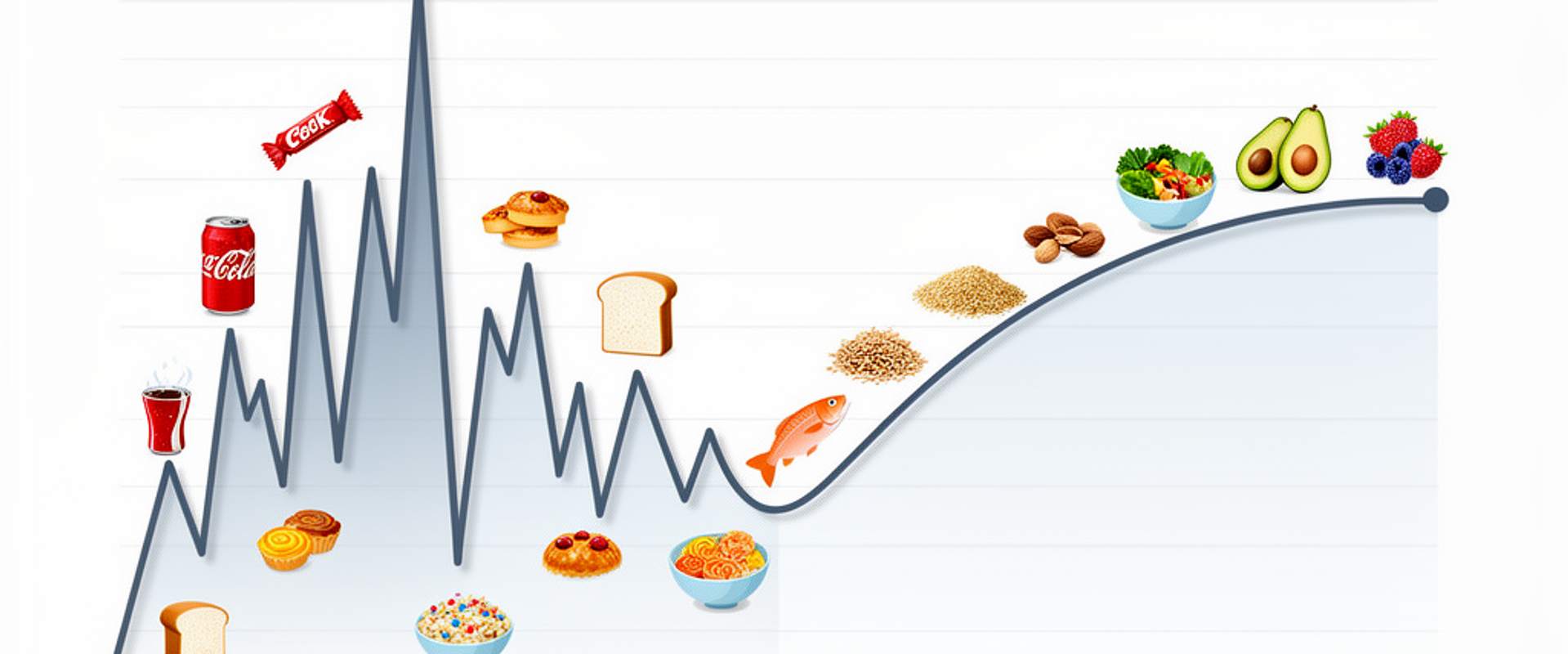
However, not all carbohydrates act the same way in the body. When you eat easily digestible, refined carbohydrates on their own (like a bagel, fruit juice, or a sugary cereal), they are broken down incredibly fast. This results in a massive, rapid influx of glucose into your bloodstream—a "blood sugar spike."
In a panic to handle this flood of sugar, your pancreas often overcompensates by releasing a massive wave of insulin. This heavy dose of insulin does its job a little too well, sweeping the glucose out of your blood so quickly that your blood sugar levels drop below your baseline. This rapid drop is known as "reactive hypoglycemia," or the dreaded "crash."
This cycle of spiking and crashing is the glycemic rollercoaster. And it is the root cause of many daily struggles.
How Blood Sugar Hijacks Your Energy, Mood, and Cravings
When you are strapped into the glycemic rollercoaster, your body is in a constant state of physiological stress. Here is how that plays out in your day-to-day life.
1. The Energy Crash
Your brain and body thrive on a steady, reliable stream of fuel. When your blood sugar spikes, you might feel a brief, jittery burst of energy. But when it inevitably crashes, your cells are suddenly deprived of the steady fuel they need. This biological energy crisis manifests as profound lethargy, brain fog, and the heavy-eyed fatigue that sends you marching toward the nearest coffee machine.
2. The Mood Swing (Hanger is Real)
Your brain is an energy hog. While it only accounts for about 2% of your body weight, it consumes roughly 20% of your body's glucose. When your blood sugar drops rapidly, your brain senses a threat to its fuel supply. To protect itself, the body triggers a stress response, releasing hormones like adrenaline and cortisol to help mobilize stored glucose.
These are the exact same hormones involved in the "fight or flight" response. As a result, a blood sugar crash does not just make you tired; it makes you anxious, jittery, and irritable. This is the physiological mechanism behind being "hangry."
3. The Craving Cycle
When your blood sugar dips too low, your body is smart. It knows it needs energy, and it needs it fast. Biologically, the quickest way to get a hit of energy is through simple, fast-acting carbohydrates. This is why you never crave a piece of grilled chicken or a bowl of broccoli during a 3 PM slump. Your body actively drives you to seek out sugar, pastries, or chips. It is not a lack of discipline; it is an evolutionary survival mechanism.
The Solution: Do Not Cut Carbs, "Clothe" Them
The diet industry often points to the glycemic rollercoaster as proof that we should eliminate carbohydrates entirely. But carbohydrates are a vital, nourishing part of the human diet, providing essential vitamins, minerals, and dietary fiber.
The secret to steady energy is not to banish carbs, but to change how they are absorbed. You can do this through a concept called "food pairing," or as some nutritionists call it, "clothing your naked carbs."
A "naked carb" is a carbohydrate eaten entirely on its own—like an apple for a snack, or a bowl of plain pasta. Without anything to slow it down, it rushes into your bloodstream.
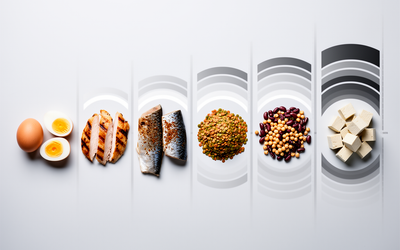
When you "clothe" that carbohydrate by pairing it with protein, healthy fats, and fiber, you fundamentally change the way your body digests it. Fat, protein, and fiber take much longer to digest. They slow down gastric emptying (the rate at which food leaves your stomach) and create a physical barrier in your intestines, slowing the absorption of glucose into the bloodstream.
Instead of a spike and a crash, clothed carbs provide a gentle, rolling hill of blood sugar, giving you sustained energy for hours.
Practical Food Pairing: Swaps You Can Make Today
You do not need to overhaul your entire life to flatten your blood sugar curve. Small, strategic additions to your plate can make a massive difference. Here are some practical ways to apply food pairing to your daily meals.
Breakfast: From Slump to Sustained
Breakfast sets the metabolic tone for your entire day. A breakfast high in naked carbs will put you on the rollercoaster by 9:00 AM.
- The Rollercoaster Meal: 1 cup of instant oatmeal made with water, topped with a tablespoon of maple syrup and a sliced banana. (High carb, low protein, low fat).
- The Balanced Swap: Make 1/2 cup of rolled or steel-cut oats. Stir in 1 scoop of your favorite protein powder or 1/2 cup of Greek yogurt (Protein). Add 2 tablespoons of chia seeds or ground flaxseed (Fiber). Top with 1 tablespoon of almond butter or a handful of walnuts (Healthy Fat) and 1/2 of a sliced banana.
- Why it works: The protein powder and Greek yogurt provide amino acids that signal satiety hormones to the brain. The chia seeds form a gel in your stomach, slowing digestion, while the almond butter provides a rich, slow-burning fuel.
Snack Time: The Apple Upgrade
Snacks are where naked carbs often sneak in. A piece of fruit is incredibly healthy, but on its own, it can still cause a rapid glucose rise.
- The Rollercoaster Snack: 1 medium apple.
- The Balanced Swap: 1 medium apple paired with 2 tablespoons of peanut butter, a 1-ounce stick of cheddar cheese, or a small handful (about 1/4 cup) of roasted almonds.
- Why it works: The fat and protein in the peanut butter or cheese act as a buffer. You still get the vitamins, antioxidants, and crunch of the apple, but the energy release is stretched out over two hours instead of thirty minutes.
Lunch/Dinner: The Pasta Pivot
You do not have to give up pasta nights to maintain steady blood sugar. It is all about the ratios on your plate.
- The Rollercoaster Meal: A large, 3-cup bowl of white pasta with basic tomato sauce and a side of garlic bread.
- The Balanced Swap: Keep the pasta, but adjust the portion and add companions. Serve 1 cup of cooked pasta. Toss it with 4 ounces of grilled chicken or a cup of white beans (Protein). Mix in 1 to 2 cups of roasted broccoli, spinach, or zucchini (Fiber). Drizzle with 1 tablespoon of extra virgin olive oil (Fat).
- Why it works: By reducing the pasta volume slightly and crowding the bowl with high-fiber vegetables and lean protein, you transform a blood-sugar-spiking meal into a deeply nourishing, slow-digesting feast.
Bonus Hacks: Sequencing and Stepping
Beyond what you put on your plate, there are two other incredibly effective, science-backed habits that can help flatten your blood sugar curve.
1. The Order Matters (Food Sequencing)
Research has shown that the order in which you eat your food can significantly impact your blood sugar response. If you have a balanced plate in front of you, try eating your vegetables (fiber) first, followed by your protein and fats, and save the carbohydrates for last.
The fiber from the vegetables coats the lining of your small intestine, creating a mesh-like barrier. When the carbohydrates finally arrive, their absorption is significantly delayed. Studies show this simple trick can reduce a glucose spike by up to 70%!
2. The 10-Minute Walk
Your muscles are the largest consumers of glucose in your body. When you engage in light movement, your muscles can soak up glucose from your bloodstream for energy without needing insulin.
Taking a gentle 10 to 15-minute walk after a meal is one of the most effective ways to blunt a blood sugar spike. You do not need to break a sweat or power-walk; a leisurely stroll around the block or even doing some active household chores (like vacuuming or doing the dishes) is enough to activate your muscles and pull that glucose out of your blood.
The Practical Takeaway
Balancing your blood sugar is not a restrictive diet; it is an empowering framework for how to eat. It shifts the focus from "What do I have to cut out?" to "What can I add to my plate to support my body?"
The next time you are preparing a meal or grabbing a snack, simply ask yourself: Are my carbs naked? By taking a few extra seconds to add a source of protein, a handful of fiber, or a spoonful of healthy fat, you are not just changing your meal—you are protecting your energy, stabilizing your mood, and setting yourself up to feel your absolute best all day long.