The Evidence-Based Guide to Supplements: What Works and What Wastes Your Money
Navigate the confusing supplement aisle with confidence. Learn why creatine, vitamin D, and magnesium are worth your money, why detox teas aren't, and how to get these essential nutrients from real food.

Walking down the supplement aisle of a health food store or scrolling through targeted wellness ads online can feel like navigating a minefield. You are bombarded with promises of boundless energy, perfect digestion, and rapid results. When you just want to eat better, feel good in your body, and take care of your health, this barrage of conflicting nutrition advice is incredibly overwhelming.
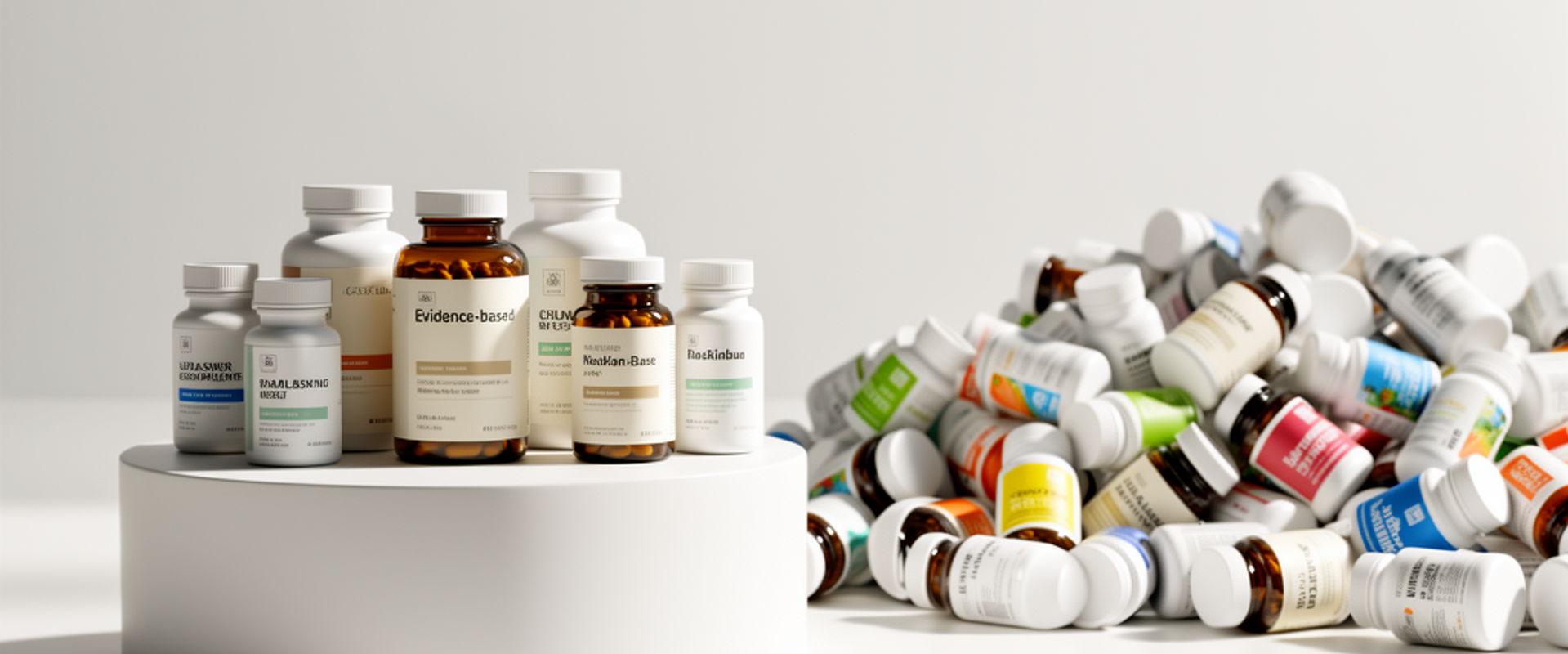
The global supplement industry is worth billions of dollars, and unfortunately, a significant portion of that money is spent on clever marketing rather than proven science. As a nutrition professional, I see people constantly spending their hard-earned cash on powders and pills that do absolutely nothing—or worse, cause unwanted side effects.
But supplements aren't all snake oil. When used correctly, specific, evidence-based supplements can fill genuine nutritional gaps and support your overall well-being. The key is knowing how to separate the science from the sales pitch.
Let's break down the supplements that are actually worth your money, the ones you should leave on the shelf, and most importantly, how you can prioritize getting these nutrients from delicious, everyday foods.
Supplements That Waste Your Money
Let's start with the products that rely on hype, diet culture, and pseudoscientific claims. You can confidently save your money and skip these entirely.
Detox Teas and Cleanses
The wellness industry loves the word "detox." The idea that we need to drink a special, expensive tea to flush out "toxins" from our weekend pizza or glass of wine is a marketing fabrication.
Here is the beautiful truth: your body already has a highly sophisticated, 24/7 detoxification system. It's made up of your liver, kidneys, lungs, digestive tract, and skin. Unless you are dealing with a severe medical emergency (in which case you need a hospital, not a tea), your organs are doing a fantastic job of filtering and eliminating waste.
Many commercial "detox teas" contain senna, an FDA-approved non-prescription laxative. When you drink these teas, you aren't losing fat or "toxins"—you are simply losing water weight and irritating your digestive tract.
The Food-First Swap: Support your liver and kidneys by staying hydrated and eating fiber-rich foods. A simple glass of water with a squeeze of fresh lemon, paired with a bowl of oatmeal topped with 1/2 cup of fresh raspberries, will do infinitely more for your body's natural waste-elimination processes than a $40 tea.
Fat Burners
Fat burners are perhaps the most egregious offenders in the supplement world. They often claim to boost your metabolism, increase thermogenesis (heat production in the body), and melt away tissue.
Scientifically speaking, there is no magic pill that safely and effectively burns fat. Most fat burners are simply proprietary blends of massive amounts of caffeine and various herbal stimulants (like guarana or bitter orange). While high doses of caffeine might temporarily suppress your appetite or make you jittery enough to move around more, they do not fundamentally change your body composition. Furthermore, they can cause rapid heart rate, anxiety, and severe sleep disruption.
The Food-First Swap: If you want a natural, gentle energy boost, brew a simple cup of green tea or black coffee. Green tea contains L-theanine and a modest amount of caffeine, providing a calm, focused energy without the jitters.
Overpriced, Proprietary Pre-Workouts
Pre-workout powders are incredibly popular, promising skin-splitting energy for your gym sessions. However, many of these tubs are filled with "proprietary blends." This is a labeling loophole that allows companies to list ingredients without disclosing the exact amounts. You might be paying for a tiny dusting of effective ingredients mixed with huge amounts of cheap fillers, artificial dyes, and excessive caffeine.
The Food-First Swap: You need readily available energy (carbohydrates) and perhaps a mild stimulant before moving your body. About 45 minutes before a workout, try eating one medium banana with a small cup of black coffee. The banana provides easily digestible carbohydrates and potassium for muscle function, while the coffee provides a science-backed, safe dose of caffeine to lower your perceived exertion.
Supplements That Actually Work
Now, let's look at the supplements that have decades of rigorous scientific research backing their efficacy and safety.
Creatine Monohydrate
For a long time, creatine was unfairly stereotyped as a supplement only for massive bodybuilders. Today, sports nutritionists and longevity researchers agree that creatine is one of the most effective and safest supplements available for the general population.
Creatine helps your body produce ATP (adenosine triphosphate), which is the primary energy currency of your cells. While it is famous for improving muscle strength and recovery, emerging research shows that creatine also supports brain health, cognitive processing, and memory, especially during times of stress or sleep deprivation.
How to take it: Look for "Creatine Monohydrate," which is the most researched and most affordable form. You only need 3 to 5 grams per day.
The Food Connection: Creatine is naturally found in animal products. To get 5 grams of creatine, you would need to eat about 16 ounces of raw beef or salmon every single day. Because that is neither practical nor recommended, creatine is one of the few instances where a supplement is vastly more efficient than food.
Vitamin D3
Vitamin D acts more like a hormone in the body than a traditional vitamin. It is critical for bone health (it helps your body absorb calcium), immune system regulation, and mood management.
Our bodies synthesize Vitamin D when our bare skin is exposed to direct sunlight. However, due to modern indoor lifestyles, sunscreen use (which is great for skin cancer prevention!), and living in northern latitudes, a massive percentage of the population is deficient in Vitamin D.
How to take it: Look for Vitamin D3 (cholecalciferol), which raises your blood levels more effectively than D2. A standard maintenance dose is often between 1,000 and 2,000 IU daily, but it's always best to get a simple blood test from your doctor to find your optimal dose. Because Vitamin D is fat-soluble, you must take it with a source of dietary fat for your body to absorb it.
The Food Connection: Very few foods naturally contain therapeutic levels of Vitamin D. However, you can support your levels by eating 4 ounces of wild-caught salmon, consuming pasture-raised eggs (eat the yolks!), and looking for UV-exposed mushrooms.
Omega-3 Fatty Acids (Fish Oil or Algae Oil)
Omega-3 fatty acids—specifically EPA and DHA—are essential fats. This means your body cannot make them; you must get them from your diet. They are the building blocks of your cell membranes and are profoundly anti-inflammatory. Robust evidence links adequate Omega-3 intake to improved heart health, reduced joint stiffness, and better brain function.
How to take it: If you don't eat fish regularly, an Omega-3 supplement is highly recommended. Look for a supplement that provides a combined total of at least 1,000mg of EPA and DHA per serving. If you are plant-based, algae oil is a fantastic, sustainable alternative that provides the exact same DHA and EPA as fish oil.
The Food Connection: You can easily meet your Omega-3 needs through food if you are intentional. Aim for two servings (about 4 to 6 ounces each) of fatty fish like salmon, mackerel, or sardines per week. For plant-based sources of ALA (a precursor to EPA/DHA), add 2 tablespoons of ground flaxseeds or chia seeds to your daily oatmeal or smoothie.
Magnesium
Magnesium is a "helper molecule" involved in over 300 biochemical reactions in your body, including energy creation, protein formation, muscle movements, and nervous system regulation. Despite its importance, up to half of the population doesn't get enough magnesium through diet alone, largely due to soil depletion reducing the mineral content in our crops.
If you struggle with muscle cramps, poor sleep quality, or general restlessness, magnesium might be the missing link.
How to take it: The form of magnesium matters immensely.
- Magnesium Glycinate: Highly absorbable and gentle on the stomach. It has a calming effect, making it perfect for taking 30 minutes before bed to support sleep.
- Magnesium Citrate: Helpful if you struggle with occasional constipation, as it draws water into the intestines.
- Skip: Magnesium Oxide, which is poorly absorbed and mostly just acts as a harsh laxative.
The Food Connection: Dark leafy greens, nuts, and seeds are magnesium powerhouses. Just 1/4 cup of pumpkin seeds provides nearly 50% of your daily magnesium needs.
Putting It Into Practice: A Food-First Day
You don't need to swallow a handful of pills to be healthy. By building your meals around nutrient-dense whole foods, you can naturally hit most of your targets, saving supplements for the specific gaps (like Vitamin D in the winter).
Here is an example of a delicious, evidence-based day of eating that naturally prioritizes these critical nutrients:
Breakfast: The Omega-Magnesium Power Bowl
Skip the chalky, expensive meal replacement shakes. This bowl provides natural fiber, plant-based Omega-3s, and a massive hit of magnesium to start your day with steady energy.
- 1/2 cup rolled oats cooked in 1 cup of milk (dairy or soy for protein)
- 1 tablespoon chia seeds (Omega-3s)
- 1/4 cup dry-roasted pumpkin seeds (Magnesium)
- 1/2 cup wild blueberries (Antioxidants)
- A pinch of cinnamon and a drizzle of maple syrup
Lunch: The Sunshine Salad
This lunch is designed to support bone and brain health.
- 2 cups mixed dark leafy greens like spinach and kale (Magnesium)
- 4 ounces canned wild sockeye salmon, bone-in (Omega-3s and Calcium)
- 1/2 sliced avocado (Healthy fats to help absorb vitamins)
- 1/4 cup walnuts (More Omega-3s)
- Dressing: 1 tablespoon extra virgin olive oil mixed with lemon juice and a pinch of salt.
Dinner: The ATP Booster
This meal provides natural sources of creatine and high-quality protein to support muscle recovery and energy production.
- 4 to 6 ounces of lean, pasture-raised beef or chicken breast (Natural Creatine and Protein)
- 1 cup roasted sweet potatoes tossed in olive oil (Complex carbohydrates)
- 1 cup steamed broccoli topped with 1 tablespoon of grass-fed butter or olive oil (Fiber and fat-soluble vitamin absorption)
The Bottom Line
Navigating nutrition doesn't have to be complicated, and it certainly shouldn't require taking out a small loan to afford a cabinet full of supplements.
The next time you are tempted by a flashy ad for a detox tea or a miracle fat burner, take a deep breath and keep your wallet closed. Focus your energy and your grocery budget on colorful produce, high-quality proteins, and healthy fats.
If you do choose to supplement, stick to the heavy hitters backed by decades of data: creatine for cellular energy, Vitamin D for immune and bone health, Omega-3s for inflammation, and magnesium for sleep and muscle function. Eat well, supplement smartly, and give your body the genuine nourishment it deserves.