The Gut-Brain Connection: How Your Microbiome Controls Mood, Immunity, and Energy
Did you know your gut controls mood, immunity, and energy? Discover the science of the microbiome and simple, evidence-based food swaps to build a healthier gut without stressing over restrictive diets.

If you are feeling overwhelmed by the endless sea of conflicting nutrition advice, you are not alone. One day, carbohydrates are the enemy; the next, you are told to eat a heavily plant-based diet. Intermittent fasting is a miracle, until a new headline claims it is harmful. It is enough to make anyone want to throw their hands up and order takeout.
But what if we cut through the noise and focused on a single, scientifically proven foundation of human health?
Enter the gut microbiome.
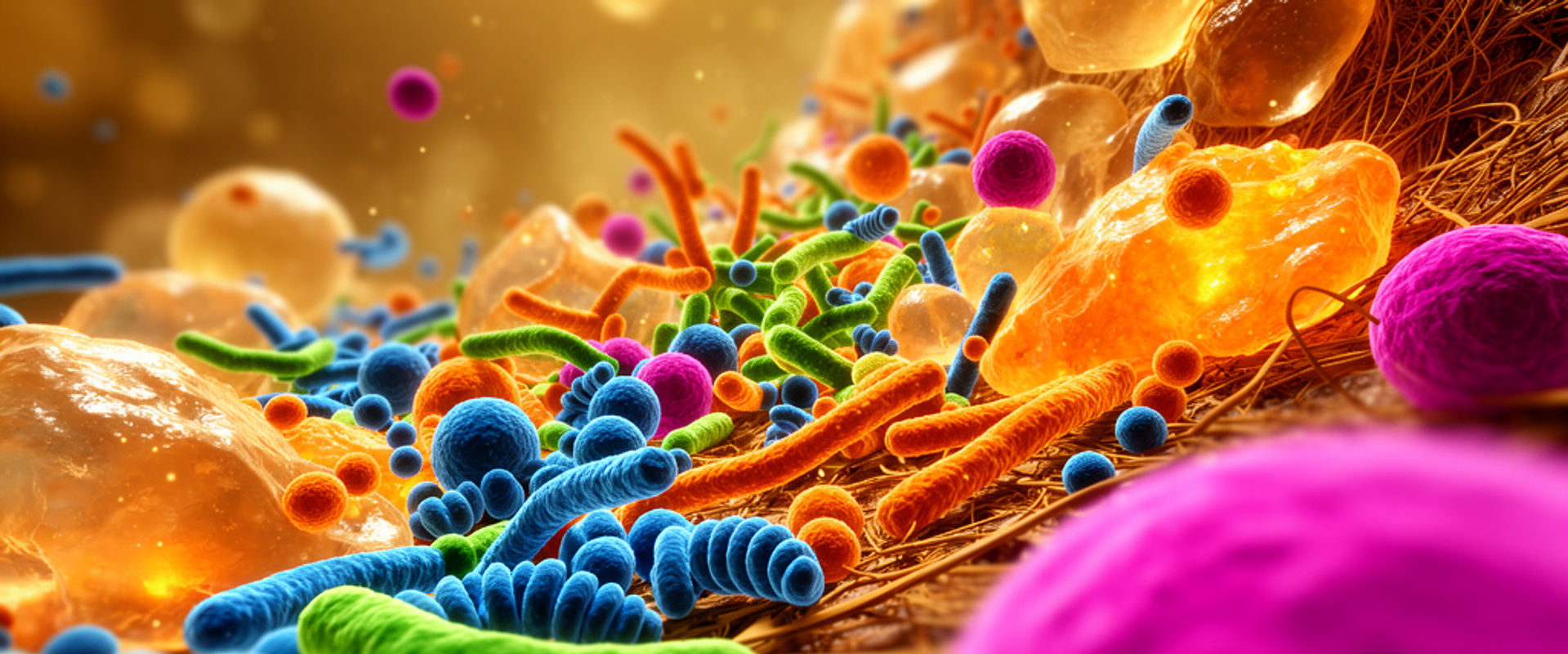
Over the past decade, scientific research has revolutionized our understanding of digestion. We now know that your gut does far more than just break down your lunch. It is a bustling, microscopic ecosystem that acts as a central command center for your entire body. The trillions of bacteria residing in your digestive tract influence your mood, regulate your immune system, manage your energy levels, and even impact your metabolism.
The best part? You do not need a restrictive, joyless diet to optimize it. By shifting our focus from "what to cut out" to "what to add in," we can feed our microscopic allies and drastically improve our overall well-being.
Let us dive into the fascinating science of the gut microbiome and explore practical, delicious ways to support it.
Meet Your Microscopic Landlords: What is the Gut Microbiome?
Imagine your large intestine as a thriving, diverse rainforest. This ecosystem is home to roughly 39 trillion microbes—including bacteria, fungi, viruses, and archaea—collectively known as the gut microbiome. To put that into perspective, you have roughly the same number of microbial cells in your body as you do human cells. You are quite literally half-microbe.
These microbes are not freeloader parasites; they live in a symbiotic relationship with you. You provide them with a warm, nutrient-rich environment, and in return, they perform thousands of vital functions that your human cells cannot do on their own.
The hallmark of a healthy gut microbiome is diversity. Just as a real rainforest relies on thousands of different species of plants, insects, and animals to remain resilient, your gut thrives when it contains a wide variety of bacterial species. When this balance is thrown off—a state known as dysbiosis—it can trigger a cascade of health issues.
Beyond Digestion: What Your Gut Actually Controls
It is easy to assume that gut health only matters if you are dealing with bloating or stomach aches. However, the influence of your microbiome extends far beyond the digestive tract.
The Gut-Brain Axis: Why Your Stomach Dictates Your Mood
Have you ever had "butterflies" in your stomach when nervous, or felt your appetite vanish during a stressful event? That is the gut-brain axis in action. Your gut and brain are physically connected by the vagus nerve, a massive information superhighway.
Fascinatingly, communication along this nerve is mostly one-way: about 80% to 90% of the signals travel from the gut to the brain. Furthermore, your gut bacteria manufacture neurotransmitters. An estimated 90% of your body's serotonin (the "happy" chemical that regulates mood, sleep, and appetite) and 50% of your dopamine are produced in the digestive tract. Emerging research suggests that a diverse microbiome can help lower anxiety and improve resilience to stress, while dysbiosis is frequently observed in individuals with depression.
Immunity Headquarters: Your Internal Defense System
If you want to avoid catching every cold that circulates the office, look to your gut. Approximately 70% to 80% of your body's immune cells reside in the gut tissue.
Your microbiome acts as a training camp for your immune system. Beneficial bacteria teach your immune cells to distinguish between harmless compounds (like food proteins) and dangerous invaders (like pathogenic viruses). When your microbiome is robust, it crowds out bad bacteria, reinforces the lining of your intestinal wall, and prevents harmful pathogens from entering your bloodstream.
Energy and Metabolism: The Short-Chain Fatty Acid Connection
When you eat dietary fiber, your human cells cannot digest it. But your gut bacteria can. They ferment this fiber and produce magical byproducts called Short-Chain Fatty Acids (SCFAs), such as butyrate, acetate, and propionate.
SCFAs are metabolic superheroes. Butyrate, in particular, provides the primary energy source for the cells lining your colon. These fatty acids also enter your bloodstream, where they help regulate blood sugar levels, reduce systemic inflammation, and even communicate with the hormones that tell your brain you are full and satisfied.
How to Eat for Your Gut (Without the Diet Culture Noise)
Taking care of your gut does not require counting calories, fasting for days, or demonizing entire food groups. It is about abundance and diversity.
The American Gut Project, one of the largest microbiome studies to date, found that the single greatest predictor of a healthy gut microbiome is the number of different plant foods a person eats. The "sweet spot" was consuming 30 or more different plant species per week.
If 30 sounds intimidating, do not panic! "Plants" do not just mean salads. This number includes fruits, vegetables, whole grains, nuts, seeds, legumes, herbs, and spices. Even coffee and dark chocolate count!
To build a thriving gut garden, you need three main components: Prebiotics, Probiotics, and Polyphenols.
1. Prebiotics: Fertilizer for Your Good Bacteria
Prebiotics are specific types of dietary fiber that feed your beneficial microbes. Think of them as fertilizer for your gut garden.
Excellent sources include:
- Oats: A 1/2 cup of cooked oatmeal contains beta-glucan, a prebiotic fiber that feeds healthy bacteria.
- Garlic and Onions: Just 2 cloves of garlic or a 1/4 cup of onions added to a savory dish provides powerful prebiotic compounds like inulin.
- Apples: One medium apple (leave the skin on!) is rich in pectin, which increases the production of beneficial SCFAs.
- Legumes: A 1/2 cup of lentils, chickpeas, or black beans is heavily packed with resistant starch.
2. Probiotics: Adding New Recruits to the Team
While prebiotics feed the bacteria you already have, probiotics are live beneficial bacteria you consume through fermented foods. They help temporarily boost your microbial populations and maintain a healthy gut environment.
Excellent sources include:
- Yogurt or Kefir: Aim for a 1/2 cup to 1 cup daily. Look for the words "live and active cultures" on the label, and choose plain, unsweetened versions when possible to avoid excess added sugars.
- Sauerkraut and Kimchi: Just 2 tablespoons of unpasteurized, refrigerated sauerkraut or kimchi offers a massive dose of live lactobacillus bacteria.
- Kombucha: A 4-6 ounce serving of this fermented tea is a great refreshing probiotic option.
3. Polyphenols: The Colorful Protectors
Polyphenols are plant compounds that have antioxidant properties. Only a small percentage of polyphenols are absorbed in your small intestine; the rest travel to the colon, where they are broken down by gut bacteria, promoting the growth of good microbes and inhibiting the bad ones.
Excellent sources include:
- Berries: A 1/2 cup of blueberries, raspberries, or blackberries.
- Dark Chocolate: 1 ounce of high-quality dark chocolate (70% cacao or higher).
- Green Tea: 1 to 2 cups of brewed green tea.
A Day of Gut-Loving Meals (Specific Ideas & Swaps)
Translating science to the plate should be easy and delicious. Here is what a day of gut-friendly, satisfying eating might look like:
Breakfast: The Microbiome Mash-Up
Instead of a refined cereal that spikes your blood sugar and starves your gut bugs, try a savory or sweet prebiotic bowl.
- The Meal: 1/2 cup of rolled oats cooked in water or milk of choice.
- The Add-ins: Stir in 1 tablespoon of chia seeds (fiber), a 1/2 cup of mixed frozen berries (polyphenols), and a tablespoon of almond butter. Top with a dollop of probiotic-rich plain Greek yogurt.
Lunch: The "Clean Out the Fridge" Salad
Instead of a plain turkey sandwich on white bread, focus on fiber and plant diversity.
- The Meal: 2 cups of mixed greens (spinach, arugula).
- The Add-ins: 1/2 cup of roasted chickpeas (prebiotics), 1/4 cup of sliced cherry tomatoes, 2 tablespoons of pumpkin seeds, and 2 tablespoons of raw sauerkraut (probiotics). Dress with a simple olive oil and lemon vinaigrette. Add grilled chicken or baked tofu for satisfying protein.
Snack: Crunch and Color
- The Swap: Instead of a highly processed granola bar, grab 1 medium apple (sliced) paired with 1 ounce of walnuts. You get pectin from the apple and powerful polyphenols from the walnuts.
Dinner: The Fiber-Rich Comfort Plate
- The Meal: 4-6 ounces of baked salmon (rich in omega-3s, which also reduce gut inflammation).
- The Sides: 1/2 cup of cooked quinoa and 1 cup of roasted broccoli and asparagus (tossed in olive oil and generous amounts of minced garlic and onion powder to hit those prebiotic targets).
What About the Things That Harm the Microbiome?
Rather than framing certain foods as "toxic" or strictly forbidden—which only fuels diet anxiety—it is more helpful to think about crowding out the less helpful items by filling up on the good stuff. However, science does show that a few things can negatively impact your gut diversity:
- Ultra-Processed Foods: Foods highly engineered with artificial emulsifiers and preservatives can thin the protective mucus layer of your gut. Enjoy your favorite treats mindfully, but aim for whole foods most of the time.
- Excessive Alcohol: Binge drinking can trigger gut inflammation and dysbiosis. If you drink, stick to moderate levels (e.g., one glass of polyphenol-rich red wine occasionally).
- Unnecessary Antibiotics: Antibiotics are life-saving miracles when you have a bacterial infection. But they act like a wildfire in the gut, wiping out both bad and good bugs. Never avoid them when prescribed by a doctor, but do not pressure your physician for a prescription when you have a viral cold (which antibiotics cannot treat).
Your Practical Takeaway
You do not need to overhaul your entire life today to improve your gut health. Perfection is the enemy of progress. The most sustainable way to cultivate a healthy microbiome is through small, additive habits.
Your actionable step for today: Look at your next meal and ask yourself, "Can I add one more plant to this?"
Sprinkle some seeds on your salad, toss a handful of spinach into your pasta sauce, or eat a piece of fruit with your lunch. Your 39 trillion microscopic friends will thank you with better moods, stronger immunity, and steadier energy.