The 10 Most Nutrient-Dense Foods on Earth (Ranked by Science)
Overwhelmed by conflicting nutrition advice? Cut through the noise with this science-backed guide to the 10 most nutrient-dense foods on Earth. Discover practical, delicious ways to add powerhouse foods to your daily routine.

If you have ever stood in the grocery store aisle feeling completely paralyzed by conflicting nutrition advice, you are absolutely not alone. One day a food is a "superfood," and the next day an influencer is telling you to avoid it completely. It is exhausting, confusing, and frankly, it takes the joy out of eating.
But what if we shifted our focus away from what we "shouldn't" eat, and instead focused on what we can add to our plates to help our bodies thrive?
This is where the concept of nutrient density comes in. Instead of tracking every single calorie or cutting out entire food groups, eating for nutrient density is simply about getting the biggest nutritional bang for your buck. It is a gentle, positive, and science-backed approach to nourishing yourself.
Let's break down what nutrient density actually means, and explore the 10 most nutrient-dense foods on Earth—along with practical, stress-free ways to enjoy them.
What Does "Nutrient Density" Actually Mean?
In the simplest terms, nutrient density refers to the concentration of micronutrients (vitamins, minerals, antioxidants, and phytochemicals) in a food, relative to its caloric content. A highly nutrient-dense food packs a massive amount of beneficial compounds into a relatively small package.
Scientists and nutritionists have developed several systems to measure this. One of the most famous is the ANDI (Aggregate Nutrient Density Index) score, developed by Dr. Joel Fuhrman, which ranks foods on a scale from 1 to 1,000 based on their nutrient-to-calorie ratio. Similarly, the Centers for Disease Control and Prevention (CDC) created a classification system for "powerhouse fruits and vegetables" based on their association with reduced chronic disease risk.
When we look at these scientific rankings, a clear pattern emerges: the most nutrient-dense foods on the planet are whole, unprocessed foods that come directly from nature.
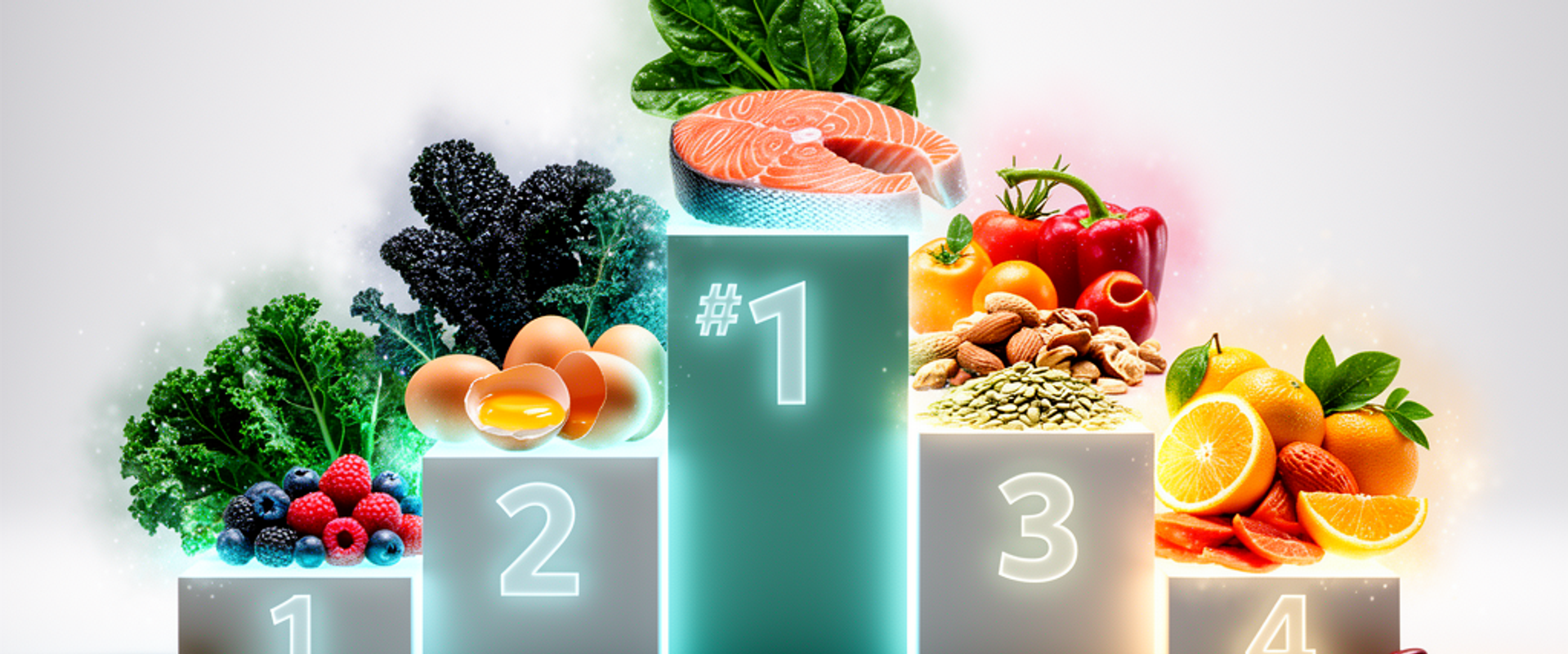
Here are the top 10 most nutrient-dense foods on Earth, ranked by science, and how you can easily invite them into your kitchen.
The Top 10 Nutrient-Dense Foods on Earth
1. Watercress
While kale usually steals the spotlight, watercress is the quiet, unassuming champion of the nutrition world. In fact, in the CDC's ranking of powerhouse fruits and vegetables, watercress is the only food to score a perfect 100.
This peppery little leafy green is overflowing with Vitamin K (crucial for bone health), Vitamin A, Vitamin C, and powerful antioxidants. It also contains unique compounds called isothiocyanates, which have been studied for their ability to protect healthy cells from damage.
How to enjoy it: Watercress has a bright, slightly spicy flavor similar to arugula. Toss a handful into your favorite mixed green salad, blend it into a green soup, or use it as a fresh, peppery garnish on avocado toast.
2. Kale and Dark Leafy Greens
Kale boasts an incredibly high ANDI score (scoring a perfect 1,000), and for good reason. A single cup of raw kale provides more than your daily requirement for Vitamin K, along with hefty doses of Vitamin C, Vitamin A, manganese, and copper.
Other dark leafy greens like spinach, Swiss chard, and collard greens are right behind kale in nutrient density. They are packed with fiber, which supports a healthy gut microbiome and keeps your digestion running smoothly.
How to enjoy it: Raw kale can be tough, so give it a "massage"! Drizzle a little olive oil and lemon juice over chopped kale leaves and gently rub them with your hands for a minute until they soften. This makes them delicious and much easier to digest. You can also toss a handful of spinach into your morning fruit smoothie—you won't even taste it.
3. Liver (Beef or Chicken)
Organ meats have fallen out of favor in modern Western diets, which is a shame because they are arguably the most nutrient-dense foods on the planet. Liver is often referred to as "nature's multivitamin."
A mere 3.5-ounce (100-gram) serving of beef liver contains over 3,000% of your daily requirement for Vitamin B12, a nutrient vital for energy production and brain health. It is also one of the best dietary sources of highly absorbable heme iron, Vitamin A, folate, and choline.
How to enjoy it: If the idea of eating a liver steak makes you squeamish, you aren't alone! The easiest way to incorporate liver is the "hidden" method. Ask your local butcher to grind a small amount of beef liver (about 10-20%) into regular ground beef. Use this blend to make meatballs, meatloaf, or burgers. The flavor is completely masked by the ground beef and spices.
4. Sardines
These tiny, oily fish are nutritional giants. Because sardines are eaten whole—bones, skin, and all—they provide a unique matrix of nutrients that are hard to find elsewhere.
Sardines are incredibly rich in EPA and DHA, the active forms of Omega-3 fatty acids that are essential for heart and brain health. Thanks to their edible bones, they are also a stellar, dairy-free source of calcium and Vitamin D. Plus, because they are so low on the food chain, they contain very few environmental toxins (like mercury) compared to larger fish.
How to enjoy it: Mash a tin of wild-caught sardines (packed in extra virgin olive oil) with a spoonful of Dijon mustard, a squeeze of fresh lemon juice, and a pinch of black pepper. Spread it over a slice of toasted sourdough bread for a quick, savory, and incredibly nourishing lunch.
5. Blueberries (Especially Wild Blueberries)
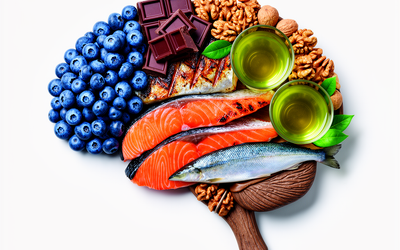
When it comes to antioxidant density, blueberries are in a league of their own. Their deep, gorgeous blue color comes from anthocyanins, powerful plant compounds that have been extensively studied for their ability to protect the brain as we age and support cardiovascular health.
While all blueberries are wonderful, wild blueberries (often found in the freezer section) pack up to twice the antioxidants of standard cultivated blueberries.
How to enjoy it: Keep a bag of wild blueberries in your freezer. Warm up a half-cup in the microwave for 30 seconds until they become jammy, and stir them into your morning oatmeal or a bowl of plain Greek yogurt.
6. Garlic
Garlic is not just a flavor enhancer; it is a medicinal powerhouse that has been used for centuries. Its extraordinary health benefits come primarily from a compound called allicin, which has strong antimicrobial and immune-supporting properties.
Garlic is also rich in Vitamin C, Vitamin B6, and manganese, making it an incredibly nutrient-dense way to add flavor to your meals without relying on highly processed sauces.
How to enjoy it: Crucial tip: Allicin is only formed when garlic is crushed or chopped, and it is easily destroyed by heat. To get the maximum health benefits, crush or mince your fresh garlic and let it sit on the cutting board for 10 minutes before cooking. This allows the allicin to fully develop.
7. Seaweed (Kelp, Nori, Wakame)
The ocean provides some of the most mineral-rich foods on earth, and seaweed is at the top of the list. Sea vegetables are particularly unique because they are one of the few reliable dietary sources of iodine, a mineral that is absolutely essential for healthy thyroid function and metabolism.
Seaweed also provides calcium, iron, magnesium, and a variety of unique antioxidants that aren't found in land-based vegetables.
How to enjoy it: Snack on roasted nori sheets (the kind used for sushi) when you want something salty and crunchy. You can also buy dried dulse flakes and sprinkle them over salads, soups, or even popcorn as a savory, nutrient-dense seasoning.
8. Wild-Caught Salmon
Like sardines, wild-caught salmon is a premier source of Omega-3 fatty acids. But salmon also brings a massive amount of high-quality protein, potassium, selenium, and B vitamins to the table.
Regular consumption of fatty fish like salmon is consistently linked in scientific literature to a lower risk of heart disease, decreased inflammation, and improved mental well-being.
How to enjoy it: Place a 4-to-6 ounce filet of wild salmon on a baking sheet. Drizzle with a little olive oil, a squeeze of lemon, and a sprinkle of dill. Bake at 400°F (200°C) for 12-15 minutes. Pair it with a side of roasted asparagus or a watercress salad for a truly nutrient-dense meal.
9. Pasture-Raised Egg Yolks
For years, diet culture told us to throw away the egg yolk and only eat the whites. Science has since proven this to be terrible advice! The egg white contains protein, but the yolk is the nutritional epicenter of the egg.
Egg yolks are loaded with choline, a nutrient that is notoriously difficult to get enough of but is vital for memory and brain function. They also contain lutein and zeaxanthin, antioxidants that protect your eyes from macular degeneration.
How to enjoy it: Soft-boil or poach 2 pasture-raised eggs so the yolks remain slightly runny (this helps preserve the delicate nutrients). Serve them over a bowl of warm quinoa and sautéed dark leafy greens.
10. Cacao (Dark Chocolate)
Yes, chocolate makes the list! But we are talking about raw cacao or high-quality dark chocolate (85% cacao or higher), not standard milk chocolate candy bars.
Cacao is one of the highest dietary sources of magnesium—a mineral that helps regulate muscle and nerve function, blood sugar levels, and blood pressure. It is also packed with iron, copper, and flavanols, which help improve blood flow and lower blood pressure.
How to enjoy it: Add a tablespoon of unsweetened raw cacao powder to your morning smoothie or a warm bowl of oatmeal. Alternatively, enjoy a square or two of 85% dark chocolate in the evening alongside a cup of herbal tea.
Practical Ways to Add These to Your Week (No Stress Required)
Looking at a list of 10 new foods can feel like a lot. The goal here is not to force yourself to eat all 10 of these foods every single day. That is a recipe for burnout.
Instead, think of this list as a menu of opportunities. How can you naturally weave a few of these into the meals you already love?
Here are a few easy, stress-free swaps and additions:
- The Nutrient Powerhouse Bowl: Start with a base of massaged kale or mixed greens (including watercress). Top with a serving of baked wild salmon or a tin of sardines. Add a soft-boiled egg, half an avocado, and a sprinkle of dulse (seaweed) flakes.
- The Brain-Boosting Breakfast: Stir a half-cup of wild blueberries and a tablespoon of raw cacao powder into your standard morning oatmeal.
- The Flavor Upgrade: Swap store-bought, highly processed salad dressings for a homemade vinaigrette made with extra virgin olive oil, lemon juice, and freshly crushed garlic (remember to let it sit for 10 minutes!).
Your Practical Takeaway
True health isn't built on restriction, guilt, or perfectly tracking macros. It is built on consistently nourishing your body with the raw materials it needs to function at its best.
This week, don't try to overhaul your entire diet. Simply pick two foods from this list that sound genuinely delicious to you, and pick up the ingredients during your next grocery run. Maybe you buy a bag of frozen wild blueberries for your yogurt, or perhaps you try mashing some sardines onto sourdough toast.
By gently shifting your focus toward adding nutrient-dense foods to your plate, you will naturally crowd out less nutritious options—all while giving your body exactly what it needs to thrive. Eat well, enjoy your food, and let nature do the rest.