The Anti-Inflammatory Diet: Foods That Heal vs. Foods That Harm
Discover how chronic inflammation impacts your health and learn which foods to embrace or limit. This science-backed, practical guide offers easy food swaps and meal ideas to build an anti-inflammatory plate without the stress.

If you have ever felt dizzy staring at the grocery store aisles, wondering which foods are actually good for you, you are entirely normal. The world of nutrition is loud, confusing, and often full of contradictory advice. One day a food is a superfood; the next, it is public enemy number one.
But if we strip away the fad diets, the extreme cleanses, and the wellness influencers' latest obsessions, we are left with a quiet, powerful truth rooted in decades of scientific research: the profound connection between diet and inflammation.
Chronic, low-grade inflammation is now recognized by medical science as a common denominator in nearly every major disease of aging, from heart disease and type 2 diabetes to Alzheimer's and certain cancers. The good news? You have incredible power to modulate this inflammation three times a day, simply through what you put on your plate.
Let us break down the science of inflammation, identify the foods that trigger it, celebrate the foods that calm it, and build a practical, delicious anti-inflammatory lifestyle—no calculators, food shaming, or stress required.
The Tale of Two Inflammations: Acute vs. Chronic
To understand how food affects inflammation, we first need to understand what inflammation actually is. It is not inherently bad; in fact, it is a lifesaver.
Acute inflammation is your body's first responder. If you accidentally slice your finger while chopping onions, your immune system rushes white blood cells to the area. It becomes red, swollen, and warm. This is acute inflammation actively fighting off infection and healing the wound. Once the job is done, the inflammation packs up and goes home.
Chronic inflammation, however, is a different story. Imagine your immune system accidentally leaving the stove on a low simmer. Due to various factors—stress, lack of sleep, environmental toxins, and a poor diet—your immune system becomes chronically activated. It constantly releases inflammatory messengers called cytokines into your bloodstream. Over months and years, this "smoldering fire" damages healthy cells, tissues, and blood vessels.
Our goal is not to eliminate inflammation entirely, but to turn off that simmering stove.
Foods That Harm: Understanding Pro-Inflammatory Triggers
Before we dive into the foods that heal, we need to talk about the foods that can stoke the fire. It is crucial to approach this without diet culture guilt. Eating a slice of birthday cake will not instantly give you chronic inflammation. It is your daily baseline—the foods you eat most of the time—that dictates your inflammatory status.
Here are the primary dietary triggers of chronic inflammation:
1. Refined Carbohydrates and Added Sugars
When we consume high amounts of added sugars (like high-fructose corn syrup) and refined carbohydrates (like white bread, pastries, and sugary cereals), our blood sugar spikes. To manage this, the body pumps out insulin. Constant blood sugar spikes and high insulin levels trigger the release of pro-inflammatory cytokines.
Furthermore, excess sugar in the bloodstream can bind to proteins, creating compounds aptly named Advanced Glycation End products (AGEs), which directly damage tissues and cause inflammation.
2. Ultra-Processed Foods
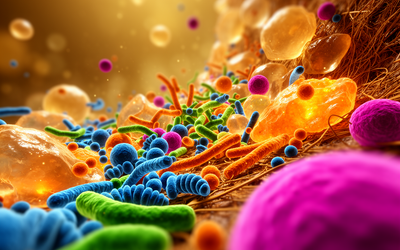
Think of the center aisles of the grocery store: packaged snacks, ready-to-eat meals, and mass-produced baked goods. These foods often contain artificial emulsifiers, preservatives, and synthetic additives. Emerging research shows that these chemicals can disrupt the delicate balance of our gut microbiome. Since roughly 70% of your immune system resides in your gut, an unhappy microbiome quickly leads to systemic inflammation.
3. Excess Omega-6 Fatty Acids
Omega-6 fatty acids are essential—we need them to survive. However, the modern Western diet contains a massive excess of them, primarily through highly refined seed oils (like corn, soybean, and sunflower oils) used in fast food and packaged snacks.
Historically, humans ate a ratio of Omega-6 to Omega-3 fatty acids of about 1:1. Today, that ratio is closer to 15:1 or even 20:1. When Omega-6s vastly outnumber Omega-3s, the body uses them to create pro-inflammatory chemicals.
4. Processed Meats
Meats that have been cured, salted, smoked, or preserved (like hot dogs, bacon, sausage, and deli meats) are consistently linked to higher markers of inflammation. They are high in saturated fats and AGEs, and the preservatives used in them can trigger an immune response in the gut.
Foods That Heal: The Anti-Inflammatory Superstars
Now for the fun part: the foods that actively calm your immune system, neutralize free radicals, and heal your body from the inside out. Building your diet around these whole, nutrient-dense foods is the most effective way to extinguish chronic inflammation.
1. Berries (The Antioxidant Powerhouses)
Blueberries, strawberries, raspberries, and blackberries are packed with antioxidants called anthocyanins—the compounds that give them their vibrant colors. Anthocyanins have been shown to reduce inflammation and boost immunity.
- The Goal: Aim for 1/2 cup of fresh or frozen berries daily. Toss them into oatmeal, blend them into smoothies, or eat them by the handful.
2. Fatty Fish (The Omega-3 Champions)
Remember that skewed Omega-6 to Omega-3 ratio? Fatty fish is the antidote. Salmon, mackerel, sardines, and trout are incredibly rich in EPA and DHA, two types of Omega-3 fatty acids that your body metabolizes into compounds called resolvins and protectins. These literally resolve inflammation.
- The Goal: Aim for 3 to 4 ounces of fatty fish twice a week. If you don't eat fish, consider an algae-based Omega-3 supplement.
3. Cruciferous and Dark Leafy Greens
Spinach, kale, Swiss chard, broccoli, Brussels sprouts, and cauliflower are nutritional giants. They are loaded with vitamins, minerals, and disease-fighting phytochemicals. Broccoli, for example, is rich in sulforaphane, an antioxidant that decreases inflammation by reducing your levels of cytokines.
- The Goal: Aim for at least 2 cups of raw greens or 1 cup of cooked greens daily.
4. Extra Virgin Olive Oil (Liquid Gold)
Extra virgin olive oil (EVOO) is a cornerstone of the Mediterranean diet, which is widely considered the most evidence-based anti-inflammatory diet on the planet. EVOO contains an antioxidant called oleocanthal. Fascinatingly, researchers have found that oleocanthal works in the exact same biochemical pathway as ibuprofen, reducing inflammation at a cellular level.
- The Goal: 1 to 2 tablespoons daily. Use it as a base for salad dressings or drizzle it over cooked vegetables just before serving to preserve its delicate compounds.
5. Nuts and Seeds
Almonds, walnuts, chia seeds, and flaxseeds are excellent sources of plant-based protein, dietary fiber, and healthy fats. Walnuts, chia, and flax are particularly high in ALA, a plant-based Omega-3 fatty acid. Furthermore, the fiber in these foods feeds the beneficial bacteria in your gut, which in turn produce short-chain fatty acids (like butyrate) that actively lower gut inflammation.
- The Goal: 1 ounce (about a small handful or two tablespoons) daily.
6. Spices: Turmeric and Ginger
Turmeric contains curcumin, a powerful anti-inflammatory compound that has been shown to be effective in managing conditions like arthritis and metabolic syndrome. Ginger contains gingerol, which acts similarly to calm immune overactivity.
- The Goal: Use generously in cooking. Pro-tip: Always pair turmeric with a pinch of black pepper; the piperine in black pepper increases the absorption of curcumin by up to 2,000%.
Building an Anti-Inflammatory Plate
You do not need to follow a rigid meal plan to eat an anti-inflammatory diet. Instead, think of it as a framework based on the Mediterranean style of eating. When you picture your dinner plate, try to visualize this balance:
- Half of the plate: Colorful, non-starchy vegetables (greens, peppers, broccoli, carrots). The more colors, the wider the variety of antioxidants.
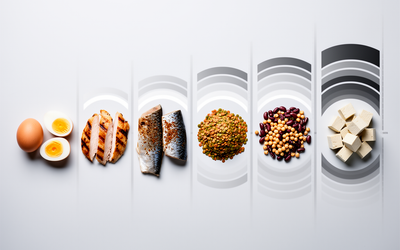
- One-quarter of the plate: High-quality, lean protein (wild-caught fish, poultry, tofu, beans, or lentils).
- One-quarter of the plate: Complex, fiber-rich carbohydrates (quinoa, sweet potatoes, brown rice, or oats).
- The Finishing Touch: A source of healthy fat, like a drizzle of olive oil, a sprinkle of seeds, or a slice of avocado.
Simple, Everyday Food Swaps
Transitioning to an anti-inflammatory diet doesn't mean throwing out everything in your pantry. It is about making gentle, sustainable upgrades. Try these easy swaps:
- Instead of white rice: Try quinoa, farro, or brown rice for a massive fiber boost.
- Instead of store-bought salad dressing: Whisk together extra virgin olive oil, fresh lemon juice, Dijon mustard, and a pinch of salt. (Store-bought dressings often hide inflammatory seed oils and added sugars).
- Instead of a sugary afternoon granola bar: Have an apple sliced with a tablespoon of almond butter, or a handful of roasted pumpkin seeds.
- Instead of soda: Pour sparkling water over ice and add a splash of 100% tart cherry juice and a squeeze of lime.
- Instead of flavored, sugary yogurts: Buy plain, unsweetened Greek yogurt and stir in your own fresh berries and a drizzle of honey.
A Day of Anti-Inflammatory Eating
What does this look like in real life? Here is a sample menu to show you how delicious and accessible healing foods can be:
Breakfast: Omega-Boost Oatmeal
Cook half a cup of rolled oats. Stir in 1 tablespoon of ground flaxseed, a pinch of cinnamon, and half a cup of frozen wild blueberries (they thaw beautifully in the warm oatmeal). Top with a small handful of crushed walnuts.
Lunch: Mediterranean Salmon Salad
Start with a large bed of mixed dark greens (spinach and arugula). Top with half a cup of chickpeas, cherry tomatoes, cucumbers, and one can of wild-caught salmon (bone-in for extra calcium). Dress with 1 tablespoon of extra virgin olive oil and fresh lemon juice.
Afternoon Snack
A piece of fresh fruit (like an orange or a pear) and a small handful of unsalted almonds, or half a cup of edamame sprinkled with sea salt.
Dinner: Turmeric Chicken and Roasted Veggies
Bake a chicken breast rubbed with olive oil, turmeric, garlic powder, and black pepper. Serve alongside sweet potato wedges and broccoli florets roasted in olive oil.
Beyond the Plate: A Holistic Approach
While food is foundational, it is important to remember that inflammation is influenced by your whole lifestyle. Chronic stress floods your body with cortisol, which promotes inflammation. A lack of sleep prevents your body from performing vital cellular repair. Moving your body regularly, prioritizing 7-8 hours of sleep, and finding ways to manage stress (whether through walking, reading, or deep breathing) are just as crucial as the food on your plate.
The Practical Takeaway
Transitioning to an anti-inflammatory diet is not an all-or-nothing endeavor. It is not a diet you "go on" and eventually "fall off." It is a lifelong shift in how you nourish your cells.
If you find yourself overwhelmed, start with just one thing. Tomorrow morning, add a handful of berries to your breakfast. Next week, try swapping out one meat-heavy dinner for a piece of roasted salmon.
Every single time you choose a whole, colorful, fiber-rich food, you are sending a message of safety and healing to your immune system. Focus on progress, not perfection, and let your plate be a source of nourishment, joy, and profound healing.