The Anti-Inflammatory Plate: A No-Stress Guide to Foods That Heal
Discover how to calm chronic inflammation without restrictive diets. Learn the science behind foods that heal versus foods that harm, and get practical tips, easy swaps, and delicious meal ideas to build a vibrant, anti-inflammatory plate today.

If you have ever typed "what should I eat" into a search engine, you have probably been hit with a tidal wave of conflicting advice. One day, a certain food is hailed as a superfood; the next, it is the villain. It is enough to make anyone want to throw their hands up and order takeout.
But if we strip away the fads, the extreme cleanses, and the diet culture noise, a clear, science-backed theme emerges in the world of nutrition: chronic inflammation is the root of many modern health struggles, and what we put on our plates plays a massive role in either stoking that fire or putting it out.
As a nutrition professional, my goal is not to give you a restrictive list of "forbidden" foods. Instead, I want to empower you with an understanding of how food interacts with your body's immune system. Let us explore the science of inflammation, identify the foods that trigger it, celebrate the foods that calm it, and build an anti-inflammatory plate that is delicious, practical, and entirely stress-free.
What Exactly Is Inflammation?
Before we talk about food, we need to understand what inflammation actually is. Inflammation is not inherently bad. In fact, acute inflammation is a lifesaver. When you cut your finger or catch a cold, your immune system dispatches an army of white blood cells to protect the area, clear out the damage, and initiate healing. That redness, swelling, and heat? That is acute inflammation doing its job. Once the threat is gone, the inflammation subsides.
However, the problem arises when this immune response never gets the signal to shut off. This is known as chronic, low-grade inflammation. It is a slow, smoldering fire inside the body that can go unnoticed for years. Over time, this constant state of high alert damages healthy cells, tissues, and organs.
Research has linked chronic inflammation to nearly every major chronic disease, including heart disease, type 2 diabetes, Alzheimer's, arthritis, and certain types of cancer. The good news? Your daily food choices are some of the most powerful tools you have to turn down the dial on chronic inflammation.
Foods That Harm: The Inflammatory Instigators
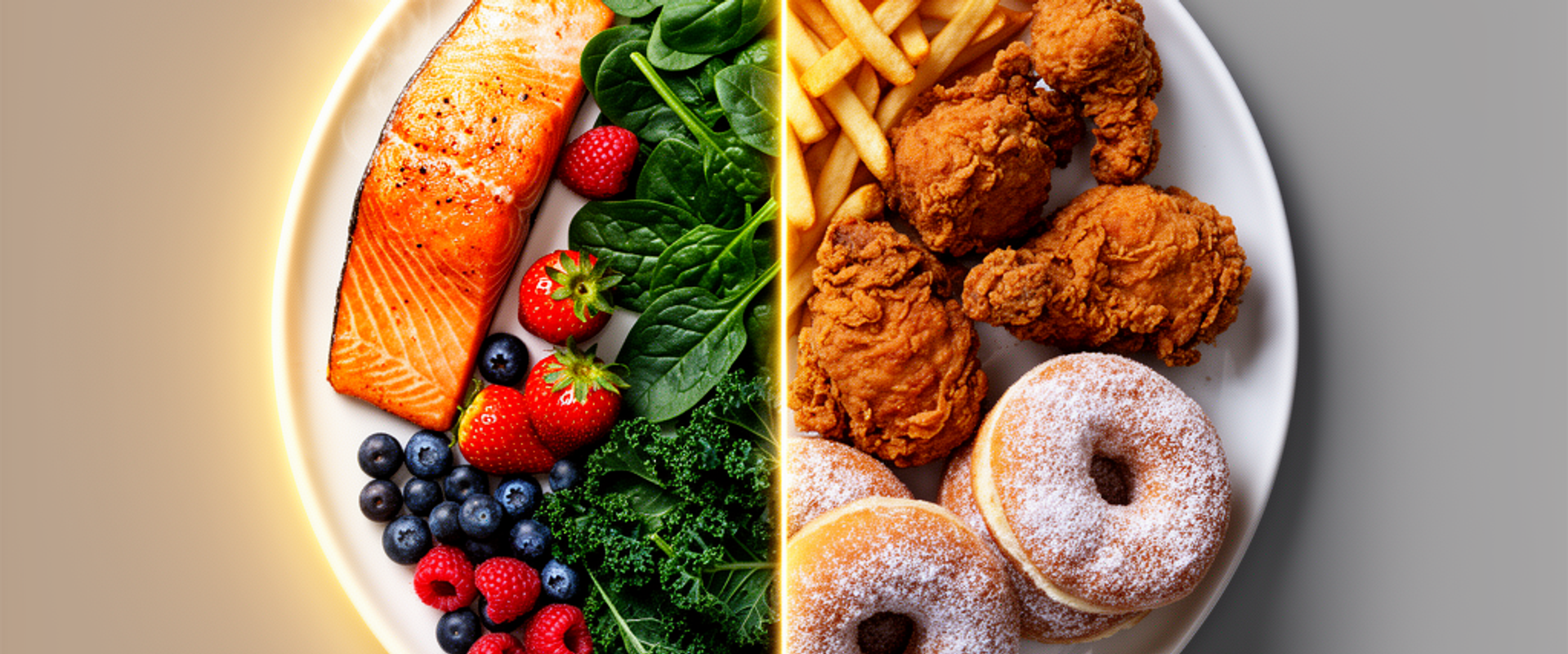
When we talk about foods that "harm," it is vital to avoid food shaming or moralizing. Eating a donut does not make you a bad person, and it will not instantly ruin your health. The goal is to look at your overall dietary pattern. A diet consistently high in the following foods can trigger an inflammatory cascade.
1. Ultra-Processed Foods and Added Sugars
Foods that come in crinkly packages with long lists of unpronounceable ingredients are often heavily processed. These foods, along with excessive added sugars (like those found in sodas, energy drinks, and commercial baked goods), cause rapid spikes in blood sugar.
When blood sugar spikes, the pancreas pumps out insulin. Consistently high insulin levels can trigger the release of pro-inflammatory messengers called cytokines. Furthermore, excess sugar that the body cannot process binds to proteins and fats, creating harmful compounds called Advanced Glycation End products (AGEs), which directly fuel inflammation.
2. Refined Carbohydrates
Think white bread, white rice, and traditional pasta. The refining process strips away the fiber, vitamins, and minerals, leaving behind a simple starch that acts very much like pure sugar in your bloodstream. Without fiber to slow down digestion, these foods cause the same inflammatory blood sugar roller coaster as a candy bar.
3. Processed Meats
Bacon, hot dogs, sausage, and deli meats are often preserved with nitrates and nitrites. While delicious in moderation, high consumption of these meats is linked to increased levels of C-reactive protein (CRP), a primary marker of inflammation in the blood. The high-heat cooking methods often used for these meats (like frying or grilling) also produce high levels of those inflammatory AGEs we mentioned earlier.
4. An Imbalance of Dietary Fats
While trans fats (partially hydrogenated oils) are largely banned because they are highly inflammatory, another issue is the imbalance of Omega-6 to Omega-3 fatty acids. Omega-6 fats, found in inexpensive vegetable oils like soybean, corn, and sunflower oil, are not inherently bad—we need them! But the modern diet is overwhelmingly heavy in Omega-6s and deficient in Omega-3s. This skewed ratio promotes an inflammatory environment in the body.
Foods That Heal: The Anti-Inflammatory Powerhouses
Now for the fun part: what to add to your plate. An anti-inflammatory diet is a diet of abundance. It is about flooding your body with antioxidants, vitamins, minerals, and healthy fats that neutralize free radicals and soothe the immune system.
1. Vibrant Berries and Fruits
Blueberries, strawberries, raspberries, and blackberries are packed with anthocyanins—the compounds that give them their rich, dark colors. Anthocyanins are potent antioxidants that have been shown to reduce inflammation and boost immunity. Portion Tip: Aim for 1/2 to 1 cup of berries daily. Fresh or frozen both work perfectly!
2. Cruciferous Vegetables
Broccoli, cauliflower, Brussels sprouts, and kale belong to the cruciferous family. They are rich in a compound called sulforaphane, which research shows can decrease inflammation by reducing levels of cytokines. Portion Tip: Try to include 1 to 2 cups of these mighty veggies in your daily meals.
3. Fatty Fish
Salmon, sardines, mackerel, and trout are the undisputed champions of Omega-3 fatty acids, specifically EPA and DHA. These fats actually disrupt the inflammation process before it begins and help resolve existing inflammation. Portion Tip: Aim for two 4-ounce servings of fatty fish per week. If you are plant-based, an algae oil supplement is an excellent alternative.
4. Nuts, Seeds, and Extra Virgin Olive Oil
Walnuts, chia seeds, and flaxseeds offer plant-based Omega-3s (ALA). Meanwhile, Extra Virgin Olive Oil (EVOO) contains a compound called oleocanthal, which has been shown to have similar anti-inflammatory effects as ibuprofen. Portion Tip: A handful (about 1/4 cup) of nuts or 1-2 tablespoons of seeds daily. Use 1-2 tablespoons of EVOO for cooking at low-to-medium heat or as a salad dressing.
5. Herbs and Spices
Spices are concentrated sources of antioxidants. Turmeric contains curcumin, a heavily researched anti-inflammatory compound. Ginger, cinnamon, and garlic also possess strong anti-inflammatory properties. Actionable Tip: Curcumin is poorly absorbed on its own. Always pair turmeric with a pinch of black pepper, which increases its absorption by up to 2,000%!
The Art of the Swap: Practical Changes for Everyday Life
Transitioning to an anti-inflammatory way of eating does not require a complete kitchen overhaul. Small, consistent swaps make the biggest difference over time. Try these simple trades:
- Instead of: A 20oz sugary soda (Inflammatory trigger)
- Swap for: Sparkling water with a splash of 100% pomegranate juice and a squeeze of lime (Antioxidant boost).
- Instead of: White flour tortillas or white rice
- Swap for: Corn tortillas, quinoa, or brown rice. The added fiber feeds the good bacteria in your gut, which in turn produce short-chain fatty acids that lower systemic inflammation.
- Instead of: Mayonnaise on your sandwich
- Swap for: Mashed avocado. You trade processed oils for heart-healthy monounsaturated fats and fiber.
- Instead of: Sugary, highly processed breakfast cereal
- Swap for: Rolled oats topped with walnuts, chia seeds, and berries.
Building Your Anti-Inflammatory Plate
Visualizing your plate is one of the easiest ways to ensure you are getting the right balance of nutrients without counting calories or tracking macros. Here is a simple blueprint for your main meals:
- Half the plate: Colorful vegetables and leafy greens. The more colors, the wider the variety of antioxidants.
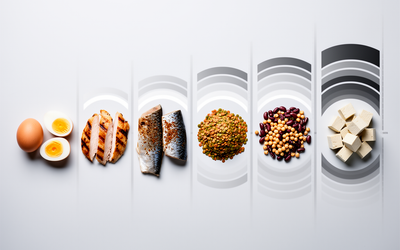
- One-quarter of the plate: High-quality protein. Think wild-caught fish, poultry, tofu, beans, or lentils.
- One-quarter of the plate: Complex, fiber-rich carbohydrates. Sweet potatoes, quinoa, oats, or brown rice.
- The "Thumb" Rule for Fats: Add a thumb-sized portion of healthy fats, such as a drizzle of olive oil, a sprinkle of seeds, or a slice of avocado.
Actionable Meal Ideas You Can Use Today
To prove that anti-inflammatory eating is both accessible and delicious, here is a full day of meal ideas that you can easily put together.
Breakfast: Golden Gut-Healing Oats
- The Meal: 1/2 cup of rolled oats cooked in almond milk or water. Stir in 1/2 teaspoon of ground turmeric, a pinch of black pepper, and a dash of cinnamon. Top with 1/2 cup of wild blueberries (frozen is incredibly budget-friendly) and 1 tablespoon of ground flaxseed.
- The Why: Fiber from the oats and flaxseed feeds your gut microbiome. Turmeric provides curcumin, and blueberries offer a massive dose of anthocyanins.
Lunch: Mediterranean Chickpea Crunch Salad
- The Meal: 2 cups of mixed dark leafy greens (like spinach and arugula). Top with 1/2 cup of rinsed canned chickpeas, 1/4 cup chopped cucumber, 1/4 cup cherry tomatoes, and a tablespoon of pumpkin seeds. Dress with 1 tablespoon of Extra Virgin Olive Oil and a squeeze of fresh lemon juice.
- The Why: Chickpeas provide plant protein and resistant starch. The greens and veggies offer vitamins, while the EVOO delivers powerful anti-inflammatory oleocanthal.
Dinner: Sheet Pan Salmon and Rainbow Veggies
- The Meal: A 4-ounce filet of wild-caught salmon, surrounded by 1 cup of broccoli florets and 1/2 cup of diced sweet potatoes. Toss the veggies in a little olive oil, garlic powder, and a pinch of salt. Roast at 400°F (200°C) for 15-20 minutes until the salmon is flaky and veggies are tender.
- The Why: Salmon delivers crucial EPA and DHA Omega-3s. Broccoli provides sulforaphane, and sweet potatoes offer beta-carotene, a precursor to vitamin A which supports immune regulation.
Snack: The Perfect Pairing
- The Meal: A small apple sliced and served with 10-12 walnut halves.
- The Why: The apple provides pectin (a soothing soluble fiber), while walnuts are the only tree nut that provides a significant source of plant-based Omega-3s.
Beyond the Plate: A Holistic View
While food is a profound lever for managing inflammation, it does not exist in a vacuum. A truly anti-inflammatory lifestyle also respects the roles of sleep, movement, and stress.
Chronic psychological stress elevates cortisol levels, which over time increases inflammation. Similarly, getting less than 7 hours of sleep per night has been shown to elevate inflammatory markers like CRP. Think of nutrition as the foundation of your house, but sleep and stress management as the walls and the roof. They all work together to keep you protected.
Your Practical Takeaway
Navigating nutrition advice doesn't have to feel like a full-time job. You do not need to banish your favorite foods forever or force yourself to drink bitter detox teas. Healing chronic inflammation is about consistency, not perfection.
Your challenge for today: Do not focus on what you need to cut out. Instead, focus on what you can add in. Can you add a handful of spinach to your morning eggs? Can you swap your afternoon chips for an apple and walnuts? Can you sprinkle a little cinnamon in your coffee?
By consistently choosing foods that heal—colorful plants, healthy fats, and quality proteins—you will naturally crowd out the foods that harm, building a vibrant, resilient, and anti-inflammatory body one delicious bite at a time.