The Mighty Micro-Pantry: How Nuts and Seeds Pack a Massive Nutritional Punch
Overwhelmed by nutrition advice? Discover how a handful of nuts and seeds can transform your health. Learn evidence-based benefits and simple, daily ways to add these tiny, nutrient-dense powerhouses to your meals without overhauling your diet.

If you are trying to eat better, you have probably noticed that nutrition advice can feel like a full-time job. One day a food is a "superfood;" the next, somebody on the internet is telling you to avoid it completely. The constant whiplash is enough to make anyone want to throw their hands in the air and just order takeout.
But what if improving your nutrition didn't require a massive dietary overhaul, restrictive rules, or a degree in biochemistry? What if you could significantly boost your health just by adding a few simple, whole foods to the meals you already enjoy?
Enter the micro-pantry: nuts and seeds.
These tiny, unassuming foods are nutritional powerhouses. They are packed with healthy fats, fiber, plant-based protein, and essential micronutrients. Instead of focusing on what to cut out of your diet—a hallmark of exhausting diet culture—focusing on adding nuts and seeds is an empowering, evidence-based way to nourish your body.
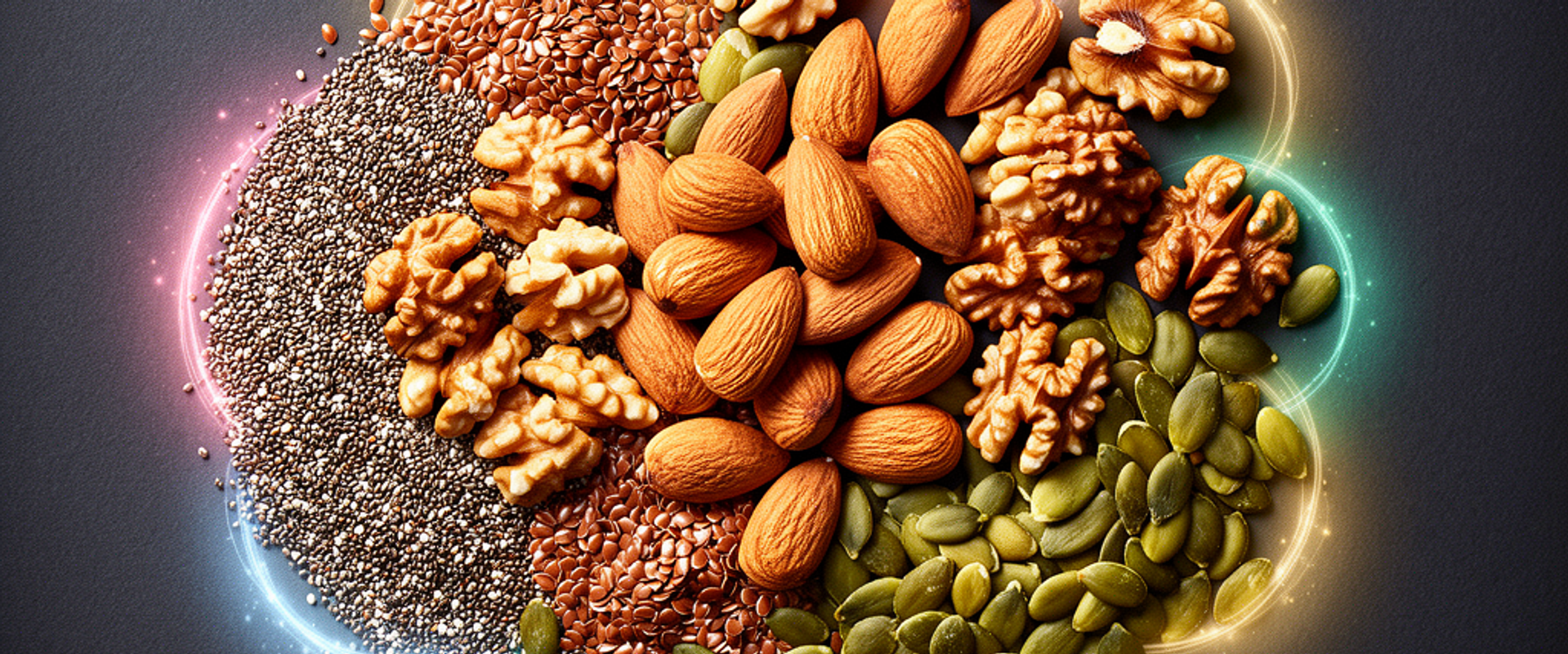
Let's break down the unique benefits of chia, flax, hemp, pumpkin, and sunflower seeds, alongside almonds, walnuts, and Brazil nuts. We will look at the science behind why they are so good for you, the best ones for your specific health goals, and, most importantly, how to easily incorporate them into your daily routine.
The Super Seeds: Tiny but Mighty
Seeds are essentially plant embryos; they contain all the necessary nutrients to grow into a complex plant. It is no wonder they are so dense with vitamins, minerals, and healthy fats.
Chia Seeds: The Hydration and Digestion Heroes
Chia seeds are famous for their ability to absorb up to 12 times their weight in liquid, forming a gel-like consistency. This unique property comes from their high soluble fiber content.
The Science: A 2-tablespoon serving of chia seeds provides about 11 grams of fiber. Soluble fiber feeds the beneficial bacteria in your gut and helps slow down digestion, which keeps your blood sugar stable and helps you feel comfortably full and energized for longer. They are also a fantastic source of plant-based Omega-3 fatty acids (alpha-linolenic acid, or ALA), which support cardiovascular health.
Portion Size: 1 to 2 tablespoons per day.
Flaxseeds: The Hormone and Heart Helpers
Like chia, flaxseeds are rich in ALA Omega-3s and fiber. However, flaxseeds stand out because they are the number one dietary source of lignans—a type of phytoestrogen and antioxidant. Research suggests lignans may help balance hormones and provide protective benefits for heart health.
The Science: To get the benefits of flaxseeds, they must be ground. Whole flaxseeds have a hard outer shell that our digestive enzymes cannot break down, meaning they will pass right through you intact.
Portion Size: 1 to 2 tablespoons of ground flaxseed per day.
Hemp Hearts: The Muscle Builders
Hemp seeds (often sold shelled as "hemp hearts") are uniquely high in protein. In fact, they are one of the few plant foods considered a "complete protein," meaning they contain all nine essential amino acids that your body cannot produce on its own.
The Science: Just 3 tablespoons of hemp hearts offer about 10 grams of highly digestible plant protein. They also contain a healthy ratio of Omega-3 to Omega-6 fatty acids, plus gamma-linolenic acid (GLA), which has been linked to reduced inflammation in the body.
Portion Size: 2 to 3 tablespoons per day.
Pumpkin Seeds (Pepitas): The Mood and Immunity Boosters
Pumpkin seeds are incredibly rich in two vital minerals that many adults do not get enough of: magnesium and zinc.
The Science: Magnesium is involved in over 600 chemical reactions in your body. It helps regulate blood pressure, supports muscle function, and promotes relaxation and better sleep. Zinc is crucial for a robust immune system and healthy skin.
Portion Size: 1/4 cup (about 1 ounce) per day.
Sunflower Seeds: The Antioxidant Powerhouses
Often overlooked, sunflower seeds are one of the most accessible and affordable seeds available. They are an outstanding source of Vitamin E.
The Science: Vitamin E is a fat-soluble antioxidant that protects your body's cells from oxidative damage. It is particularly beneficial for maintaining healthy skin and supporting immune function. Sunflower seeds are also rich in selenium and B vitamins.
Portion Size: 1/4 cup (about 1 ounce) per day.
The Heavy Hitters: Nutrient-Dense Nuts
Tree nuts have been a staple of human diets for millennia. They are deeply satisfying, crunchy, and packed with heart-healthy monounsaturated and polyunsaturated fats.
Walnuts: The Brain Food
It is a fun coincidence that a walnut looks like a tiny brain, because they are exceptionally good for cognitive health.
The Science: Walnuts are the only tree nut that contains a significant amount of ALA Omega-3 fatty acids (about 2.5 grams per ounce). Studies have linked the regular consumption of walnuts to improved memory, concentration, and a lower risk of cognitive decline as we age. They are also rich in polyphenols, which fight oxidative stress and inflammation.
Portion Size: 1 ounce (about 14 walnut halves) per day.
Almonds: The Blood Sugar Balancers
Almonds are a fantastic everyday nut. They are high in protein, fiber, and healthy monounsaturated fats (the same type of fat found in olive oil).
The Science: Research shows that pairing almonds with carbohydrate-rich foods can help blunt the subsequent blood sugar spike. This makes them a perfect pairing for fruit or oatmeal. They are also an excellent source of calcium and Vitamin E.
Portion Size: 1 ounce (about 23 almonds) per day.
Brazil Nuts: The Thyroid Protectors
Brazil nuts are unique because they are less of a snack and more of a daily supplement. They are the single richest food source of selenium on the planet.
The Science: Selenium is a trace mineral that is absolutely essential for the proper functioning of your thyroid gland, which regulates your metabolism. It also acts as a powerful antioxidant. However, because Brazil nuts are so incredibly high in selenium, more is not better. Consuming too many can lead to selenium toxicity.
Portion Size: Just 1 to 2 nuts per day is all you need to meet your selenium requirements.
Matching Nuts and Seeds to Your Health Goals
Not sure where to start? Here is a quick cheat sheet to help you choose which nuts and seeds to prioritize based on how you want to support your body:
- Goal: Better Digestion and Regularity.
- Choose: Chia seeds and ground flaxseeds. Their high soluble fiber content acts like a gentle broom for your digestive tract.
- Goal: Muscle Repair and Satiety (Staying Full).
- Choose: Hemp hearts and almonds. Their higher protein and fat content provide sustained energy and help rebuild tissue after exercise.
- Goal: Better Sleep and Relaxation.
- Choose: Pumpkin seeds. The magnesium acts as a natural relaxant for your nervous system and muscles.
- Goal: Brain Health and Focus.
- Choose: Walnuts. The Omega-3s and polyphenols support neuroplasticity and reduce brain inflammation.
- Goal: Thyroid Support.
- Choose: Brazil nuts. Just one a day provides all the selenium your thyroid needs to produce active hormones.
Practical Ways to Incorporate Them Every Day
The beauty of nuts and seeds is that they require zero cooking. You don't need to follow complicated recipes to get their benefits; you just need to sprinkle, blend, or stir them into foods you already eat.
Here are some actionable, delicious ways to add them to your daily routine:
1. Make an "Everyday Power Sprinkle"
Instead of opening five different bags every morning, make a custom seed blend. In a glass jar, mix equal parts chia seeds, ground flaxseeds, and hemp hearts. Keep the jar in your fridge.
- How to use it: Add 2 tablespoons of this mix daily to your morning oatmeal, yogurt, cereal, or smoothie. You will instantly add about 6 grams of fiber, a dose of complete protein, and a massive hit of Omega-3s to your breakfast.
2. Upgrade Your Smoothies
Smoothies are a great vehicle for hidden nutrients.
- The Swap: Instead of relying solely on protein powders, toss in a tablespoon of almond butter, a tablespoon of chia seeds, and a handful of walnuts. The healthy fats will help your body absorb the fat-soluble vitamins (like Vitamins A and K) from any spinach or berries you put in the blender.
3. The Salad Crunch Factor
Many people rely on croutons for texture in salads, but seeds offer a much more nutrient-dense crunch.
- The Swap: Toast a handful of pumpkin seeds (pepitas) and sunflower seeds in a dry skillet for 2-3 minutes until fragrant. Toss them over your greens. They pair beautifully with a simple olive oil and lemon vinaigrette.
4. Smarter Snacking
If you find yourself hitting a wall at 3:00 PM, a carbohydrate alone (like an apple or a cracker) will cause a quick blood sugar spike and crash.
- The Swap: Pair your apple slices with 2 tablespoons of almond butter and a sprinkle of hemp hearts. The combination of fiber from the apple and the fat/protein from the nuts and seeds provides a steady, slow release of energy to get you through the afternoon.
5. Baking Boosts
If you enjoy making muffins, pancakes, or quick breads, seeds are a seamless addition.
- How to use it: Fold 1/4 cup of ground flaxseed or chia seeds into your pancake batter or banana bread dough. It adds a slightly nutty flavor and a huge nutritional boost without changing the texture of your baked goods.
A Quick Note on Storage
Because nuts and seeds are so rich in healthy polyunsaturated fats, they are susceptible to oxidation (going rancid) when exposed to heat, light, and air. A rancid nut tastes bitter and loses its nutritional benefits.
Actionable Tip: Keep your daily use nuts and seeds in airtight glass jars or sealed bags in the refrigerator. If you buy them in bulk, store the excess in the freezer. They will last for up to a year in the freezer without losing their crunch or nutritional integrity.
The Practical Takeaway
Nutrition does not have to be an all-or-nothing endeavor. You do not need to empty your pantry and start from scratch. True, sustainable health is built on small, consistent habits.
If you are feeling overwhelmed, start incredibly small. You don't need to go buy all eight of the nuts and seeds mentioned in this article today.
Your goal for this week: Pick just one nut or seed that aligns with your health goals. Maybe it is buying a bag of chia seeds to stir into your morning yogurt, or committing to eating one Brazil nut a day for your thyroid, or swapping your afternoon chips for a handful of almonds.
By focusing on adding these tiny, nutrient-dense foods to your plate, you are taking a simple, science-backed step toward better health—no extreme dieting required.