The Stress-Free Seasonal Eating Guide: What's Freshest and Cheapest Each Month
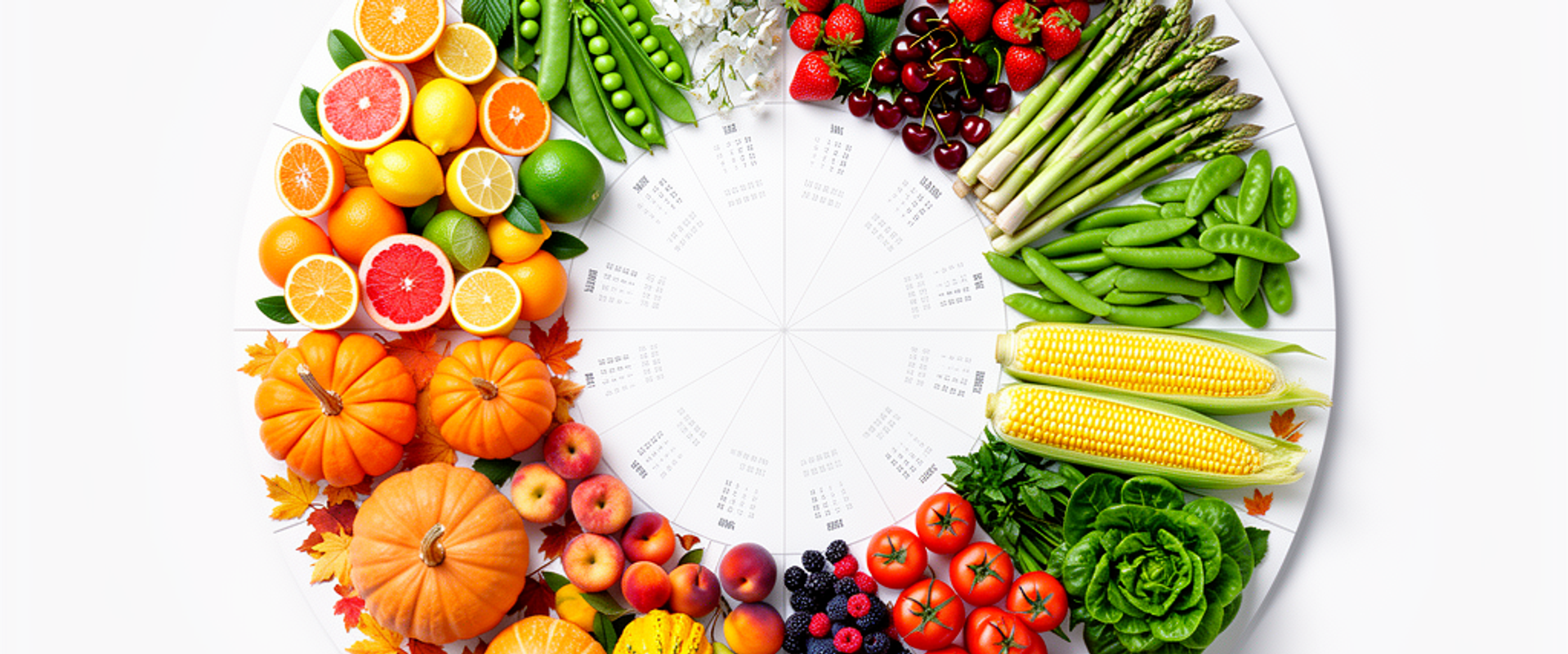
Discover how eating with the seasons can save you money, boost your nutrient intake, and simplify your grocery shopping. This month-by-month guide breaks down the freshest produce and how to enjoy it.

The Overwhelm of the Produce Aisle
If you have ever stood in the produce section, staring at a $7 pint of sad, out-of-season strawberries and wondering what you are "supposed" to be eating, you are not alone. With endless and often conflicting nutrition advice available at our fingertips, simply trying to eat a nourishing meal can feel like a heavy chore.
But what if we let nature make the decisions for us?
Seasonal eating is one of the most evidence-based, stress-free ways to approach nutrition. When you buy produce that is in season, you are getting food that was harvested at its peak. This means two incredible things for you: it is significantly cheaper because there is an abundance of it, and it is more nutritious.
Research shows that fruits and vegetables begin losing nutrients the moment they are picked. For example, a study published in the Journal of the Science of Food and Agriculture found that vegetables can lose up to half of their vitamin C and folate content within a week of harvest if transported over long distances. Seasonal eating means shorter transit times, meaning those vital nutrients actually make it to your plate.
Let's break down the year month by month, focusing on what is freshest, what is easiest on your wallet, and how you can turn these seasonal stars into satisfying, delicious meals without a side of diet-culture guilt.
Winter: December, January, February
Winter is often associated with a lack of fresh produce, but it is actually a time for some of the most vibrant, nutrient-dense foods available. Nature brilliantly provides exactly what we need during the colder months: complex carbohydrates for sustained energy and vitamin C for immune support.
What's in Season:
- December: Sweet potatoes, pomegranates, Brussels sprouts, winter squash (like butternut and acorn).
- January: Citrus fruits (oranges, grapefruits, mandarins), kale, leeks, turnips.
- February: Cauliflower, rutabaga, cabbage, Meyer lemons.
The Nutrition Science:
Citrus fruits are famous for vitamin C, but winter greens like kale and Brussels sprouts are actually unsung heroes of this immune-supporting antioxidant. A standard 1-cup serving of raw kale provides over 20% of your daily vitamin C needs, plus a healthy dose of vitamin K, which is essential for bone health. Root vegetables like sweet potatoes are rich in beta-carotene (which your body converts to vitamin A) and provide gentle, satisfying complex carbohydrates that keep your blood sugar stable.
Actionable Tip & Food Swap:
Instead of buying expensive, flavorless blueberries in January, swap them out for juicy mandarin oranges or pomegranate arils in your morning oatmeal or yogurt.
Meal Idea: Winter Citrus & Massaged Kale Salad
Kale can be tough, but "massaging" it breaks down its fibrous texture, making it sweet and tender.
- Remove the stems from a large bunch of kale and chop the leaves.
- Drizzle with 1 tablespoon of olive oil and a pinch of salt, then literally massage the leaves with your hands for 2-3 minutes until they shrink and darken.
- Top with 1 sliced orange or grapefruit, a handful of pomegranate arils, and 1/4 cup of toasted walnuts or pumpkin seeds for satisfying fats and crunch.
- Toss with a simple vinaigrette made of olive oil, lemon juice, and a touch of maple syrup.
Spring: March, April, May
Spring is a season of transition. The heavy root vegetables begin to phase out, making way for tender, bright green shoots and the very first sweet berries of the year. Prices for greens plummet as farmers' markets begin to open back up.
What's in Season:
- March: Asparagus, radishes, spinach, mushrooms.
- April: Peas (snow peas, sugar snap peas), artichokes, spring onions, arugula.
- May: Strawberries, rhubarb, apricots, Swiss chard.
The Nutrition Science:
Spring greens are packed with folate, a B-vitamin crucial for cell division and DNA synthesis. This is also the time when strawberries hit their peak. Strawberries are rich in anthocyanins, the antioxidant compounds that give them their bright red color. Studies link anthocyanin consumption to improved cardiovascular health and reduced inflammation. A 1-cup serving of whole strawberries is a perfect, fiber-rich addition to your day.
Actionable Tip & Food Swap:
If you usually rely on bagged iceberg lettuce year-round, spring is the perfect time to experiment with peppery arugula or tender spring spinach. They offer significantly more vitamins A and K per cup. When cooking spring vegetables like asparagus or peas, blanch them quickly (boil for 2 minutes, then plunge into ice water) to preserve their water-soluble vitamins and bright green color.
Meal Idea: Lemon-Dill Asparagus and Pea Quinoa
This makes a fantastic, energizing lunch or a quick dinner side.
- Cook 1 cup of dry quinoa according to package directions.
- In a skillet, lightly sauté 1 bunch of chopped asparagus and 1 cup of fresh or frozen peas in olive oil for 3-4 minutes until just tender.
- Mix the veggies into the cooked quinoa.
- Stir in the zest and juice of one lemon, 2 tablespoons of fresh chopped dill, and 1/4 cup of crumbled feta cheese. The vitamin C from the lemon will actually help your body absorb the plant-based iron found in the quinoa and spinach!
Summer: June, July, August
Summer is the easiest time to eat seasonally because the produce is incredibly abundant, cheap, and hydrating. Because we sweat more in the summer, nature provides fruits and vegetables that have exceptionally high water content.
What's in Season:
- June: Blueberries, zucchini, cherries, cucumbers.
- July: Tomatoes, watermelon, peaches, green beans, sweet corn.
- August: Bell peppers, eggplant, blackberries, cantaloupe, summer squash.
The Nutrition Science:
Tomatoes and watermelon are rich in lycopene, a powerful antioxidant known to protect the skin from sun damage from the inside out (though you still need sunscreen!). Interestingly, food science shows that cooking tomatoes actually increases the bioavailability of lycopene. Pairing them with a healthy fat, like olive oil, allows your body to absorb these fat-soluble nutrients even better.
Actionable Tip & Food Swap:
Summer produce is prone to spoiling quickly due to the heat. Store tomatoes on the counter, not in the fridge, to prevent them from becoming mealy. Keep berries unwashed in the fridge until right before you eat them to prevent mold. If you have too much summer squash, grate it and freeze it in 1-cup portions to bake into muffins or stir into oatmeal later in the year.
Meal Idea: Blistered Tomato and Zucchini Basil Pasta
- Sauté 2 cups of whole cherry tomatoes in 2 tablespoons of olive oil over medium-high heat until they start to burst and release their juices (about 5-7 minutes).
- Add 1 diced medium zucchini and 2 cloves of minced garlic, cooking for another 3 minutes.
- Toss this rich, natural sauce with 2 cups of cooked pasta (try a chickpea or lentil pasta for an extra boost of fiber and protein).
- Finish with a generous handful of fresh torn basil and a sprinkle of parmesan cheese.
Fall: September, October, November
As the weather cools, our bodies naturally crave warmer, heartier foods. Fall brings a beautiful harvest of orchard fruits and robust vegetables that store well and provide deep, comforting flavors.
What's in Season:
- September: Apples, pears, eggplant, figs, grapes.
- October: Pumpkins, sweet potatoes, cauliflower, cranberries.
- November: Butternut squash, parsnips, collard greens, persimmons.
The Nutrition Science:
Apples and pears are fantastic sources of soluble fiber, particularly pectin. Pectin acts as a prebiotic, meaning it feeds the beneficial bacteria in your gut microbiome. A robust gut microbiome is linked to everything from improved digestion to better mood regulation. To get the most benefit, leave the skin on your apples and pears—that is where the majority of the fiber and antioxidants live. Aim for one medium apple or pear as a satisfying snack.
Actionable Tip & Food Swap:
Instead of reaching for pumpkin-flavored syrups that lack actual pumpkin, buy canned 100% pumpkin puree (which is incredibly cheap in the fall). Stir a couple of tablespoons into your morning oatmeal or a smoothie for a massive boost of vitamin A and natural autumn flavor.
Meal Idea: Sheet Pan Maple-Mustard Brussels Sprouts and Apples
Sheet pan meals are the ultimate stress-free dinner.
- Halve 2 cups of Brussels sprouts and chop 2 medium apples (like Honeycrisp or Gala) into chunks.
- Slice your favorite pre-cooked sausage (chicken and apple sausage works beautifully here).
- Toss everything on a baking sheet with 2 tablespoons of olive oil, 1 tablespoon of maple syrup, 1 tablespoon of Dijon mustard, salt, and pepper.
- Roast at 400°F (200°C) for 25-30 minutes until the sprouts are crispy and the apples are tender. This meal provides a perfect balance of protein, fiber-rich carbohydrates, and healthy fats.
How to Shop Seasonally on a Budget
Even when buying in-season, grocery shopping can feel expensive. Here are three practical ways to maximize your budget:
- Check the Frozen Aisle: Frozen fruits and vegetables are picked at peak ripeness and flash-frozen immediately. This locks in both their nutrients and their seasonal price. Frozen peas, berries, and spinach are often much cheaper than fresh and are just as nutritious.
- Look for "Ugly" Produce: Many grocery stores now offer discounted bins for produce that is slightly bruised or misshapen. A bell pepper with a strange bump tastes exactly the same and has the exact same nutrient profile as a perfectly symmetrical one.
- Buy Whole: Pre-chopped butternut squash or pre-washed kale comes with a steep "convenience tax." If you have the time and physical ability to do so, buying whole vegetables and spending 10 minutes prepping them at home will save you a significant amount of money each month.
Your Practical Takeaway
Nutrition doesn't have to be about rigid rules, superfood powders, or expensive out-of-season imports. Eating well can be as simple as looking at what is abundant in your local grocery store right now.
Your goal for this week: You don't need to overhaul your entire diet. The next time you go to the store, simply pick one fruit or vegetable from the seasonal lists above that you haven't had in a while. Find a simple way to prepare it, sit down, and enjoy the flavor of food that is exactly where it is supposed to be, exactly when it is supposed to be there. Your body, your tastebuds, and your grocery budget will thank you.