The Two-Way Street of Sleep and Nutrition: How to Eat for Better Rest
Discover how poor sleep hijacks your hunger hormones and drives cravings. Learn the science-backed foods that support deep, restful sleep and practical meal swaps you can use today to break the cycle.

We have all been there. You toss and turn all night, finally dragging yourself out of bed after hitting snooze three times. By 10:00 AM, you are not just tired; you are ravenous. Suddenly, the breakroom donuts look irresistible, your usual balanced lunch sounds terribly unappealing, and you find yourself craving a heavy, carbohydrate-rich dinner.
If you have ever blamed yourself for a "lack of willpower" on days like this, it is time to let yourself off the hook.
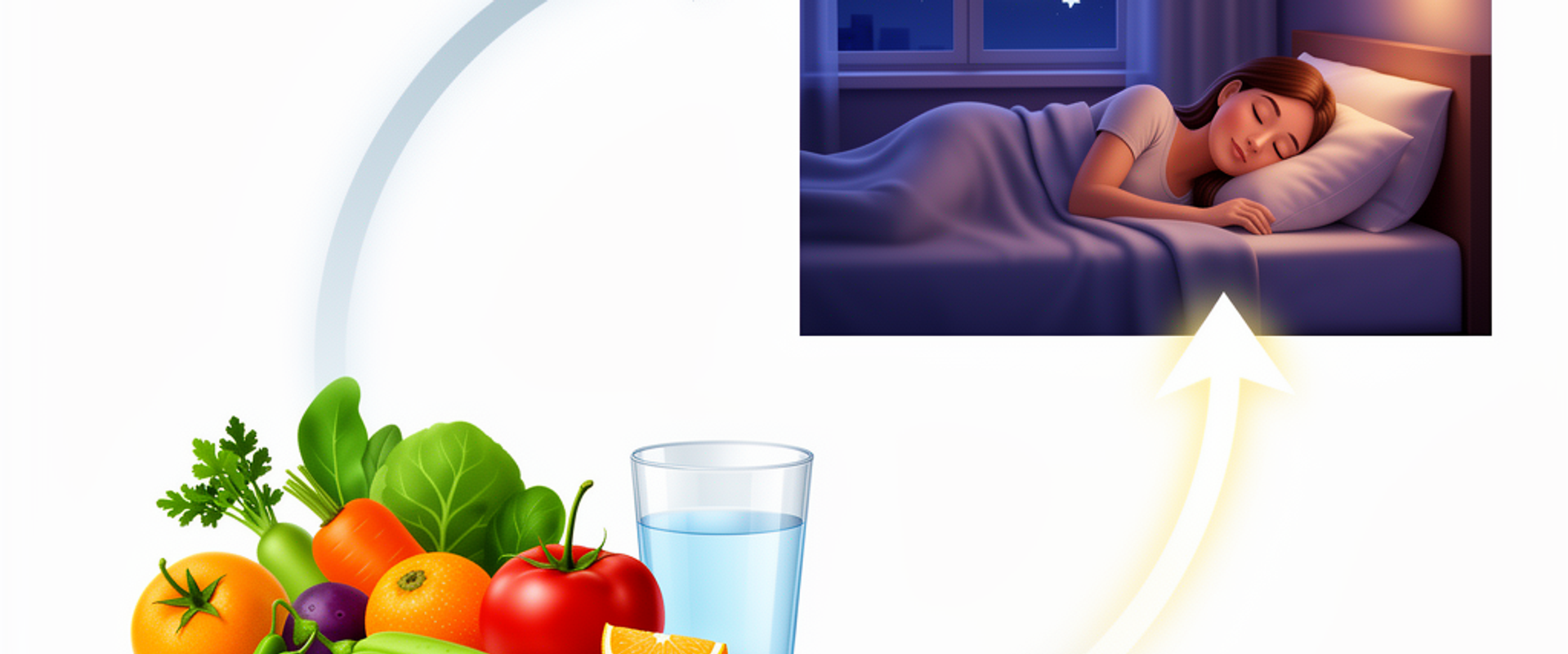
When we talk about nutrition, we often focus entirely on what is on our plates. But one of the most powerful drivers of our eating habits happens when our eyes are closed. Sleep and nutrition are locked in a continuous, bidirectional loop: how you sleep dictates how you eat, and what you eat profoundly impacts how you sleep.
If you are feeling overwhelmed by conflicting nutrition advice, focusing on the sleep-food connection is one of the most practical, compassionate, and effective ways to support your body. Let us break down the science of why this happens and look at actionable, specific ways to make this cycle work for you, rather than against you.
How Sleep Deprivation Hijacks Your Appetite
When you do not get enough quality sleep, your body perceives it as a stressor and an energy deficit. To fix this perceived deficit, your brain alters your hormone levels to ensure you seek out quick, dense sources of energy.
The Hunger Hormones: Ghrelin and Leptin
Two primary hormones regulate your appetite: ghrelin and leptin.
- Ghrelin is the "go" hormone. It signals to your brain that you are hungry.
- Leptin is the "stop" hormone. It signals that you are full and satisfied.
Research consistently shows that even a single night of poor sleep increases ghrelin levels and decreases leptin levels. In practical terms, your body is loudly demanding food while simultaneously turning down the volume on the signals that tell you to stop eating. Studies have shown that sleep-deprived individuals consume an average of 300 to 400 extra calories the next day, driven entirely by this hormonal shift.
The Endocannabinoid System and Cravings
Have you ever noticed that you never crave a crisp salad when you are exhausted? You want pastries, chips, or a heavy bowl of pasta. This is not a moral failing; it is biology.
Sleep deprivation activates the body's endocannabinoid system—the same system affected by the active ingredient in marijuana. This activation amplifies the pleasure you get from highly palatable, sweet, and salty foods. Furthermore, lack of sleep impairs the prefrontal cortex, the area of your brain responsible for complex decision-making and impulse control.
Your brain is chemically wired to seek out quick energy (sugar and simple carbohydrates) and your biological "brakes" are temporarily disabled. Understanding this is incredibly freeing: your cravings are a biological response to fatigue, not a character flaw.
How Your Eating Habits Sabotage Your Sleep
Just as poor sleep drives chaotic eating, certain eating habits can severely disrupt your sleep architecture—the natural progression through light, deep, and REM sleep.
The Blood Sugar Rollercoaster
Eating a large amount of simple sugars or refined carbohydrates right before bed can cause a rapid spike in your blood sugar, followed by a sharp crash. When your blood sugar crashes in the middle of the night, your body releases cortisol (the stress hormone) and adrenaline to bring it back up. This hormonal surge can pull you out of deep sleep or wake you up completely, often around 2:00 or 3:00 AM, leaving your heart racing.
The Heavy Meal Trap
Your digestive system has a circadian rhythm, just like your brain. While you sleep, your digestive tract is meant to rest and repair. Eating a heavy, high-fat, or overly spicy meal within two hours of bedtime forces your body to expend significant energy on digestion. This raises your core body temperature—which needs to drop by about one degree for you to fall asleep comfortably—and increases the risk of acid reflux when you lie down.
The Sneaky Half-Life of Caffeine
We all know coffee keeps us awake, but the duration of its effects is often underestimated. Caffeine has a half-life of roughly 5 to 6 hours. This means if you have a 12-ounce cup of coffee at 3:00 PM to survive the afternoon slump, half of that caffeine is still circulating in your brain at 8:00 PM or 9:00 PM. Even if you can fall asleep, caffeine reduces the amount of restorative deep sleep you get.
The Alcohol Illusion
Many people use a glass of wine to wind down. While alcohol is a central nervous system depressant that might help you fall asleep faster, it is notorious for destroying sleep quality. As your body metabolizes the alcohol, it creates a "rebound effect," suppressing REM sleep (the cognitive restoration phase) and causing fragmented, restless sleep in the second half of the night.
Foods That Support Deep, Restful Sleep
The good news is that you can actively use food to promote better sleep. Rather than focusing on what to restrict, let us look at what to add to your plate. Certain nutrients are the building blocks for sleep-promoting hormones like serotonin and melatonin.
Magnesium: The Relaxation Mineral
Magnesium plays a critical role in calming the central nervous system and regulating melatonin. It helps quiet the mind and relax the muscles. Unfortunately, many adults do not get enough magnesium through their standard diet.
- Where to find it: Leafy greens, nuts, and seeds.
- Practical addition: Add 1/4 cup of pumpkin seeds to your morning oatmeal or afternoon yogurt. Just this small portion provides nearly half of your daily magnesium requirement.
Tryptophan and Complex Carbohydrates
Tryptophan is an amino acid that your body uses to make serotonin, which is then converted into melatonin. However, tryptophan needs a little help crossing the blood-brain barrier. Consuming tryptophan alongside a small portion of complex carbohydrates causes an insulin release that clears other amino acids out of the bloodstream, giving tryptophan a clear path to the brain.
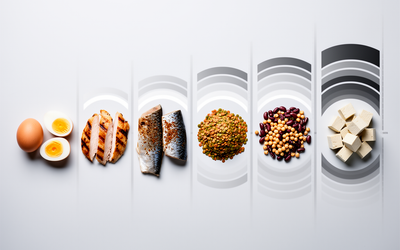
- Where to find it: Turkey, chicken, eggs, dairy, and oats.
- Practical addition: A small bowl (1/2 cup) of cooked rolled oats made with milk, topped with a handful of walnuts.
Tart Cherries
Tart cherries (specifically the Montmorency variety) are one of the few natural food sources of melatonin. Several studies have shown that consuming tart cherry juice can increase sleep duration and improve sleep efficiency.
- Practical addition: Drink 8 ounces of unsweetened tart cherry juice about an hour before bed.
Kiwifruit
In a fascinating study, adults who ate two kiwis one hour before bedtime fell asleep 42% faster and increased their total sleep time by 13%. Kiwis are rich in serotonin and antioxidants, which help reduce inflammation and promote rest.
- Practical addition: Slice up 2 medium kiwis as your post-dinner dessert.
Your Practical Action Plan: Meal Ideas and Swaps
Knowing the science is great, but applying it when you are busy and tired is the real challenge. Here are specific, actionable ways to align your nutrition with your sleep goals today.
1. Optimize Your Dinner Timing and Composition
Aim to finish your last large meal about 2 to 3 hours before you go to sleep. This gives your stomach time to empty and your core body temperature time to cool.
A Sleep-Supportive Dinner Idea:
- Protein: 4 to 6 ounces of baked salmon (rich in Omega-3s and Vitamin D, both linked to better sleep quality).
- Complex Carb: 1/2 cup of cooked quinoa or sweet potato (provides sustained energy without a blood sugar spike).
- Vegetable: A generous handful of roasted asparagus or steamed spinach (for that crucial magnesium).
2. Swap Your Late-Night Snacks
If you are genuinely hungry before bed, you should eat! Going to bed hungry can also spike cortisol and keep you awake. The goal is to choose a snack that stabilizes blood sugar and provides sleep-supporting nutrients, rather than sugary treats that cause a crash.
Instead of: A bowl of sugary cereal or a sleeve of cookies. Try this:
- 1/2 cup of plain Greek yogurt topped with 1/4 cup of tart cherries and 1 tablespoon of chia seeds.
- One slice of whole-grain toast topped with 1 tablespoon of almond butter and half a sliced banana (bananas contain magnesium and potassium, which act as muscle relaxants).
3. Rethink Your Evening Wind-Down Drink
If you rely on a glass of wine or a late-night cup of tea (which may contain sneaky caffeine) to relax, try creating a new, sleep-promoting ritual.
The "Sleepy Girl Mocktail" Swap: Mix 4 ounces of unsweetened tart cherry juice with 4 ounces of sparkling water. Stir in a teaspoon of a high-quality magnesium bisglycinate powder (bisglycinate is highly absorbable and gentle on the stomach). Serve it in a nice glass over ice. You get the psychological benefit of a relaxing evening beverage, plus a biological dose of melatonin and magnesium.
4. Front-Load Your Caffeine
Enjoy your morning coffee—it is packed with antioxidants and can be a wonderful part of your day. But try to set a caffeine curfew. Actionable tip: Switch to decaf, herbal tea, or water after 12:00 PM or 1:00 PM. If you miss the warmth of an afternoon coffee, try a naturally caffeine-free herbal tea like peppermint or rooibos.
The Takeaway
Improving your nutrition does not always mean rigidly tracking everything you eat. Sometimes, the most effective diet intervention is simply going to sleep.
When you prioritize 7 to 9 hours of quality rest, you naturally balance your hunger hormones, reduce your cravings for quick-energy sugars, and give your brain the capacity to make nourishing food choices. Conversely, by feeding your body magnesium-rich foods, complex carbohydrates, and melatonin-boosting snacks, you set the stage for the deep, restorative sleep you crave.
Do not aim for perfection. Start tonight by picking just one actionable step: maybe it is eating two kiwis before bed, setting a 1:00 PM caffeine curfew, or swapping your late-night cookies for a slice of almond butter toast. By honoring the biological connection between your plate and your pillow, you can step off the exhaustion rollercoaster and start waking up feeling truly nourished and restored.