The Ultimate Guide to Dark Leafy Greens: Nutrition, Cooking, and Avoiding Salad Fatigue
Discover the unique health benefits of kale, spinach, Swiss chard, collards, and arugula. Learn science-backed cooking methods to maximize nutrition and practical tips to eat more leafy greens without getting salad fatigue.

If you have ever felt overwhelmed by the sheer volume of conflicting nutrition advice, you are certainly not alone. One day, a specific food is hailed as a superfood; the next, it is deemed detrimental. But if there is one single piece of dietary advice that nearly every registered dietitian, medical doctor, and food scientist agrees on, it is this: we all benefit from eating more dark leafy greens.
Dark leafy greens are the undisputed champions of the produce aisle. They deliver an incredibly high concentration of vitamins, minerals, and phytonutrients in every bite. However, knowing they are good for you and actually incorporating them into your daily life are two different things. If you are tired of chewing through massive bowls of dry lettuce, there is good news: you do not have to eat another boring salad to reap the benefits of greens.
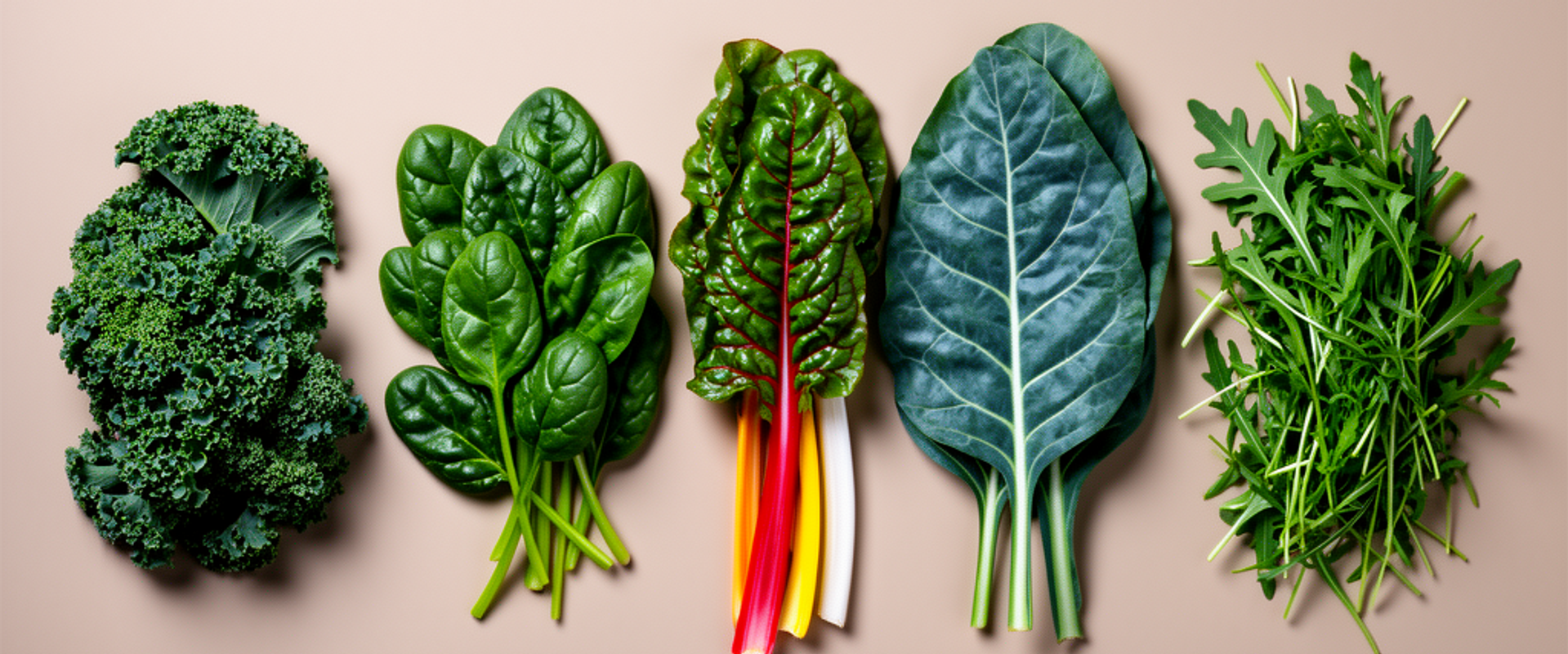
Let us break down the unique nutrient profiles of the top five dark leafy greens, explore the best science-backed methods to cook them, and share practical, delicious ways to add them to your meals today.
The Big Five: Nutrient Profiles Compared
While all leafy greens are fantastic additions to your plate, they each have unique nutritional superpowers. A standard serving of leafy greens is typically considered 2 cups raw or 1 cup cooked.
Spinach: The Versatile Classic
Spinach is famous for its high levels of iron, folate (vitamin B9), and vitamin A. Folate is crucial for cellular function and tissue growth, making spinach a fantastic daily staple.
The Science: You may have heard that spinach contains oxalates (oxalic acid), naturally occurring compounds that can bind to calcium and iron, making them slightly harder for your body to absorb. Do not let this deter you! Cooking spinach significantly reduces its oxalate content, unlocking those minerals for your body to use.
Kale: The Sturdy Powerhouse
Kale comes in several varieties, with curly kale and Lacinato (often called dinosaur or Tuscan kale) being the most common. Kale is an absolute powerhouse of Vitamin K, Vitamin C, and Vitamin A. A single cup of raw kale provides well over your daily requirement for Vitamin K, which is essential for bone health and blood clotting.
The Science: Kale belongs to the cruciferous vegetable family (along with broccoli and Brussels sprouts). This means it is rich in glucosinolates, sulfur-containing compounds that have been heavily researched for their cellular protection and anti-inflammatory properties.
Swiss Chard: The Colorful Mineral Mine
With its vibrant yellow, pink, and red stems, Swiss chard is as beautiful as it is nutritious. It stands out for its exceptionally high magnesium and potassium content. Magnesium is a mineral that plays a role in over 300 biochemical reactions in the body, including muscle function, nerve function, and stress management.
The Science: Swiss chard contains a unique flavonoid called syringic acid, which early research suggests may help stabilize blood sugar levels. Its slightly bitter, earthy flavor mellows beautifully when cooked.
Collard Greens: The Calcium King
Often associated with slow-cooked Southern cuisine, collard greens feature large, flat leaves and a mild, slightly smoky flavor. They are one of the best non-dairy sources of calcium available, making them an excellent choice for those who are lactose intolerant or eating a plant-based diet.
The Science: Research shows that when collard greens are steamed, they become highly effective at binding to bile acids in the digestive tract. This process helps your body excrete cholesterol, making steamed collards a remarkably heart-healthy choice.
Arugula: The Peppery Digestif
Arugula (also known as rocket) has a distinctive, peppery bite. It is more delicate than kale or collards but packs a serious nutritional punch.
The Science: Arugula is incredibly high in dietary nitrates. In the body, these nitrates are converted into nitric oxide, a molecule that relaxes and widens blood vessels. This process can help lower blood pressure and improve oxygen delivery during exercise, making arugula a favorite among endurance athletes.
The Science of Cooking: How to Maximize Nutrients
How you prepare your greens can completely change both their flavor and their nutritional value. Here is how to get the most out of your vegetables without sacrificing taste.
Fat is Your Friend
For decades, diet culture pushed the idea of fat-free salads. From a nutritional standpoint, this is a missed opportunity. Leafy greens are packed with fat-soluble vitamins—specifically Vitamins A, E, and K. This means your body literally cannot absorb these nutrients unless they are consumed alongside dietary fat.
Actionable Tip: Always pair your greens with a healthy fat source. Drizzle olive oil over your arugula, toss your steamed collards with a handful of toasted walnuts, or massage your kale with an avocado-based dressing.
The Lemon Trick for Iron Absorption
The iron found in leafy greens is known as "non-heme" iron. While it is highly beneficial, the human body does not absorb non-heme iron as easily as the "heme" iron found in meat. Fortunately, food science offers a simple hack: Vitamin C. Consuming Vitamin C alongside non-heme iron dramatically increases your body's ability to absorb the iron.
Actionable Tip: Squeeze fresh lemon juice over your sautéed spinach, or add bell peppers and strawberries to your kale salad to maximize your iron intake.
Choose Your Heat Wisely
Boiling leafy greens for extended periods can cause water-soluble nutrients (like Vitamin C and B vitamins) to leach out into the cooking water. Unless you are making a soup where you will consume the broth, boiling is generally not the best method.
Actionable Tip: Opt for quick sautéing, steaming, or blanching. Steaming Swiss chard or collards for just 5-7 minutes preserves their water-soluble vitamins while softening their tough fibers and reducing oxalates.
Beating Salad Fatigue: How to Eat More Greens
If the thought of eating another bowl of raw leaves makes you want to order takeout, it is time to change your approach. You do not have to eat salads to eat greens. Here are practical ways to seamlessly integrate a serving or two into your daily meals.
1. The "Wilt"
One of the easiest ways to consume a massive amount of greens is to wilt them into hot dishes. Two heaping cups of raw spinach will cook down to a mere couple of tablespoons in seconds.
- Try it today: Stir two large handfuls of chopped spinach or Swiss chard into your pasta sauce, soup, curry, or chili during the last two minutes of cooking. The heat will wilt them instantly, adding a nutrient boost without changing the flavor profile of your meal.
2. The Stealth Smoothie
If you prefer to drink your nutrients, smoothies are an excellent vehicle for raw greens.
- Try it today: Blend 1 cup of raw, stemless kale or spinach into your morning smoothie. To completely mask the earthy flavor of the greens, pair them with strong, naturally sweet fruits like frozen pineapple, mango, or a ripe banana.
3. The Savory Breakfast
Greens are not just for lunch and dinner. Adding them to your morning routine is a great way to start the day with a dose of fiber.
- Try it today: Sauté a cup of chopped Swiss chard or spinach in a teaspoon of olive oil, then pour two beaten eggs over the top to make a quick scramble or omelet. Alternatively, serve your fried eggs on a bed of lightly dressed raw arugula.
4. Pesto and Sauces
Basil is not the only green that makes a delicious pesto. You can puree almost any dark leafy green into a vibrant, flavorful sauce.
- Try it today: Blend 2 cups of fresh arugula or kale with 1/3 cup of olive oil, a handful of walnuts or pine nuts, garlic, and a sprinkle of parmesan (or nutritional yeast). Toss this nutrient-dense pesto with whole-grain pasta or use it as a spread for sandwiches.
5. The Better Wrap
Collard greens have large, sturdy, and pliable leaves that make an excellent alternative to flour tortillas if you are looking to increase your vegetable intake.
- Try it today: Take a large collard leaf, trim the thickest part of the stem so it lays flat, and blanch it in boiling water for 30 seconds to make it flexible. Fill it with hummus, turkey, shredded carrots, and avocado, then roll it up like a burrito.
Specific Meal Ideas You Can Use Today
Building a day of nutrient-dense meals is easier than it sounds. Here is an example of how you might incorporate different greens throughout the day in satisfying, delicious ways:
- Breakfast: A bowl of savory oatmeal topped with 1/2 cup of sautéed spinach, a soft-boiled egg, a sprinkle of feta cheese, and a dash of hot sauce.
- Lunch: A "massaged" kale salad. (Take 2 cups of chopped, raw kale and literally rub it with your hands for 60 seconds with 1 tablespoon of olive oil and a pinch of salt until it shrinks and softens). Top with 1/2 cup of roasted chickpeas, dried cranberries, and pumpkin seeds.
- Dinner: A comforting white bean and Swiss chard stew. Sauté garlic and onions, add 2 cups of chopped Swiss chard (stems and leaves!), a can of diced tomatoes, and a can of cannellini beans. Simmer for 15 minutes and serve with a slice of crusty sourdough bread for dipping.
The Practical Takeaway
When it comes to healthy eating, consistency is far more important than perfection. You do not need to force yourself to eat raw kale if you genuinely dislike it. Nutrition is deeply personal, and food should be enjoyed, not endured.
Start small. Pick one dark leafy green from the "Big Five" that sounds appealing to you and try incorporating it into a meal you already love. Remember to pair your greens with a healthy fat to absorb those vital nutrients, use a splash of citrus to boost your iron intake, and do not be afraid to cook them down into your favorite warm dishes. By exploring different greens and cooking methods, you can easily nourish your body and completely banish salad fatigue for good.