What to Eat Before a Workout: A Science-Backed Guide to Fueling Your Fitness
Confused about what to eat before you exercise? Discover science-backed, practical tips on the best foods, timing, and macros to fuel your strength, cardio, and HIIT workouts.

You are lacing up your sneakers, ready to move your body, but a familiar question pops into your head: Wait, should I eat something first? And if so, what?
If you feel overwhelmed by pre-workout nutrition, you are not alone. The wellness world is a loud place. On one side, you have influencers claiming you must train completely fasted to see results. On the other, you have fitness gurus insisting you need a highly specific, scientifically engineered supplement stack before you even look at a dumbbell.
As a nutrition professional, I am here to offer a deep breath and some good news: fueling your body for exercise does not have to be stressful, overly complicated, or restrictive. Food is quite literally fuel, and giving your body the right nutrients at the right time is one of the most empowering ways to support your physical and mental energy.
Let us cut through the noise. Here is a science-backed, highly practical guide to what to eat before you work out, tailored to your unique routine.
The Core Macros of Pre-Workout Nutrition
To understand what to eat, we first need to understand why we are eating. Your body is like a high-performance vehicle, and the macronutrients you consume—carbohydrates, protein, and dietary fats—serve very specific roles in keeping the engine running.
Carbohydrates: Your Body's Preferred Gas Tank
Despite what low-carb diet trends might suggest, carbohydrates are an exerciser's best friend. When you eat carbs, your body breaks them down into glucose (blood sugar), which is readily available for immediate energy. Extra glucose is stored in your muscles and liver as glycogen.
During moderate to high-intensity exercise, your body taps into these glycogen stores to keep you moving. If your stores are empty, you will likely experience premature fatigue, sluggishness, or that dreaded feeling of 'hitting the wall.'
Protein: The Maintenance Crew
While carbs provide the energy for your workout, protein provides the building blocks to protect and repair your muscles. Consuming a moderate amount of protein before a workout ensures that a steady stream of amino acids is available in your bloodstream. This helps prevent muscle breakdown (catabolism) during exercise and kickstarts the recovery and muscle-building process (muscle protein synthesis) as soon as you finish.
Fats and Fiber: The Slowpokes
Dietary fats and fiber are incredibly important for overall health, digestion, and hormone function. However, they are not ideal right before a workout. Both fat and fiber slow down gastric emptying—meaning they keep food in your stomach longer. If you eat a high-fat or high-fiber meal right before jumping into a workout, your body will be directing blood flow to your stomach to aid digestion, rather than to your muscles. This competition for blood flow often results in cramping, sluggishness, or gastrointestinal distress.
The Great Debate: Fasted vs. Fed Training
One of the most common questions in sports nutrition is whether it is better to work out on an empty stomach. The concept of 'fasted cardio' became wildly popular based on the idea that if your body does not have readily available carbs to burn, it will burn stored body fat instead.
What does the research actually say?
A comprehensive review published in the Journal of the International Society of Sports Nutrition looked at body composition changes in individuals training in fasted versus fed states. The researchers found no significant difference in fat loss between the two groups over time.
While training fasted might slightly increase the percentage of energy coming from fat during that specific session, it often decreases your overall energy output. In other words, if you train fed, you will likely have the energy to lift heavier, run faster, or push harder, resulting in a higher total energy expenditure and a better training stimulus.
The takeaway: If you are doing a gentle, low-intensity activity like a morning walk or restorative yoga, and you prefer an empty stomach, fasted training is perfectly fine. But if you are doing a high-intensity interval training (HIIT) session, heavy weightlifting, or a long run, eating beforehand is scientifically shown to improve your performance and protect your lean muscle mass.
Timing Your Pre-Workout Fuel
Choosing the right food is only half the equation; timing is the other half. The closer you get to your workout, the simpler your food should be.
- 2 to 3 Hours Before: This is the optimal window for a full, balanced meal containing complex carbohydrates, a solid serving of lean protein, and moderate amounts of fat and fiber. You have plenty of time to digest.
- 1 Hour Before: At this point, you want a smaller snack. Focus primarily on easily digestible carbohydrates with a small amount of protein. Keep fat and fiber low to avoid an upset stomach.
- 30 Minutes (or less) Before: If you are eating right before you exercise, you need quick, simple carbohydrates that require almost zero digestive effort. Think liquids or simple sugars.
Customizing Your Fuel: What to Eat for Your Specific Workout
Not all workouts demand the same fuel. A 45-minute heavy lifting session requires different nutritional support than a 60-minute steady-state run. Here is how to tailor your pre-workout nutrition to your specific routine.
Fueling for Strength Training
When lifting weights, your primary goals are to have enough energy to complete your sets with good form and to provide your body with amino acids to prevent excessive muscle breakdown.
- The Strategy: Aim for a balanced mix of carbohydrates and protein. You do not need massive amounts of carbs unless your session is exceptionally long and grueling, but you do need enough to power those heavy lifts.
- The Macros: Aim for roughly 30 to 40 grams of carbohydrates and 20 to 30 grams of protein, depending on your body size and goals.
Fueling for Steady-State Cardio (Running, Cycling, Swimming)
Endurance activities rely heavily on your body's glycogen stores. The longer you go, the more carbs you need.
- The Strategy: Carbohydrates are the absolute star of the show here. If your cardio session is under 45 minutes, a small carb-based snack is sufficient. If you are training for over an hour, you need to ensure your glycogen stores are fully topped off with a larger, carb-heavy meal 2-3 hours prior.
- The Macros: Keep protein moderate (10-15 grams) to avoid slowing digestion, and strictly limit fats and fiber, as the bouncing motion of running or intense cycling can easily trigger stomach cramps.
Fueling for High-Intensity Interval Training (HIIT)
HIIT workouts are short, sharp, and highly demanding on your anaerobic energy system, which runs exclusively on glucose.
- The Strategy: Because HIIT is so intense, it can easily cause nausea if you have too much food in your stomach. You need fast-acting, easily digestible carbohydrates that will hit your bloodstream quickly without weighing you down.
- The Macros: Focus on 15 to 30 grams of simple carbohydrates 30 to 60 minutes before the session. Skip the protein and fat entirely if you are eating within an hour of a HIIT class.
Practical Pre-Workout Meals and Snacks
Theory is great, but what does this actually look like on a plate? Here are specific, actionable meal and snack ideas you can use today, categorized by how much time you have before your workout.
The 2-3 Hour Window (Full Meals)
If you have a few hours to digest, you can eat a normal, balanced meal.
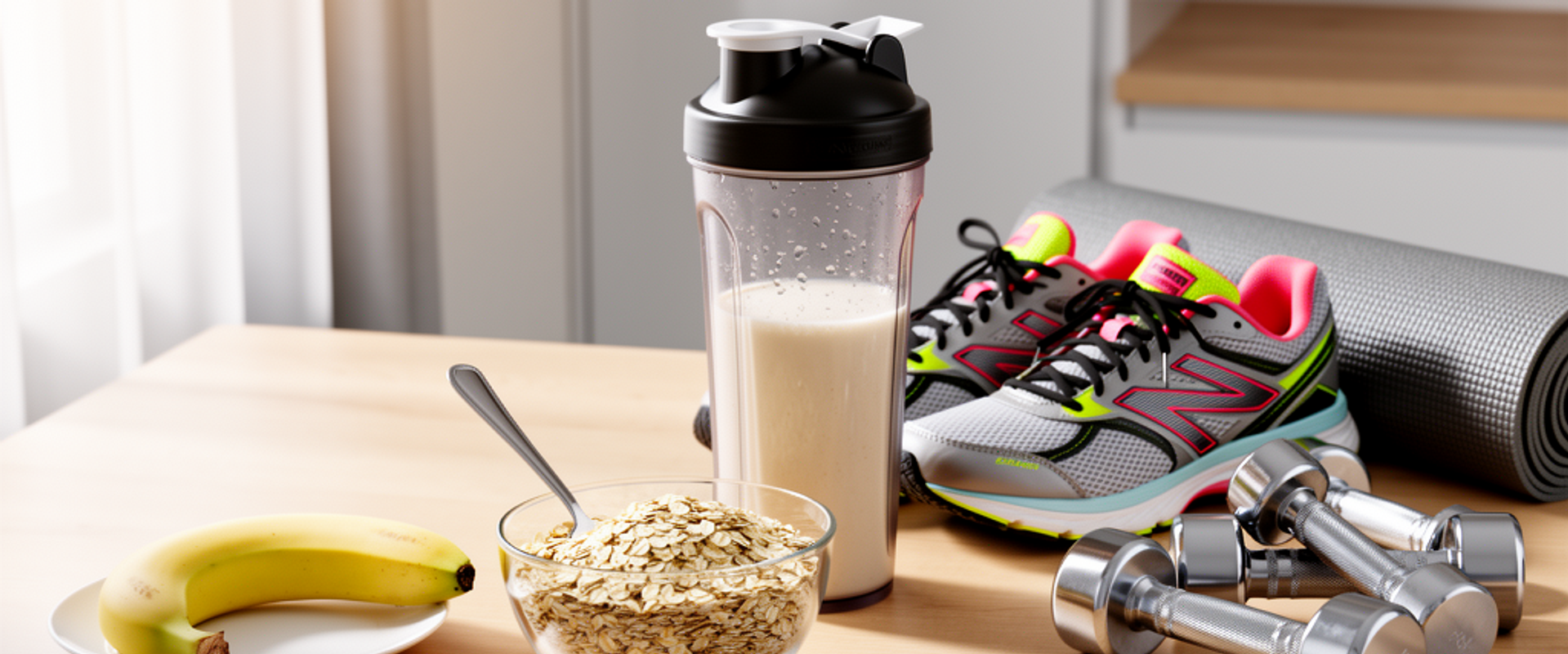
- Oatmeal Power Bowl: 1/2 cup of rolled oats cooked in 1 cup of soy milk or dairy milk, topped with 1/2 cup of mixed berries, 1 tablespoon of chia seeds, and 1 scoop of protein powder mixed in. (Great for strength training or long cardio).
- Chicken and Rice: 4 ounces of grilled chicken breast with 1 cup of white or brown rice and a small side of easily digestible vegetables like zucchini or spinach. (A classic strength-training staple).
- The Balanced Wrap: 1 whole-wheat tortilla filled with 3 ounces of turkey breast, a handful of spinach, and 1 tablespoon of hummus.
The 1-Hour Window (Snacks)
With only an hour to go, downsize the portion and focus on carbs.
- Yogurt and Fruit: 1/2 cup of plain Greek yogurt (for easy-to-digest protein) topped with 1/2 cup of sliced strawberries or a small diced apple.
- Toast and Butter: 1 slice of sourdough or white toast topped with exactly 1 level tablespoon of almond butter and 1/2 of a sliced banana. (Sourdough is partially fermented, making it very gentle on the stomach).
- Cereal: 1 cup of a low-fiber cereal (like corn flakes or crispy rice) with 1/2 cup of milk. It is quick, nostalgic, and incredibly effective for topping up glycogen.
The 30-Minute Window (Quick Hits)
If you are running out the door and need immediate energy, reach for simple sugars that require minimal digestion.
- Dried Fruit: 1 large Medjool date or a small handful of raisins. Dates are nature's energy gel, packed with quick carbs and potassium.
- Applesauce: 1 unsweetened applesauce pouch. It is basically pre-digested fruit—perfect for a quick energy spike before a run or HIIT class.
- Liquid Carbs: 4 to 6 ounces of 100% fruit juice (like apple or orange juice) or a sports drink. Liquids empty from the stomach faster than solids, making them ideal for the last-minute rush.
Don't Forget Hydration
We cannot talk about pre-workout nutrition without mentioning hydration. Dehydration by as little as 2% of your body weight can noticeably impair your physical performance, reduce your strength, and make your workout feel significantly harder than it should.
Aim to drink 16 to 20 ounces of water roughly 2 to 3 hours before your workout. This gives your body time to absorb the fluid and allows you to use the restroom before you start exercising. In the 30 minutes leading up to your workout, sip an additional 8 ounces of water.
If you are a heavy sweater or training in a hot environment, adding a pinch of salt or an electrolyte powder to your pre-workout water can help maintain blood volume and prevent cramping.
The Bottom Line
Nutrition is highly individualized, and what works perfectly for your workout buddy might leave you feeling sluggish. The best approach is to treat your body like an ongoing science experiment.
Start by incorporating a small, carb-based snack 45 minutes before your next workout and pay attention to how you feel. Do you have more energy? Are you able to push a little harder? Adjust the timing, portion sizes, and specific foods based on your personal digestion and energy levels.
By prioritizing simple, science-backed nutrition over restrictive diets or complicated supplements, you can step into your workouts feeling nourished, energized, and ready to perform at your best.