Why Carbs Are Not the Enemy: A Science-Backed Guide to Carbohydrate Nutrition
Confused by conflicting diet advice? Discover why carbs aren't the enemy. This science-backed guide explains complex vs. simple carbs, the power of fiber, and how to enjoy carbohydrate-rich foods for better energy and lasting health.

The Case for Carbohydrates
If you have spent any time reading about nutrition online, you have likely felt the whiplash of conflicting advice. One minute, oatmeal is a heart-healthy superfood; the next, an influencer is claiming that a bowl of oats will derail your health. Bread has become a four-letter word, and entire diet industries are built on the premise that cutting carbohydrates is the ultimate secret to wellness.
As a nutrition professional, I am here to offer a deep breath and a dose of science: carbohydrates are not the enemy.
In fact, they are your body's preferred source of energy. The anti-carb narrative often relies on extreme claims and a misunderstanding of human physiology. When we strip away the diet culture language and food shaming, the science reveals a much more nuanced—and delicious—reality. Let's break down what carbohydrates actually do, why the type of carb matters more than the total amount, and how you can build a balanced, satisfying plate without fear.
Understanding the Basics: What Are Carbohydrates?
Carbohydrates are one of the three primary macronutrients, alongside protein and dietary fat. When you eat a carbohydrate-rich food, your digestive system breaks it down into glucose (blood sugar).
Glucose is not a toxin; it is the fundamental fuel of human life. It powers your muscles during a walk, fueling your heart as it beats, and crucially, it is the primary energy source for your brain. Even when you are resting, your brain consumes about 20% of your body's total energy, almost exclusively in the form of glucose.
When you drastically cut carbohydrates, your body is forced to find alternative, less efficient energy sources. While the body is incredibly adaptable, chronically starving it of its preferred fuel can lead to brain fog, fatigue, irritability, and disrupted sleep. The goal is not to eliminate glucose, but to manage how quickly it enters your bloodstream.
The Great Divide: Complex vs. Simple Carbohydrates
To understand why all carbs are not created equal, we need to look at their molecular structure. Carbohydrates generally fall into two categories: simple and complex.
Simple Carbohydrates
Simple carbohydrates are made of one or two sugar molecules. Because their structure is so small, your body breaks them down very quickly, leading to a rapid rise in blood sugar and a quick burst of energy.
- Sources: Table sugar, honey, maple syrup, fruit juice, soda, and candy.
- The Nuance: Simple carbs are not inherently "bad." In fact, if you are an athlete in the middle of a long run, a quick hit of simple carbs is exactly what you need to prevent a crash. Furthermore, simple sugars occur naturally in nutrient-dense foods like whole fruit and dairy. An apple contains simple sugars, but it is also packed with water, vitamins, and fiber, which completely changes how your body processes it.
Complex Carbohydrates
Complex carbohydrates are made of long, intricate chains of sugar molecules. Because they are more complex, your digestive system has to work harder and longer to break them apart. This results in a slow, steady release of glucose into your bloodstream, providing sustained energy over several hours.
- Sources: Whole oats, brown rice, quinoa, sweet potatoes, butternut squash, beans, lentils, and whole-grain bread.
- The Nuance: Complex carbs are the unsung heroes of a balanced diet. They keep you full, stabilize your mood, and provide a steady drip of energy to get you through your workday.
The Magic of Fiber: Your Gut's Best Friend
If there is one reason to embrace carbohydrates, it is dietary fiber. Fiber is a type of carbohydrate that your body cannot digest. Instead of being broken down into glucose, it passes through your digestive tract relatively intact.
Nutrition science consistently shows that high-fiber diets are linked to a lower risk of heart disease, type 2 diabetes, and certain types of cancer. Yet, it is estimated that only about 5% of adults in the US meet the recommended daily intake of fiber (25 grams for women and 38 grams for men).
Fiber comes in two main types, both found in carbohydrate-rich foods:
- Soluble fiber: Dissolves in water to form a gel-like substance in your gut. This slows digestion, helps manage blood sugar spikes, and can lower cholesterol. (Found in oats, beans, apples, and chia seeds).
- Insoluble fiber: Adds bulk to your stool and helps food move smoothly through your digestive tract, preventing constipation. (Found in whole wheat, nuts, and the skins of fruits and vegetables).
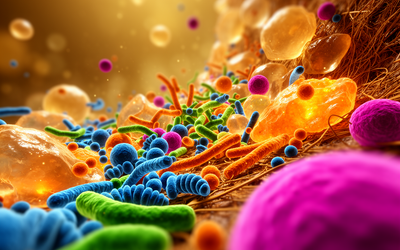
Furthermore, fiber acts as a prebiotic—meaning it feeds the trillions of beneficial bacteria living in your gut microbiome. When you cut out complex carbs, you inadvertently starve your good gut bacteria, which can negatively impact your digestion, immune system, and even your mental health.
Making Sense of the Glycemic Index (GI)
You may have heard of the Glycemic Index (GI), a system that ranks foods on a scale from 1 to 100 based on how quickly they raise blood sugar levels. Pure glucose is a 100.
While the GI can be a helpful tool, it has a major flaw: it tests foods in isolation. But we rarely eat foods in isolation.
Think of carbohydrates like you think of going outside in the winter. You wouldn't go out without a coat. Similarly, you shouldn't send carbohydrates into your digestive system "naked." When you pair a carbohydrate with a source of protein, healthy fat, or extra fiber, you significantly lower the glycemic impact of the entire meal.
For example, eating a plain slice of white toast will cause a relatively quick blood sugar spike. But if you take that same slice of toast and top it with mashed avocado (healthy fat and fiber) and a poached egg (protein), digestion slows down dramatically. Your blood sugar rises gently and falls gently, keeping you satisfied for hours.
Why Low-Carb Isn't Automatically Better
The low-carb and keto diet movements gained massive popularity because they often lead to rapid initial weight loss. However, it is crucial to understand the science behind this.
Carbohydrates are stored in your muscles and liver as glycogen. For every gram of glycogen stored, your body stores about 3 grams of water. When you drastically cut carbs, your body depletes its glycogen stores, flushing out the attached water. That thrilling five-pound weight loss in the first week of a low-carb diet is almost entirely water, not body fat.
Long-term, evidence-based research paints a different picture. Large-scale population studies, including a comprehensive review published in The Lancet Public Health, suggest that both extremely low-carb and extremely high-carb diets are linked to an increased risk of mortality. The sweet spot for longevity and health appears to be a moderate carbohydrate intake, where carbs make up about 50-55% of total daily calories, primarily from plant-based, whole-food sources.
Instead of asking, "How can I eat fewer carbs?" a more biologically sound question is, "How can I eat higher-quality carbs?"
Practical Application: How to Eat Carbs the Smart Way
Eating better doesn't require a calculator, a restrictive app, or a list of "forbidden" foods. It simply requires a gentle shift in how you build your plate. Here are practical, actionable ways to incorporate carbohydrates into a balanced lifestyle:
1. Upgrade Your Grain
You don't have to give up your favorite meals; just upgrade the foundation.
- Swap: Regular white pasta (1 cup cooked) for whole wheat pasta, lentil pasta, or chickpea pasta. You will get the same comforting texture but with 3 to 4 times the fiber and a significant boost in protein.
- Swap: White rice for quinoa, farro, or brown rice.
2. Use the Plate Method for Portioning
If you are unsure about portion sizes, use the visual plate method. Fill half your plate with non-starchy vegetables (like spinach, broccoli, or bell peppers). Fill one-quarter of your plate with a high-quality protein (like chicken, tofu, or fish). Leave the final quarter for your complex carbohydrates (like a scoop of roasted sweet potatoes, a mound of wild rice, or a slice of sourdough bread). This naturally balances your blood sugar without the need to weigh or measure your food.
3. Dress Your Carbs
Remember the "naked carb" rule. If you want a carbohydrate-rich snack, pair it with a stabilizer.
- Instead of just an apple, have an apple with 2 tablespoons of almond butter.
- Instead of a handful of crackers, have crackers with a slice of cheese or a scoop of hummus.
Meal Ideas and Recipes to Try Today
Here are three balanced, carb-inclusive meals that provide sustained energy and are easy to prepare:
The "Sustained Energy" Breakfast Bowl
- The Base: 1/2 cup of rolled oats (complex carb and soluble fiber) cooked in 1 cup of milk or soy milk (protein).
- The Add-ins: 1 tablespoon of chia seeds (extra fiber and omega-3 fats) and 1/2 cup of fresh or frozen blueberries (antioxidants and fiber).
- The Topping: A handful of crushed walnuts (healthy fats).
- Why it works: The combination of oats, chia, and nuts slows digestion to a crawl, ensuring you won't be reaching for a mid-morning snack.
The "Plant-Power" Lunch Salad
- The Base: 2 cups of mixed leafy greens.
- The Carb: 1/2 cup of cooked quinoa and 1/2 cup of roasted butternut squash.
- The Protein: 1/2 cup of rinsed chickpeas.
- The Dressing: 2 tablespoons of tahini mixed with lemon juice and olive oil (healthy fats).
- Why it works: Quinoa and chickpeas are powerhouses that provide both complex carbohydrates and plant-based protein.
The "Comfort Classic" Dinner
- The Protein: A 4-6 ounce filet of baked salmon.
- The Veggie: 1 cup of roasted asparagus or broccoli drizzled with olive oil.
- The Carb: 1 medium baked sweet potato (leave the skin on for extra insoluble fiber!), topped with a pat of butter or a dollop of Greek yogurt.
- Why it works: The sweet potato provides deep, satisfying comfort and complex carbs, perfectly balanced by the protein and healthy fats in the salmon.
The Practical Takeaway
Carbohydrates are a vital, nourishing, and delicious part of a healthy human diet. The stress and anxiety caused by micromanaging and fearing your food are often far worse for your health than eating a slice of bread.
By shifting your focus from restriction to addition—adding more fiber, adding more whole grains, and adding protein and healthy fats to your meals—you can step off the diet rollercoaster. Embrace complex carbohydrates, dress your carbs wisely, and enjoy the sustained energy and mental clarity that comes from properly fueling your amazing body.