Post-Workout Recovery Nutrition: The 2-Hour Window That Matters
Confused about post-workout nutrition? Discover the science-backed guide to the 2-hour recovery window. Learn exactly how to use real foods to replenish energy, repair muscle, and hydrate effectively without the stress.

You just finished a great workout. You are sweating, your heart rate is slowly coming down, and you feel that satisfying sense of accomplishment. But as you roll up your yoga mat or rack your dumbbells, a familiar sense of overwhelm sets in: What am I supposed to eat now?
If you have ever spent time on fitness blogs or social media, you have probably been bombarded with conflicting advice. Some influencers claim you need to chug a highly specific, expensive protein shake within precisely fourteen minutes of your last rep, or your workout was entirely wasted. Others insist you should fast for hours.
As a nutrition professional, I am here to offer you a collective sigh of relief. You do not need to stress-chug a supplement in the locker room, nor do you need a degree in biochemistry to feed your body well.
What you do need is a basic understanding of how your body recovers, and a practical approach to the "two-hour window." Let us cut through the noise, leave the diet culture food-shaming behind, and look at the evidence-based science of post-workout recovery using real, delicious food.
The Truth About the "Anabolic Window"
For decades, gym-goers were haunted by the concept of the "anabolic window"—a supposed 30-minute timeframe immediately following exercise where your muscles were uniquely primed to absorb nutrients. Miss this window, the myth went, and your muscles would break down instead of building up.
Modern sports nutrition research has given us a much more forgiving timeline. Studies, including comprehensive reviews published in the Journal of the International Society of Sports Nutrition, show that this window is actually much larger than we thought. While getting nutrients in quickly is beneficial, your muscles remain highly responsive to protein and carbohydrates for roughly two hours post-exercise (and elevated muscle protein synthesis continues for up to 24 hours).
Think of your muscles like a dry sponge right after a workout. They are primed and ready to soak up nutrients to repair the micro-tears caused by exercise and to replenish spent energy. Hitting that two-hour window optimizes this process, reducing muscle soreness and ensuring you have energy for the rest of your day.
Optimal recovery comes down to three foundational pillars: Protein, Carbohydrates, and Hydration.
Pillar 1: Protein (The Builders)
When you exercise—especially during strength training or high-intensity interval training—you create microscopic tears in your muscle fibers. This sounds alarming, but it is actually the natural process of getting stronger. Your body repairs these tears, making the fibers thicker and more resilient.
To perform this repair, your body needs building blocks, which come in the form of amino acids derived from dietary protein.
How Much Protein Do You Need?
Science shows that there is a "sweet spot" for post-workout protein to maximize muscle protein synthesis (MPS). For most adults, this is between 20 to 30 grams of high-quality protein. Eating more than 40 grams in a single sitting does not necessarily provide extra muscle-building benefits; your body will simply use the excess for general energy.
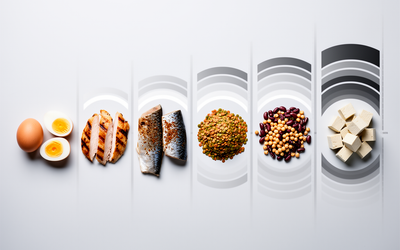
Real Food Protein Sources (Aim for 20-30g):
- Greek Yogurt: 1 cup of plain, non-fat or low-fat Greek yogurt yields about 20-22 grams of protein.
- Eggs: 3 large whole eggs provide 18 grams of protein (plus essential vitamins like B12 and choline).
- Chicken Breast: 3 ounces of cooked chicken breast (about the size of a deck of cards) offers 26 grams of protein.
- Cottage Cheese: 3/4 cup provides roughly 21 grams of protein. It is also rich in casein, a slow-digesting protein that feeds your muscles over time.
- Tofu or Tempeh: 1/2 block of firm tofu or 3/4 cup of tempeh delivers about 20-22 grams of plant-based protein.
Pillar 2: Carbohydrates (The Fuel Replenishers)
Carbohydrates often get an unfair and scientifically inaccurate bad reputation in wellness culture. In the context of exercise, carbohydrates are your body's preferred and most efficient fuel source.
Your body stores carbohydrates in your muscles and liver as a substance called glycogen. During a workout, you deplete these glycogen stores. If you do not replenish them, you will likely feel sluggish, fatigued, and experience heavy-feeling legs during your next workout.
Furthermore, eating carbohydrates alongside protein prompts your body to release insulin. In this specific post-workout context, insulin is incredibly helpful—it acts as a key that unlocks your muscle cells, driving both the carbohydrates (for energy) and the amino acids (for repair) directly into the muscle tissue.
How Many Carbs Do You Need?
A general rule of thumb is to aim for a 2:1 or 3:1 ratio of carbohydrates to protein, depending on the intensity of your workout. If you did a light 30-minute jog, a 1:1 ratio is plenty. If you ran for 90 minutes or did a grueling leg day, lean closer to the 3:1 ratio.
Real Food Carbohydrate Sources:
- Sweet Potatoes: 1 medium baked sweet potato provides about 26 grams of complex, nutrient-dense carbohydrates.
- Oats: 1/2 cup of dry rolled oats (cooked in water or milk) yields 27 grams of carbs.
- Bananas: 1 large banana offers 30 grams of quick-digesting carbohydrates, perfect for immediate energy restoration.
- Rice: 1/2 cup of cooked white or brown rice provides about 22 grams of carbs. (White rice digests slightly faster, which is actually a benefit post-workout!).
- Fruit: 1 cup of mixed berries or a large apple provides 15-20 grams of carbs along with powerful antioxidants to combat exercise-induced inflammation.
Pillar 3: Hydration & Electrolytes (The Delivery System)
You can eat the perfect ratio of protein and carbohydrates, but if you are dehydrated, your recovery will stall. Water is the delivery system that transports nutrients through your bloodstream to your muscles.
When you sweat, you lose both water and electrolytes (primarily sodium and potassium).
How to Rehydrate Effectively:
A highly precise way to measure fluid loss is to weigh yourself before and after a workout; for every pound lost, you should drink roughly 16 to 24 ounces of fluid.
If you prefer not to weigh yourself (which is completely understandable and often recommended for a healthy relationship with your body), use the urine color test. Aim for a pale yellow color, like lemonade. If it looks like apple juice, you need to drink more water.
To replenish electrolytes naturally without sugary sports drinks, try:
- Adding a small pinch of sea salt to your water.
- Drinking 8-12 ounces of coconut water (rich in potassium).
- Eating hydrating foods like watermelon, cucumber, or oranges alongside your post-workout meal.
The "Real Food First" Advantage
Walk into any supplement store, and you will see walls lined with brightly colored tubs promising miraculous recovery. While protein powders and recovery shakes offer undeniable convenience—especially if you are commuting straight from the gym to the office—they are not inherently superior to real food.
In fact, real food offers the "food matrix" effect. This means the vitamins, minerals, fiber, and macronutrients in whole foods work synergistically. For example, a turkey sandwich on whole-grain bread doesn't just give you protein and carbs; it gives you B vitamins for energy metabolism, iron for oxygen transport, and fiber for gut health.
Supplements should be exactly that: supplementary to a diet based on whole foods.
Plug-and-Play Post-Workout Meals
Knowing the science is great, but applying it when you are tired and hungry is the real challenge. Here are four specific, easy-to-make meals that hit the optimal 2-hour recovery window requirements.
1. The Upgraded Classic Smoothie
Perfect for when you have zero appetite but need nutrients.
- The Recipe: Blend 1 cup of milk (dairy or soy for protein), 1 scoop of your favorite protein powder OR 3/4 cup plain Greek yogurt, 1 large frozen banana, 1 tablespoon of peanut butter, and a handful of spinach.
- The Science: The banana provides quick carbs, the milk/yogurt/powder provides the 20-30g of protein, and the peanut butter adds a touch of fat for satiety.
2. The Savory Recovery Bowl
Perfect for a post-workout lunch or dinner.
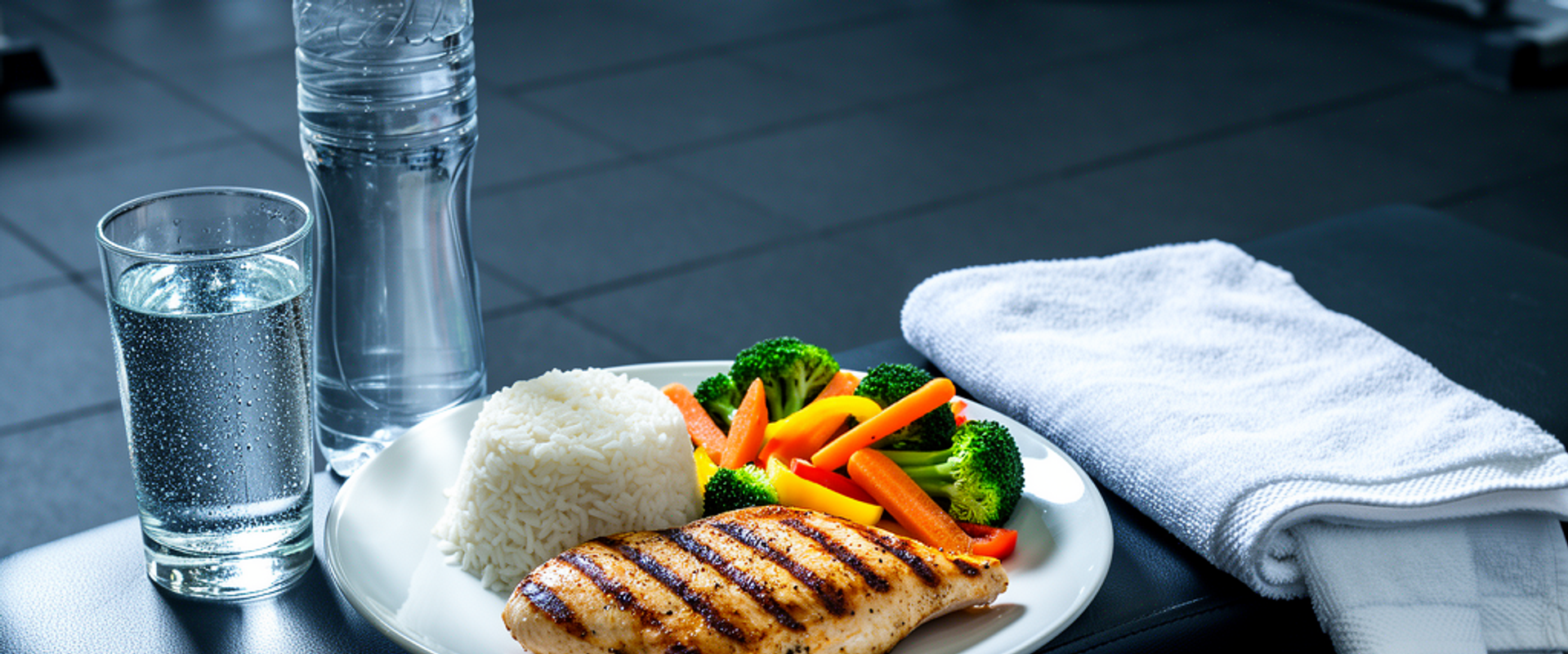
- The Recipe: 1/2 cup cooked quinoa or rice, 3 to 4 ounces of grilled chicken breast or baked tofu, 1/2 cup roasted sweet potatoes, and a generous handful of steamed broccoli. Drizzle with a tablespoon of olive oil and a squeeze of lemon.
- The Science: A robust 2:1 ratio of complex carbohydrates to protein, plus vitamin C from the broccoli and lemon to help combat oxidative stress from your workout.
3. The "Commuter's Parfait"
Perfect for throwing in your gym bag.
- The Recipe: 1 cup of plain Greek yogurt layered with 1/2 cup of rolled oats (they will soften in the yogurt like overnight oats), 1/2 cup of mixed berries, and a drizzle of honey.
- The Science: Greek yogurt is a powerhouse of high-quality protein, oats provide sustained-release carbohydrates, and honey offers a quick spike of glucose to initiate glycogen replenishment.
4. The Nostalgic Classic: Chocolate Milk & A Turkey Wrap
Perfect for simple, inexpensive, and highly effective recovery.
- The Recipe: 1 whole wheat tortilla wrapped around 3 ounces of deli turkey, a slice of cheese, and spinach. Pair with 8 to 12 ounces of low-fat chocolate milk.
- The Science: Chocolate milk is widely considered by sports dietitians to be one of the best recovery drinks available. It naturally contains a near-perfect 3:1 ratio of carbs to protein, plus fluid and electrolytes. The wrap provides a solid secondary hit of complete protein.
The Practical Takeaway
Navigating post-workout nutrition does not have to be a source of anxiety. You do not need to eat perfectly, and you certainly do not need to sprint to the kitchen the second your workout ends.
Your actionable takeaway for today: Aim to consume a meal or snack containing roughly 20 to 30 grams of protein and 30 to 60 grams of carbohydrates within two hours of finishing your exercise. Drink a large glass of water with it.
Whether that is a carefully prepped quinoa bowl, a quick Greek yogurt parfait, or simply a turkey sandwich and a glass of water, your body will use those nutrients to repair, rebuild, and come back stronger for your next session. Focus on consistency, choose real foods you actually enjoy eating, and let your body's natural recovery processes do the rest.