Turmeric: Hype vs Science — What This Golden Spice Actually Does
Turmeric is everywhere, but does it actually fight inflammation? Discover what science says about curcumin, why you need black pepper for absorption, and practical ways to add this spice to your daily meals without the wellness hype.

Walk down the aisle of any grocery store today, and you will see turmeric everywhere. It is in teas, wellness shots, fancy chocolate bars, and expensive café lattes. We are constantly told that this vibrant yellow spice is a miracle worker for everything from joint pain to general longevity.
If you are feeling overwhelmed by the sheer volume of conflicting nutrition advice out there, you are entirely justified. It is hard to know what is a genuine health benefit and what is just brilliant marketing. As a nutritionist, I hear the same questions all the time: Does sprinkling turmeric on my eggs actually do anything? Do I need to buy a fifty-dollar supplement? And what on earth is golden milk?
Let us cut through the noise. Turmeric is a wonderful, nourishing food with a robust backing of scientific literature. However, the way our bodies process it is incredibly specific. If you do not eat it the right way, you might just be making very expensive, brightly colored urine.
Here is the science-backed truth about turmeric, how to actually absorb its benefits, and practical ways to incorporate it into your meals without stressing over the wellness hype.
The Science: Meet Curcumin
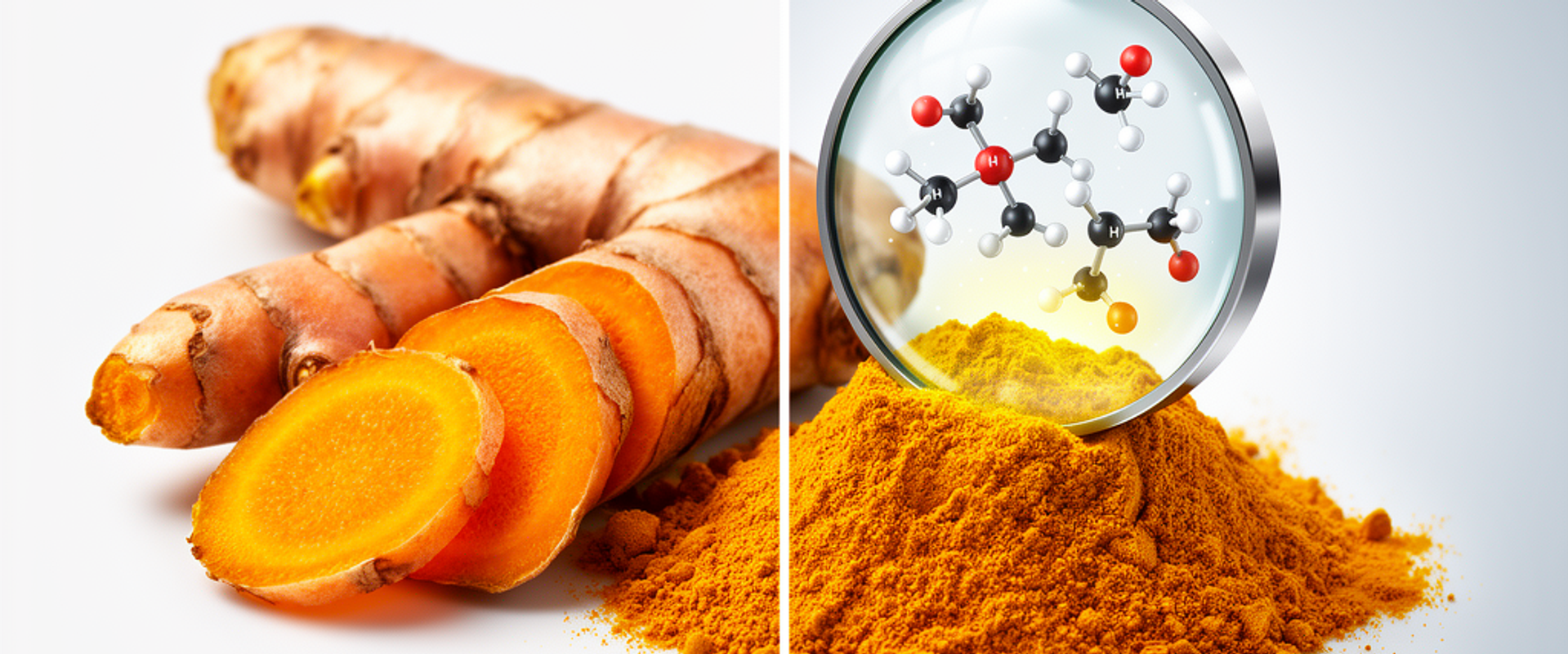
Turmeric is a root plant native to Southeast Asia, closely related to ginger. For thousands of years, it has been a staple in Indian cooking and Ayurvedic medicine. But when modern scientists talk about the health benefits of turmeric, they are usually talking about one specific compound hidden inside it: curcumin.
Curcumin is the main active ingredient in turmeric. It is a polyphenol, which is a type of antioxidant found in plants. Research shows that curcumin is highly anti-inflammatory.
To understand why this matters, we need to talk about inflammation. Acute inflammation is a good thing—it is your body's natural response to a cut or an infection. But chronic, low-grade inflammation is a different story. When your immune system stays in high gear for months or years, it can contribute to a host of long-term health issues, including joint pain, heart disease, and digestive distress.
Curcumin works by blocking inflammatory pathways in the body at a molecular level. Specifically, studies show it can block a molecule called NF-kB, which travels into the nuclei of your cells and turns on genes related to inflammation. By interrupting this process, curcumin acts much like a biological fire extinguisher.
The Catch: The Bioavailability Problem
Here is where the wellness hype often gets it wrong. You cannot just sprinkle a pinch of turmeric powder into a glass of plain water, drink it down, and expect your inflammation to vanish.
Curcumin has what scientists call "poor bioavailability." This means that when you eat it, your body has a very hard time absorbing it into your bloodstream. If you consume curcumin by itself, your liver recognizes it as a foreign substance and quickly metabolizes it, ushering it out of your body through your digestive tract before it can do any good.
Furthermore, turmeric root only contains about 3% curcumin by weight. So, that half-teaspoon of ground turmeric you added to your rice contains only a tiny fraction of the active compound to begin with, and your body is rejecting most of that tiny fraction.
The Fix: Black Pepper and Healthy Fats
Fortunately, food science has a brilliant, natural solution to the bioavailability problem. It comes down to two specific pairings: black pepper and fat.
The Magic of Black Pepper
Black pepper contains a bioactive compound called piperine. When you consume piperine alongside curcumin, something incredible happens in your liver. Piperine temporarily slows down the liver's ability to excrete curcumin.
According to a landmark study, combining just a tiny amount of piperine with curcumin boosts the bioavailability of the curcumin by an astonishing 2,000%. You do not need a lot, either. Just a crack of fresh black pepper (about 1/20th of a teaspoon) is enough to unlock the benefits of your turmeric.
The Role of Fat
Curcumin is also fat-soluble, which means it dissolves in fat, not water. If you consume turmeric without any dietary fat, it struggles to make it through your digestive tract and into your bloodstream.
Pairing your turmeric with a source of nourishing fat—like extra virgin olive oil, avocado, nuts, seeds, or full-fat coconut milk—allows the curcumin to bind to the lipids, carrying it directly through your intestinal wall and into your body.
This is why traditional Indian curries are such a brilliant delivery system for turmeric. They naturally combine turmeric with black pepper (and other spices) and cook it in a fat source like ghee or coconut oil. Traditional food cultures figured out the science of bioavailability long before we had microscopes to explain it.
Dosing: The Spice Rack vs. The Supplement Aisle
A common question is whether cooking with turmeric is enough, or if a supplement is necessary. The answer depends entirely on your goals.
Culinary Use for General Well-being
If your goal is simply to eat a varied, antioxidant-rich diet to support general health, cooking with turmeric is fantastic. Aim for about 1/2 to 1 teaspoon of ground turmeric per day, always paired with a pinch of black pepper and a source of fat. This provides a gentle, consistent dose of antioxidants.
Therapeutic Use for Specific Conditions
If you are dealing with a specific inflammatory condition, like osteoarthritis or chronic joint pain, clinical trials suggest you need between 500 to 2,000 milligrams of curcumin per day to see significant relief.
Because ground turmeric is only 3% curcumin, you would have to eat an uncomfortably massive amount of powder to hit that therapeutic dose. In these cases, a high-quality curcumin supplement is usually the best route. If you go this route, look for a supplement that explicitly states it contains piperine (often trademarked as BioPerine) or uses a liposomal delivery system (which wraps the curcumin in fat for absorption).
A quick note on safety: While culinary amounts of turmeric are safe for almost everyone, high-dose curcumin supplements can thin the blood and increase the risk of kidney stones in susceptible individuals. Always check with your doctor before starting a new supplement, especially if you take blood-thinning medications.
The Truth About Golden Milk
Let us talk about the darling of the wellness world: the golden milk latte.
Golden milk (Haldi Doodh) is a traditional Indian drink made by simmering milk with turmeric and other spices. It has been used for centuries as a soothing nighttime beverage to ward off colds and aid sleep.
Recently, coffee shops have co-opted this drink, often charging six dollars for a cup of almond milk mixed with turmeric powder and a massive pump of vanilla syrup. While these café versions might taste good, they often lack the fat and black pepper needed for absorption, and the high sugar content can actually promote inflammation—defeating the purpose entirely.
However, making golden milk at home is a wonderful, nourishing ritual. Here is a simple, science-backed recipe that gets the chemistry right:
Science-Backed Golden Milk Recipe
- 1 cup of milk of your choice (if using a low-fat plant milk like almond or oat, add 1/2 teaspoon of coconut oil or a splash of heavy cream for fat)
- 1/2 teaspoon ground turmeric
- 1/4 teaspoon ground ginger (another great anti-inflammatory)
- 1 tiny pinch of black pepper (do not skip this!)
- 1/4 teaspoon cinnamon (adds natural sweetness)
- 1 teaspoon of honey or maple syrup (optional, for flavor)
Instructions: Whisk all the ingredients together in a small saucepan over medium-low heat. Bring to a gentle simmer (do not boil) and let it warm for about 5 minutes to allow the flavors to meld. Pour into a mug and enjoy before bed.
Practical Ways to Eat More Turmeric Today
If you want to reap the benefits of turmeric without overcomplicating your life, here are some actionable, delicious ways to add it to your regular meal rotation. Remember the golden rule: Turmeric + Black Pepper + Fat.
1. The Savory Breakfast Scramble
Eggs are a natural source of healthy fats, making them a perfect vehicle for turmeric.
- How to do it: Whisk 2 or 3 eggs (or a block of crumbled tofu) with 1/4 teaspoon of turmeric, a pinch of salt, and a generous crack of black pepper. Cook in a teaspoon of olive oil or butter. The turmeric gives the scramble a beautiful, rich color and a slightly earthy flavor.
2. Roasted Golden Vegetables
Roasting vegetables naturally requires oil, which takes care of the fat requirement for absorption.
- How to do it: Chop up a pan of cauliflower florets, sweet potatoes, and carrots. Toss them with 1 tablespoon of olive oil, 1/2 teaspoon of turmeric, 1/2 teaspoon of garlic powder, salt, and black pepper. Roast at 400 degrees Fahrenheit (200 degrees Celsius) for 25-30 minutes until tender and caramelized.
3. Soup and Stew Booster
Turmeric blends seamlessly into almost any pureed soup or hearty stew, adding depth without overpowering the dish.
- How to do it: The next time you make a pot of chicken noodle soup, lentil stew, or butternut squash soup, stir in 1/2 teaspoon of ground turmeric and a few cracks of black pepper during the simmering process. If the soup is broth-based and very low in fat, serve it with a drizzle of olive oil or a side of avocado toast.
4. The Salad Dressing Upgrade
A turmeric vinaigrette is an incredibly easy way to keep this spice in your fridge at all times.
- How to do it: In a jar, combine 3 tablespoons of extra virgin olive oil, 1 tablespoon of apple cider vinegar or lemon juice, 1/2 teaspoon of turmeric, 1 teaspoon of Dijon mustard, a pinch of salt, and black pepper. Shake vigorously. The oil provides the fat, the pepper provides the piperine, and the mustard helps emulsify the dressing. Pour this over mixed greens, roasted chickpeas, or quinoa salads.
The Takeaway
Nutrition does not have to be a source of stress. You do not need to force down raw turmeric shots that make you gag, and you do not need to buy into the idea that one single spice will magically cure every ailment.
However, science clearly shows that turmeric is an incredibly valuable tool in your anti-inflammatory toolkit. By understanding the simple biology of how curcumin works—that it desperately needs black pepper and fat to be absorbed—you can turn a simple sprinkle of spice into a highly effective, nourishing habit.
Start small. Buy a fresh jar of ground turmeric (spices lose their potency after about a year), keep your black pepper grinder handy, and try adding the golden duo to one meal this week. Your body, and your tastebuds, will thank you.